

Modern cars are safer and more efficient than ever. But many drivers feel oddly disconnected behind the wheel. Here’s why.

If you have recently switched from an older car to a newer one, you may have noticed something strange. The steering feels lighter. Too light, perhaps, compared to what you’re used to. You turn the wheel, and the car responds, but there is a kind of emptiness in the connection, like the car is doing the work for you without telling you what it is doing. You are not imagining it.
Hydraulic steering systems have been around for over 50 years. They use a pump, a cylinder, and a set of valves to control fluid. The pump is driven by a belt connected to the engine, so its speed is tied to engine speed. When the hydraulic fluid is under pressure, it creates a subtle, constant force through the steering wheel. This pressure provides feedback by allowing you to feel the finer movements of your wheels interacting with the road surface. That is what older car drivers remember. It is the sense that the road is talking to you through your hands.
The Shift To Electric Steering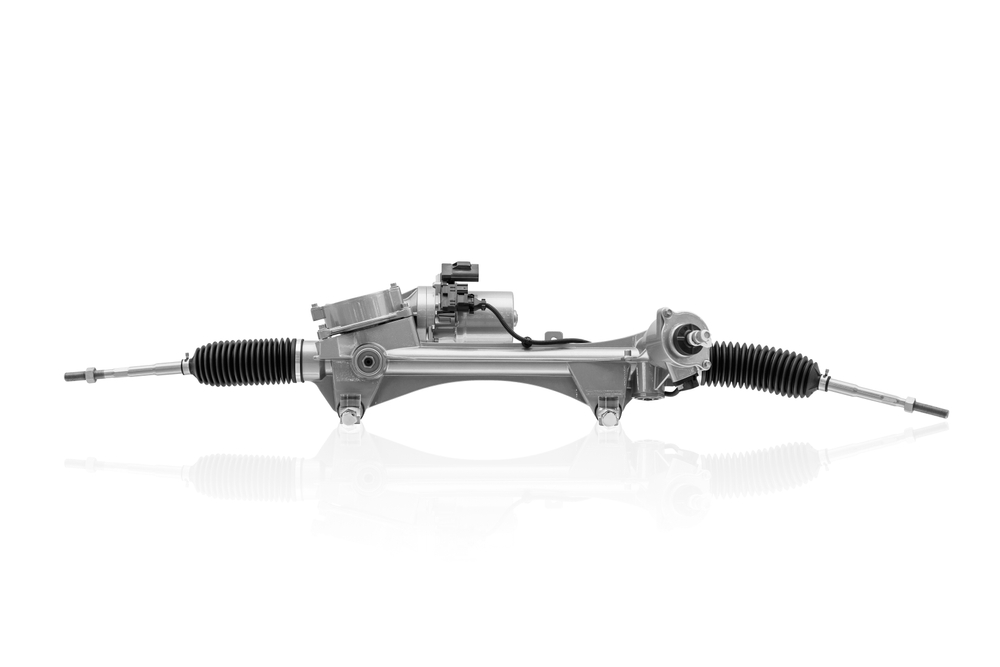
Electric Power Steering (EPS) uses an electric motor, placed either on the steering rack or steering column, to assist the driver. Sensors attached to the motor measure how much torque the driver is applying to the steering wheel, then use that information to decide how much assistance is needed to turn the front wheels.
The switch to EPS was driven largely by cost and fuel savings. A hydraulic pump must constantly be running, even if the wheel is not being turned, which leads to more drain from the engine and lower overall efficiency. All of that, combined with the fact that electric steering is cheaper to manufacture, means that it is the de facto choice for almost all modern vehicles.
But drivers noticed a trade-off. Typically, electric power-assisted steering works via a small motor mounted on the steering column. It responds to a torque sensor that tells the system how much to turn the wheels and in which direction. That process requires a bit of time for the motor to rotate, which adds just enough inertia to filter out road forces from being directed back up the column to the driver’s hands. Poor calibration can make this worse. If the system is not tuned well, the steering can feel either unnaturally heavy or unsettlingly light, with no clear middle ground that inspires confidence.
The result: many modern systems offer a vague on-centre feeling, over-boosted lightness, and overall less feedback from the road in terms of what the car’s tyres are actually doing.
Can Electric Steering Get Better?
The short answer is yes, and it already has. Cars like Porsche’s all-electric Taycan provide pinpoint accuracy and transmit road attributes nearly as well as hydraulic predecessors. And modern electric steering has been improving. Vehicle critics and owners have been noticing that the electric steering systems in sports cars like the Mazda MX-5, Honda Civic Type-R, and Porsche 911 are almost as engaging as hydraulic steering.
Instead of mounting the electric motor to the steering column, it is possible to fit it to the steering rack instead. This approach requires a larger motor, but there is less gearing, and it is easier for road forces to act on the motor, which in turn are relayed back up the steering as feedback. The catch is that this takes time and money to develop. For mass-market cars built to a tight budget, that level of attention to steering feel is still uncommon.
The Computers Keeping You In Your Lane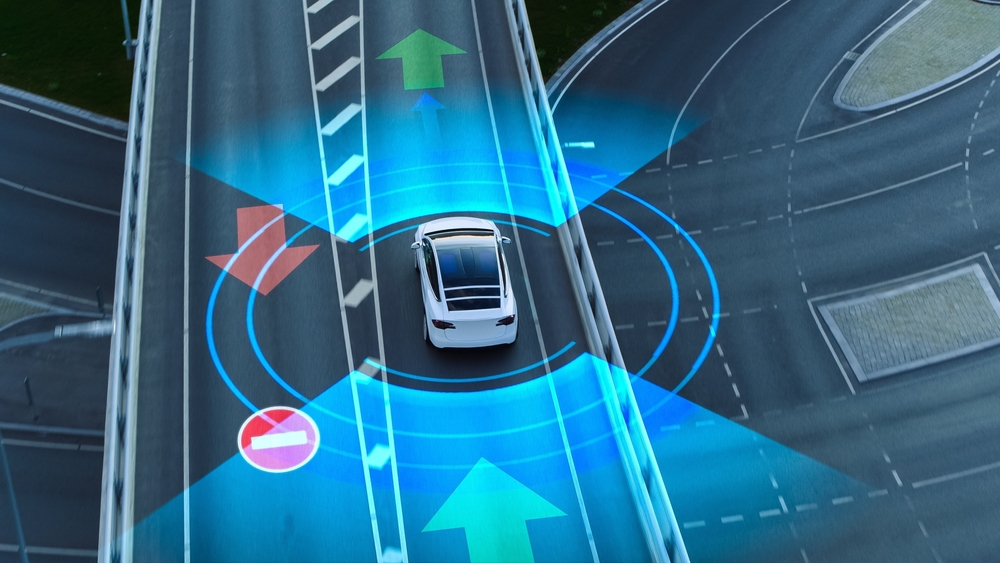
Beyond steering, the bigger shift in how modern cars feel comes from their growing suite of driver assistance systems. These are collectively known as ADAS, or Advanced Driver Assistance Systems. ADAS uses cameras, radar, and other sensors to watch what is happening around the vehicle and support the driver in real time.
Lane-keeping assistance systems (LKAS) will actually gently nudge the car back into its correct lane. Adaptive cruise control adjusts your speed to match traffic ahead. Automatic emergency braking can stop the car if you do not react in time. These features are no longer reserved for expensive luxury cars. Although many of these technologies have been around since the 2000s, what is new is how manufacturers are bundling the various technologies under a single banner and how commonplace they have become even on more budget-friendly vehicles.
For many daily commuters in Singapore, where stop-and-go traffic on the PIE or CTE is a regular reality, these systems are genuinely useful. ADAS features such as lane-keeping assist and adaptive cruise control reduce driver fatigue, easing the physical and mental stress of driving.
What It Means To Actually Drive
The side effect of all this technology is a gradual shift in what driving feels like. When the lane-keeping system nudges you back into your lane, it does so by applying steering input through the electric motor. When adaptive cruise slows you down, it is the car making the decision, not you. When a system is controlling a car’s speed and steering, there is a risk that the driver might feel freer to pick up a phone, eat, or engage in other distracting behaviour.
According to PACTS, a lack of full standardisation may make ADAS in different cars difficult for drivers to understand. Button names and locations, as well as dashboard symbols, change from car to car due to a lack of standardisation. This means drivers switching between vehicles or renting unfamiliar cars face a learning curve every time, which is its own safety concern.
And there is the bigger question of trust. When a system intervenes unexpectedly, like a lane-keeping nudge during a deliberate lane change you were making, it can feel intrusive or even alarming. That friction is part of why some drivers quietly switch these systems off. Not everyone has embraced EPAS and ADAS unconditionally. Enthusiast drivers, in particular, have been vocal about the loss of steering feel, and many deliberately seek out older models or higher-spec variants that offer more direct road feedback.
The Feel Of An Electric Car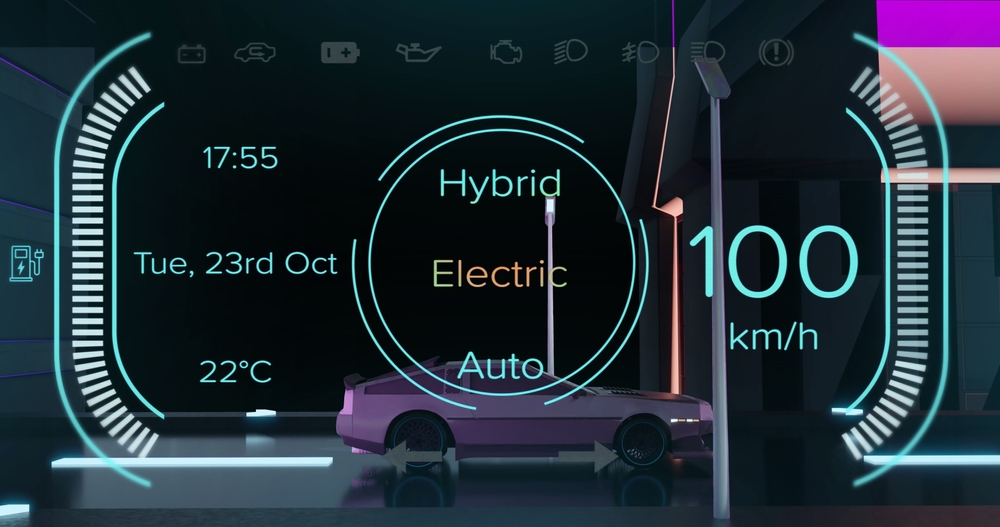
Electric vehicles add another dimension to how driving has changed. At its core, an electric vehicle is built on a principle of simplicity. Push down on the accelerator and away you go. Instant power delivered to the wheels, no gear changes, no lag, no complex network of moving components that wear and degrade.
A petrol car involves you in the process in a way an EV does not. There is the rise in revs, the anticipation before a gear change, and the audible note of the engine under load. These are all things that disappear in an EV. The result is a car that is faster, quieter, and smoother. But the sensations they create are distinct. The feel is less about numbers and more about how naturally and enjoyably a car translates mechanical power into human experience.
For drivers who grew up with the theatre of a combustion engine, an EV can feel strangely detached. For those who never bonded with that experience, it simply feels like a better machine.
So Is Anything Lost?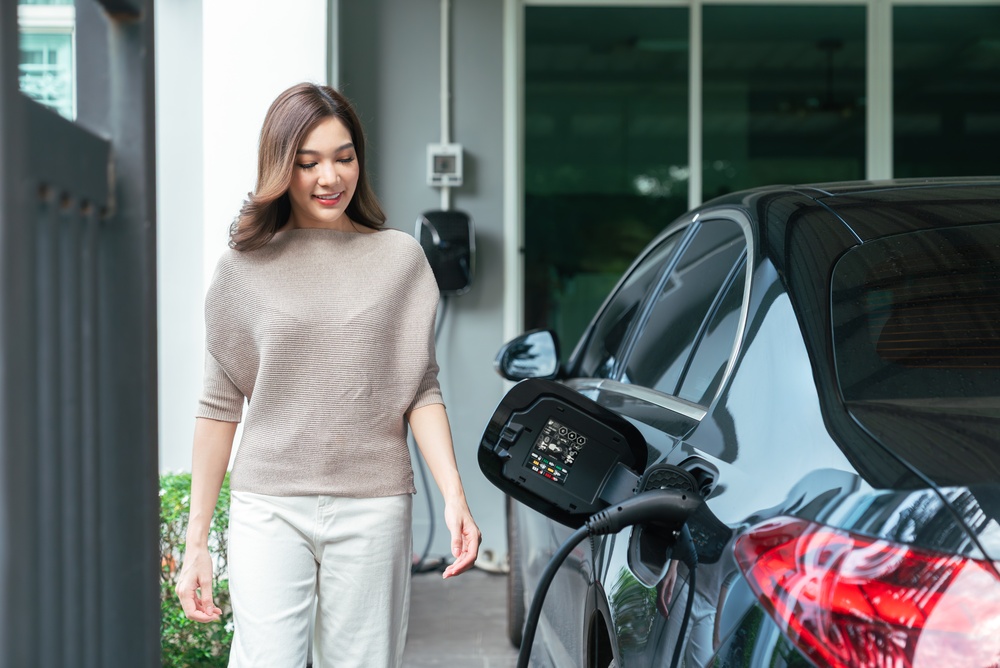
Modern cars are objectively better in almost every measurable way. They are safer, more efficient, more reliable, and packed with technology that would have seemed implausible to drivers from even 20 years ago. Singapore’s Land Transport Authority has been actively encouraging the adoption of EVs and cleaner vehicles as part of the country’s broader Green Plan 2030, so this shift is only going to continue. The LTA has committed to making every HDB town EV-ready by 2025, with close to 2,000 HDB carparks fitted with charging points. The national target is 60,000 charging points by 2030, and as of early 2025, over 15,300 have already been installed islandwide.
But something has changed in the relationship between driver and machine. The road used to speak to you through your hands, through the seat, through the sound of the engine. Now there are layers of software between you and the road, and those layers are getting thicker with each new model year. That is not a bad thing for safety or efficiency. But it does explain why, if you have ever stepped out of a modern car and into an older one, you might suddenly feel strangely alive at the wheel.