

Cabin noise does more than annoy; it clouds driver attention and ups accident risk. In Singapore’s tight traffic, quiet rides matter for safety.
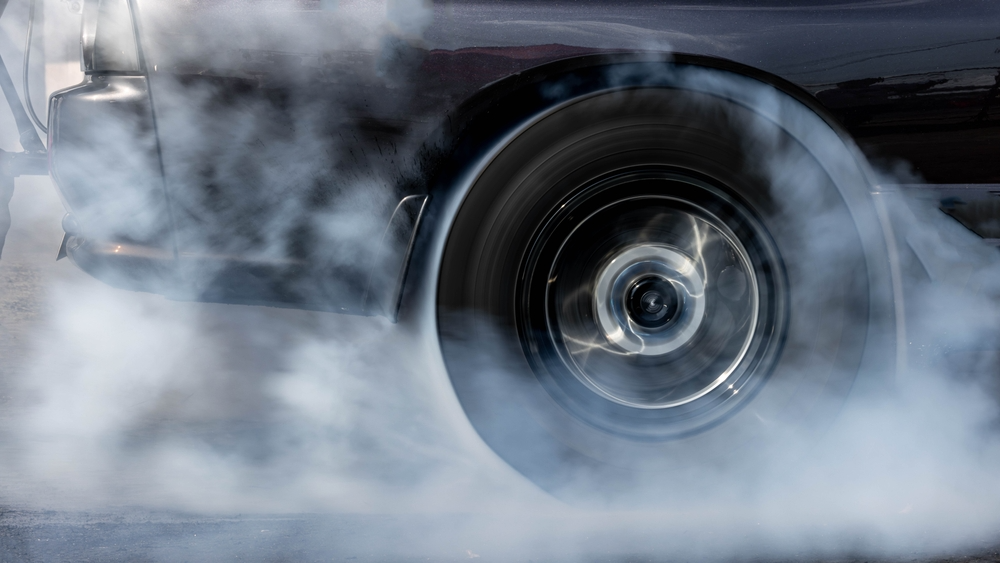
Every car cabin is a mix of competing sounds. Engines generate a low, constant hum that rises with revs. Tyres produce a rhythmic slap and rumble as they roll over asphalt, especially at expressway speeds and wind finds gaps around mirrors and door seals, turning into a steady whistle above 80kph. Road surfaces add their own texture to the noise — smooth tarmac is one thing, but Singapore’s older roads and expansion joints push the din up considerably. These sources combine differently depending on the car. A diesel saloon idles quietly but growls on acceleration, a sports car with low-profile tyres is loud from the moment it pulls out of the car park and hybrids cut engine noise but leave road rumble unchanged.
In Singapore’s stop-start traffic on the PIE or ECP, drivers spend hours exposed to this constant background noise, often without realising it. The cumulative effect on attention is significant: occupational health research show that cabin noise at sustained levels slows reaction times, dulls concentration, and makes it harder to pick out critical sounds like horns and sirens. At 70dB, a typical cabin level on smooth roads, the brain begins working harder to filter out the background. Push past 80dB, and cognitive load rises enough to affect driving decisions.
Sources Of Cabin Noise
Cars make noise in many ways. Tyres slapping against asphalt are typically the biggest culprit, and rough roads amp it up. Wind rushes past mirrors and seals at speed; engines roar under hard acceleration, and even the air conditioner fans add a hum. Loose interior parts like door trims, dashboard panels, and boot liners vibrate sympathetically with road and engine frequencies, creating a rattling or buzzing that can be harder to tune out than steady background noise because it is intermittent and unpredictable.
In Singapore, wet roads from rain make the tyre noise worse and wide tyres on popular sedans like the Toyota Corolla worsen it because a wider contact patch means more rubber surface striking the road with every rotation, amplifying the drumming sound that travels through the suspension and into the cabin. Older cars lack good seals, letting more sound in. Hybrids and EVs cut engine noise but not road rumble.
How Noise Hits Driver Focus
The brain cannot simply ignore background noise while driving. It processes all incoming sound automatically, which means cabin noise competes directly with the cognitive resources needed for the road ahead. Occupational health researchers studying noise exposure have found degraded thinking speed and reduced working memory at sustained levels, both of which matter when navigating busy junctions or reacting to sudden hazards.
In a 2021 study published in La Medicina del Lavoro, 24 men exposed to road noise at 55dBA and 85dBA showed measurable declines across several types of auditory attention, including focus, selectivity, and the ability to switch between tasks. Visual attention told a messier story: it did not consistently worsen, and at some noise levels it briefly improved, an effect researchers link to a short-term rise in alertness that fades the longer the noise continues. The clearer finding was that hearing-based attention, the kind drivers rely on to register a honk or a siren, took the most consistent hit. On a practical level, this means that a driver cruising through Toa Payoh during rush hour, with cabin noise sitting at a steady 70dB, is already working harder than they realise. They may miss a hazard indicator, react a fraction later to brake lights ahead, or feel fatigued sooner on a long expressway run. Turning up the radio to drown out road noise compounds the problem, often pushing total in-cabin sound past 90dB, a level that risks hearing damage over time and further splits attention between listening and watching.
Noise Levels Explained
Sound is measured in decibels on a logarithmic scale, which means the numbers are not as intuitive as they look. A rise of just 3dB doubles the sound energy, while an increase of 10dB doubles the perceived loudness. The benchmark most occupational health bodies use, including the US National Institute for Occupational Safety and Health, is 85dB averaged over an eight-hour period. Below that, sustained exposure is considered unlikely to damage hearing. Above it, the recommended safe exposure time halves with every 3dB increase, so what is tolerable for eight hours at 85dB becomes risky after just four hours at 88dB. Normal conversation sits at around 60dB. Most car cabins on smooth roads hover around 70dB, which may not sound alarming, but that is already twice as loud in perceived terms as a quiet room at 60dB. Sports cars with performance tyres can push cabin levels to 80dB, making them roughly four times louder to the ear than a well-insulated luxury saloon. Occupational health guidelines cap safe continuous exposure at 85dB for an eight-hour period, after which cognitive fatigue and hearing strain begin to set in.
In Singapore, where rain is frequent and roads are sometimes uneven, cabin noise levels can spike by 5 to 10dB during wet weather as water spray amplifies tyre slap. A Grab driver doing a ten-hour shift in a modest sedan could be sitting well above safe thresholds for much of the working day, with real consequences for concentration and fatigue.
Singapore’s Road Challenges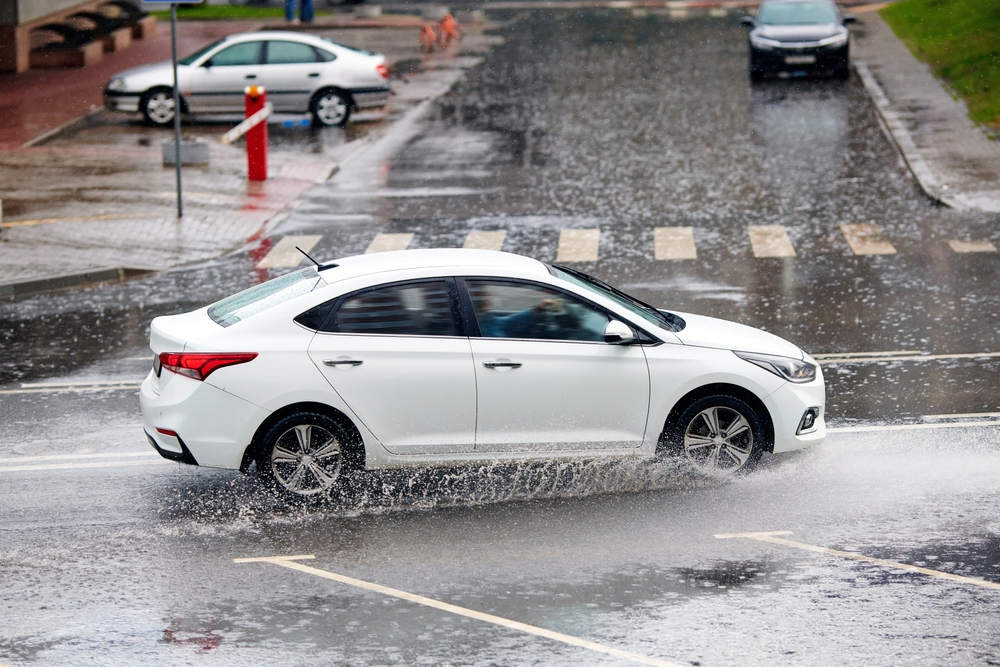
Singapore’s driving conditions create a particular set of noise challenges that many car owners underestimate. The island’s tropical climate means rain falls almost daily, and wet roads amplify tyre noise significantly as water between tread and tarmac generates additional spray and slap. Traffic congestion keeps speeds in the 50 to 80kph range for long stretches, which happens to be the speed band where road noise from tyres peaks, as the frequency of tread impact aligns with the resonant frequencies of the car body.
Older vehicles, which still make up a significant portion of Singapore’s roads, tend to have degraded door seals and less effective sound insulation than their factory specifications, letting considerably more noise into the cabin than owners might expect. This is not a problem owners have to live with. Door and boot seals that have hardened or cracked, usually visible as flattened or brittle rubber around the frame, can be replaced cheaply and are a common item on Lazada and Shopee, with most jobs taking under an hour per door. Self-adhesive sound deadening mats, applied to the inside of door panels, the boot, and under the carpet, target the metal panels that resonate and amplify road noise, and are widely available locally for a modest outlay. Rattling trim and loose interior panels are also worth tightening or padding with felt strips, since this is often the cheapest fix of the lot.
None of these match the acoustic engineering of a new car, but it closes much of the gap for a fraction of the cost. For professional drivers, particularly those doing back-to-back rides on platforms like Grab or Gojek, the cumulative exposure is a genuine safety concern.
Spending ten or more hours a day in a cabin running at consistent noise levels accelerates fatigue, reduces reaction sharpness, and, over time, can contribute to elevated stress and cardiovascular strain. LTA’s trials found that low-noise pavement mix on at-grade expressway sections was more effective at reducing noise for nearby residents than vertical noise barriers, and LTA has been progressively introducing the pavement mix during resurfacing works. The benefits, however, will take years to reach the wider road network.
In the meantime, roads with surface damage, the stretches of Bukit Timah Road near construction zones, are a familiar example add extra vibration and impact noise that bypasses even decent cabin insulation.
Health Risks Beyond Focus
The effects of cabin noise go well beyond momentary distraction. Sustained exposure activates the body’s stress response, raising cortisol levels and, over time, contributing to elevated blood pressure. Tinnitus, a persistent ringing or buzzing in the ears, is a recognised long-term risk for drivers who regularly operate in high-noise environments, particularly those who also listen to audio at high volumes to compensate.
When vibration is added to the mix, the impact on attention becomes more pronounced. Research involving combined noise and whole-body vibration found that auditory task performance took the biggest hit, with subjects struggling most to maintain focus on sound-based cues, while visual attention degraded at a slower rate. In Singapore, where air conditioning runs year-round to manage the heat and humidity, the constant drone of the blower fan adds a layer of mid-frequency noise that would not be present in cooler climates.
For passengers too, particularly children, extended exposure in a noisy cabin contributes to irritability and fatigue, which in turn creates additional distractions for the driver. For those making their living behind the wheel, the long-term cardiovascular and cognitive implications of daily high-noise exposure deserve more attention than they typically receive.
Ways To Cut Cabin Noise
Drivers can lower cabin noise with simple steps. Start with tyres and seals, then consider bigger changes. Local options in Singapore make it doable.
- Check tyres first. Go for narrower ones with high sidewalls. They cut out the road slap. Pick softer rubber compounds that soak up vibrations better.
- Seal doors and windows tight. Worn weatherstripping lets sound leak in. Replace it for quick gains.
- Add sound-deafening mats under the carpet. Products like Dynamat block vibrations from floors and panels. Apply to doors too for full effect.
- Switch to a hybrid or EV. No engine roar means instant quiet. Models like the Toyota Prius shine here.
- Test drive with ears open. Ignore the salesperson. Listen at highway speeds on real roads.
- Use local workshops for noise audits. Shops in areas like Ubi offer tests and fixes.
- Check the tyre’s noise rating sticker, if it has one. Many tyres sold here still carry the EU label, which rates external noise alongside wet grip and fuel efficiency, and it is a useful point of comparison even though it is a European rather than a local standard.
- Skip wide rims. They boost tyre noise on expressways.
Choosing A Quieter Car
Noise performance varies enormously across different vehicle categories, and it pays to know where a car sits before committing to a purchase. Luxury marques such as Mercedes-Benz and BMW invest heavily in acoustic engineering, using thick door glass, layered insulation panels, and active noise cancellation in higher-spec models to keep cabin levels well below 60dB at highway speeds. Electric vehicles, stripped of engine noise, offer a qualitatively different kind of quiet, though the absence of engine sound can make road and wind noise more noticeable rather than less.
The Tesla Model 3, for instance, is famously hushed at low speeds but picks up significant tyre roar on coarser road surfaces. Hybrids occupy a middle ground, with the combustion engine cutting in and out unpredictably, which some drivers find more intrusive than a consistent background hum. Sports cars and SUVs with performance tyres tend to score poorly on cabin noise, as do older station wagons where the rear load area is poorly isolated from road vibration.
For buyers in Singapore, where the used car market skews heavily towards Japanese models, the Toyota Prius remains one of the quieter options at its price point, while the Honda Jazz and Nissan Sylphy offer reasonable acoustic comfort for everyday commuting. The most reliable test is a proper test drive on local roads, ideally including a stretch of expressway and a section of older road surface, with the air conditioning running as it would in normal use.
Key Takeaways
Cabin noise is one of those driving hazards that rarely gets discussed because it accumulates gradually and feels normal until it doesn’t. For most Singapore drivers, the daily reality of wet roads, stop-start expressway traffic, and year-round air conditioning means the cabin is rarely as quiet as it could be. The research is clear enough: sustained noise above 70dB draws on cognitive resources that ought to be directed at the road, slowing reactions and accelerating fatigue in ways that are hard to notice in real time.
The good news is that many of the fixes are practical and affordable: checking tyre wear, replacing door seals, and being more deliberate about tyre choice when it comes time to replace them. For those considering a new car, factoring in acoustic comfort alongside fuel economy and running costs is worth doing, and the only reliable way to do that is to drive it properly on real local roads.
Before making any of these changes, it is worth checking that they stay within LTA’s regulations. Swapping to narrower tyres or softer compounds is allowed without LTA’s approval, but the replacement must still match the manufacturer’s recommendations. Most of the fixes that matter most for noise sit comfortably within what is already permitted, and a five-minute conversation with a trusted workshop is usually enough to confirm it. A quiet cabin isn’t just a luxury feature, but a safety one for anyone spending serious time behind the wheel.