

In bustling urban areas like Singapore, drivers share roads with heavy foot traffic. This guide outlines clear steps to spot pedestrians, slow down, and stop safely to prevent accidents.
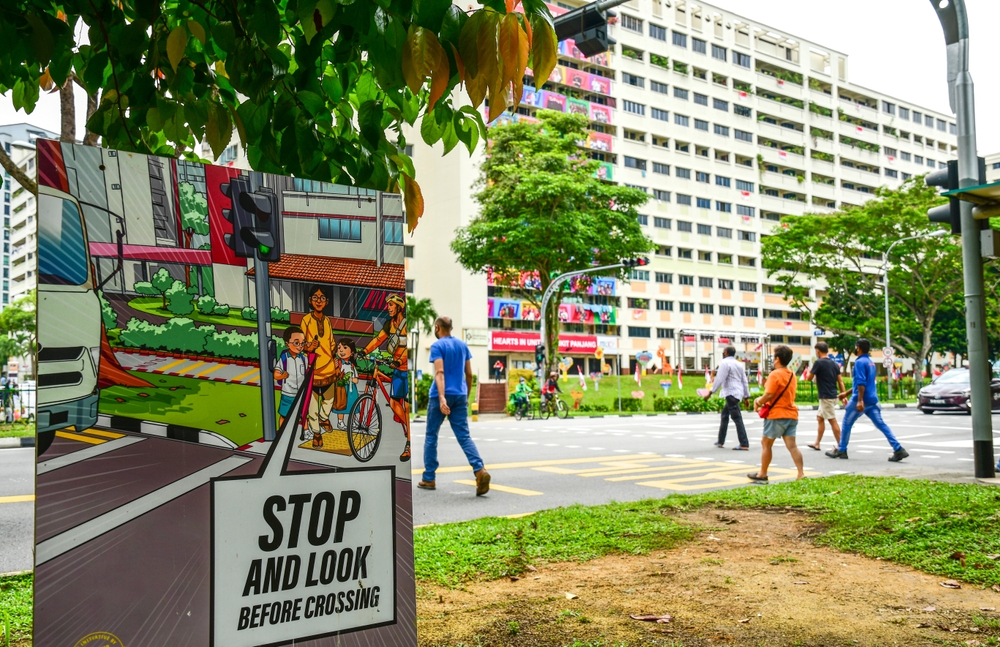 Singapore compresses an enormous amount of human activity into a small amount of space. Hawker centres, MRT exits, and shopping malls pour people onto pavements and into roads at all hours, and drivers navigate this alongside cyclists, delivery riders, and pedestrians who are often moving fast and not always looking. Every driver knows the feeling: someone steps off the kerb without checking, you brake in time, and life carries on. But the margin for error on Singapore’s streets is narrower than it looks. In 2025, more than 9,900 people were killed or injured on the road, the worst toll in a decade, and behind most of those accidents was the same cause: a driver who was not looking carefully enough, for long enough.
Why Pedestrian Safety Matters
Singapore’s roads are not just busy; they are getting more dangerous. According to the Singapore Police Force’s Annual Road Traffic Situation report for 2025, there were 149 road fatalities last year, the highest in a decade. Fatal accidents rose from 139 cases in 2024 to 147 in 2025, and injury-causing accidents climbed from 7,053 to 7,560. In total, 9,955 people were killed or injured on Singapore’s roads in 2025.
Pedestrians bear a disproportionate share of that risk. Elderly pedestrians, who make up just 12.9% of Singapore’s population, were involved in 75% of all fatal traffic accidents involving pedestrians in 2025. Accidents involving elderly pedestrians rose 21.7%, from 203 cases in 2024 to 247 in 2025, and fatal accidents among this group more than doubled, from 11 to 27 cases. The Traffic Police noted that more than half of all accidents in 2025 were caused by drivers failing to keep a proper lookout.
The authorities have responded with a range of measures: Silver Zones in residential areas with high proportions of elderly residents, the Green Man Plus system that gives seniors more time to cross, dedicated cycling lanes, and reduced speed limits in sensitive zones. These initiatives help, but they cannot do the job alone. That falls on drivers.
Perfect The Stop Rule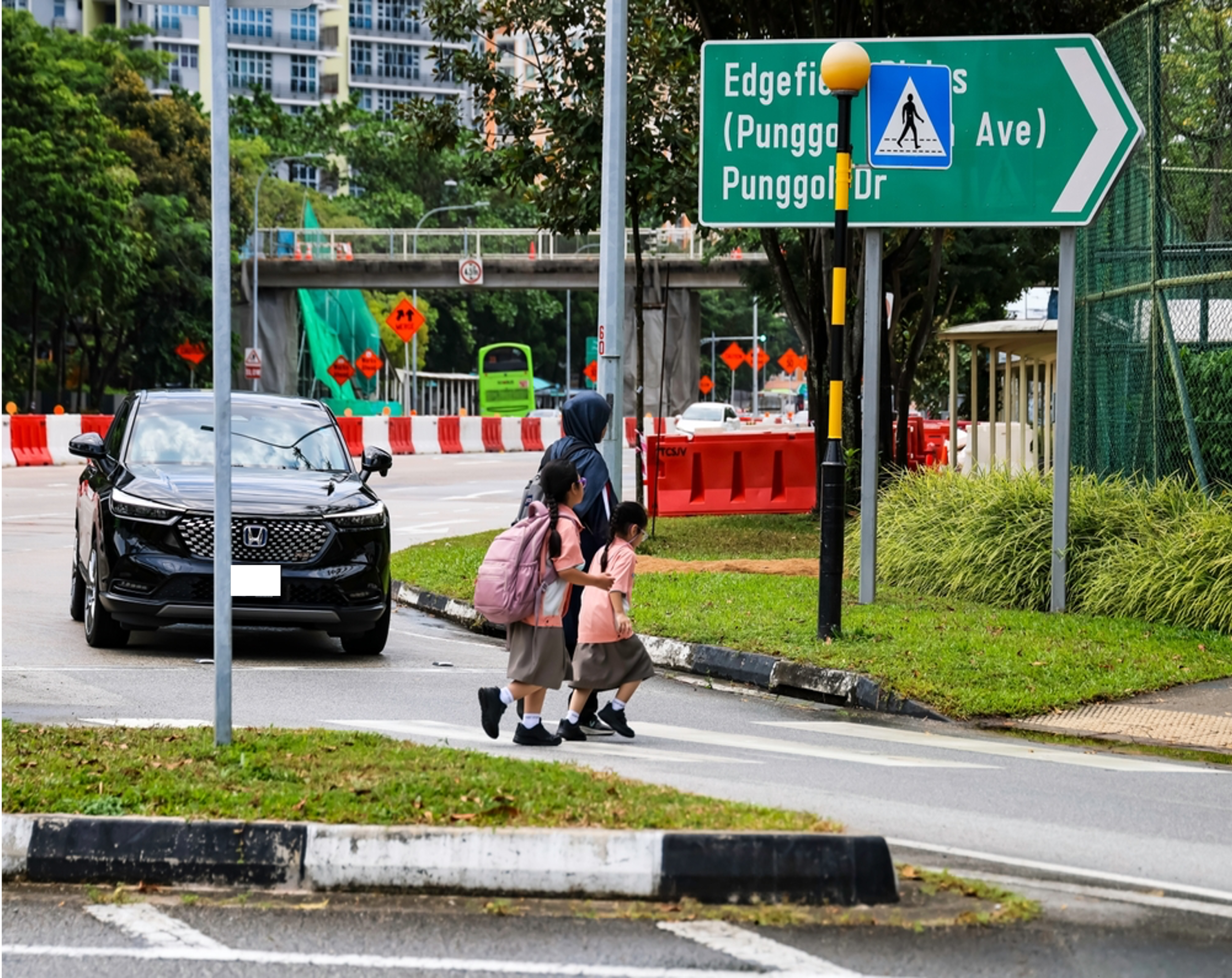
Pedestrians have the right of way at zebra crossings — that is not a courtesy, it is the law. Failing to yield while turning at a pedestrian crossing carries a S$200 fine and 6 demerit points. Committing the same offence within a designated School Zone or Silver Zone raises the penalty to S$300 and 8 demerit points, a difference that reflects the heightened vulnerability of those who use these areas: schoolchildren and elderly pedestrians who are slower to react, less visible, and far less protected in a collision.
When approaching a crossing, stop well back from the line rather than at it. Stopping further back gives pedestrians a clear view of your intentions and gives drivers behind you a better line of sight to the crossing. Once stopped, hold your position and never inch forward while someone is still in your path.
Scan All Directions Constantly
Scanning effectively means keeping your eyes moving continuously: left, right, and straight ahead, not just glancing in one direction. Children and elderly pedestrians can step off a kerb without warning, and mirrors do not catch everything, so turning your head matters. Blind spots are a particular hazard at junctions and in car parks, where pillars, parked vehicles, and tight angles can conceal a pedestrian until they are directly in your path. Before any turn or reversing manoeuvre, physically check the blind spot rather than relying on mirrors or cameras alone.
When it rains, which in Singapore is often, slow down well before you need to stop. Wet roads lengthen braking distances significantly, and a driver who reacts just a second late in dry conditions may not stop in time at all on wet ones. Watch for pedestrian movement near bus stops and parked vehicles, where people tend to step out without checking.
At crossings, making eye contact with a pedestrian waiting to cross can confirm that they have seen your car. It removes guesswork from a situation that would otherwise depend on each party assuming the other will act correctly.
Listen To Road Sounds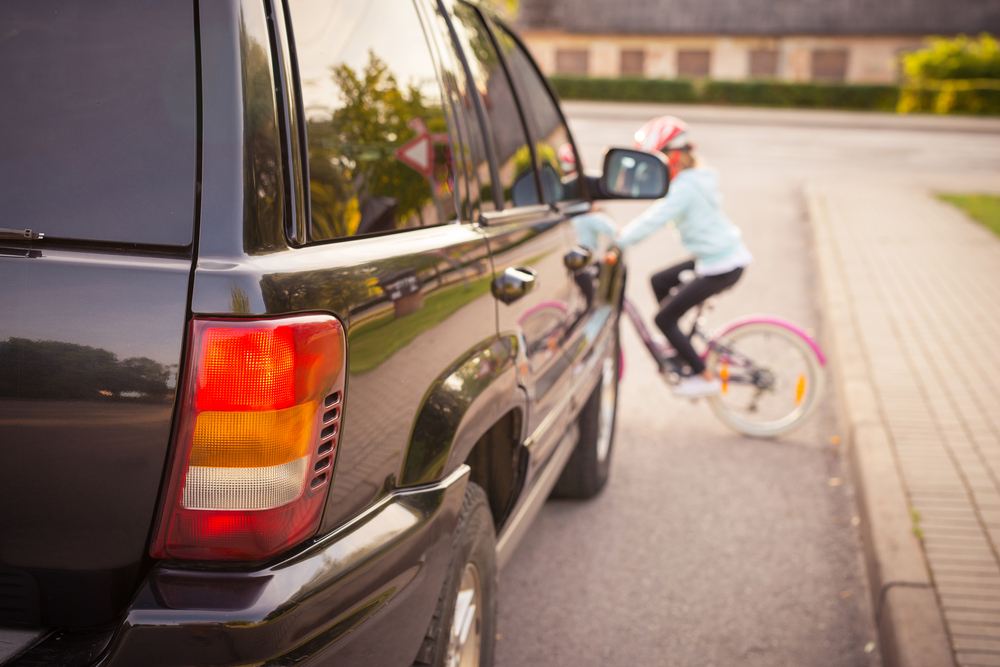
Road awareness is not purely visual. Sound gives early warning of things you cannot yet see — sandals slapping tarmac, a child shouting, a cyclist’s bell, or a horn from the next junction. Keep the music low enough to hear what is happening outside the car, especially when moving through residential areas.
Using a mobile phone while driving effectively cuts off that audio awareness. It occupies your hands, diverts your attention, and stops you from processing what you are hearing. From 8 January 2026, drivers caught using a handheld device at the wheel face a S$500 fine and 12 demerit points, and in quiet HDB estates, that distraction can mean missing the sound of children at play near your path altogether. During ride-hailing pick-ups and drop-offs, keep the engine slow and your ears open.
Manage Speed Effectively
Singapore has designated zones specifically to reduce vehicle speeds near vulnerable road users. School zones cap speeds at 40 km/h. Silver Zones — residential areas with a higher proportion of elderly residents typically apply a 30 km/h limit. The Friendly Streets Initiative, announced in 2023, are near high-footfall areas such as markets, hawker centres and MRT stations, and now carry the same enhanced demerit points and fines as School and Silver Zones.
Speed cameras enforce these limits actively. Drivers caught speeding in these areas face higher fines and additional demerit points on top of the base speeding penalty, and repeated violations risk licence suspension.
Near markets, hawker centres, and void decks, people move unpredictably. They carry bags, stop suddenly, and are often distracted by their phones. Slowing down in these areas is less about the posted limit and more about having enough time to react. At 30 km/h, a car’s stopping distance is roughly nine metres. At 50 km/h, that distance nearly triples.
Drive Smart At Night And In The Rain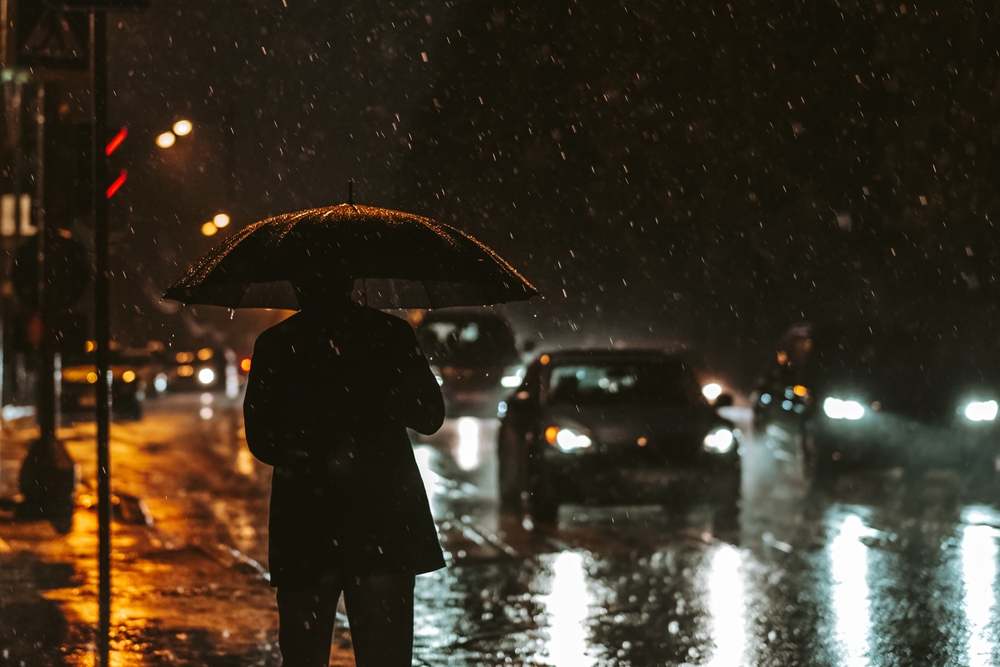
Darkness significantly reduces visibility: studies suggest by as much as 75% compared to daylight conditions. Use dipped headlights when driving near pedestrians, and full beam on open roads with no oncoming traffic ahead. Fog lights can improve visibility in dense fog or heavy rain, but should not be used in normal conditions, as they dazzle other road users.
Rain creates its own set of challenges. Singapore’s tropical downpours can reduce visibility sharply within minutes, making it difficult to spot pedestrians, especially those in dark clothing at night. Wet roads also double typical braking distances, which is why drivers should increase their following distance in the wet, not as a rough estimate but as a firm habit. Near low-lying areas, coastal roads, and industrial ports, fog can settle quickly and without warning.
When your headlights start scattering back at you rather than illuminating the road ahead, that is the signal to drop your speed and extend your following distance well beyond what feels sufficient.
Handle Turns And Junctions Right
Right turns are where pedestrian accidents most commonly happen. When turning right, a driver’s attention goes naturally to the gap in oncoming traffic, which means pedestrians on the far side of the junction can slip out of view into a blind spot. Always check your blind spots before committing to the turn, and slow down enough to stop if someone steps off the kerb.
Left turns carry a different risk: jaywalkers crossing mid-road can appear on your left without warning, particularly near bus stops or markets. Pause, check, then move. At pelican crossings, honour the full countdown: do not start moving the moment the light changes for pedestrians. At multi-lane junctions, another vehicle may be blocking your view of someone still in the crossing. Always double-check that the path is clear before you pull away.
Reverse Without Risk
Car parks near MRT stations and shopping centres are where reversing accidents frequently happen. Children, elderly pedestrians, cyclists, and wheelchair users can all appear from angles that mirrors and even rear cameras do not fully cover. Cameras are useful but have limited fields of view: they are not a substitute for physically turning your head to check.
Before reversing, switch on your hazard lights. This signals to anyone nearby that you are about to move and increases your car’s visibility, particularly in busy car parks where pedestrians may not be watching for reversing vehicles. Then ease back slowly and glance over both shoulders throughout the manoeuvre.
In situations where visibility is genuinely poor: a crowded car park, a tight multi-storey bay, or any spot where your sightlines are blocked, a short tap on the horn can alert someone who may not have noticed you moving. In quiet residential areas where conditions are clear, it is generally unnecessary.
Cut Out Distractions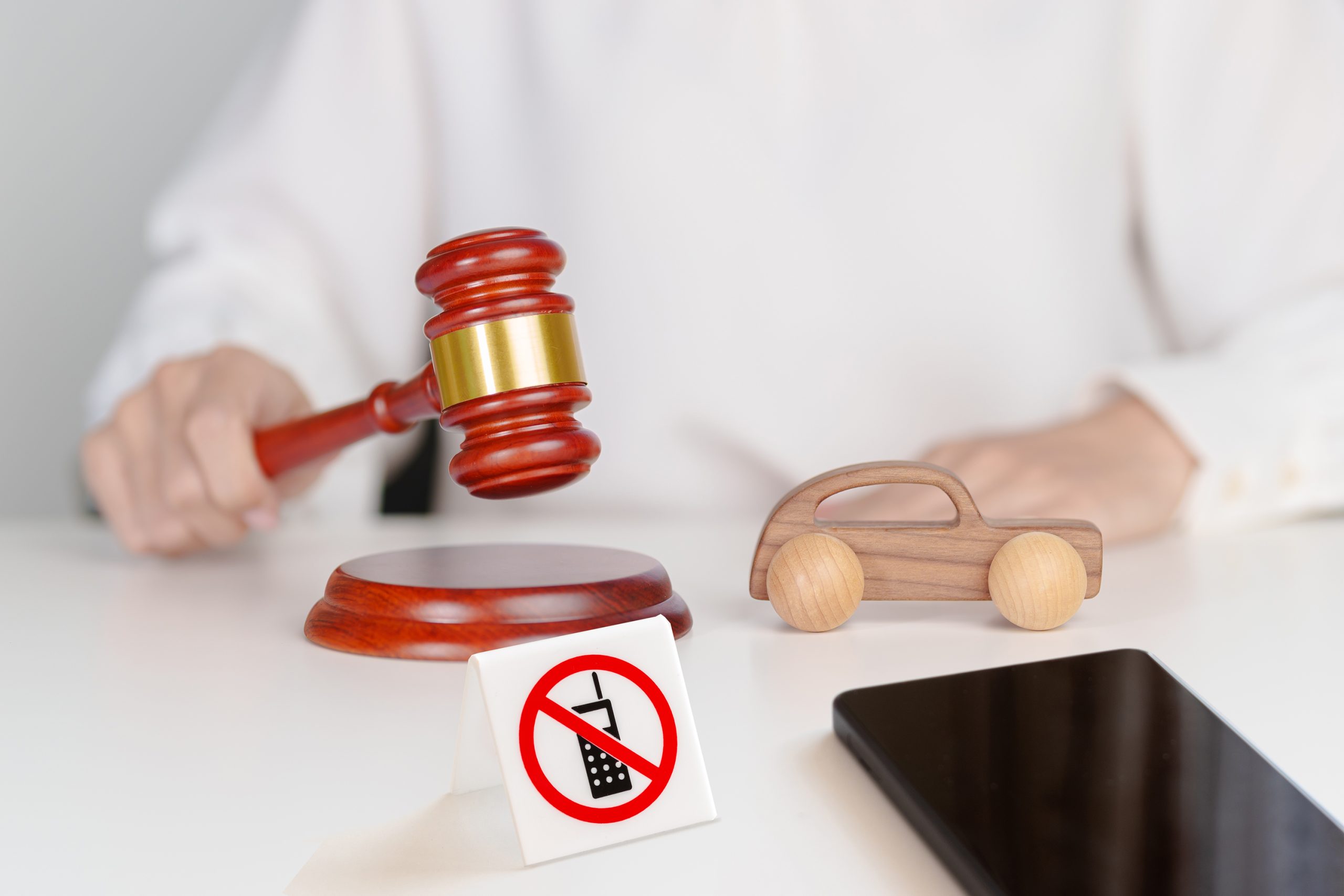
Distraction is one of the leading causes of road accidents globally, and Singapore’s own figures bear this out. Handphone-related driving violations surged by 39.1% in 2025, rising from 3,014 to 4,193 cases, a figure the Traffic Police described as deeply concerning. From 8 January 2026, using a mobile phone while driving will incur a S$500 fine and 12 demerit points. Repeat offenders risk licence suspension.
The solution is simple in principle: deal with your phone before the car moves. Set your navigation, reply to messages, and put the device out of reach. Keep the radio at a volume where you can still hear road sounds. If you are driving with children, sort out any issues before you start, not at a junction or while moving through traffic. Full attention on the road prevents most errors that a distracted driver will not see coming.
Protect Vulnerable Road Users
Some road users need more time and more space than others. Elderly pedestrians move slowly and can have difficulty judging vehicle speed accurately. Children near housing estates are unpredictable: they run, stop suddenly, and do not always check for traffic. Wheelchair users, mobility scooter riders, and PMD users all need clearance on shared paths and near driveways.
Whenever you are near a school, nursing home, community centre, or any area where vulnerable users are likely to be present, ease off the accelerator and be ready to stop. Patience is the simplest safety measure available to any driver.
Face Singapore’s Road Challenges
Pedestrian infrastructure varies considerably across Singapore. In newer HDB towns and commercial districts such as Orchard Road, underground crossings and overhead bridges separate foot traffic from vehicles. In older heartland neighbourhoods, pedestrians are more likely to cross at street level. Stay alert in areas where pedestrian and vehicle traffic interact more directly and adjust your speed and attention accordingly.
Monsoon rains push the usual dynamics further. When walkways flood, pedestrians step onto the road shoulder. Visibility drops, and puddles can hide the edge of pavements. Slow down and give walkers more space than you normally would: a metre of clearance in dry weather becomes two in a downpour.
E-bikes and personal mobility devices are another variable. They travel faster than pedestrians but share pedestrian routes. They can appear from shared paths into the road with little notice, so treat them with the same caution you would a motorcycle. The LTA’s ‘Stop, Look, Listen’ campaign reflects a principle that applies to every interaction between drivers and people on foot: slow down, watch actively, and do not assume.
Use Vehicle Tech Wisely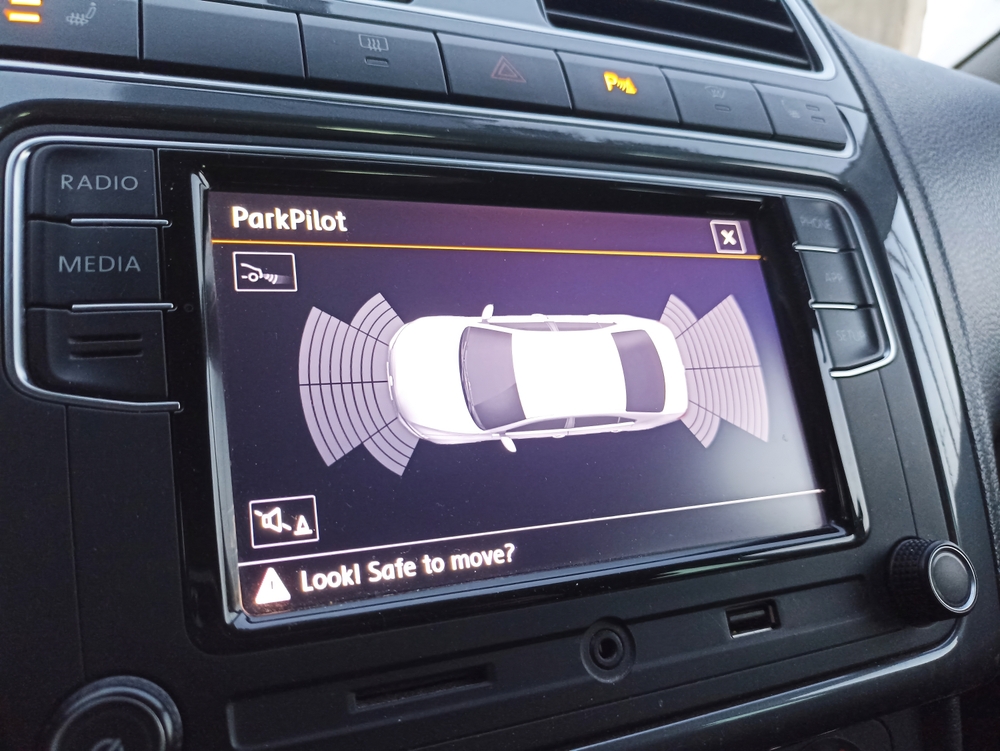
New cars registered in Singapore increasingly come with Advanced Driver Assistance Systems (ADAS), including automatic emergency braking that can detect pedestrians in your path. Night-vision cameras and blind-spot monitoring add another layer of protection. These systems genuinely help, but they are not a replacement for an attentive driver. ADAS can fail to detect a pedestrian until it is too late, and outdated software may not perform as intended. Keep your vehicle systems updated and treat any warning from them seriously rather than overriding it.
Conclusion
Pedestrian accidents are not random. Most follow recognisable patterns: inattention at junctions, excessive speed near crossings, distraction from mobile phones, and failure to check blind spots. Addressing these habits deliberately and consistently is what separates a cautious driver from one who simply gets lucky.
Drivers carry more responsibility than pedestrians on the road because a car does far more damage in a collision. Pedestrians can and do make mistakes: stepping out without looking, crossing on red, walking while distracted, but the consequences when they do fall heavily on drivers who were not watching. Scan 12 seconds ahead, brake smoothly, and signal early enough to give pedestrians time to react. A late indicator gives no one any useful information.
If you want to sharpen your driving skills formally, all three of Singapore’s driving centres offer a Safe Driving Course (SDC) administered by the Traffic Police. Eligible drivers can use the SDC to expunge up to four demerit points from their record. You can find out more and enrol at BBDC, CDC, or SSDC. Safe streets are built one driver at a time.