

Singapore will move to ERP 2.0 from 1 January 2027, bringing a new satellite-based road pricing system and mandatory On-Board Units for most Singapore-registered motor vehicles. Here’s what drivers need to know before the transition.
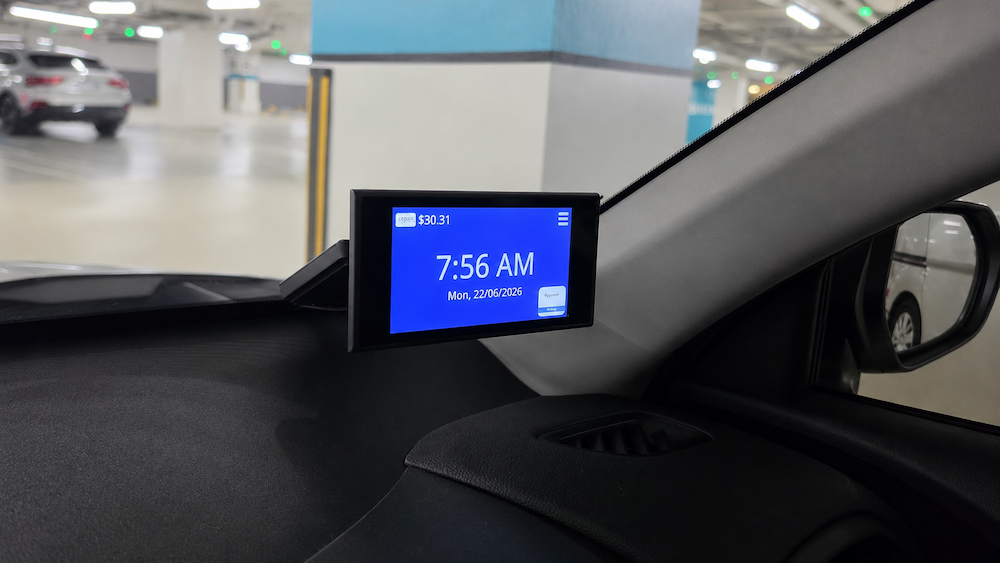
With Singapore set to fully transition to ERP 2.0 on 1 January 2027, many motorists are still wondering what this will mean for their daily commute.
The new system replaces the current gantry network with a satellite-based setup. All Singapore-registered vehicles will also need a mandatory On-Board Unit (OBU).
The new system uses Global Navigation Satellite System (GNSS) technology and will move Singapore away from relying on physical ERP gantries to identify charging locations. All Singapore-registered motor vehicles that are required to use public roads will also need to be fitted with an OBU, unless exempted.
The technology is changing quite significantly. But for most motorists, the way road pricing is experienced is expected to remain largely familiar, at least at the start.
Why Is Singapore Replacing The Current ERP System?
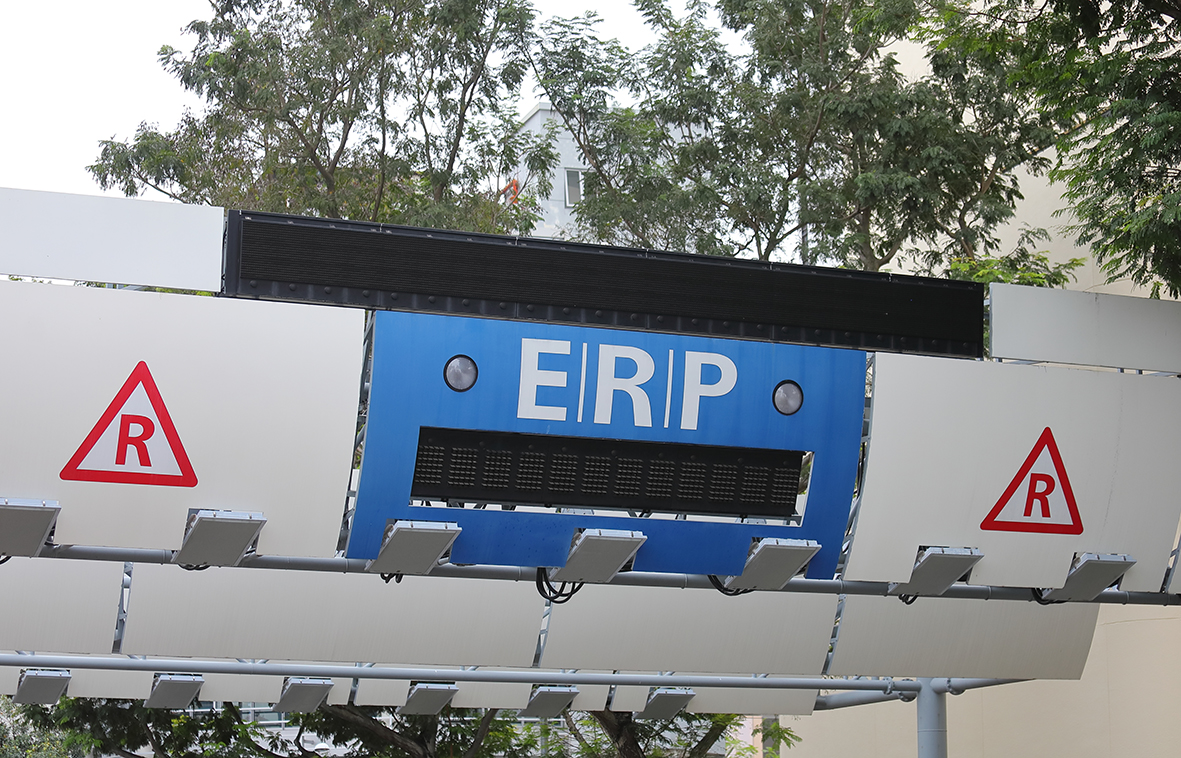
Since 1998, Singapore’s Electronic Road Pricing (ERP) system has helped manage congestion by varying charges according to traffic conditions. The system encourages motorists to make informed travel choices, such as adjusting their travel time, taking a different route or using public transport, helping to keep traffic flowing on busy roads and expressways.
The current gantry system is now reaching the end of its operational lifespan. That is where ERP 2.0 comes in.
The Land Transport Authority (LTA) is introducing a satellite-based system that offers more flexibility in managing traffic and adjusting to future needs. The nationwide transition is scheduled for 1 January 2027.
Will My Daily Commute Change?
For most drivers, daily routines are unlikely to change much immediately.
While ERP 2.0 introduces a new technology platform, the way drivers experience road pricing is expected to remain largely familiar. Charges will still apply at designated locations where congestion management is needed, rather than across an entire journey.
Drivers should not expect charges simply because they travel further or spend more time on the road. For now, ERP will continue to operate as a congestion management tool based on specific roads and locations.
The main change is how the system works behind the scenes. Instead of relying on overhead gantries to detect passing vehicles, ERP 2.0 uses GNSS technology to identify when a vehicle passes through a chargeable location.
What Is The On-Board Unit And Why Is It Needed?
Every Singapore-registered vehicle that is required to use public roads will need to be fitted with an OBU before the transition to ERP 2.0. The OBU replaces the in-vehicle unit used in the current gantry-based system and becomes the main in-car interface for the new system.
It connects to the ERP 2.0 system and displays key information such as ERP charges, parking payments and selected traffic notifications. In some cases, motorists may also be able to use compatible mobile applications for certain functions.
For drivers, this will be the most visible change. The OBU becomes the main device handling ERP payments and related driving information inside the vehicle.
Will ERP 2.0 Introduce Distance-Based Charging?
LTA has stated that there are no immediate plans to introduce distance-based road pricing under ERP 2.0. The current form of congestion pricing will continue for now, with charges applied at specific locations or cordons where congestion management is needed.
While the new platform has the technical capability to support more flexible charging models in future, any major shift in how motorists are charged would require separate policy decisions and public communication.
For now, ERP 2.0 is expected to operate in a way that is broadly similar to the current system from a charging perspective.
What Happens To The ERP Gantries?
One of the key changes under ERP 2.0 is that physical gantries will no longer be needed to detect or enforce charging points.
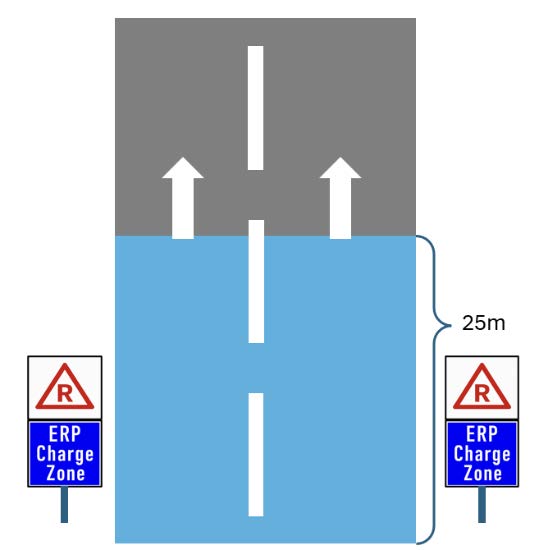
Instead, virtual charging zones can be created using satellite positioning technology, supported by new road signs, road markings and OBU alerts. These alerts will notify motorists in advance of ERP charge locations, provide information on prevailing ERP charges and indicate the amount charged.
It is worth noting that these visual cues below are currently part of LTA’s road sign trial. The final signs and road markings introduced when ERP 2.0 is fully implemented may differ, as LTA is evaluating the effectiveness of the designs before confirming the final versions.
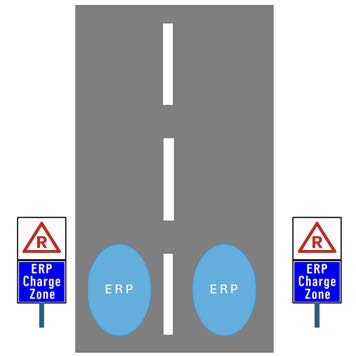
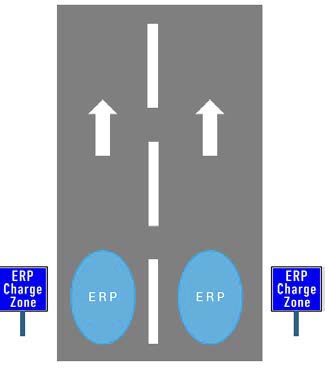

PIE Westbound before Marina Boulevard to MCE
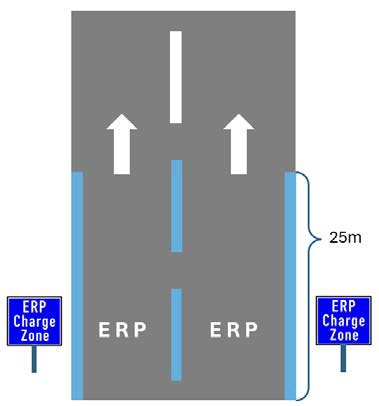
Jurong Town Hall (4 lanes)
(Image Credit: LTA)
This gives LTA greater flexibility to respond to changing traffic patterns, new developments and shifting commuting trends, with charging locations updated digitally instead of through physical construction.
Motorists will still be notified when approaching chargeable locations through road signage and in-vehicle system alerts.
How Should Motorists Prepare?
The most important step is ensuring that the required OBU is installed before the transition deadline.
Drivers should also familiarise themselves with the new interface and understand how ERP transactions and notifications will be displayed. Those who prefer not to rely on the touchscreen unit can explore mobile application options provided by LTA.
It is also useful to check that your payment method is working properly. While ERP and parking payments can continue to be deducted electronically, motorists should keep a CEPAS-enabled card within reach for private carparks that do not support Electronic Parking System payments.
For most motorists, the main adjustment will be the installation and use of the OBU. Beyond that, day-to-day driving is expected to remain familiar.

Frequently Asked Questions
- Will ERP 2.0 charge me based on distance travelled?
LTA has stated there are no immediate plans for distance-based charging. - Will ERP charges disappear?
ERP remains a congestion management tool, although it will no longer rely on physical gantries. - Is my driving data publicly accessible?
LTA said that vehicle-specific data is used for payment and enforcement purposes, while aggregated and anonymised data supports transport planning.