

Carparks feel safe because the speed limits are low, but that sense of safety is misleading. From distracted reversing to blind-spot collisions, accidents in multi-storey, basement and open-air car parks are more common than most drivers realise. Here’s what causes them — and how to avoid becoming a statistic.
A False Sense Of Security 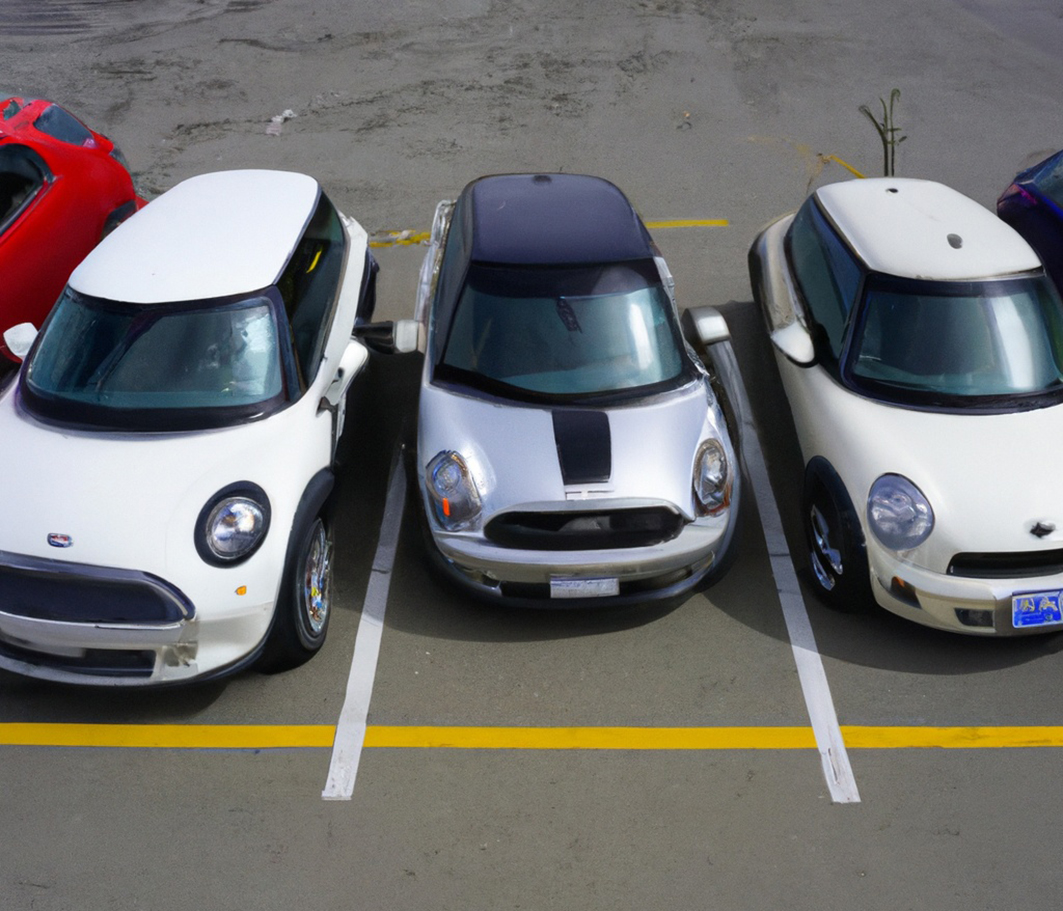
Most drivers think of car parks as low-risk zones. The speed limits are low, the distances are short, and there is no oncoming traffic to worry about. But that comfort can be dangerous.
Globally, around one in five vehicle accidents occurs not on the open road but in parking lots and garages. In the United States alone, tens of thousands of car park crashes happen each year, resulting in over 60,000 injuries and more than 500 deaths annually, despite the low speeds involved.
Singapore is not immune to the same dynamics. Car parks here, from HDB multi-storey blocks to shopping mall basements, see their share of collisions, scrapes and near-misses every day. The design of most car parks does not help. Tight bays, blind corners, narrow ramps, and heavy pedestrian traffic create a challenging environment. Factor in drivers who’re distracted, rushing, or simply not paying attention, and accidents become almost predictable.
Distracted Driving Is The Leading Cause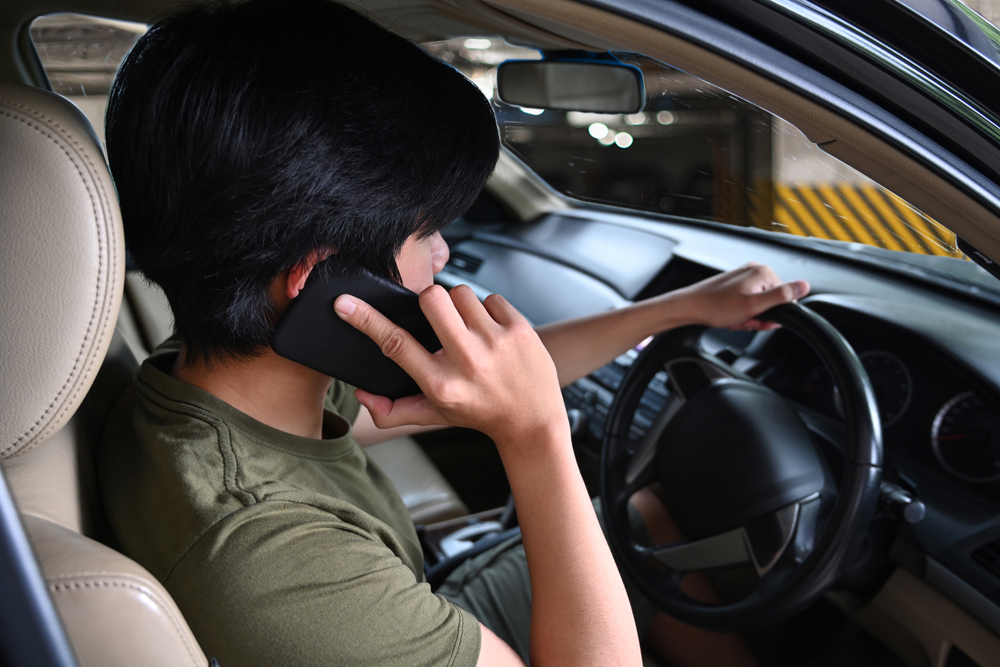
The biggest culprit is distraction. A survey by the US National Safety Council found that two-thirds of drivers admit to making phone calls while navigating parking lots, while more than half say they text. Over 60% programme their GPS systems on the move, and around half use social media or send emails. Singapore-specific data on carpark distraction is limited, but the pattern mirrors broader local trends: Singapore’s Traffic Police have noted distraction as a leading cause of road accidents, with fatality-causing accidents rising 63 per cent between 2020 and 2023.
These figures suggest that drivers do not switch off just because they have pulled into a car park. If anything, the slower speed makes them feel like they can afford to look away. They cannot!
In Singapore, where car parks are often shared by cars, motorcycles, goods vehicles, cyclists and pedestrians, a moment of inattention can have serious consequences. A child walking between parked cars, a motorcyclist filtering through a tight lane, or a car reversing out unexpectedly — any of these can turn a distracted driver’s lapse into an accident.
Reversing Is Where Most Accidents Happen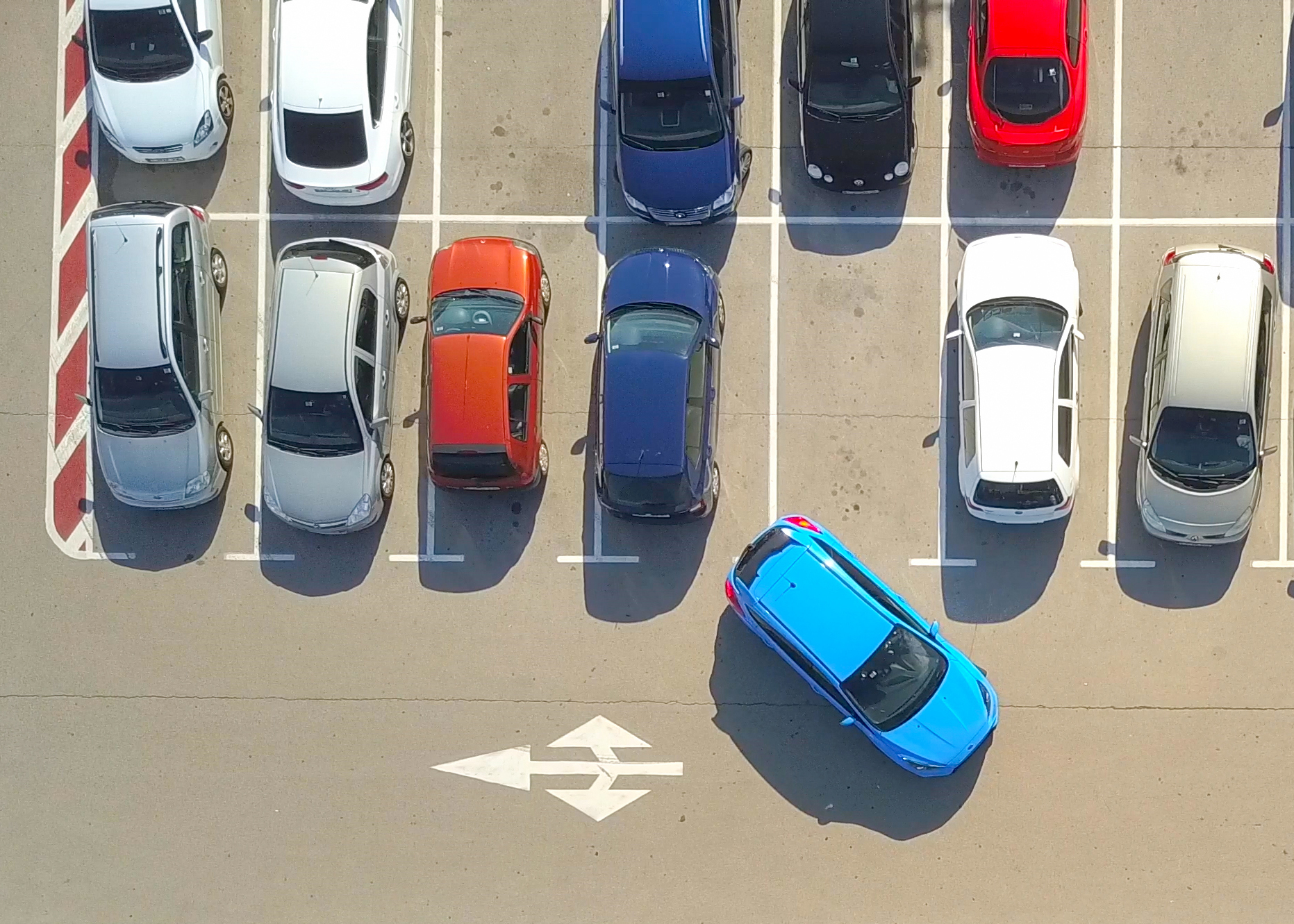
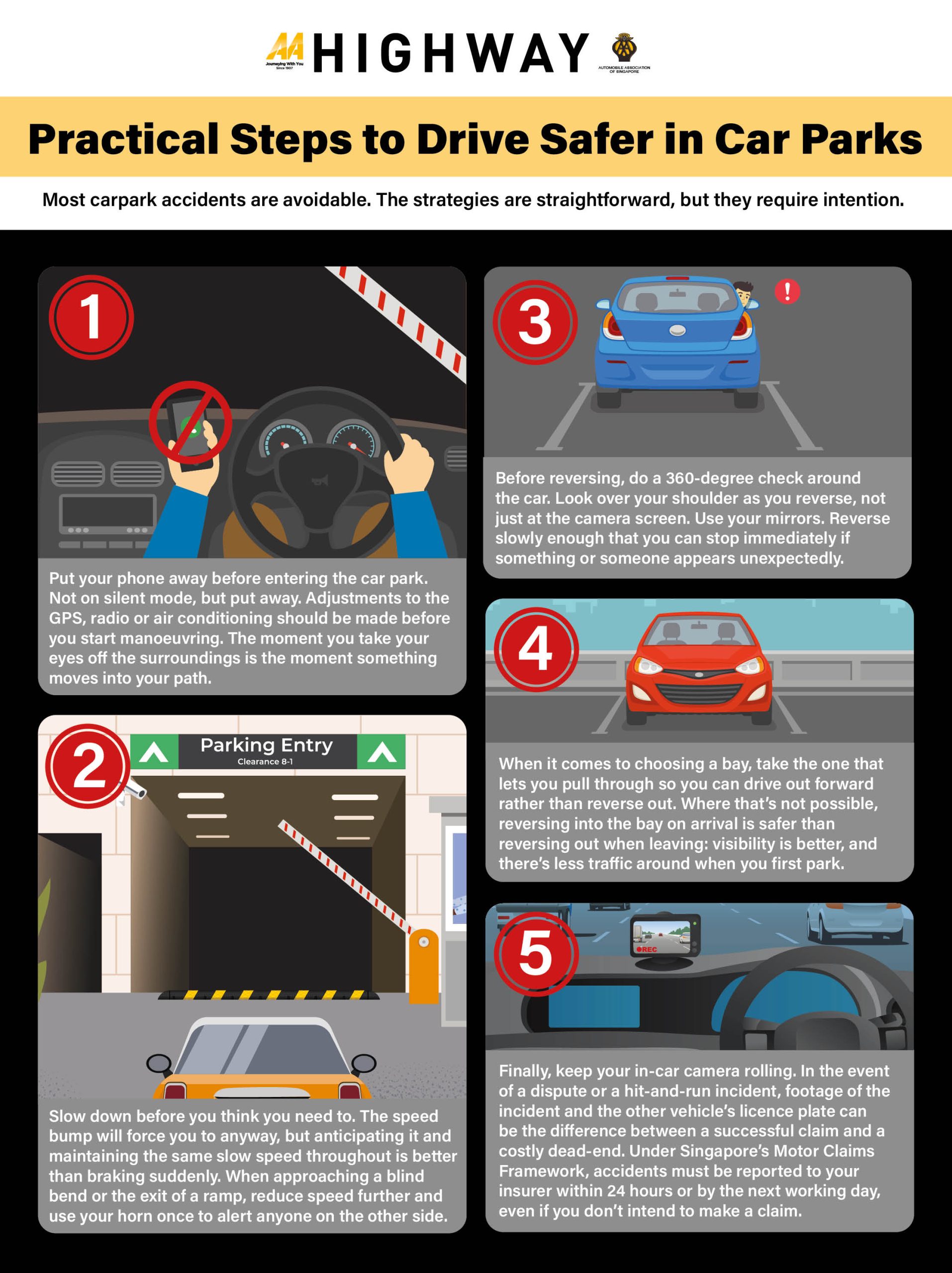
Reversing out of a parking bay is the moment of highest risk. Around 25% of car park accidents in the US involve vehicles backing up, and it’s easy to understand why. The view from a reversing car is restricted. Mirrors and backup cameras help, but they don’t eliminate blind spots, and most drivers reverse too quickly, leaving too little time to stop when someone steps into their path.
The challenge is compounded by the fact that other vehicles are often moving at the same time. As neither driver can see the other until it is too late, two cars reversing simultaneously out of facing bays is one of the most common causes of minor collisions in carparks. Backup cameras, now standard in many new cars, have improved the situation but they’re not a substitute for turning your head and checking your blind spots physically before and during reversing. Technology assists; it doesn’t replace awareness.
Speed On Ramps And In Lanes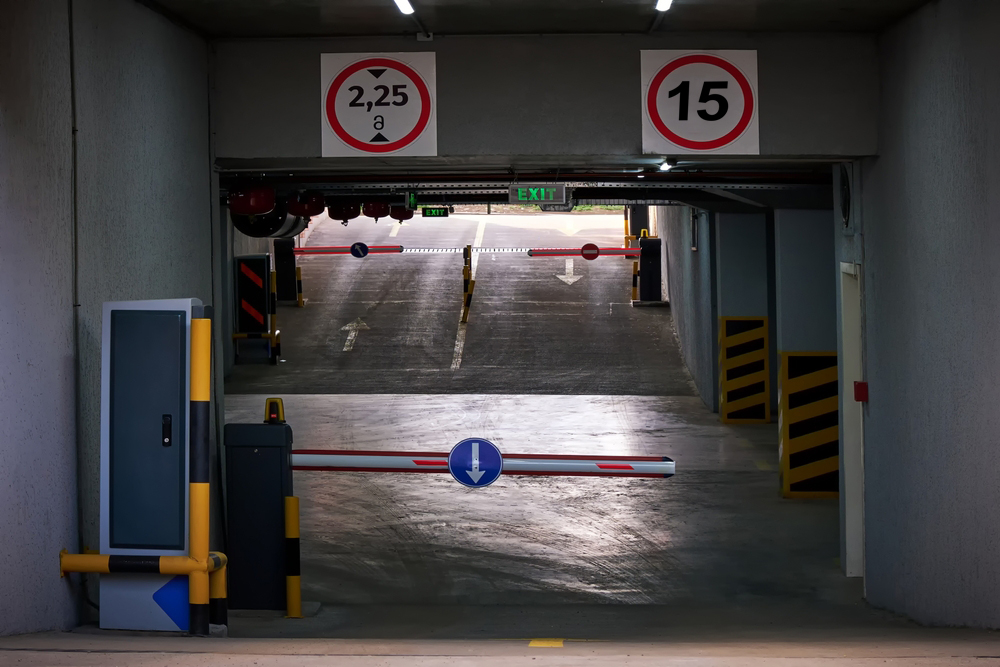
In Singapore, car parks typically impose a speed limit of 15km/h, enforced mainly through speed bumps rather than cameras. It’s a low cap, but some drivers ignore it, especially on descending ramps.
A video that circulated on social media in late 2025 illustrated this vividly. A car was filmed descending a multi-storey carpark ramp at an excessive speed before T-boning a vehicle crossing the lower level. The impact pushed the second car into two more parked vehicles, damaging four cars in total. The original report did not confirm injuries or the cause, though onlookers speculated about a mechanical fault. Either way, the consequences were serious.
Car park lanes are usually narrow, with limited sightlines at intersections. At 15km/h, the lanes already feel tight. Above that speed, reaction time shrinks further, and accidents become highly likely. Treat the speed limit as a ceiling, not a suggestion.
Limited Visibility At Intersections And Blind Corners 
Many car parks, particularly in older HDB blocks and commercial basements, have limited sightlines at internal intersections. Pillars, walls and the cars themselves block the view. A driver emerging from a bay cannot always see what’s coming down the lane. A pedestrian stepping out from between parked cars is invisible until they are directly in front of a vehicle.
Limited visibility is a recognised contributing factor to car park accidents. The solution is not complicated: turn your headlights on when visibility is poor or lighting is dim; slow down before corners; sound your horn briefly when approaching a blind bend; wait a beat before pulling out of a bay. These are small habits that reduce risk significantly.
Some newer car parks address this through convex mirrors mounted at key intersections. If you see one, use it. They exist for a reason.
Pedestrian Risk Is Underestimated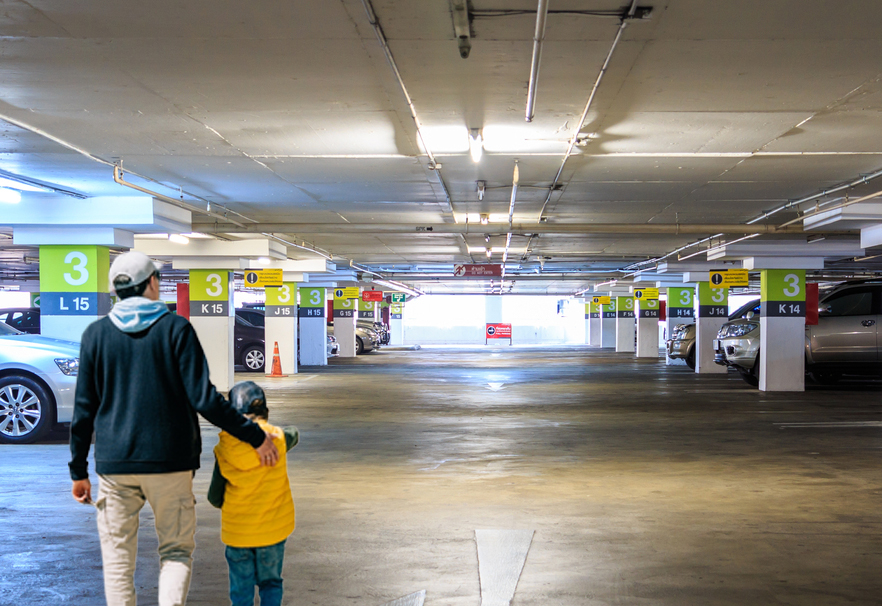
Pedestrians are particularly vulnerable in car parks. About 9% of pedestrian deaths in the US in parking lots result from backup incidents, often because the driver simply did not see the person behind them. Drivers can cut this risk by doing a full visual check around the car before reversing, moving slowly, and not relying solely on the backup camera. Children are at even greater risk because they are shorter and harder to spot.
Pedestrians also play a role, and not always a careful one. Walking down the middle of a car park lane, stepping out from between cars without looking, or being absorbed in a phone while crossing — these all increase the chance of being struck. In a shared space like a car park, everyone — whether on foot or behind the wheel — needs to stay alert.
If you’re walking through a car park, keep to the sides of lanes where possible. Make eye contact with drivers before crossing in front of them and never assume that they’ve seen you. When moving between decks on foot, use the stairs or lifts rather than walking along the vehicle ramps. Ramps are for cars, and drivers on them have very little time to react to a pedestrian.
Small Spaces Deserve Full Attention
Car parks reward patience and punish haste. The layout is tight, the movements are unpredictable, and the mix of vehicles and pedestrians leaves little room for error. Yet most drivers treat them as an afterthought, something to get through quickly on the way to the real destination.
A small shift in mindset changes that. Slow down, put the phone away, check your surroundings, and give way. These are not complex behaviours; consistently applied, they make car parks significantly safer for everyone using them, including you.