

Losing your passport or important documents in a foreign country can turn a good trip into a stressful ordeal. A bit of preparation before you leave home, and some sensible habits on the road, can make all the difference
 Every experienced traveller has a story. A passport lifted from a hotel room, a bag that was snatched in a crowded market, or a phone lost on public transport, along with every digital copy of every document stored on it. These things happen more often than people expect, and the consequences can be severe: missed flights, unplanned expenses, and days spent navigating a foreign bureaucracy to get home.
Singapore is one of the world’s most travelled nations. Singaporeans take millions of trips abroad each year, for business, leisure, and family visits. Yet many travellers still leave home without even basic precautions in place. That is not about being paranoid. It is about being practical. Knowing what to do before something goes wrong, and having a plan ready if it does, can save you a great deal of trouble abroad.
Before You Leave: Copy Everything
The most important thing you can do before any trip is to make copies of your key documents. This includes the data page of your passport, any entry visas, your travel insurance policy, your flight itineraries, and your accommodation bookings. Keep one set of physical copies separately from the originals and store them in a different bag or a separate compartment of your luggage. Leave another set with a trusted person at home.
Digital copies are just as important. Scan or photograph each document clearly and upload the files to a secure cloud storage service such as Google Drive, iCloud, or Dropbox. Protect your cloud account with a strong, unique password and enable two-factor authentication. Some travellers also email copies to themselves as a backup.
The goal is simple: if everything physical is lost or stolen, you can still access your information from any internet-connected device. This alone can significantly speed up the process of getting emergency documents issued.
Protecting Your Passport On The Road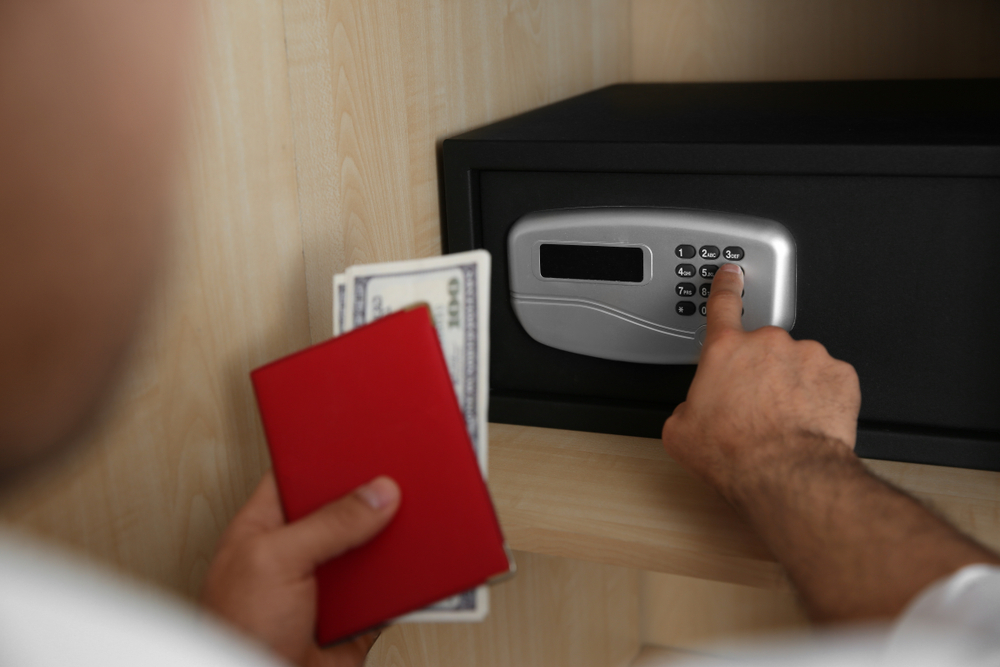
Your passport is your most critical travel document. In many countries, it is the only form of identification that authorities will accept, particularly at border crossings or when dealing with police. Losing it can mean days or even weeks of delays while emergency travel documents are arranged through your country’s embassy.
When you are out sightseeing or going about your day, avoid carrying your original passport unless you genuinely need it. Many destinations allow a certified copy to serve as day-to-day identification, while your original stays locked away. But check the rules for your specific destination before you leave. Several European countries, including Germany and Spain, legally require you to carry your passport at all times. If that applies to where you are going, carry the original and store your copy separately as a backup. If you are travelling with a tour operator, leave a copy of your passport with them too. It gives you another point of contact if things go wrong.
If your hotel room has a safe, use it. Be aware, though, that in-room safes are not always reliable as many have factory-set codes that were never changed by the property. A portable travel safe with a combination lock is a more secure option. For daily outings, a slim money belt worn under your clothing is one of the safest ways to carry your passport and cards without drawing attention.
Securing Your Digital Information
Protecting your physical documents is only half the job. Your digital information needs just as much care.
Public Wi-Fi networks in airports, cafes, and hotels are convenient but inherently risky. Avoid using them to access banking apps, email, or anything that involves a password or personal data. The simplest solution is to use your mobile data instead, particularly for sensitive tasks. International roaming costs more, but it is far more secure than public Wi-Fi and worth the extra expense when your financial accounts and personal information are involved.
Travel eSIMs are worth considering too. Unlike a physical SIM, an eSIM is installed digitally onto your phone before you leave, letting you activate a local data plan the moment you land. Most Singapore telcos offer travel eSIM plans for a range of destinations. Check your provider’s website for current options and coverage. If mobile data is not an option, use a VPN, which encrypts your internet connection and significantly reduces the risk of someone intercepting your data. Affordable and easy-to-use VPN apps are widely available for both Android and iOS.
Set strong, unique passwords for all your accounts, and enable two-factor authentication wherever the option exists. If your phone is lost or stolen, a strong lock screen PIN combined with remote wipe functionality, available through Google’s Find My Device or Apple’s Find My, can prevent a thief from accessing your personal information. On a similar note, be mindful about what you share on social media while travelling. Posting your hotel address, boarding pass, or real-time location can provide useful details to the wrong people.
What To Do If Your Passport Is Lost Or Stolen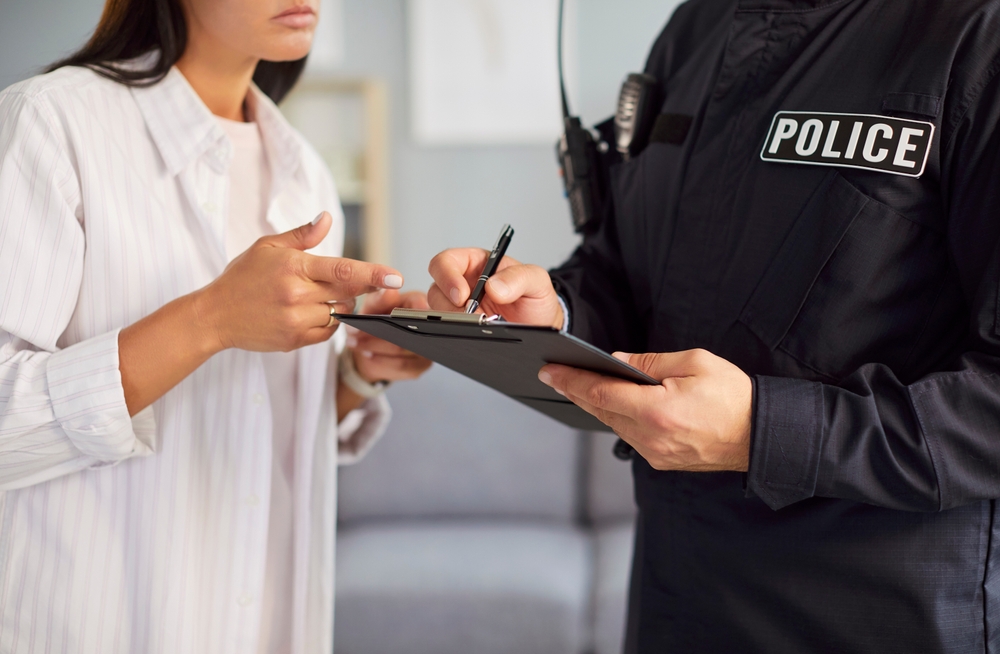
A police report is the first document most embassies require before they issue any emergency travel papers. Without it, the process cannot move forward. Go to the nearest police station as soon as the loss is discovered, even if it takes time. Keep a note of the report reference number and ask for a written copy.
Next, contact your country’s nearest embassy or high commission. For Singaporeans, the Ministry of Foreign Affairs (MFA) operates a 24-hour duty line for consular emergencies abroad: +65 6379 8800. The MFA website also maintains a full list of Singapore’s overseas missions. Save this number on your phone before you leave, along with the contact details of the mission closest to where you are travelling.
Singapore currently maintains around 50 overseas missions. In regions where there is no Singapore mission, such as parts of Central Asia, West Africa, and the Pacific, contact the MFA duty office directly at +65 6379 8800. They can remotely verify your identity and arrange for a Document of Identity (DOI), a temporary emergency travel document that allows you to make a one-way return to Singapore.
The DOI is applied for online via ICA’s e-Service or through the nearest mission, costs S$15, and typically takes at least one working day to process. You do not need a physical passport to apply, but you will need some form of identity proof, such as a photo of your NRIC or driving licence. Travel insurance with emergency assistance cover helps with the costs that can pile up during this process: extra hotel nights, last-minute flight changes, and transport to the nearest mission if it is in a different city or country.
Travel Insurance: Do Not Leave Without It
Travel insurance is not exciting, but it is one of the most practical purchases you can make before any trip. Buy it as soon as you book, not just before you travel. Purchasing early means you are covered for trip cancellations or medical emergencies that occur before departure, not only once you are on the road. A comprehensive policy will cover emergency document replacement, trip cancellation, medical expenses, and loss of personal belongings. Read the terms carefully, though. Some policies will not pay out if items were left unattended, which can include leaving a bag at a restaurant table.
The Singapore MFA strongly recommends that all Singaporeans travelling abroad take out travel insurance before departure. MoneySmart, an MAS-licensed financial comparison platform, maintains a regularly updated guide on travel insurance plans available in Singapore, with side-by-side comparisons of coverage and premiums. Compare a few options before you buy, since premiums and coverage vary considerably between providers.
Simple Habits That Cost Nothing
Some of the most effective precautions are also the simplest.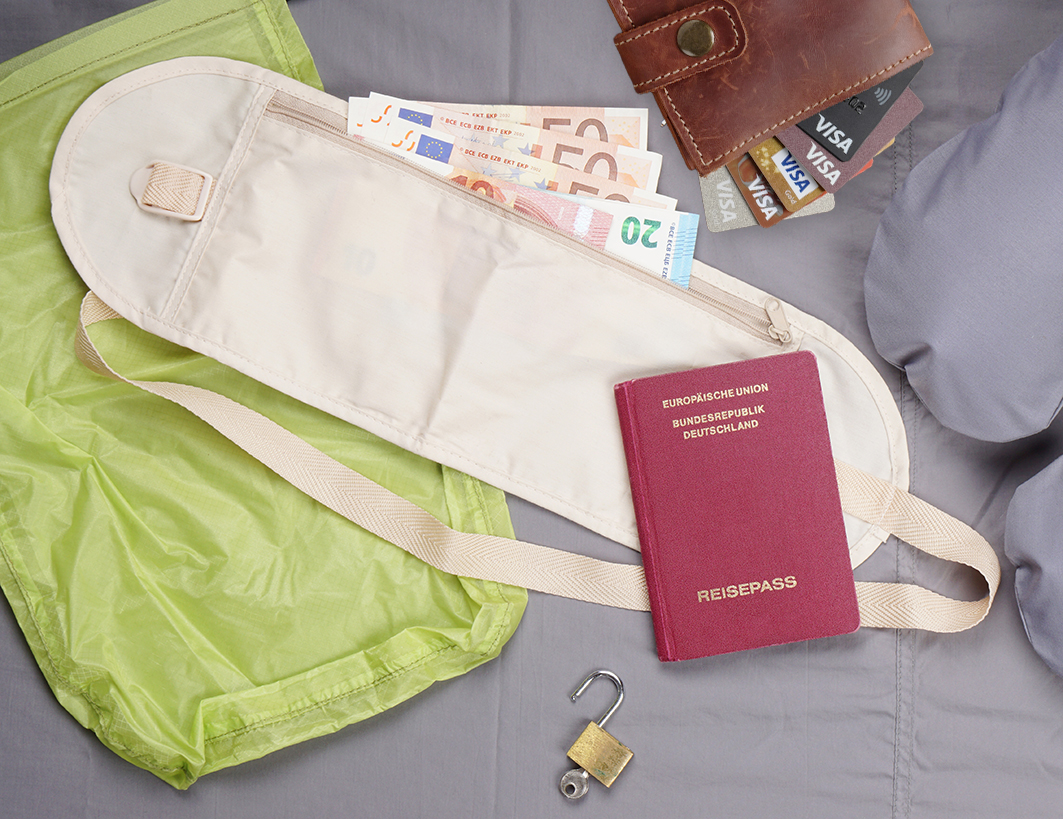
-
- Split your cash and cards between different bags or pockets. If one is taken, you are not left completely stranded. Keep a small emergency fund in a separate location from your main wallet. Even a modest sum can cover a taxi or a meal while you deal with a bigger problem.
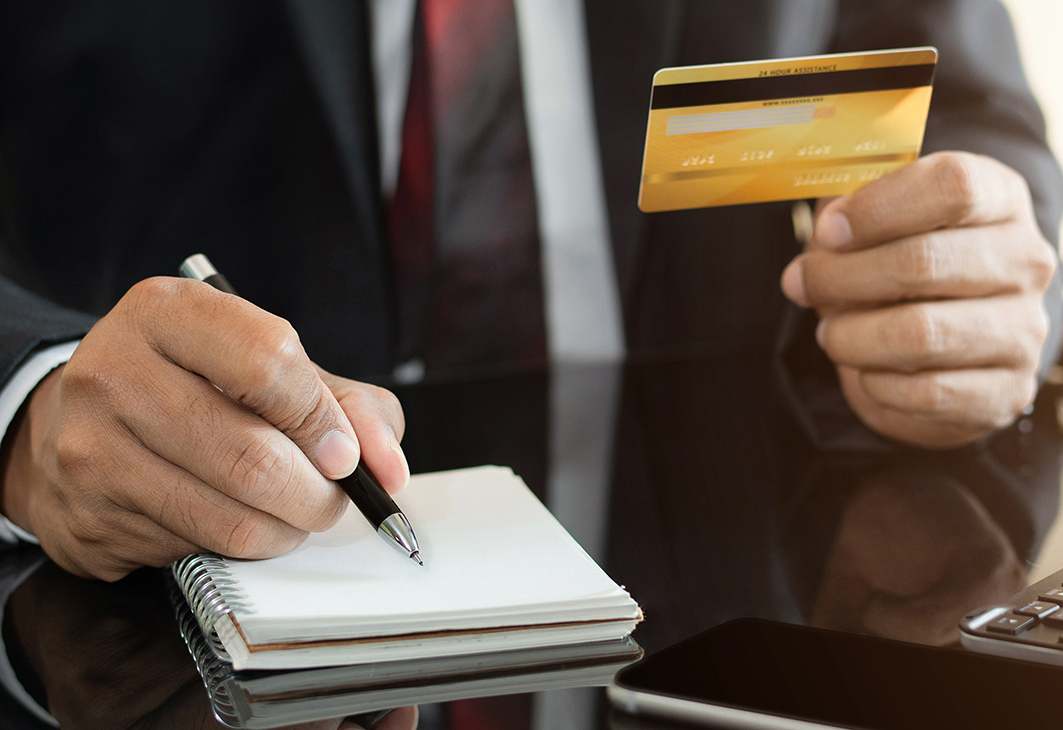
- Write down the numbers of your bank cards and keep that note somewhere separate from the cards themselves. Also note the international contact numbers for your bank, since the number printed on the back of your card often does not work when dialled from abroad. Most banks have dedicated international helplines. Look these up before you travel and store the numbers in your phone.

- Finally, register your trip with the MFA eRegister before you leave. It is a free, voluntary service from the Ministry of Foreign Affairs that allows the MFA to contact Singaporeans if an emergency arises in their destination country, such as a natural disaster or civil unrest. Registration takes only a few minutes and can be done via eregister.mfa.gov.sg using Singpass.
- Split your cash and cards between different bags or pockets. If one is taken, you are not left completely stranded. Keep a small emergency fund in a separate location from your main wallet. Even a modest sum can cover a taxi or a meal while you deal with a bigger problem.
Not Bad Luck, But Bad Habits
Most travel document problems are preventable. They are rarely the result of bad luck alone; they are usually the result of habits that could have been changed before departure. Make copies of your documents, secure your digital accounts, use your hotel safe, buy proper insurance, and know who to call if something goes wrong. None of this takes long. But it can save you days of stress and significant expense if the unexpected happens. Travel well. And travel prepared.