

Most of us know that sleep matters, but few of us treat it with the same urgency as we do diet or exercise. When it comes to driving, that gap could be deadly.
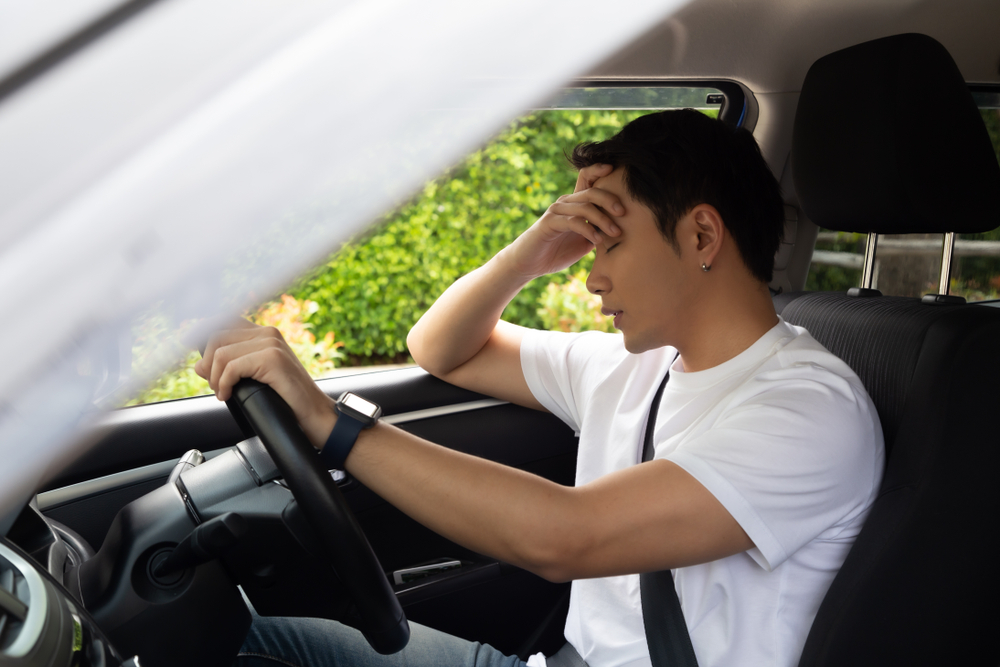 There’s a lot of advice out there about how to be a safer driver. Slow down, keep a safe following distance, check your mirrors, and avoid distractions. But one of the most important factors rarely comes up in that list: how much sleep you got the night before.
The One Habit Drivers Overlook
Singapore is one of the most sleep-deprived countries in the world. A 2024 YouGov survey spanning 17 countries found that at least 56% of Singaporeans sleep fewer than seven hours a night. That’s among the lowest rates globally, compared to a global average of around 6.8 hours per night. Research by the Lee Kuan Yew School of Public Policy has ranked Singapore among the three most sleep-deprived cities in the world, with only one in four adults getting more than the recommended hours. And yet, sleep deprivation is rarely treated as the public safety issue it is.
The consequences go far beyond feeling tired. Poor sleep directly impairs the skills needed to drive safely: attention, reaction time, and the ability to make quick decisions. This article looks at why that matters, and what the research actually says.
What Happens To Your Brain When You Skip Sleep
The American Academy of Sleep Medicine and the Sleep Research Society recommend that adults get at least seven hours of sleep per night. Sleep less than that is associated with weight gain, high blood pressure, heart disease, stroke, depression, and a significantly higher risk of accidents.
Sleep is when the brain consolidates memories, clears waste products, and resets cognitive function. Without enough of it, the effects on the brain are measurable and fast. A study published in Nature Neuroscience found that even a single night of lost sleep causes attentional failures, where the brain slips into brief sleep-like episodes during waking hours. These lapses are involuntary. You cannot simply decide to push through them. Research published in Frontiers in Neuroscience confirms that sleep deprivation impairs attention networks, executive function, and alertness. It slows your processing of visual information, reduces your accuracy, and makes your responses less consistent. These are exactly the functions driving demands.
The Reaction Time Problem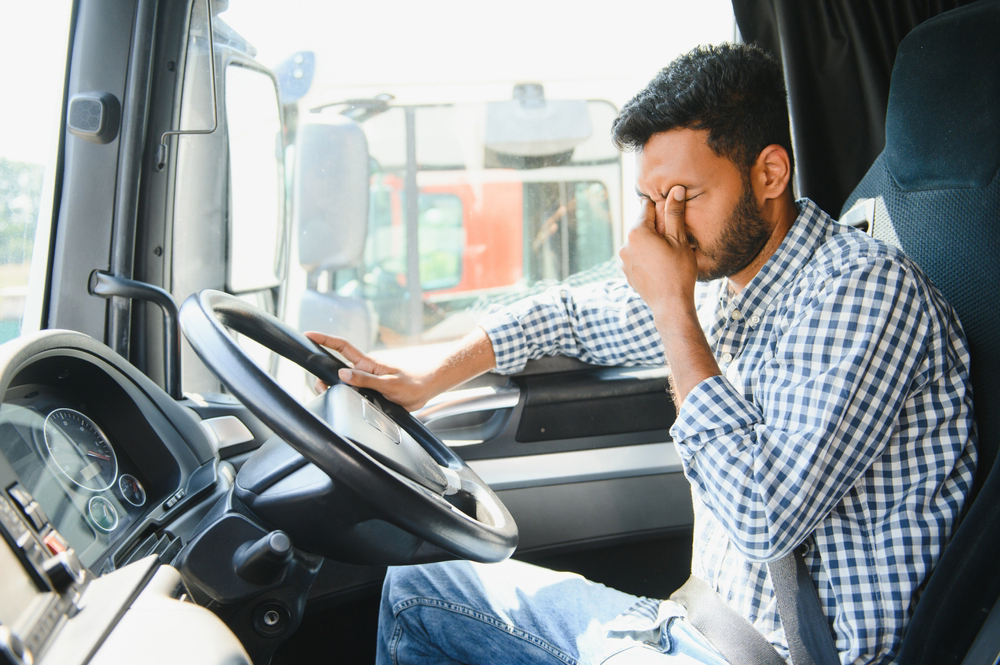
One of the clearest ways sleep deprivation affects driving is through reaction time. When you’re sleep-deprived, you’re slower to respond to hazards, less accurate when you do respond, and more likely to miss threats entirely.
The Sleep Foundation notes that sleep loss increases reaction times and leads to dangerous practices such as lane drifting. Research on vigilance testing shows that sleep deprivation causes an overall slowing of responses and increases the likelihood of lengthy lapses, defined as delays of more than 500 milliseconds, which is enough time to miss a brake light, a child stepping off a kerb, or a car cutting in.
As cited in Scientific Reports, a study that tested drivers on a closed-loop track after total sleep deprivation found that 42% of drivers required instructor intervention due to an impending safety event. Younger drivers committed seven times more lane departures and were involved in 11 times more near-crash events than their rested baseline. The study found that younger adults are significantly more vulnerable to sleep loss than older drivers, likely because their brains show greater objective sleepiness even when they feel subjectively similar. This matters because younger drivers already make up a disproportionate share of road crash casualties globally.
As Dangerous As Drink-Driving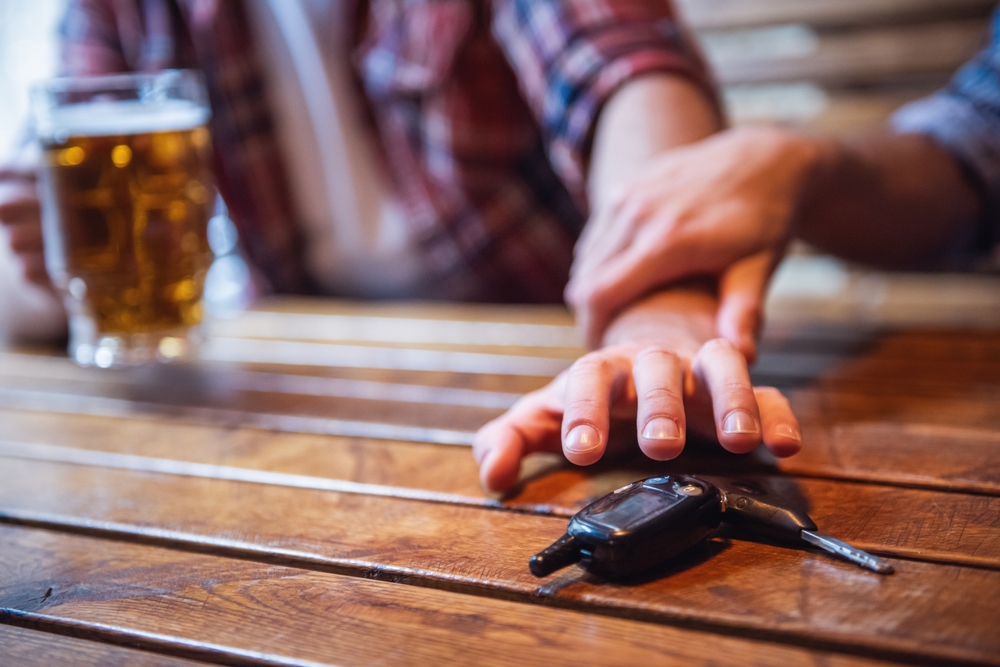
The comparison to alcohol impairment is not an exaggeration. British researchers have found that driving after 17–18 hours of being awake is like driving with a blood alcohol level of 0.05%, which is the legal limit in many European countries. Ironically, most people would hesitate to get behind the wheel after a few drinks, but think nothing of driving after a near-sleepless night.
A 2017 meta-analysis cited by Wikipedia’s Drowsy Driving entry found that driving while sleepy was associated with roughly two and a half times the risk of a motor vehicle collision. The AAA Foundation for Traffic Safety estimates that drowsy driving is involved in 16–21% of all fatal crashes in the United States of America, likely an undercount since drowsiness is notoriously difficult to detect after a crash.
A review published in ScienceDirect notes that crashes caused by sleep deprivation tend to be more severe because drivers are often unable to brake or take corrective action before impact. In a typical crash, a driver who is alert will brake or swerve before impact. Skid marks on the road are evidence of that. When there are none, it tells investigators that the driver did not react at all, which is consistent with microsleep or a full loss of consciousness at the wheel. There are no skid marks. The car does not slow down. That’s the signature of a driver who was not there mentally when it mattered.
Microsleep: The Silent Danger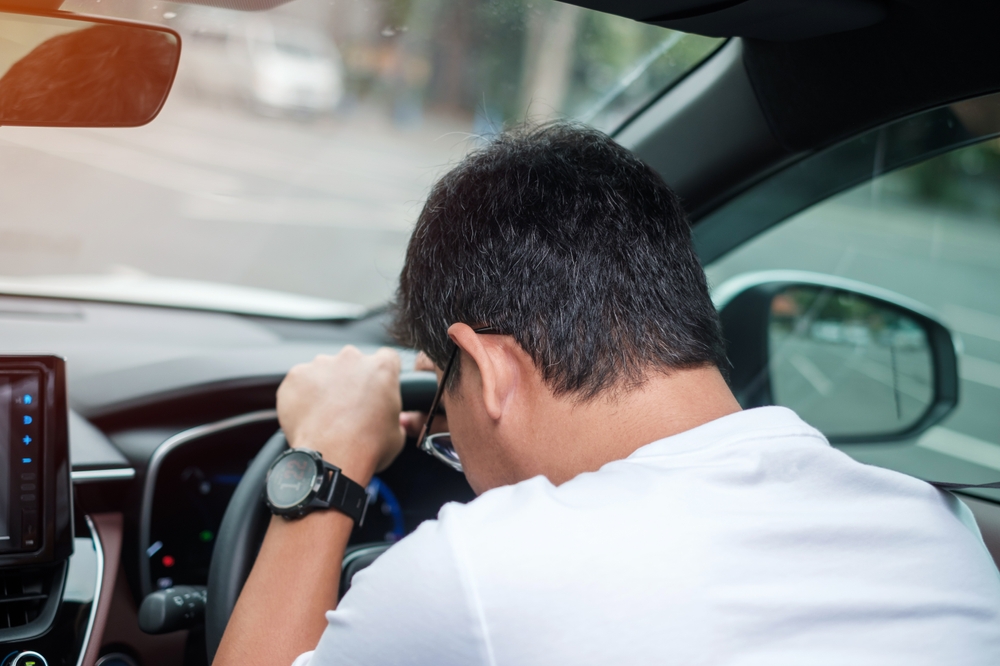
One of the more unsettling phenomena associated with drowsy driving is microsleep. These are involuntary episodes where the brain effectively falls asleep for a few seconds, even while the body appears awake. The driver’s eyes may be open, their hands may be on the wheel, but they’re not processing what’s in front of them.
At 90 km/h, a vehicle covers 25m every second. A three-second microsleep means the car has travelled 75m with no one driving it — not in any meaningful sense. There’s no warning before it happens, and many drivers are not aware it has occurred until they feel the jolt of the car drifting off the road.
The National Safety Council estimates that 6,400 people die annually in USA from crashes involving drowsy driving, with far more going unreported. The WHO notes that at least six hours of sleep a night could significantly reduce the number of road traffic accidents worldwide.
Why We Underestimate The Risk
Part of the problem is that people are poor judges of their own impairment. Research consistently shows that sleep-deprived individuals tend to overestimate how alert they are. The brain adapts to a lower baseline so gradually that the decline feels normal.
The National Sleep Foundation’s 2024 Drowsy Driving Survey found that while more than 80% of adults said they would avoid driving after a few drinks, only 50% said they would avoid driving when they had not got enough sleep. The risk is comparable, but the social norm is not.
In Singapore, where long working hours, shift work, and a culture of staying productive into the night are common, this gap is especially relevant. A study published in ScienceDirect on working adults in Singapore noted that sleep often loses out to occupational, academic and domestic demands, even when residents want to sleep more. According to the YouGov survey, 87% of Singaporeans who sleep fewer than seven hours a night said they wanted to sleep longer. The desire is there; the priority is not.
What You Can Do
The good news is that the solution is straightforward, even if the habit is not easy to build. Most adults need seven to nine hours of sleep per night, according to the National Sleep Foundation. Getting there consistently is what makes the difference.
Going to bed and waking up at the same time every day, including weekends, helps regulate the body’s internal clock. Cutting back on screentime before bed, keeping the bedroom cool and dark, and avoiding caffeine in the hours before sleep all support better sleep quality.
The Health Promotion Board also runs sleep tracking campaigns through its Healthy 365 app, which can help people become more aware of their patterns.
If you are driving and feel tired, the safest option is to stop. A short nap of 20 minutes in a safe area, followed by a few minutes to wake up properly before continuing, is more effective than opening the window, turning up the music, or relying on caffeine. These are distractions, not solutions. None of them meaningfully reduces the impairment that comes from genuine sleep deprivation.
A Simple Rule
Sleep is not optional, not a luxury. It’s one of the most fundamental things your body needs to function, and it has a direct bearing on how safely you drive. The evidence is clear: a sleep-deprived driver is a dangerous driver — to themselves and other road users.
The next time you’re running on five hours and reaching for the car keys, pause to ask yourself whether you’d get behind the wheel after a couple of drinks. If the answer is ‘no’, the honest answer here should be the same.