

More Singaporeans are driving electric vehicles, but plugging in without knowing the risks, especially in shared residential carparks, can be dangerous. Here is what every HDB and condo EV owner needs to understand before they charge.
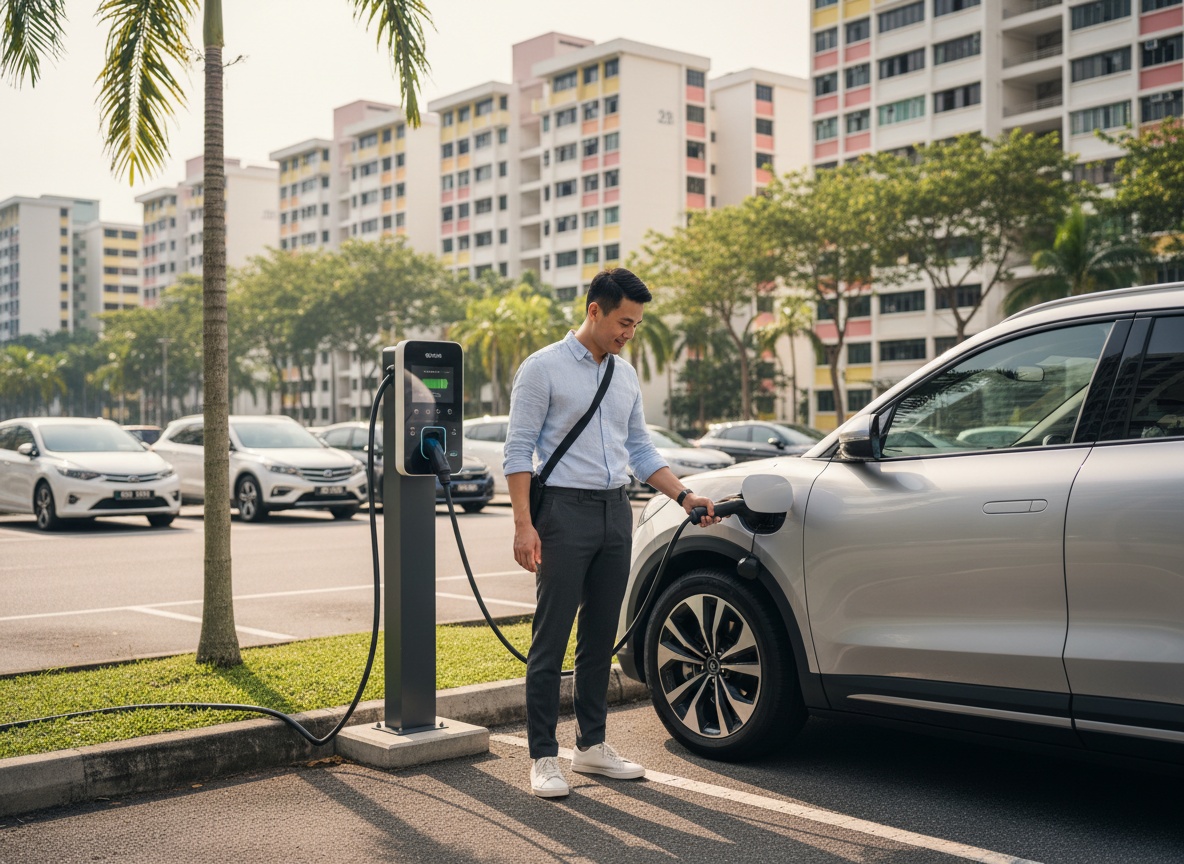 Electric vehicles (EVs) are no longer a novelty on Singapore’s roads. With the government targeting 60,000 EV charging points by 2030 and more than 90% of HDB carparks already fitted with charging points as of December 2025, the infrastructure is arriving fast. For many drivers, the question is no longer where to charge, but how to do it safely.
That question matters more in Singapore than in most places. The majority of residents here live in high-rise buildings, where carparks are shared, electrical systems are communal, and a problem in one bay can quickly become everyone’s problem. Charging an EV is not the same as filling a car up with petrol. It involves sustained, high-voltage electrical current running through cables, connectors, and a battery pack for hours at a time. If done correctly, it is perfectly safe. When’s it’s done carelessly, it can cause serious harm and not just to the driver. A fault in one bay puts neighbouring vehicles, other residents, and the building itself at risk.
The Charging Landscape For HDB and Condo Residents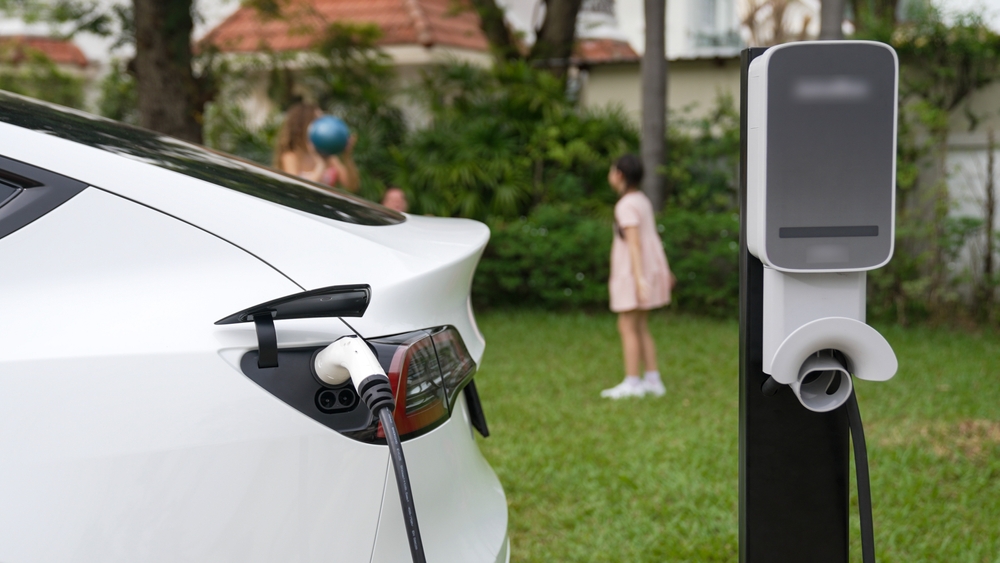
Unlike landed homeowners, who can install private EV chargers, condo residents must share common charging facilities. HDB residents are in a similar position, relying on chargers installed in public carparks by operators under the Land Transport Authority’s (LTA) programmes.
For those living in condominiums or HDB flats, there may be additional approval processes involving the Management Corporation Strata Title (MCST) or Town Council. Condominiums looking to install shared chargers can apply for co-funding support through LTA’s EV Common Charger Grant (ECCG), which has been extended and expanded to help management bodies meet rising demand.
Many of Singapore’s residential buildings, particularly older condominiums and HDB flats, were constructed long before EVs became part of the transportation landscape. As a result, their electrical infrastructure may not always have the capacity to support multiple charging stations without proper assessement and upgrading. This is not just an inconvenience. Overloading an electrical system that was never designed for EV charging is one of the possible causes of charging-related incidents. Getting the building infrastructure upgraded also takes time, which may slow the rollout of new chargers within an estate. For residents without a dedicated bay, practical alternatives include topping up at public carparks, shopping malls, or the workplace while going about daily routines.
Why Safety Cannot Be an Afterthought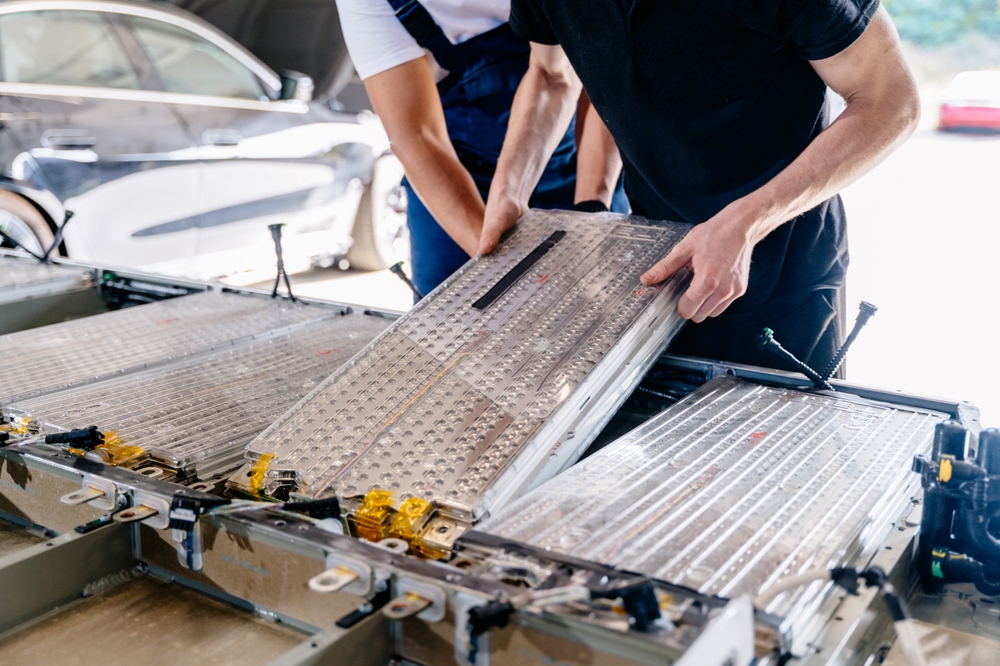
While EV charging is generally safe when done correctly, improper charging practices, uncertified equipment, or poorly designed infrastructure can introduce real fire risks and electrical hazards.
The core risk comes from the battery itself. Modern EVs run on lithium-ion batteries, which store enormous amounts of energy. Under normal conditions, charging is straightforward. But when something goes wrong, whether it is a faulty charger, a damaged cable, or a battery cell under stress, the consequences can escalate quickly. This can mean anything from a tripped circuit breaker or charger fault to an electrical fire or, in extreme cases, toxic gas release that endangers drivers, other residents, and nearby property.
Fire incidents involving electric vehicles accounted for about 0.7% of vehicle fires in Singapore over the past three years. International studies have shown that the rate of fire occurrence for EVs is much lower than the rates for internal combustion engine vehicles and hybrid vehicles. The numbers are reassuring, but they are not a reason to be complacent. In a dense, high-rise environment, even a small incident can cascade.
Understanding Thermal Runaway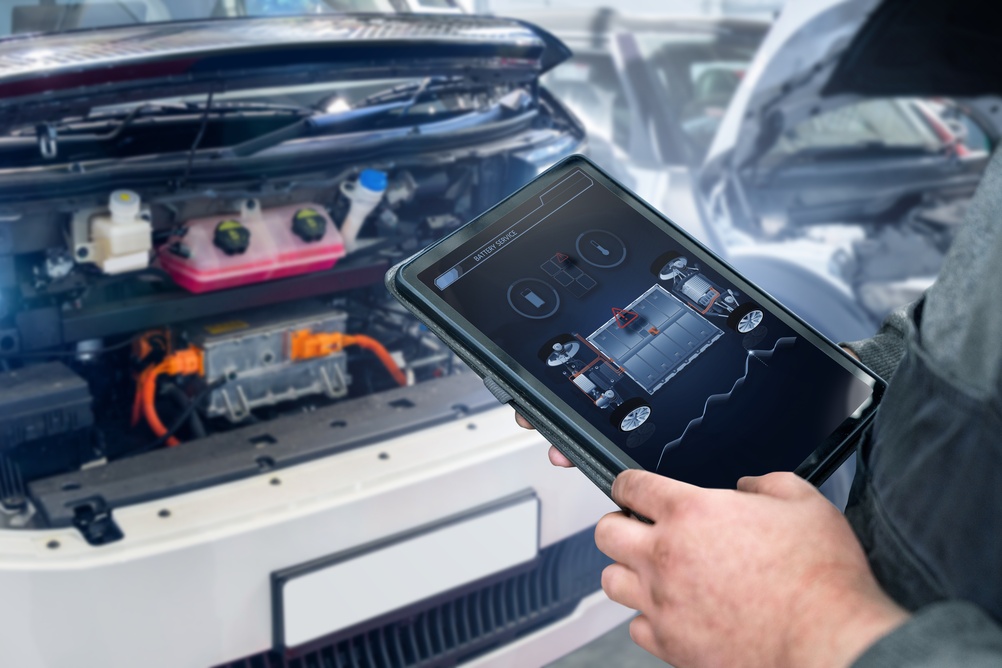
The term most associated with EV battery fires is thermal runaway. It refers to a chain reaction inside the battery where one overheating cell triggers the next, causing temperatures to spiral out of control. EV battery fires can burn at higher temperatures and for longer durations than traditional car fires. They may also release toxic gases, making them more difficult to extinguish.
For an urban city like Singapore, with high-density multi-storey carparks, underground parking, and commercial or industrial parking, an EV fire may pose an additional risk as the propagation of the fire could spread to surrounding property and can cause a cascade effect.
The fire safety risk increases when EVs are charged in enclosed spaces, such as underground car parks. Where there are multiple charging points, the fire could spread from one EV to another vehicle in an adjacent parking space.
This is not meant to frighten. Thermal runaway is rare, and modern EVs come with battery management systems designed to prevent it. But it underscores why the quality of your charging equipment, the condition of your cables, and the integrity of the installation all matter.
What The Rules Say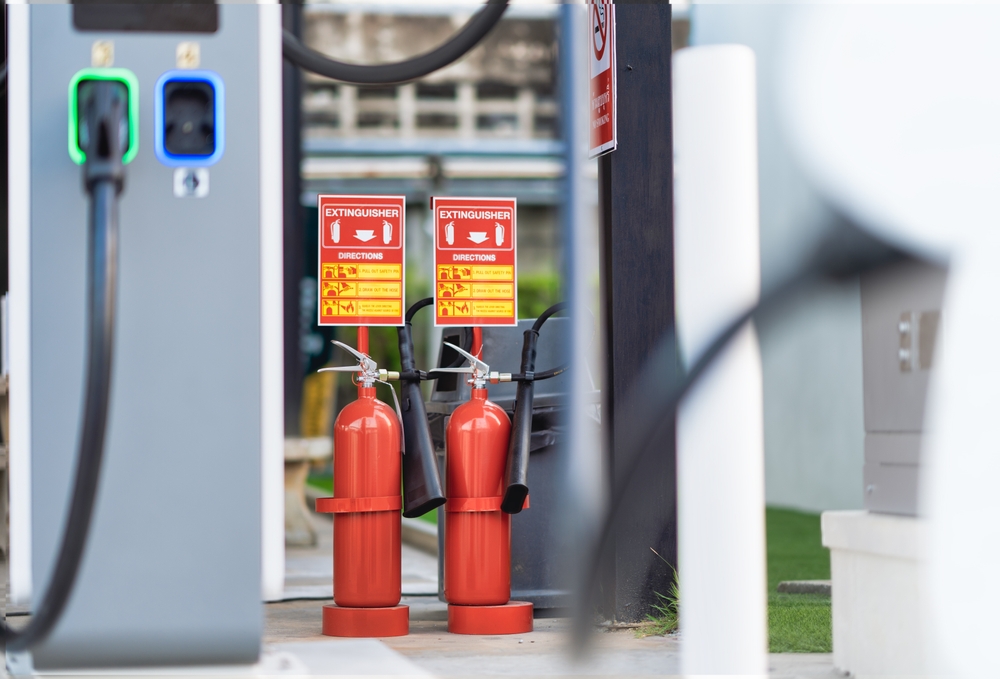
Singapore has put a legal framework in place to manage EV charging safety. The Electric Vehicles Charging Act (EVCA) came into effect on 8 December 2023, establishing clear rules for EV charging infrastructure. All EV chargers must be registered with the LTA before they can be used, and chargers must comply with the Technical Reference 25 (TR25) standard. From 8 June 2024, it has been illegal to supply non-type-approved chargers.
In March 2022, the SCDF mandated that at least one emergency main isolation shut-off switch be provided within 15 metres of an EV charging station. This switch cuts off the power supply to both the charging station and the EV being charged. If you park in a shared car park, it is worth knowing where this switch is.
Only a licensed electrical worker (LEW) registered with the LTA should perform EV charger installations. Attempting a DIY installation or hiring unqualified personnel could lead to serious safety risks, including electrical fires, system failures, and voided warranties. Supplying a non-type-approved charger is an offence under the EVCA, with first-time offenders liable to a fine of up to S$40,000 and/or up to 24 months’ imprisonment. If your condo is installing chargers, make sure your MCST is using registered contractors who comply with LTA’s requirements.
Common Mistakes To Avoid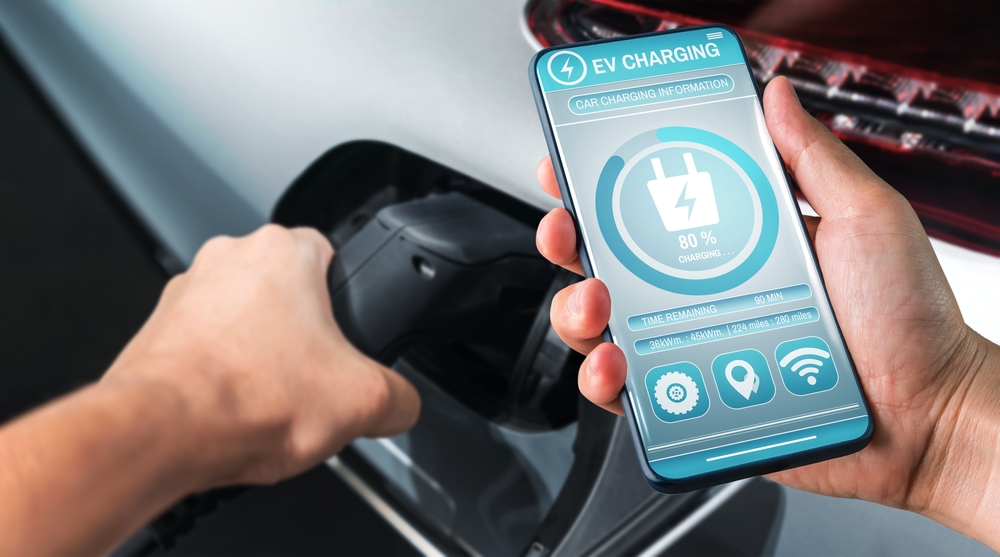
One of the most important rules, and one that many drivers still overlook, is the prohibition on standard household sockets. Standard 13A household sockets are not built for EV charging. Using them could lead to electrocution or fire hazards, and doing so is prohibited under the EV Charging Act. The same applies to extension cords and adaptors.
Beyond the equipment itself, how you charge matters too. Battery longevity and safety both benefit from keeping your state of charge between 20% and 80% for daily use, rather than running the battery down to near zero and then charging to 100% every day. Avoiding letting the car sit for days at very low or very high charge levels, and use AC charging for regular daily charging where practical, rather than relying heavily on DC fast charging.
Inspect your charging cable before every session. Look for fraying, cracks, or scorch marks on the connector. Pay particular attention to the connector head, which often shows discolouration or feels unusually warm before a fault develops. Fire risks increase when damaged vehicles, faulty chargers, or poor maintenance are involved. Schedule a professional inspection of your charger at least once a year, or after any collision or unusual incident involving the vehicle. Use certified charging equipment, avoid charging vehicles with visible battery damage, and keep charging areas free of flammable materials such as cardboard, rags, or stored items.
Sharing The Space Responsibly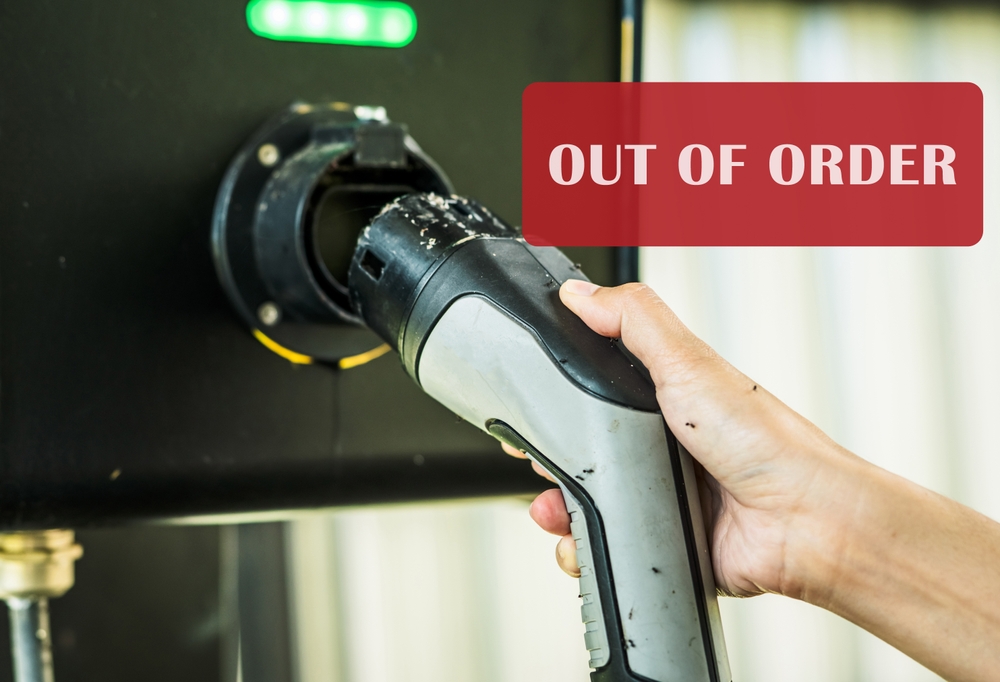 Shared carparks bring a different set of concerns. Demand for charging bays will only grow as Singapore works toward 60,000 charging points by 2030 and a full phase-out of internal combustion engine vehicles by 2040, and the way residents use shared infrastructure affects everyone in the development or neighbourhood. This shared arrangement can lead to friction among drivers, especially when multiple users need access to limited charging points.
Do not use a charger with a cracked casing, exposed wiring, or signs of burning around the connector. If you notice a charger that appears damaged, report it to your the right authority immediately. In a condo, that is your building management. In an HDB carpark, contact the charger operator directly through the operator’s app or hotline, or reach your Town Council.
Move your car once charging is complete. Leaving a fully charged vehicle plugged in for hours blocks access for other residents. Many newer charging systems allow you to set charge limits and receive notifications through an app, so you do not need to stay awake to manage it. Use these features. Setting a charge limit means your car automatically stops drawing power when it reaches your chosen level, typically 80%. The app then notifies you, so you can move the car promptly and keep the bay free for the next driver.
Do not use a charger with a cracked casing, exposed wiring, or signs of burning around the connector. If you notice a charger that appears damaged, report it to the right authority immediately. In a condo, that is your building management. In an HDB carpark, contact the charger operator directly through the operator’s app or hotline, or reach your Town Council.
Simple Habits That Keep You Safe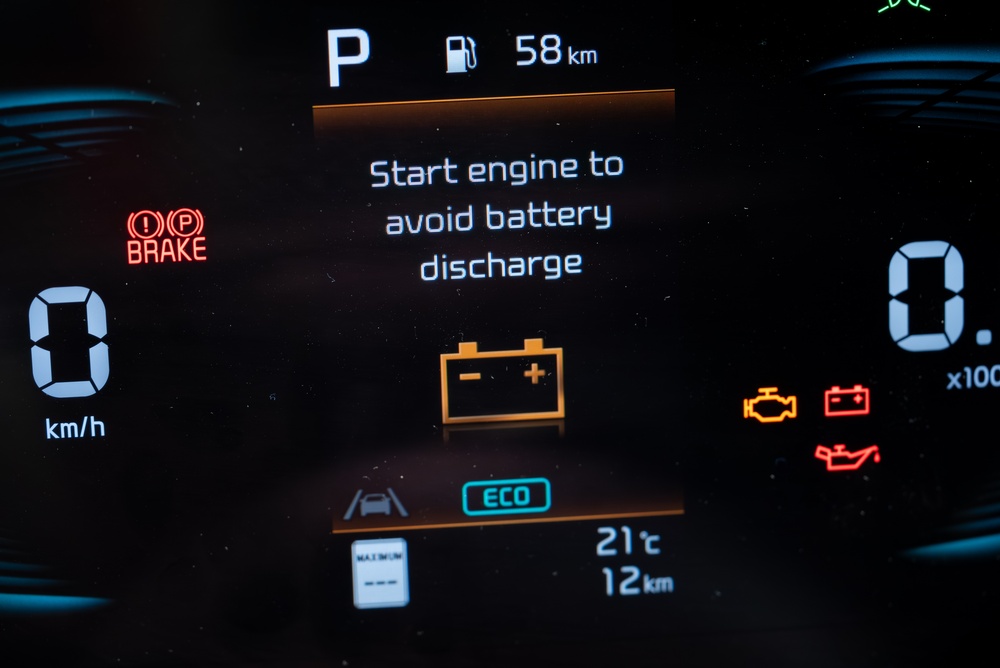
The basics are straightforward. Always use LTA-registered, TR25-compliant chargers and cables, and have your installation done by a licensed electrician. Never use a household socket or extension cord to charge your EV. Set a charge limit of around 80% in your vehicle’s settings for daily use, keep the charging bay clear of flammable items, and know where the emergency isolation switch is in your carpark.
If you notice anything unusual during charging – including unusual heat from the cable, a burning smell, or unexpected warning lights on your car’s dashboard – stop the session if it is safe to do so, and alert the charger operator or building management. Call SCDF on 995 if there are any signs of fire or smoke.
The Bottom Line
EV charging in Singapore is getting easier, safer, and more widespread. The infrastructure is improving, the regulations are tighter, and the technology is better than it was even a few years ago. But none of that removes personal responsibility. Whether you are charging in an HDB carpark or a condo basement, the same principles apply: use the right equipment, follow the rules, keep an eye on your setup, and do not cut corners. The risks are low when you charge smartly. Keep it that way.