

For most of the 20th century, cities reshaped themselves around the car. Now, from Barcelona to Singapore, planners are rethinking what streets are actually for, and who they should serve.

There is nothing natural about a city built for cars. For most of human history, streets were places where people lived, traded, argued, and gathered. The road was shared. Then, in the mid-20th century, something changed. Governments across the world decided that moving vehicles efficiently was the primary purpose of urban space, and pavements shrank while crossings disappeared. Noise and fumes became accepted features of city life, and the pedestrian was pushed to the margins.
That thinking is now being reversed, driven by a mix of environmental, health, and social pressures. Cities face growing pressure to reduce transport emissions, improve public health, and create more liveable urban spaces, while residents increasingly want safer streets and neighbourhoods that are easier to walk around. Cities from Europe to Asia are redesigning streets to put people first, and the results are proving what planners have long suspected: when you make a city easier to walk through, almost everything improves, from air quality and public health to local business and social life.
How We Got Here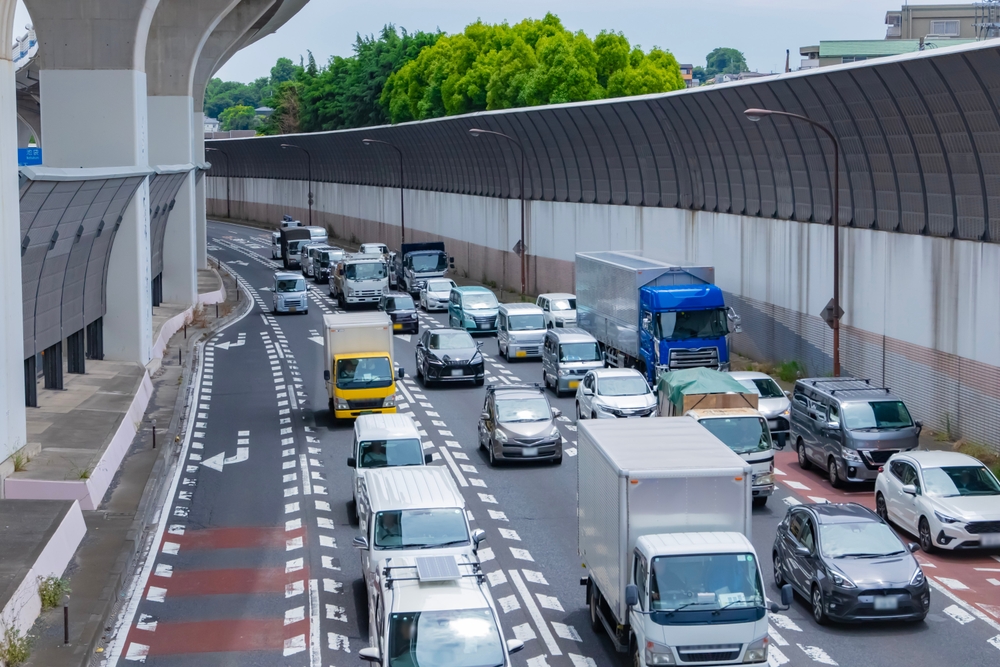
The shift towards car-centric planning was fast and sweeping. In the postwar decades, cities in the United States, Europe, and Asia demolished neighbourhoods to build highways. Zoning laws separated where people lived from where they worked and shopped, making walking impractical. The car became not just a tool but a symbol of progress.
The rise of the automobile, suburbanisation, and zoning policies fragmented cities in ways that still shape urban life today. Streets that had once been shared public spaces became, in effect, extensions of the motorway. In many cities, more than half of all public land is now allocated to cars: roads, lanes, and parking.
The costs of this approach, physical, economic, and social, have taken decades to fully surface. Car-dominated cities lead to sedentary lives, stress from traffic, and constant exposure to pollution and noise. In contrast, walkable environments promote daily activity, cleaner air, safer streets, and healthier communities.
Singapore is an interesting case. Unlike many Western cities, it never went fully car centric. Its planners built a transit-oriented city from early on, with dense housing close to amenities and a public transport network that most residents use daily. But the road network has still historically been engineered to move vehicles efficiently, and pedestrian comfort in many neighbourhoods has come second. That balance is now actively being renegotiated.
Cities That Are Changing Course
The most cited example of urban change is Barcelona. In 2016, the city began rolling out its “superblock” model, grouping nine city blocks into larger units and restricting through traffic to perimeter roads. The interior streets were reclaimed for walking, cycling, and community use.
The results have been tracked carefully. In the Sant Antoni neighbourhood, one year after the superblock was completed, noise had reduced by 4 decibels, and vehicle usage dropped by 92%, through measurements may vary depending on methodology, with no substantial increase in traffic on neighbouring streets. With fewer vehicles circulating inside the superblock, air quality also improved. Fewer cars meant fewer tailpipe emissions, and the effect on local air pollution was measurable. A 2021 study by the city’s Public Health Agency found a notable decrease in nitrogen dioxide levels since superblocks were introduced. Barcelona now plans to scale this across the city, with a goal to turn one in three streets into green streets by 2030.
London is moving in a similar direction. Plans to pedestrianise Oxford Street have reached a statutory phase, with Transport for London leading design consultations on how to make the stretch between Orchard Street and Great Portland Street vehicle-free. In Stockholm, there’s a petition to reduce a six-lane city motorway to three lanes, with the reclaimed road space given over to pedestrians and cyclists, and has received strong public support in surveys.
Closer to home, Singapore has been quietly doing the same thing at a neighbourhood level. Launched in 2023, the Friendly Streets initiative was designed to make residential communities more people-friendly by enhancing the walking and cycling experience. The pilot began in five towns, including Ang Mo Kio, Toa Payoh, and Tampines, with streets near markets, community clubs, schools, and MRT stations given priority. Features introduced include barrier-free crossings, longer green-man crossing times, raised zebra crossings, and green road markings to remind drivers to slow down. The response from residents has been strong. Nine out of ten respondents reported that their walking and cycling experiences had improved. The government has since expanded the programme, with plans for every town in Singapore to feature at least one Friendly Street by 2030.
These are not isolated experiments. They reflect a broader shift in how cities think about streets as public assets to be distributed fairly, not simply throughways for traffic.
What Makes A Street Walkable
Walkability is not just about removing cars. It depends on a mix of factors that, together, determine whether walking feels safe, comfortable, and worthwhile.
The first thing to consider is people’s access to recreation, commerce, and entertainment on foot. Then there are the conditions of the routes they must take to reach those destinations. The quality and safety of footpaths strongly influence whether someone chooses to walk over other modes of transport.
Wide, shaded pavements matter. So does the presence of ground-floor activity, shops, cafés, and services that give people a reason to be on the street in the first place. Street trees help, both for shade and for making a walk feel pleasant rather than exposed. Well-designed crossings, clear signage, and proper lighting contribute to a sense of safety, particularly for elderly pedestrians and people with young children.
Researchers and planners also look at the mix of destinations reachable on foot within about 10 to 15 minutes from home. When daily needs, a market, a clinic, a school, a park, can all be met without getting into a car or on a bus, a neighbourhood naturally encourages walking as a first choice rather than a last resort. Pavements that feel unsafe, too narrow, or too exposed to traffic tend to push people back towards vehicles even when distances are short. City environments that allow people to get more things done on foot tend to make people healthier, are more sustainable in terms of emissions and energy use, and support more vibrant street-level commerce.
None of this is new knowledge. But for decades, it was sidelined in favour of traffic engineering. What has changed is the willingness to act on it.
Singapore’s Approach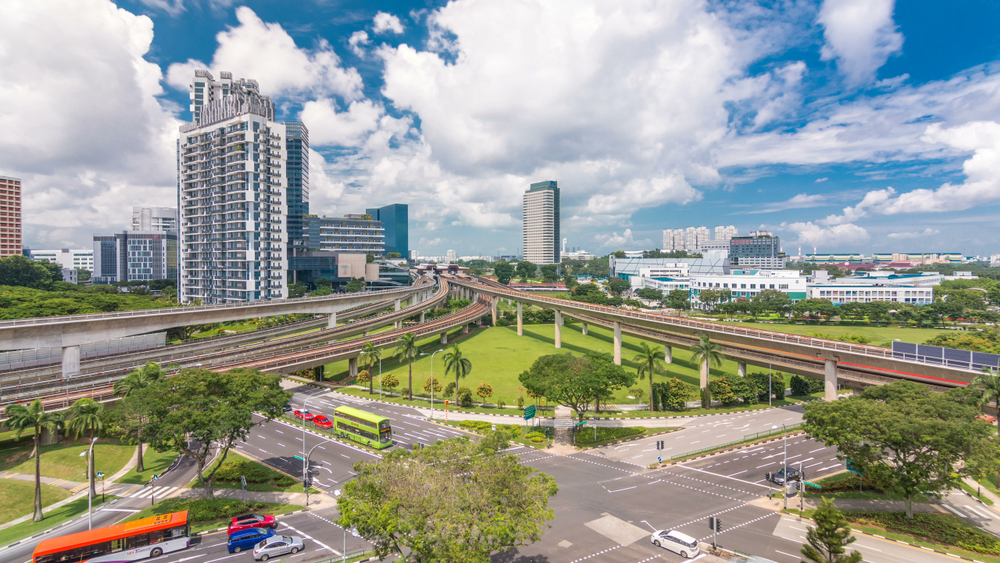
Singapore sits in an interesting position. It has one of the world’s most efficient public transport systems, dense housing within walking distance of amenities, and a government that has been explicit about its “car-lite” ambitions. And yet, the tropical climate, with heat and humidity for much of the year, has always complicated the case for walking.
Singapore is no stranger to walkability concepts, with urban design interventions, car-lite strategies, and campaigns encouraging commuters to walk, cycle, and ride. Yet there is much more to uncover, such as the reasons why people might avoid walking short distances even when heat and humidity levels are tolerable.
The government has been reshaping the street environment to address this. Silver Zones, designated in residential areas with high proportions of elderly residents, reduce speed limits to between 30 and 40 km/h and redesign streets to slow traffic and make crossing safer. School Zones follow a similar approach, reducing speeds to 40 km/h near schools. From January 2026, lower speed limits in Enhanced School Zones apply throughout the day, not just during school arrival and dismissal times. In the civic district, portions of roads such as Fullerton Road and Connaught Drive have been converted into footpaths, improving pedestrian connectivity along the waterfront.
Newer housing towns are being built with walkability integrated from the start. Tampines, one of Singapore’s first walking and cycling towns, has dedicated cycling paths, wide pavements, and a fully integrated bus and MRT interchange. The North-South Corridor , originally conceived as a pure expressway, was redesigned to include dedicated bus lanes and cycling paths.
The challenge for Singapore is not just infrastructure but behaviour. In a city where air-conditioned environments are close and taxis are relatively affordable, convincing people to walk requires not just better footpaths but streets that make the experience genuinely appealing.
The Pushback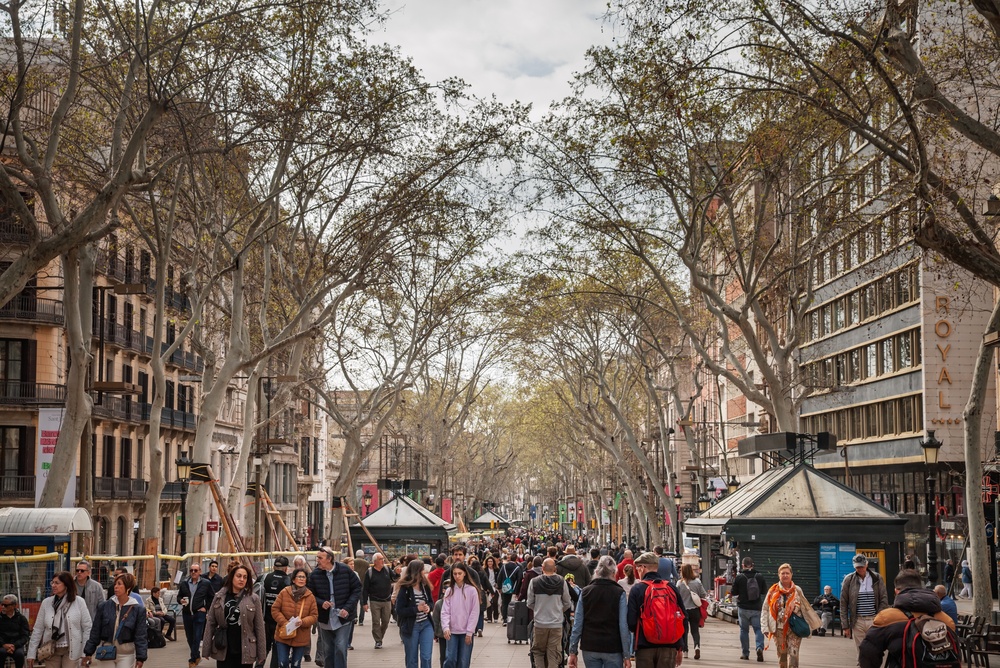
People-first street design is not without critics. When Barcelona introduced its superblocks, some shop owners objected, fearing that restricting car access would cut off customers. The city’s response was to point out that only 5% of customers in the affected areas arrived by car. Most people were already walking.
The same debate plays out elsewhere. Reducing road lanes or parking is politically sensitive, particularly in cities where many residents still depend on private cars. In less affluent neighbourhoods, walkability improvements can also accelerate gentrification, pushing out the very residents the upgrades were meant to serve. These are real concerns, and any honest account of urban redesign has to grapple with them.
But the evidence from cities that have made the shift is hard to dismiss. Walkable streets tend to support local businesses, reduce health costs, lower emissions, and make cities quieter. Walkable city environments are more sustainable in terms of emissions and energy use, and they support a more active social life on city streets. These are not small gains.
A Different Kind Of City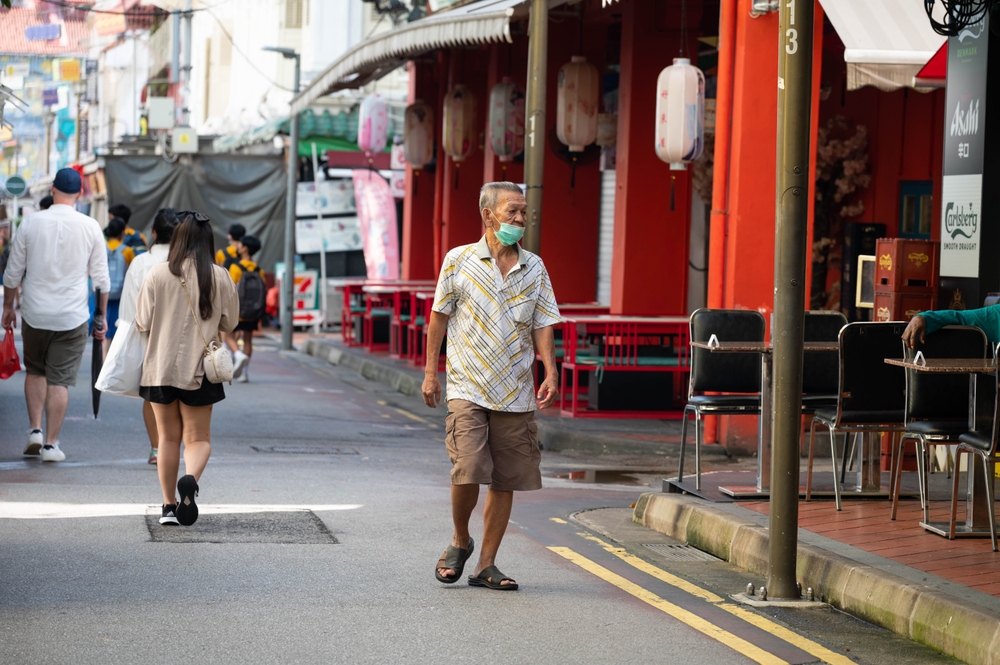
The question cities are now asking is not whether to redesign streets for people, but how fast and how far to go. The pressure is not going away. Climate commitments, public health goals, and an ageing population that needs accessible, walkable environments are all pointing in the same direction.
For Singapore, the car-lite ambition offers a clear direction, but the route there will require more than infrastructure. It will require a shift in how streets are valued, not as spaces to be crossed as quickly as possible, but as places worth being in. That is a harder thing to design. And it is, ultimately, what separates a city that is merely efficient from one that is genuinely liveable.