

Accidents are disorienting. Whether it is a road collision, a fall, or a workplace incident, the first few minutes can feel chaotic. Knowing what to do ahead of time makes all the difference between a situation that is managed well and one that spirals out of control. This guide walks you through the steps, clearly and without fuss.
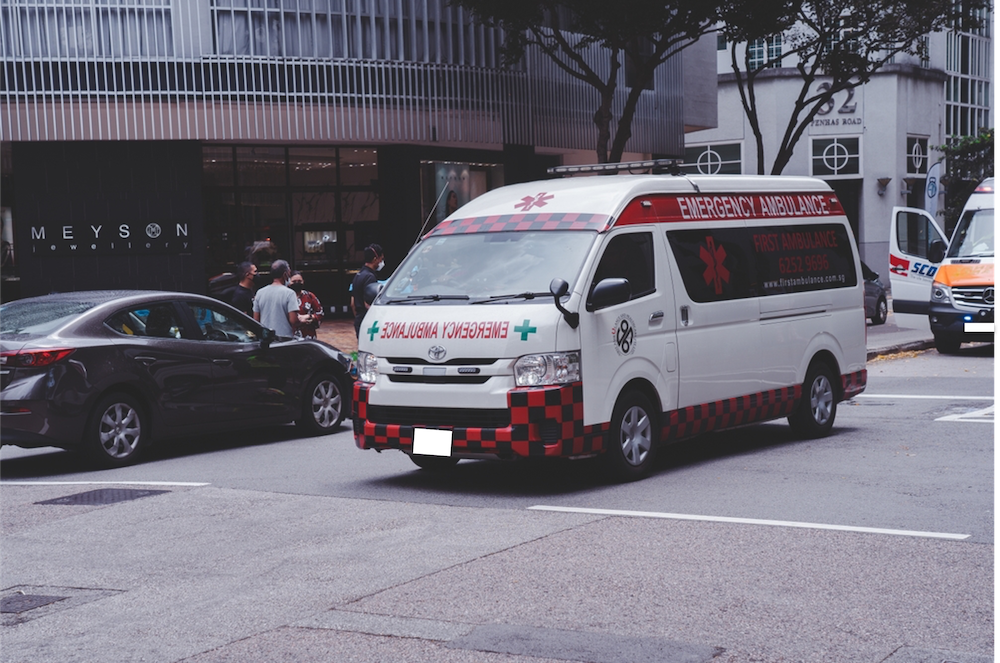
Nobody expects an accident. One moment, everything is normal, and the next, you are in the middle of a situation you were not prepared for. That gap between knowing something could happen and knowing what to do when it does is where most people struggle.
In Singapore, road accidents alone account for thousands of incidents every year. Add workplace accidents, falls at home, and other unexpected events, and the odds that you or someone close to you will one day be involved in an accident are not small. Yet most people have never thought through what they would actually do in those first critical minutes.
This guide is not about what might happen, it’s about what to do when it does. The steps are straightforward, but they matter a great deal. Following them in the right order can protect your safety, preserve your legal position, and make the insurance and recovery process considerably lesspainful. Read through this once now, and you will be in a much better position if you ever need it.
Stay Calm And Assess The Situation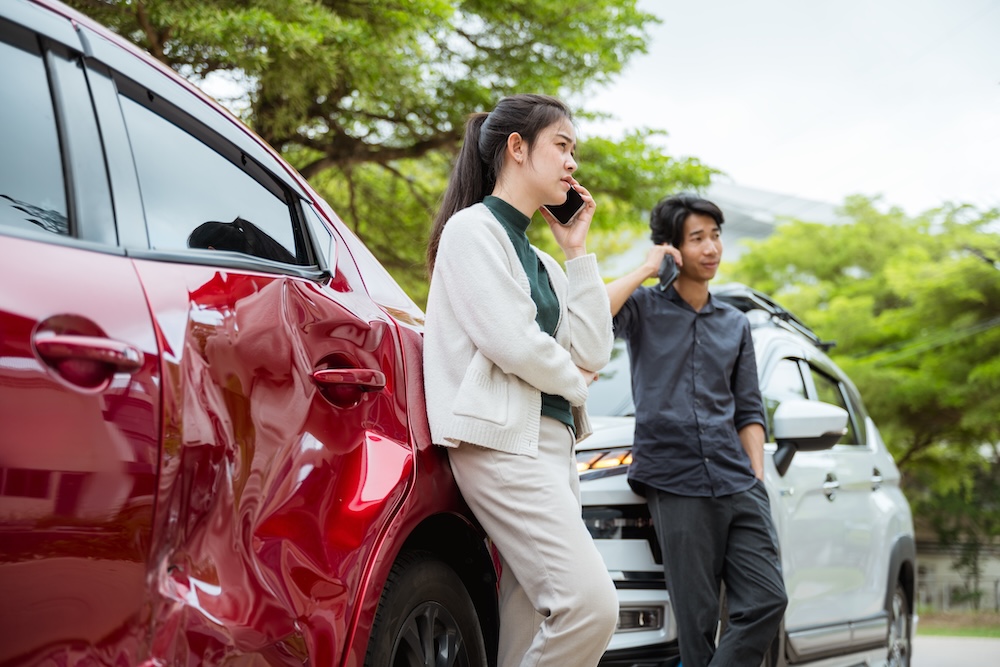
enemy in those early moments. Take a few seconds to assess what has happened before you act. Are you injured? Is anyone else hurt? Is the environment still dangerous?
In Singapore, road accidents happen at a rate that the Traffic Police track closely. According to the Singapore Police Force, there were over 7,560 accidents reported in 2025 alone. Most people involved in accidents have never rehearsed what to do, and that knowledge gap often leads to poor decisions under pressure.
Staying calm helps you think clearly, communicate effectively, and protect yourself and others from further harm.
Move to Safety First
If you are in a road accident, do not stay in the middle of the road. First, make sure you and your passengers are in a condition to move. If your vehicle is driveable and it is safe to do so, move it to the side and turn your hazard lights on immediately. If you cannot move the car, get yourself and any passengers to the pavement or a safe distance away from traffic.
For workplace or home accidents, the same principle applies. If there is a risk of fire, gas leak, or structural collapse, get out first. Do not try to collect your belongings or investigate the cause before it is completely safe. Your safety comes before everything else, including damage assessment.
Check for Injuries
Once you are in a safe location, check yourself for injuries. People in shock often do not feel pain immediately, so do a quick physical check even if you feel fine. Then check on others involved.
Do not move anyone who may have a spinal or neck injury unless they are in immediate danger, such as a fire or rising water. Moving someone with a spinal injury incorrectly can cause permanent damage. If someone is unconscious and not breathing, begin CPR only if you are trained. If not, call for help immediately and follow the dispatcher’s instructions.
In Singapore, call 995 for the Singapore Civil Defence Force (SCDF) ambulance if there are injuries. Do not hesitate. It is always better to call and have help on the way than to wait and see.
Call for Help
For road accidents in Singapore that involve injuries, damage to property, or disputes about fault, you are legally required to report the accident to the police. Call 999 for police assistance or 995 for an ambulance. When you call, be ready to give your location, a brief description of what happened, and whether anyone is injured. You can also use the SPF “Police@SG” app on Google Playstore and the Apple Appstore to submit a report.
If the accident involves only minor damage and all parties come to an agreement, you may not need a police report. But you must still need to report the accident to your insurer within 24 hours or by the next working day, regardless of who is at fault. This is a requirement under Singapore’s motor insurance framework. Failing to do so can affect your claim.
For accidents outside Singapore, the process varies by country. Always prioritise calling the local emergency number first. Always prioritise calling the local emergency number first. Before you travel, look up the emergency numbers for the countries you are visiting and save them on your phone. Having them ready means you will not have to search in a panic if something goes wrong.
Document the Scene Thoroughly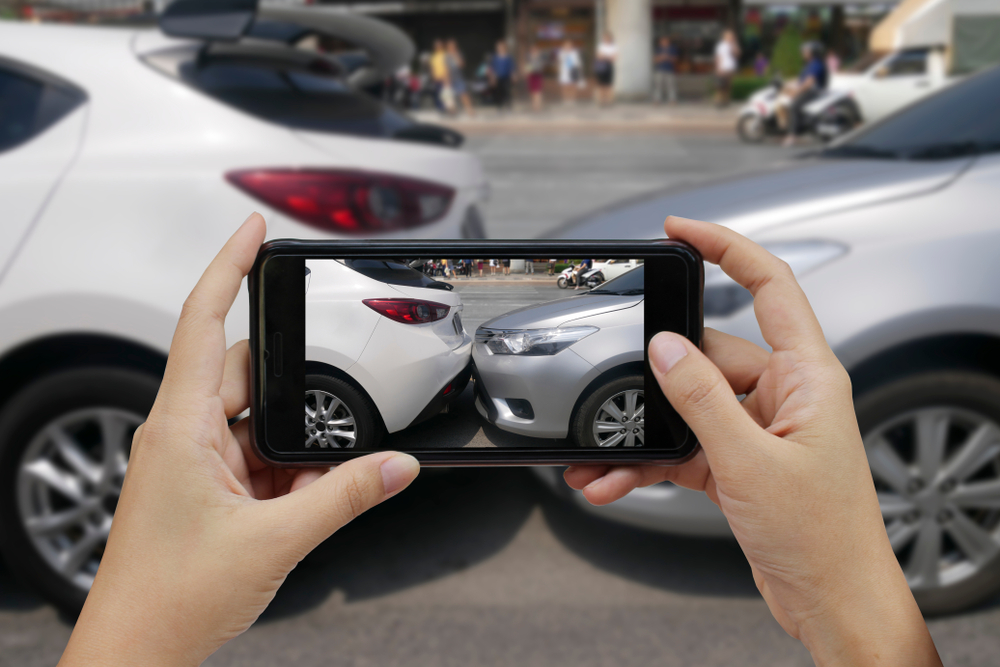
Once it is safe and help has been called, start documenting. This step is critical and is often skipped in the confusion of the moment.
Use your phone to capture:
- Position of all vehicles or objects
- Damage to vehicles or property
- Visible injuries
- Tyre marks or debris
- Traffic signs, signals nearby, and the general surroundings
Moving yourself and others away from danger always comes first. Once the immediate danger has passed and it is safe to do so, document before touching or repositioning anything else. If you can, note the time and location precisely. Screenshots from your phone’s map app work well for this. The more detail you capture, the stronger your position will be when dealing with insurers or making a legal claim later.
Exchange Information with the Other Party
If other people are involved, exchange information calmly. You will need to collect the following:
- Full name
- NRIC/FIN or passport number
- Contact number
- Vehicle registration number
Do not argue about fault at the scene, and keep the exchange factual and civil. In Singapore, it is also a good idea to note the names and contact details of witnesses. Their accounts can be valuable if there is a dispute. Note that if a Malaysian-registered vehicle is involved in an accident in Singapore, a police report is required regardless of the circumstances.
If the other party is uncooperative or hostile, do not force the issue. Note their vehicle details and let the police handle it. If it is not possible to retrieve the other party’s information at all, report this to your insurer when you make your claim. Insurers in Singapore may give special consideration in such cases.
If the accident happens overseas, follow the same principle: collect the other party’s name, contact number, vehicle registration, and insurance details. Call the local police as required and notify your insurer as soon as possible.
Notify Your Insurer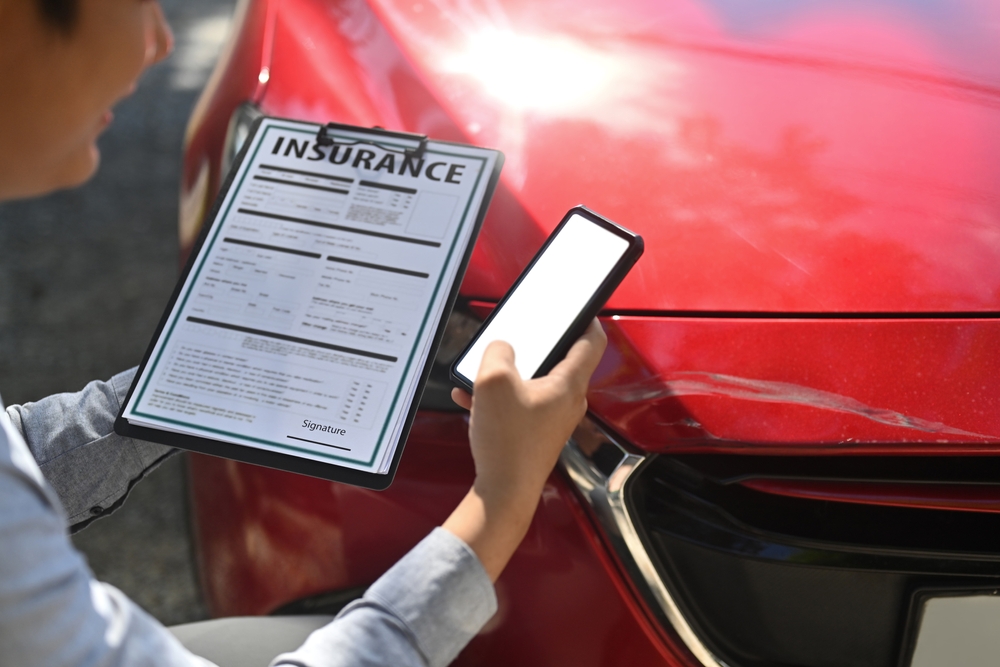
In Singapore, you must report the accident to your insurer within 24 hours, or by the end of the next working day if it happens on a weekend or public holiday. Do not just call your insurer’s general line.
Most insurers operate a dedicated 24-hour motor claims hotline, and you should bring your vehicle to one of their designated reporting centres within that timeframe. Check your policy documents or your insurer’s website for the hotline number and nearest reporting centre before you need them. This requirement applies even for accidents that occur overseas, if your policy covers overseas driving.
If the accident happens on a weekend or public holiday, the Motor Claims Framework (MCF) allows you until the end of the next working day to report. So a Saturday accident, for example, would need to be reported by Monday. Failing to report within the required timeframe can result in your insurer refusing to handle your claim or reducing the payout, and you may lose your no-claims discount.
When you call, have your policy number ready, along with the information you collected at the scene. Many insurers in Singapore have dedicated accident reporting hotlines and some offer apps that let you submit claims digitally with photos attached. Use these tools if available. The sooner you report, the smoother the claims process will be.
Seek Medical Attention, Even if You Feel Fine
This point cannot be stressed enough. Many injuries, including whiplash, internal bruising, and concussions, do not present symptoms immediately. People often feel fine in the hours after an accident, only to experience significant pain or complications days later.
See a doctor on the same day if possible, or visit a hospital’s Accident and Emergency department if you are uncertain about your condition. Get a medical report, as this will be necessary for any insurance or legal claim. Without one, insurers may dispute your injury claim or reduce the payout, and you could find it difficult to pursue compensation through the courts. In Singapore, you can seek treatment at public hospitals, polyclinics, or private clinics. Keep all medical receipts and documents.
After the Dust Settles
Once the immediate situation is handled, take stock. Follow up with your insurer on the status of your claim. One important point: under Singapore’s motor insurance framework, you cannot engage your own lawyer to pursue a motor accident claim.
If the dispute cannot be settled privately, you must surrender all rights to your insurer, who will then manage the legal process. Do not admit or assume liability at any point, whether at the scene or in writing. Doing so can jeopardise your insurer’s ability to defend your position and may void your coverage. If you need general legal guidance, the Law Society’s legal aid resources or community legal clinics can help.
Keep copies of everything: police reports, medical records, repair invoices, correspondence with insurers, and photos from the scene. These documents form the paper trail that protects you.
Accidents are stressful, but they are manageable when you know what to do. The steps above are not complicated. They just need to be followed in order, calmly, and without cutting corners. Being prepared is the simplest way to protect yourself when things go wrong.