

Singapore’s heat is relentless, and for cars left outdoors, the sun and humidity quietly take a toll. Over time, this constant exposure affects everything from paintwork to engine components. Here’s what’s really happening and how to slow it down.

Singapore sits just one degree north of the equator. That means year-round heat, intense UV exposure, and humidity that rarely drops below 70 per cent. Most people know this is uncomfortable, but fewer consider what it could do to their car over time.
The damage is not immediate, but it is constant and does not happen overnight. But over months and years, heat and sun degrade nearly every part of a vehicle: from the paint on the outside to the battery under the bonnet. Understanding how this happens is the first step to slowing it down.
The Paint Takes the First Hit
Car paint is designed to protect the body panels beneath it. But in tropical conditions, that protection wears down faster than in temperate climates.
UV radiation is the main culprit. It breaks down the chemical bonds in the clear coat, the transparent top layer of modern automotive paint. Over time, this causes oxidation, where the paint loses its gloss and takes on a dull, chalky appearance. In Singapore, where cars are exposed to strong sunlight year-round, this process can begin within a few years for vehicles parked outdoors.
Heat adds further stress. On a sunny afternoon, the surface of a parked car can become extremely hot. The metal body panels expand and contract repeatedly as the car heats up and cools down. Over time, this repeated movement weakens the bond between paint layers, leading to peeling and cracking.
Humidity compounds the problem. Moisture can seep into small chips or scratches in the paint and causes rust to form beneath the surface, which eventually bubbles up and breaks through. Singapore’s combination of heat and moisture makes this more likely, particularly on older or poorly maintained vehicles.
The Interior Cooks Slowly
Stepping into a car that has been sitting in the sun for a few hours, the heat hits you immediately. But beyond the discomfort, something more significant is happening to the materials inside.
The colour of your interior plays a bigger role than most drivers realise. Darker upholstery and trim absorb more radiant heat than lighter alternatives, which means a black leather interior can reach noticeably higher temperatures than a beige or grey one parked under the same conditions. This is not just a comfort issue: higher cabin temperatures accelerate the degradation of every material in the car, from the dashboard to the seat foam beneath the covering.
Dashboard plastics are particularly vulnerable in this situation. Prolonged UV exposure causes them to fade, crack, and, in some cases, warp. This is not just cosmetic: a warped or cracked dashboard can affect visibility and make the cabin feel more worn than it is.
Leather and vinyl seats fare no better. Heat dries out these materials, causing them to crack and split. Beyond aesthetics, cracked seat surfaces can harbour bacteria, irritate skin on contact, and, in severe cases, compromise the structural integrity of the seat, a concern if side airbags are integrated into the seat design. Fabric seats absorb heat and can become uncomfortably hot during midday, but they are generally more forgiving of the climate. For any seat type, covers made from breathable mesh or UV-resistant fabric offer practical protection. They are relatively inexpensive, easy to replace, and shield the original upholstery from both heat and UV exposure.
The steering wheel and gear knob also deteriorate faster because they are the surfaces you touch most. Leather-wrapped steering wheels peel and crack; hard plastic yellows and becomes brittle. A steering wheel cover made from breathable or heat-resistant material can protect the original surface and reduce heat retention enough to make a noticeable difference when you first get in.
What Happens to the Windscreen and Glass
Glass is more resilient than paint or plastic, but it is not immune to heat damage. Over time, the repeated expansion and contraction of the windscreen glass can cause small stress fractures to develop, particularly around the edges where the glass meets the rubber seal.
In Singapore, where air conditioning is often blasted the moment you get in, the sudden temperature difference between hot glass and cold air can make existing chips or cracks spread quickly. A small chip picked up on the expressway can become a long crack after a few weeks of this treatment.
The rubber seals around windows also degrade in the heat. They dry out, crack, and lose their flexibility, eventually allowing water to seep in during heavy rain, a problem worth catching early, given how frequently Singapore experiences downpours.
The Battery and Engine Feel It Too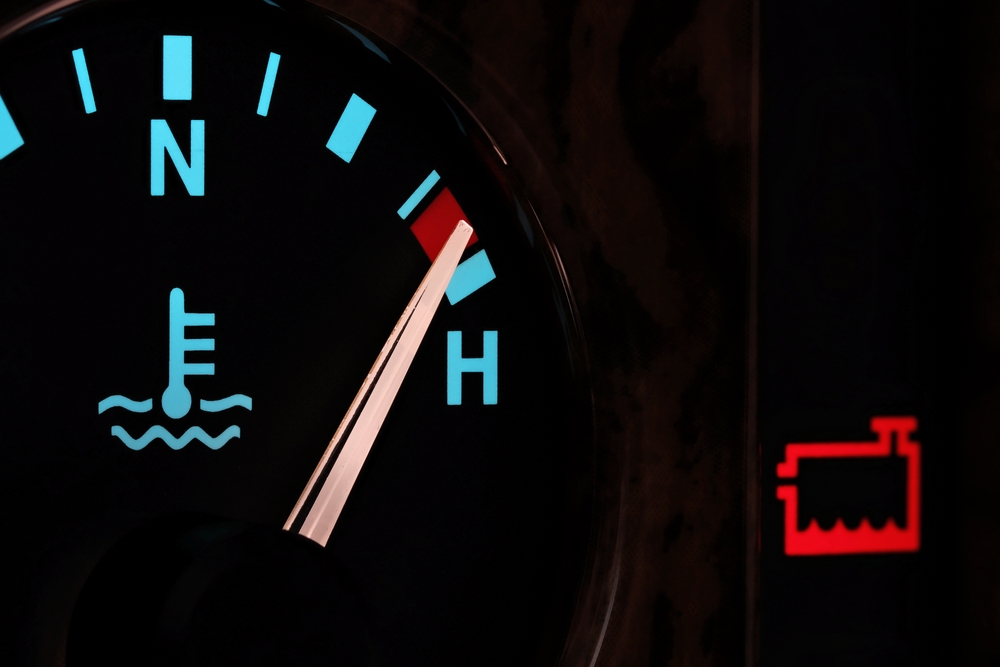
Car batteries are among the components most affected by heat, and this surprises many drivers who associate battery problems with cold climates. In fact, high temperatures are harder on batteries than cold ones.
Heat accelerates the chemical reactions inside a battery, which speeds up corrosion of the internal components and causes electrolyte fluid to evaporate. The result is a battery that loses capacity faster and fails sooner. In Singapore’s climate, the average car battery may last about three to four years, compared to around five years or longer in cooler countries.
The engine also runs hotter in tropical conditions. Cooling systems work harder, and coolant degrades more quickly as a result. Engine oil thins out at higher temperatures, reducing its ability to lubricate moving parts effectively. This increases friction, accelerates wear on internal engine components, and can lead to overheating if ignored long enough. Drivers in Singapore often need to service their vehicles more frequently than the manufacturer’s standard intervals, which are typically set for temperate climates.
Rubber components, including hoses, belts, and gaskets, also suffer. Heat causes rubber to harden and crack over time. A split radiator hose or a snapped timing belt can cause serious engine damage, and both are more likely in vehicles that spend years in tropical heat without regular inspection.
As a general guide, have these components checked during every major service and replace them proactively if any signs of cracking, stiffness, or swelling are visible, typically every three to five years in Singapore’s climate, regardless of mileage.
Tyres Wear Differently in the Heat
Tyres are built to handle heat generated by friction as they roll, but ambient heat adds to that stress. In Singapore, road surface temperatures can become extremely hot during the day, softening the rubber compound and accelerates wear.
Heat also affects tyre pressure. As temperatures rise, the air inside tyres expands and pressure increases. This changes the contact patch between the tyre and the road, which can affect handling if pressures not properly maintained. Drivers should check tyre pressure at least once a month, and always when the tyres are cold: checking after a drive gives a falsely elevated reading. The manufacturer’s recommended pressure is usually found on a sticker inside the driver’s door.
UV radiation also degrades the sidewalls of tyres over time, causing surface cracking. On newer tyres, fine surface cracks are mostly superficial — they affect the appearance but not the performance. As the tyre ages, however, this cracking penetrates deeper into the rubber and becomes a structural safety concern. Tyres that still have adequate tread depth can still be compromised if the sidewalls are heavily cracked and should be replaced regardless of how much tread remains.
What You Can Actually Do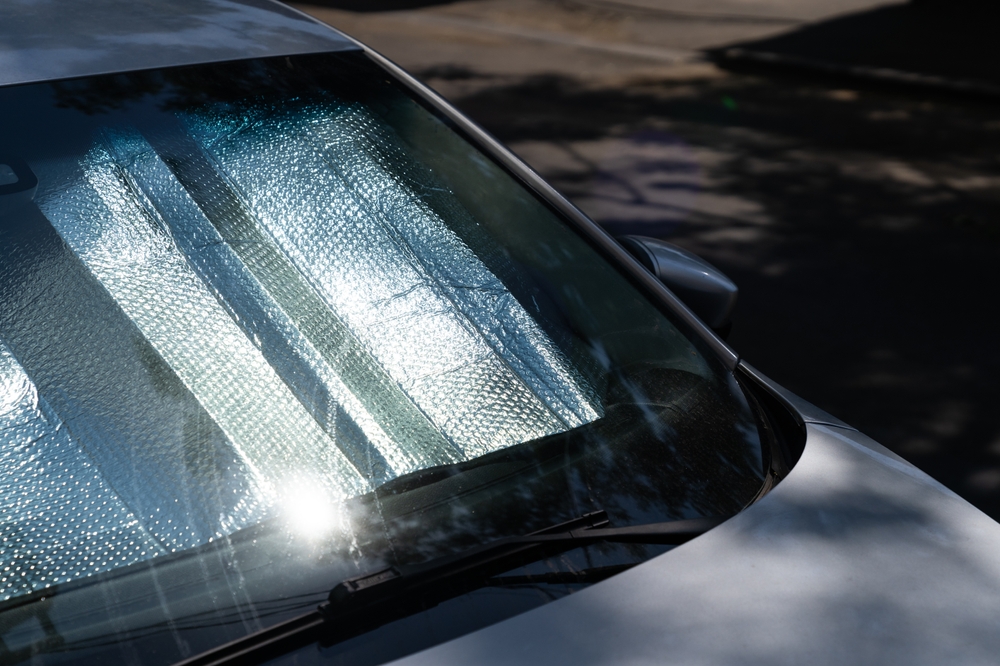
Parking in the shade is the single most effective thing you can do. It sounds obvious, but in Singapore, where open-air car parks are common and covered spaces are not always available, it takes deliberate effort. Wherever possible, choose a shaded spot or a multi-storey car park.
A windscreen sunshade helps significantly. Studies have shown that a sunshade can reduce the interior temperature of a parked car by up to 15 degrees Celsius. That is enough to make a real difference to the dashboard, seats, and electronics inside.
Ceramic window tinting works differently from a sunshade and complements it rather than replacing it. A sunshade blocks direct solar gain through the windscreen when the car is stationary, while tinting reduces UV penetration and heat build-up through the side and rear glass throughout the day, including while driving. Together, they address different exposure points. In Singapore, window tinting is regulated, so ensure any tint applied complies with Land Transport Authority (LTA) guidelines on visible light transmission.
Waxing or applying a paint sealant regularly protects the clear coat from UV damage. Ceramic coatings offer longer-lasting protection, though at a higher cost. Although waxes, paint sealants, and ceramic coatings provide stronger surface protection, regular washing still helps prevent premature pain degradation by removing harmful contaminants.
For the battery, have it tested annually once it is two years old. This gives you an early warning before it fails unexpectedly. Check rubber hoses and belts during routine servicing, and do not delay coolant flushes or oil changes beyond the recommended intervals.
The Cost of Doing Nothing
Living in Singapore means accepting that the climate is hard on everything, and cars are no exception. The damage from heat, UV radiation, and humidity is real, cumulative, and largely preventable with some attention and regular maintenance.
You do not need to obsess over your car. But ignoring the effects of the tropical climate will cost more in the long run, whether in repair bills, a shorter battery life, or a vehicle that looks and feels older than it should. The basics are not complicated. Park smart, protect the paint and glass, and keep up with servicing. That is usually enough to stay ahead of the damage.