

Travel insurance can be confusing. Some coverages are essential, others less so. This article cuts through the noise to help travellers understand what parts of travel insurance are truly worth purchasing and what can be skipped. It’s a practical guide to getting the right protection without paying for unnecessary extras.
Why Travel Insurance Matters
Travel insurance is often an afterthought when planning trips, yet it can become a lifesaver when things go wrong. The key is knowing what coverage is essential and what you can safely leave out. Spending on the right insurance protects your money and your peace of mind.
Medical Coverage: The Must-Have
The cornerstone of any travel insurance plan is medical coverage. Being covered for medical emergencies abroad is crucial because your usual health insurance often doesn’t apply or offers limited protection overseas. Medical costs can skyrocket, especially if you end up hospitalised or need medical evacuation to another location. A good travel medical cover pays for emergency treatment, hospital stays, prescriptions, and transport if you need it. This coverage keeps you from facing huge medical bills after a medical emergency abroad.
Medical Coverage: The Must-Have
Accidental death and personal accident coverage come next. These offer financial protection if a serious accident occurs during the trip, leading to death or permanent disability. This type of insurance often pays a lump sum to your beneficiaries or you. It’s essential if you don’t already have life or accident insurance protecting your family.

Trip Cancellation and Interruption
Next, trip cancellation and interruption insurance are also worth considering if you’ve prepaid significant costs like flights, hotels, or tours. If you need to cancel before your trip for covered reasons, like illness, family emergency, or natural disaster, this coverage reimburses you for lost deposits. Trip interruption covers costs if you must cut your trip short and return home unexpectedly. These coverages save you from losing big investments when plans change beyond your control.
Handling Travel Delays
Travel delay insurance might cover your costs for food, lodging, and transportation if your trip is delayed longer than a set time because of weather, strikes, or mechanical issues. But delays are often less costly, so moderate coverage here is enough. Don’t overspend on high limits for delays.
Many people buy travel insurance right before departure. But some protections start from the day you purchase the policy, not the day you fly. That matters for trip cancellation in particular. If something happens between booking your flights and departure: illness, an emergency at home, a sudden issue that forces you to cancel, buying early gives you a better chance of being covered. And it reduces the risk of buying too late and missing time-sensitive benefits tied to pre-existing conditions or cancellation windows.
Luggage and Belongings Coverage
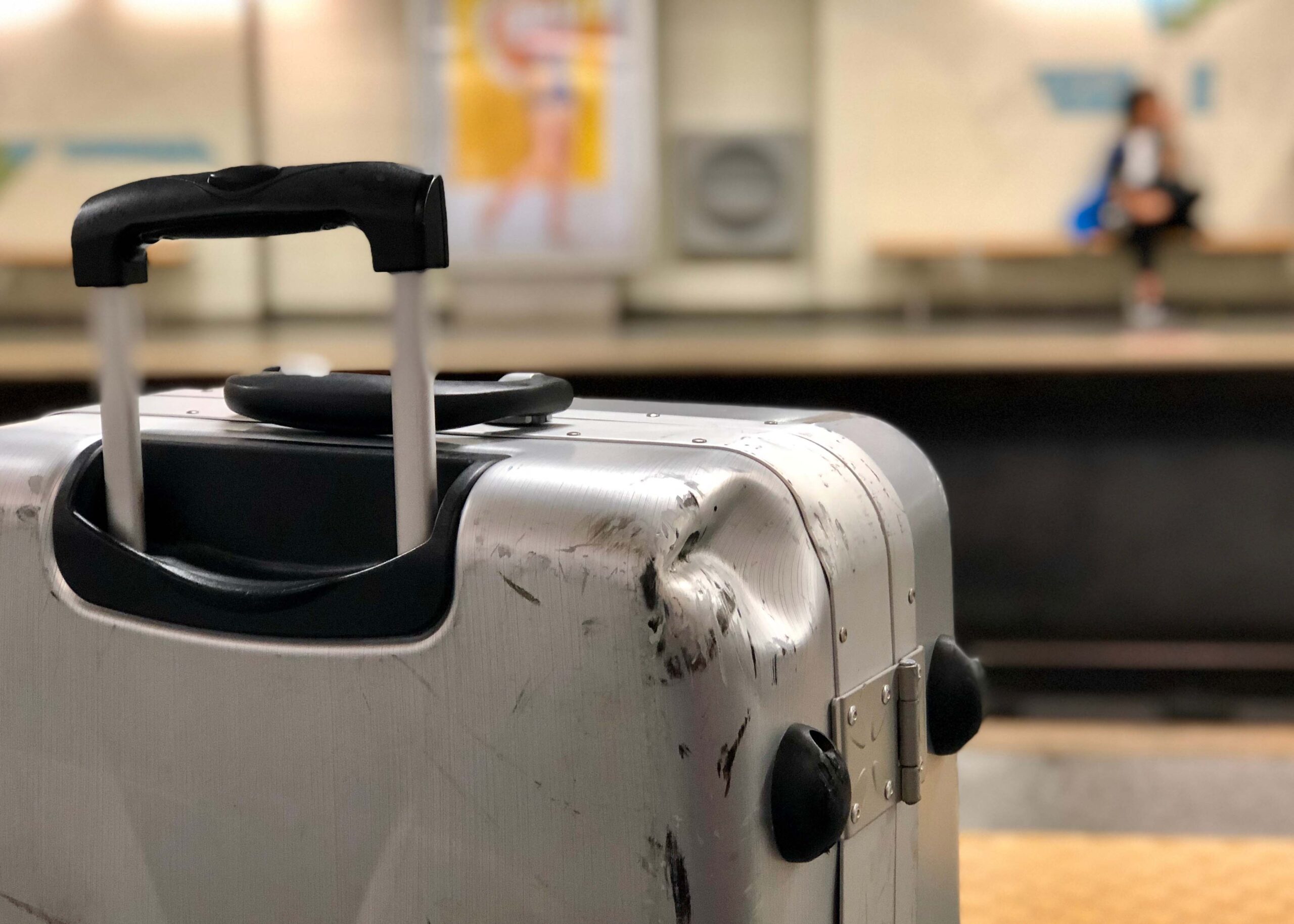
Luggage and personal belongings insurance covers you if your bags are lost, delayed, or stolen. Most policies provide a fixed amount for baggage loss and partial reimbursement for delayed items. However, high-value items like electronics or jewellery often have low coverage limits or require receipts. It’s usually wiser to travel light or insure pricey items separately.
Adventure Sports and Rental Cars
Some travellers want extra coverage for adventure sports or rental car excess. Only add these if they match your trip plans. Standard policies exclude risky activities like skiing or scuba diving, and rental car insurance typically covers the car damage deductible. Don’t pay for special add-ons if you won’t use them.
Policy Exclusions and Fine Print
Carefully read the policy’s exclusions and conditions. Pre-existing medical conditions, war zones, or injuries from illegal activities are usually excluded. Also, check if you have to buy insurance soon after booking to cover pre-existing conditions. Before purchasing, confirm which insurers offer this add-on. You don’t want to buy a policy only to find out later that it doesn’t include pre-existing condition coverage. Knowing what’s not covered avoids surprises later.
Customer Service and Claims
Customer service matters too. A policy with clear language, an easy claims process, and good customer reviews is worth more in convenience than fancy extras. A complicated claims process can turn your trip’s troubles into a bigger headache.

Annual vs. Single-Trip Plans
Another consideration is whether to buy annual multi-trip insurance or single-trip coverage. Frequent travellers save money with annual plans that cover multiple trips. Occasional travellers do better with single-trip plans. But always check the limits and what each trip covers.
Cancel for Any Reason Option
Some policies offer Cancel for Any Reason (CFAR) coverage. This lets you cancel your trip for reasons outside the usual covered reasons and get partial reimbursement, often 50-75% of prepaid costs. It’s more expensive, adding an extra 40-60% on top of the base premium, but it offers flexibility if travel uncertainty is a concern.
In Singapore, insurers like MSIG (including HSBC TravelSure), FWD, and Singlife provide CFAR as an optional add-on, but you must confirm the insurer offers it and buy it within their time window, often soon after booking. Before purchasing, check with the specific insurer. You don’t want to buy a policy only to find out later that it doesn’t include CFAR coverage. Think carefully if the extra cost is justified by how much reassurance you want.
Final Advice on Buying Smart
In summary, prioritise strong medical and personal accident cover. Add trip cancellation/interruption if you prepay major costs. Opt for moderate travel delay and baggage coverage. Skip add-ons that don’t fit your plans. Check policy terms, customer support, and claims ease. That way, travel insurance becomes a smart buy, not a waste.