

With Singapore’s efficient public transport and the popularity of ride-hailing, owning a car seems unnecessary. Yet, many Singaporeans still dream of owning one. This article looks at the emotional, practical and lifestyle reasons that keep the car culture alive here.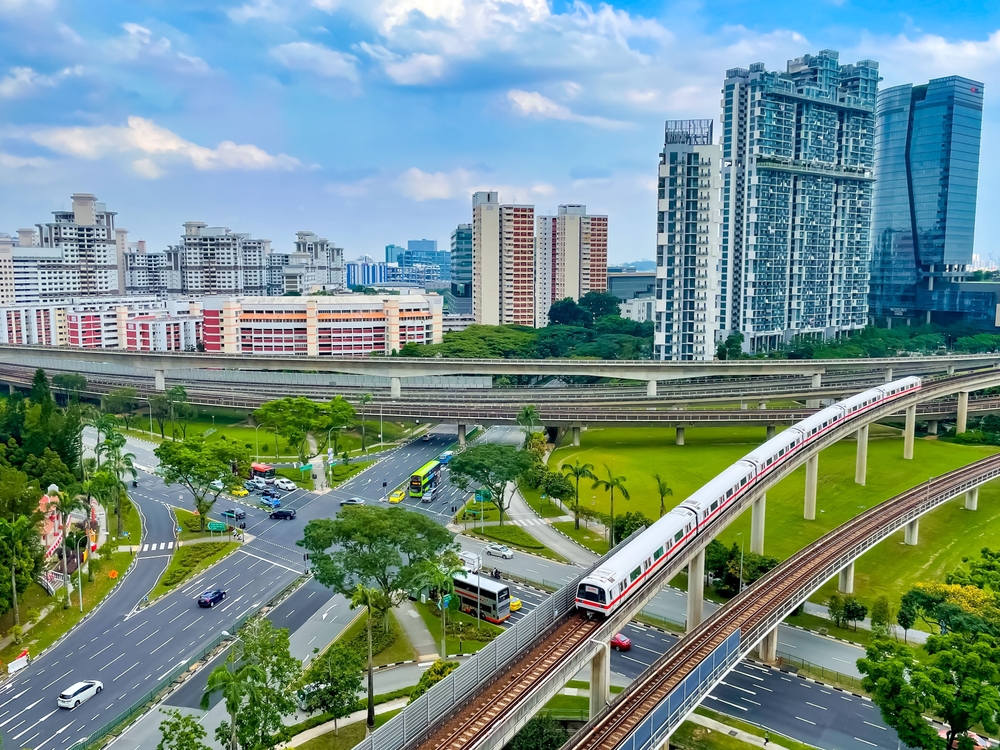
In Singapore, where trains and buses run almost everywhere, owning a car often feels like a luxury. But for many, it’s about independence, not necessity. Waiting for a driver or squeezing into a crowded train can’t match the feeling of getting behind the wheel and going where you want, when you want.
Ride-hailing apps like Grab and Gojek have made getting around easier, but they also come with limitations. Surveys in the region back this up: in one large poll, over 80% of users said they had experienced driver cancellations, while more than 60% reported surge pricing as a regular frustration. These small frustrations remind people that convenience isn’t the same as control. With their own car, Singaporeans can decide on their timing without anyone else’s schedule in mind.
Emotional Attachment Runs Deep
Car ownership in Singapore often symbolises success. With Certificate of Entitlement (COE) prices sky-high, owning a car isn’t just practical, it’s an achievement. People see it as a personal milestone, something earned through hard work.
A study by the University of Leeds found that emotions strongly influence travel choices. Pride, satisfaction and even nostalgia drive car owners to stick with their vehicles despite the cost. In Singapore, many associate their first car with freedom — the first drive down the expressway or that weekend trip to Johor Bahru. These memories go beyond logic or cost calculations.
Privacy & Comfort
Privacy is also a key reason. In a car, you can talk freely, unwind after work, or enjoy some silence. Singapore’s busy environment leaves few private moments, so a car becomes a kind of personal sanctuary.
Some Singaporeans prefer driving themselves for safety reasons, especially late at night. Women often say they feel more secure behind the wheel than waiting for a ride. People with motion sickness, vertigo, or vestibular disorders also find driving better. They can anticipate turns and control acceleration, which cuts down nausea and dizziness compared to being a passenger. That sense of security and physical comfort adds to the emotional benefit of ownership.
Your Own Space on Wheels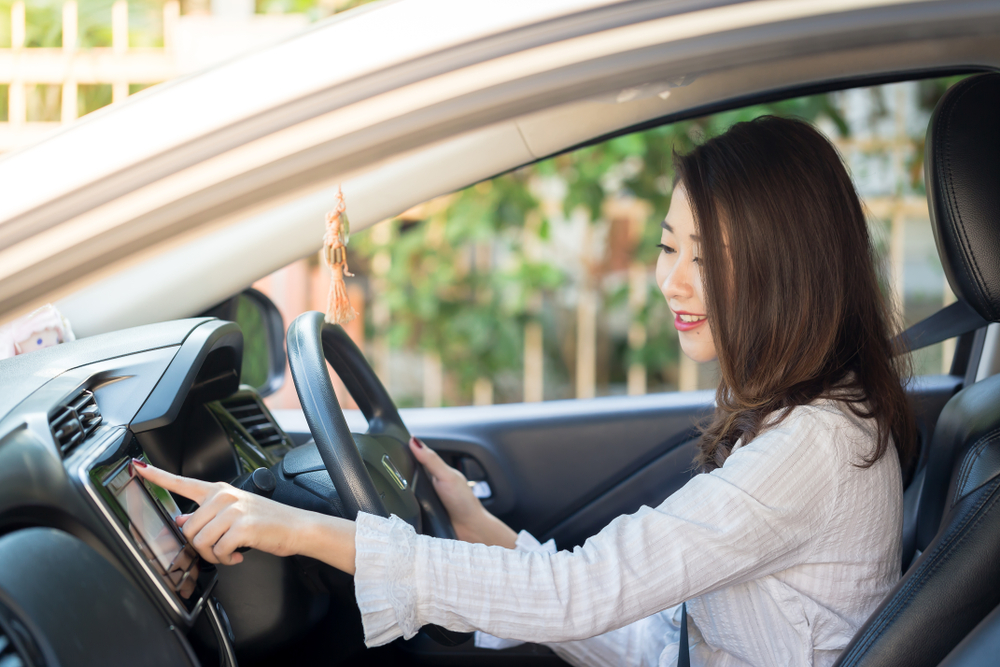
A lot of drivers treat their cars as personal extensions of home or office space. In a city where space is tight, that small, air-conditioned cabin becomes comfort on wheels. You take calls before meetings, sip kopi during traffic jams on the PIE, keep a change of clothes for post-work gym sessions or drinks, or enjoy music that’s just right.
Cars also reflect identity. A clean hybrid hatchback says something different from a bold SUV or an old manual sports car. In image-conscious Singapore, that self-expression still counts.
The Practical Reality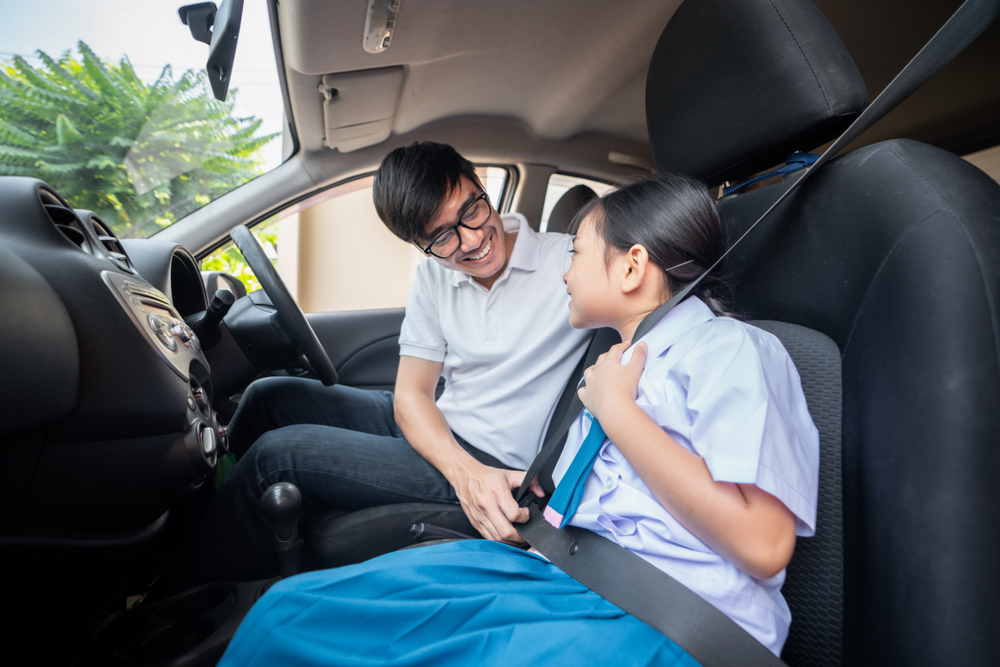
Owning a car in Singapore is indeed expensive. The share of households owning cars has fallen from about 40% in 2013 to roughly 33% in 2023, even though the number of privately owned cars has stayed fairly steady at around 520,000 to 525,000. Over the same period, the total car population, including taxis and private-hire vehicles, has risen to roughly 600,000 in recent years. For some families though, owning a car still feels practical.
Parents with young children face extra hurdles with ride-hailing. Finding private-hire vehicles (PHVs) equipped with proper child restraint systems, mandatory for kids under 1.35m, is tough. Many drivers don’t have them installed. With young children or elderly parents, constant travel to school, work, and appointments means flexibility matters more than cost. During the COVID-19 pandemic, when sharing rides felt risky, some households actually bought cars for safety and mobility.
Globally, McKinsey’s ‘Future of Mobility 2023’ report showed that while younger consumers try shared options, most households still keep at least one car for flexibility. In Singapore, where efficiency is prized, that same logic applies differently: people prefer having a backup plan when the public system slows or when the weather turns bad.