

In Singapore’s heat and humidity, tyres wear faster than you think. While most drivers look at tread depth, it’s the hidden signs — cracks, bulges, and vibrations — that often warn of trouble first.
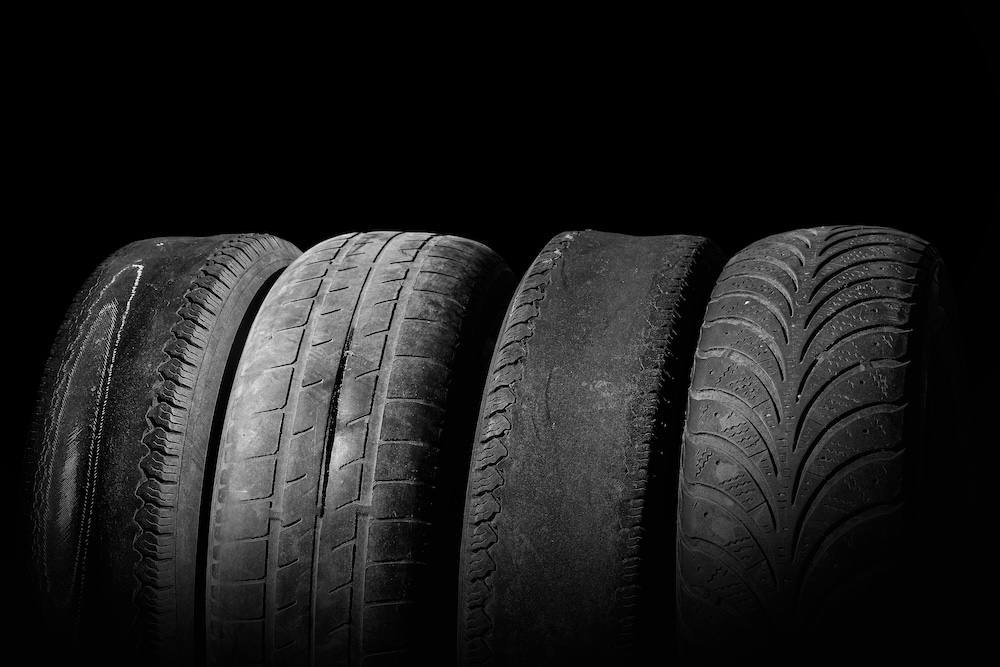
Singapore’s weather hits tyres hard. Heat stiffens rubber, while tropical downpours loosen grip and test safety. Most people know to check tread depth, but cracks and bulges often appear long before the tread wears out. When tyres start losing their flexibility, they grip the road poorly, something you’ll notice most on expressways like the PIE or ECP, where wet surfaces increase the chance of hydroplaning. Continuing to drive with worn-down tyres affects braking distance, cornering, and control. Combine that with uneven road surfaces or constant stop-and-go traffic, and tyres age faster than expected.
Start With The Sidewall
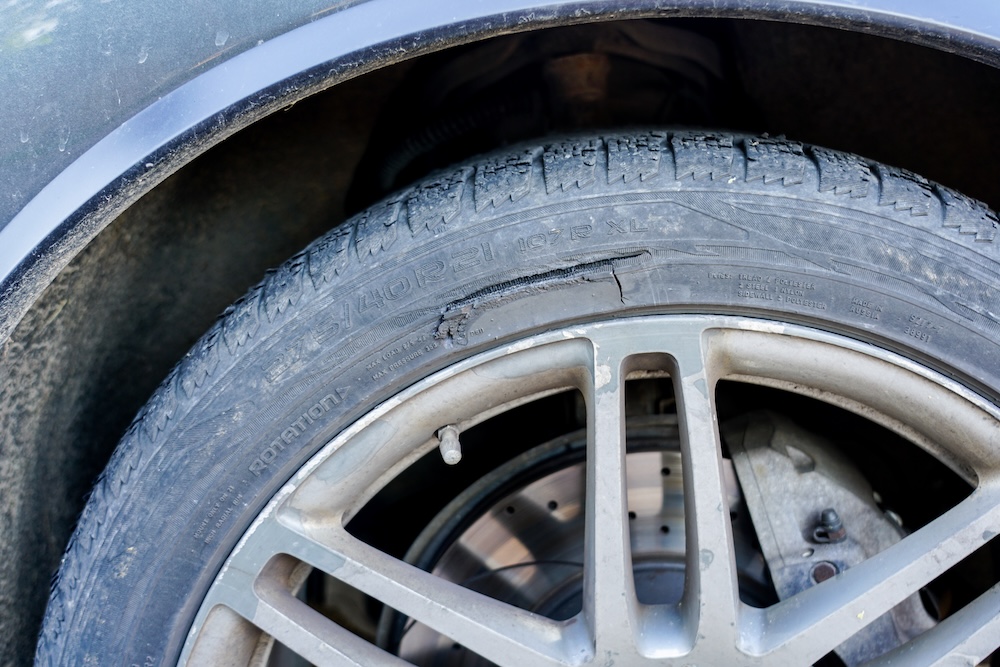
Sidewalls are the unsung heroes of every tyre. They bear the car’s weight and absorb shock from potholes and curbs. Over time, constant contact with these road obstacles can cause small cuts or cracks. In humid conditions, those cracks can deepen quickly. You can check their condition simply by running your fingers along the surface. If it feels uneven or rough, that’s a sign the tyre’s structure may be weakening.
A “blowout” happens when pressure builds inside a damaged tyre and bursts through its weakest point, usually along the sidewall. It can happen suddenly, often at high speed, causing a loss of control. Sidewall damage shouldn’t be ignored as it compromises both strength and stability, making it especially dangerous when driving on highways where speeds amplify the risk.
Watch For Bulges And Blisters

Bulges or blisters that appear after hitting speed bumps or driving through floodwater mean the internal cords have broken beneath the surface and this weak spot expands the more you drive. Even small bulges can cause tyres to burst, especially when travelling at highway speeds.
Once a tyre forms a bulge, no patch can safely repair it, and the only real fix would be a replacement. Local workshops often report more of these cases after heavy rain, when hidden puddles create sudden road impacts.
Feel The Vibration

If you feel shaking in your steering wheel or seat around 80 km/h, it’s often due to wheel imbalance or misalignment. Misalignment, contrary to common belief, usually stems from the car’s suspension rather than the tyres themselves. When your wheels point slightly off-centre, the tyres wear unevenly which leads to one edge balding faster than the other. This uneven wear affects how your car handles, making it harder to steer straight, especially on slippery roads.
Check your tread by running a coin across the width. If one side is noticeably thinner, your tyres may not be evenly balanced. Regular tyre rotation every 10,000 kilometres helps spread wear more evenly. Since most Singapore driving involves frequent braking and acceleration in traffic, alignment checks are worth scheduling twice a year.
Factor In Age And Heat
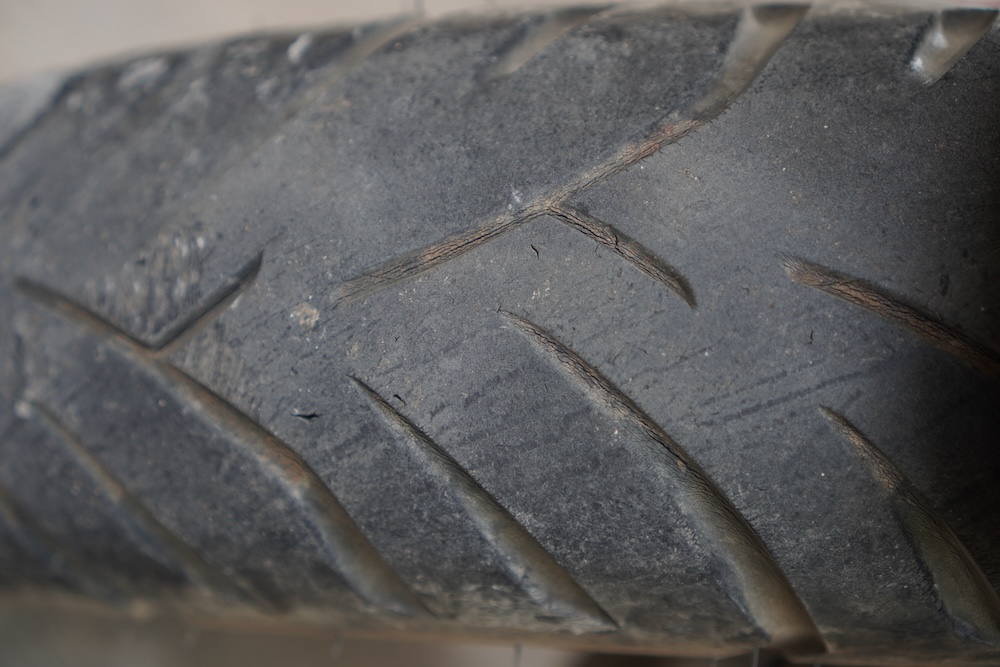
Even tyres on rarely driven cars can age badly in Singapore’s weather. The damage comes from heat, not distance. To check their age, look for a four-digit date code on the sidewall: it shows the week and year that the tyre was made. After six years, exposure to sunlight and UV rays hardens the rubber. Hard tyres don’t grip well, and they hydroplane easily when water builds up under them. Bridgestone and other manufacturers recommend replacing tyres every six years, regardless of mileage.
Older tyres also become thinner and lose resilience. Repeated punctures or air loss mean the compound has weakened. It’s better to replace them early than risk a blowout on expressways during heavy rain.
Spot Dry Rot And Cracks

Parked vehicles face slow and invisible degradation. Sun exposure causes dry rot: fine cracks that spread across the tread and sides. At HDB carparks, where cars sit in the heat daily, cracks form faster. Flex the tyre gently; if you see white lines or feel brittle rubber, grip will be poor in wet conditions. Washing tyres monthly can slow cracking, but once they harden, control drops sharply.
Hard rubber can’t channel water away well. That’s why in the rain, corners feel loose, and the car slides early even at moderate speed. If you notice this, test carefully in an empty and dry car park. Tyres that drift outward too easily likely need replacing.
What to Listen to and Look For
Fuel consumption often rises with worn or damaged tyres. When rubber stiffens, rolling resistance increases, forcing your engine to work harder. If your mileage suddenly drops, check tyre condition and air pressure; underinflation worsens drag. New tyres generally roll more efficiently, saving money over time.
Unusual noises also tell a story. Thumps or humming sounds can come from flat spots or internal defects, sometimes caused by sudden, hard braking. Even a one-time incident can trigger this. The noise might vary depending on the road surface, but if it persists or repeats, have a mechanic inspect it soon. Quiet tyres mean healthy tyres.
Lastly, look for discolouration. If your tyres turn brown or grey, the rubber is breaking down from UV exposure or oil contact. This is common in Singapore’s humidity. Cleaning tyres with mild soap monthly helps slow decay and lets you spot changes early.
Tyre Care Checklist

Run through these checks once a month to keep tyres in shape and avoid costly mistakes:
- Inspect tyres in a safe, well-lit carpark. Look for cracks, bulges, or fading.
- Use a one-dollar coin for tread depth. Push it into a groove; if you can see most of the gold rim, it’s time to replace.
- Keep tyre pressure at manufacturer-recommended levels (usually printed on the driver’s side door frame). Check when tyres are cold.
- Rotate front and rear tyres every 10,000 km to spread wear evenly.
- Park in the shade or indoors to reduce sun damage.
- Clean tyres regularly with water and mild soap to prevent dry rot and remove heat residue.
- Schedule alignment checks twice a year, or if you notice vibration or uneven wear.
Stay Roadworthy, Check Your Tyres Now
Tyres are easy to forget until something goes wrong. A quick check each month keeps you safer in Singapore’s unpredictable weather. Stay alert, especially before long drives or wet seasons. Good tyres don’t just smooth the ride, they keep you alive.