

Car seats shape how you feel after every drive. They support your body, fight fatigue and guard against pain. In Singapore’s gridlock, good ones keep you going strong.
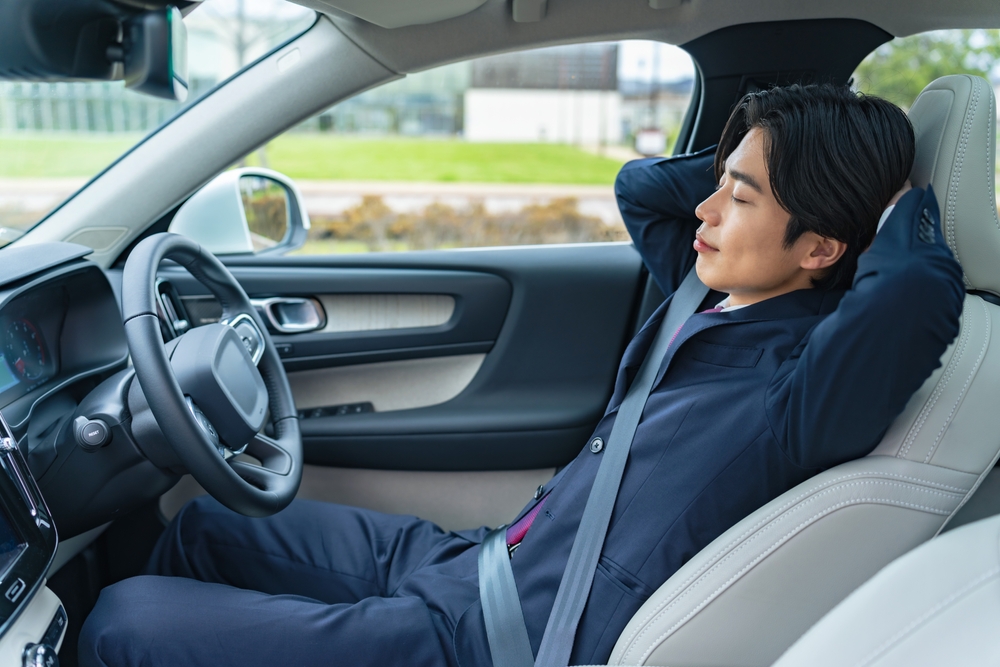
People spend a lot of time behind the wheel, and in Singapore, those minutes out on expressways like the AYE and CTE during the peak-hour crawl. Many factory seats are flat, too soft or lack proper lumbar and thigh support, so the lower back has nothing to rest on and the legs take more load than they should. Over time, this kind of “bad seat” design causes drivers to slump, push their heads forward, and round their shoulders, which leads to backaches and stiff necks after even a short trip. Research from studies such as the Vehicle Seating Intervention Trial and work on individual-specific automotive seat design shows that poor driving posture changes spinal alignment and increases pressure on discs and muscles, which is why non‑ergonomic seats are linked to discomfort and fatigue.
Ergonomic seats aim to address this by shaping the backrest, headrest, and cushion to follow the spine’s natural S-curve and support key areas, including the lower back, hips, and thighs. They often offer adjustable lumbar support, a slight recline of around 100 to 110 degrees and firm, contoured cushions, which is very different from many standard factory setups that only let you slide the seat back and forth. When posture is supported in this way, drivers are less likely to develop chronic issues such as persistent low back pain, tension headaches, or leg numbness caused by nerve compression. Adjustable seats also help distribute body weight more evenly and keep blood flowing to the legs, making long drives feel easier and keeping drivers more alert.
Local drivers know how much the mix of heat, humidity and stop-start jams can wear them down. That is why seat design and setup matter as much as engine power or fuel economy: getting the seating right protects your body, keeps you focused in heavy traffic, and turns daily drives into something your back and neck can actually handle.
What Ergonomics Means for Seats
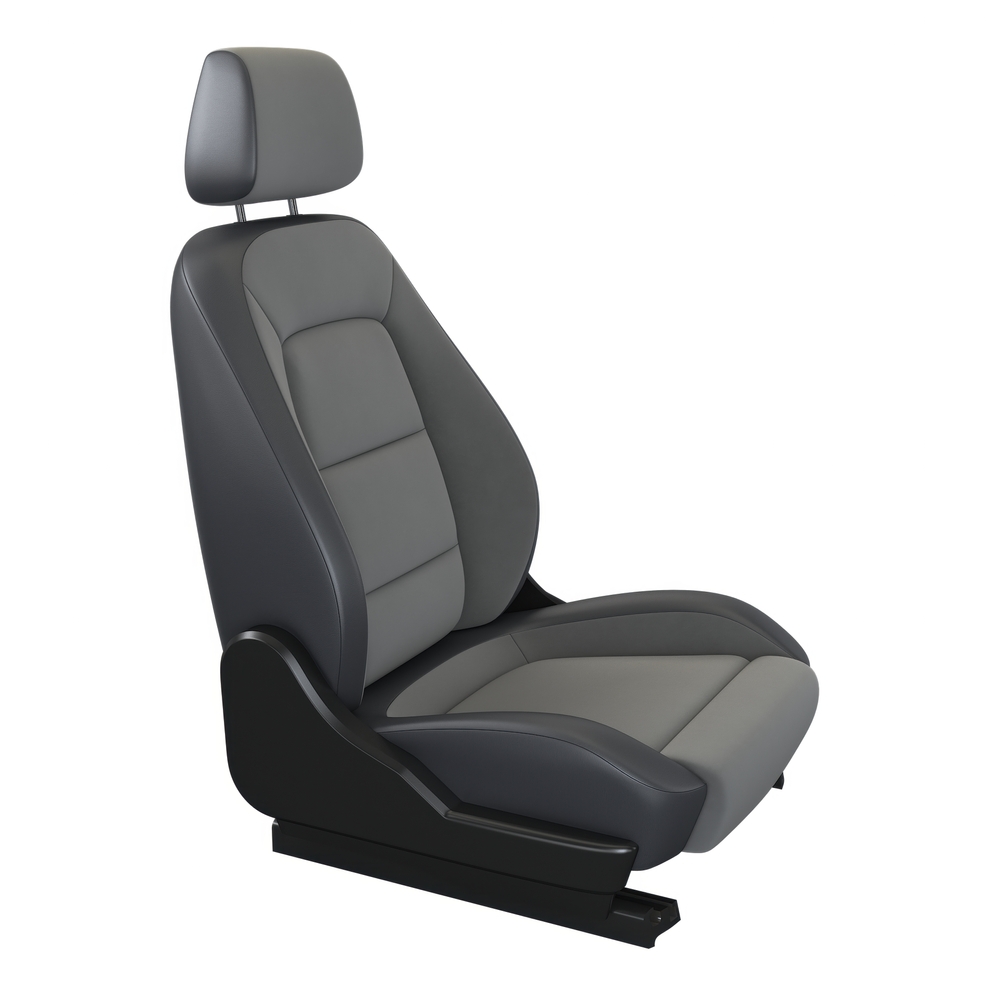 Ergonomic car seats typically offer features that match the body’s natural shape. They start with the spine’s S-curve, which good designs support from neck to tailbone. Lumbar support — a built-in curve or adjustable knob — fills the natural gap in the lower back.
Without this, drivers slouch forward. That presses spinal discs unevenly and fatigues muscles around them. Over time, it leads to chronic lower back pain and tight hip flexors. Studies show just 10mm of targeted lumbar push reduces that disc pressure and eases pain signals to the brain right away.
Tilt the backrest to 100-110 degrees instead of a stiff 90. This angle slightly opens the hips and reduces spinal load compared with upright sitting. Headrests sit level with the top of your head. They catch it in sudden stops to prevent whiplash.
The seat base contours so hips nestle in without sliding. Thigh support—raised edges under the legs—stops you from sliding forward too. This keeps knees slightly bent and unlocked. Blood flows better to the lower legs, which helps fight numbness on long drives.
In humid Singapore, sweat soaks standard upholstery fast. Breathable fabrics, such as mesh or perforated leather, allow air to circulate and dry more quickly. Firm foam, with a density of around 2.5 pounds per cubic foot, holds its shape without flattening or bottoming out after months of use.
How Comfort Builds from Smart Design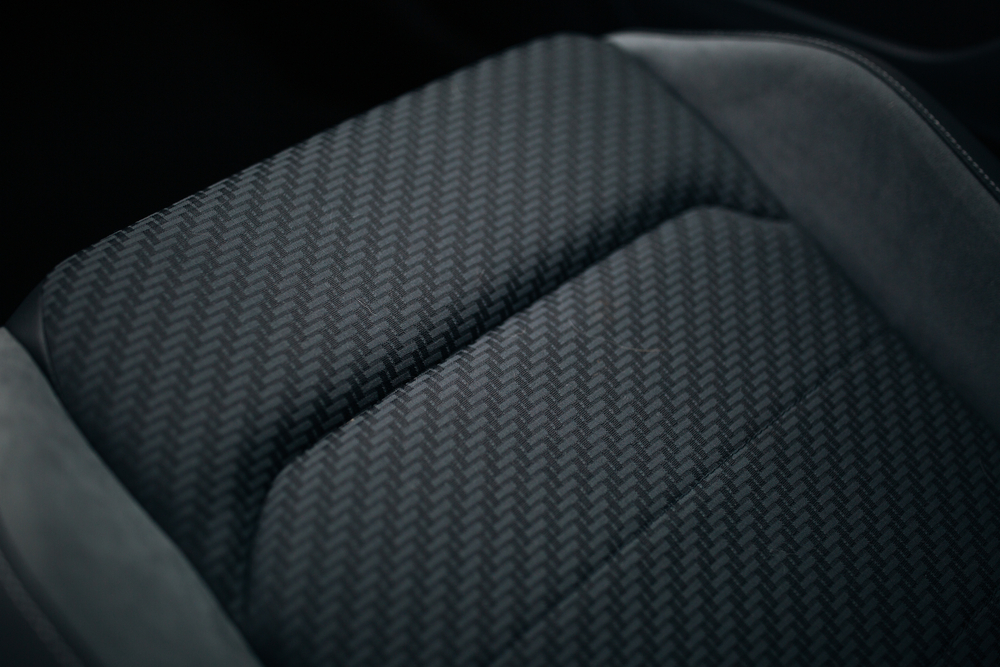
Comfort comes from spreading pressure evenly across the body. Good cushions lift weight off pressure points like the tailbone and thighs. This lets muscles relax and blood flow steady. Factory seats often have thin foam that bottoms out quickly. Dynamic cushions fix that by gently shifting posture. One trial showed they reduced the risk of neck pain by 81 per cent and back pain by 84 per cent over months.
Breathable mesh keeps sweat down in Singapore’s sticky heat. Heat and moisture build up fast without it, leaving you soaked and sticky. Contours follow body lines without tight squeezes. Side bolsters hold you steady through corners on the PIE in rush hour. Jolts hit hard otherwise.
Memory foam moulds to your shape over time. It eases existing pressure on sore spots and helps prevent new pain by cradling the body evenly. The foam snaps back quick too. Test any seat in a showroom. Sit for 15 minutes. Poor ones pinch nerves right away.
Health Gains You Can Count On
Seats go beyond comfort. They shield spines from road vibrations and bumps common on Singapore streets. Good designs soak up shock to keep everything steady. One study compared different seat setups to standard ones and found good ergonomic seats produced less head tilt and smaller pelvis shifts during drives. This holds the neck and back in line. Over years, it cuts odds of chronic disorders like disc wear or muscle imbalance.
Local drives average 45 minutes a day. That stacks up fast. Less daily strain means fewer trips to clinics or physios. Kids benefit big too. Proper seats slash crash injuries by 70 per cent for children under 10kg, mainly by keeping head and torso secure. They support growing bones just right. Adults gain a sharper focus as fatigue fades with solid posture. Doctors tie slumps to headaches and nerve pins. Start with seat fixes. Payoff shows quickly.
Singapore Rules Shape Seat Choices
Singapore takes in-car safety seriously, and this directly affects how people choose and set up their seats. Children under 1.35 meters tall must use an approved restraint system, covering all children from infants in rear-facing seats to older kids in boosters. These child seats must meet recognised safety standards such as ECE R44/04 or ECE R129 (i-Size), as reflected in international UN Regulation No. 129 for enhanced child restraint systems. Local summaries of Singapore’s rules, such as this guide on car seat rules in Singapore, also reference these standards for compliance. Parents are expected to install and use them correctly on every trip.
Taxis are generally exempt from the child seat rule, but most safety experts still recommend placing children in the rear seats whenever possible. Private-hire and personal cars must comply fully, and drivers who ignore the law can face fines starting around S$150 and demerit points. Seat belts are required for all passengers, front and back, which means every seating position needs to be usable and comfortable enough that people will actually stay buckled.
Features That Work for Real Drives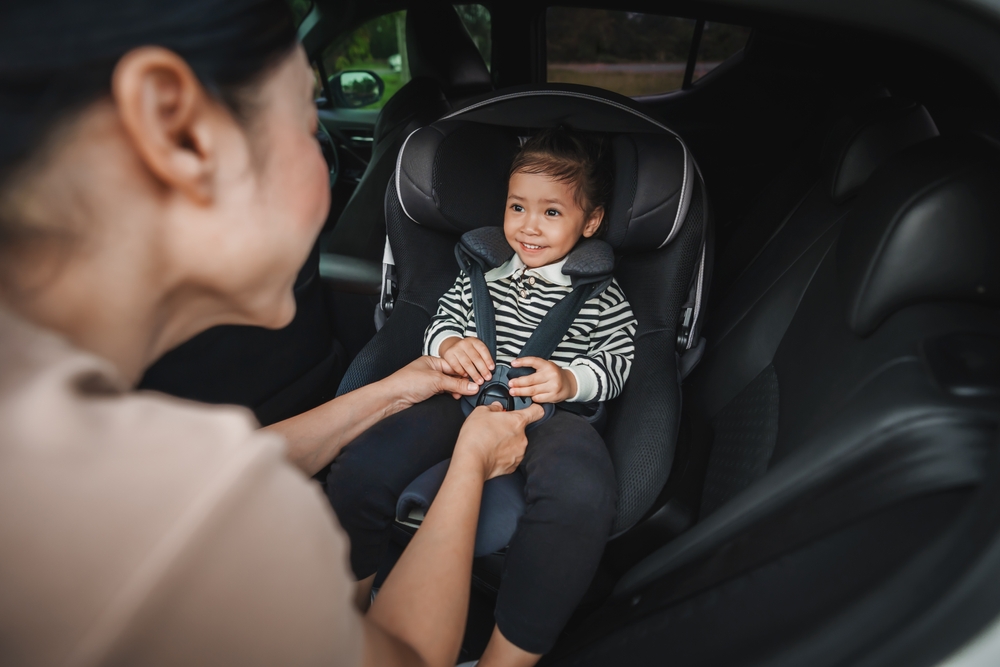
Adjustable lumbar dials top the list for everyday use. They let drivers of any height dial in support right where the lower back needs it most. Side bolsters hug the hips and torso firmly. They cut side-to-side sway on winding roads or sharp lane changes common around Singapore’s interchanges.
Recline the backrest to about 100-110 degrees for best results while driving. Research from Automotive Ergonomics Studies, including reviews by the University of Michigan’s Transportation Research Institute, shows this angle balances spine support with clear visibility and control reach, reducing slouch compared to a stiff 90 degrees. Headrests must lock in place with no play. They protect against whiplash during rear-end bumps in traffic. For families, ISOFIX anchors make child seat installs quick and secure, reducing wiggle room in crashes.
Thigh extensions or adjustable seat bases lift the legs just right. They keep the knees at a comfortable bend and prevent pressure buildup on long sits. Steer clear of deep bucket seats. They tilt the pelvis forward and trigger slouching over time. Foam density matters too. Look for around 2.5 pounds per cubic foot. It holds its shape without going flat after months of use.
Test pedal reach before committing. Knees should bend easily, and mirrors need to stay in view without craning the neck. Stack these features together, and drives turn smoother, with less fatigue even in peak-hour gridlock.
Steps To Set Up Your Seat Right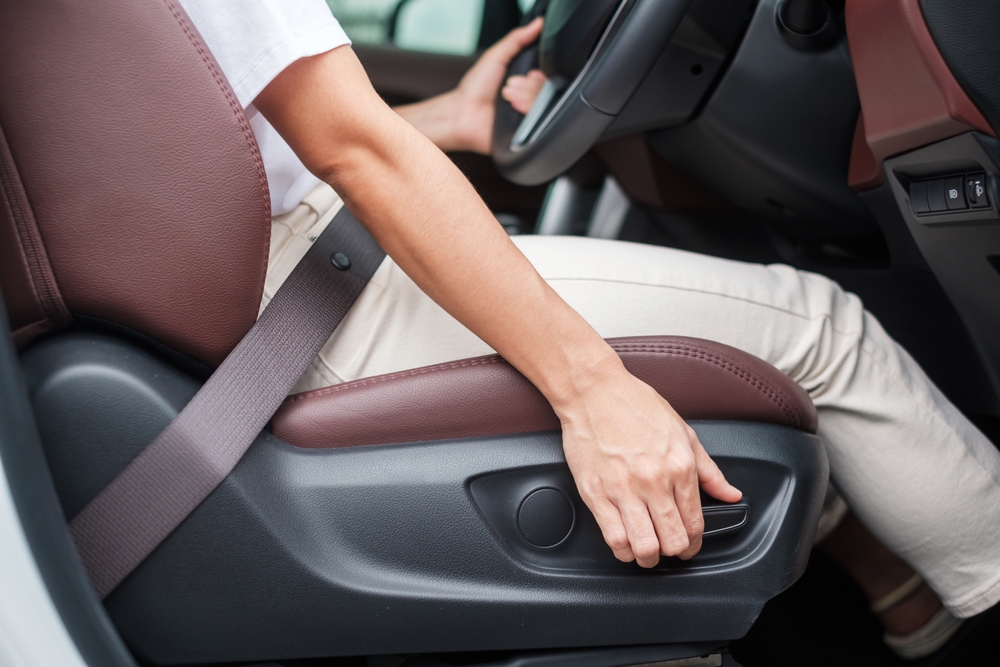
Begin with seat height. Set it so your hips sit level with or slightly higher than your knees. This keeps pressure even across the thighs. Slide forward until your back presses fully against the rest. No gaps mean better support from top to bottom.
Position the steering wheel at chest height. Your elbows should bend loosely at about 120 degrees when your hands rest on them. Add a lumbar pad or adjust the built-in one to fill any curve in your lower back. Set mirrors without leaning or stretching. They stay in view through small head turns only.
Test with a hard brake from the passenger seat if possible. Your head should contact the headrest without slipping into a gap. In Singapore’s traffic jams, weight shifts side to side every few minutes. Stretch your neck at red lights and sip water to stay alert. Local physiotherapists recommend this routine. It heads off most back and neck aches before they start.
Check cushions yearly for sag. Flat foam loses support quicker and invites slumps. Tailor the setup to your build: short drivers should raise the seat higher, while tall ones should recline the backrest a bit more. Stick to the routine, and it keeps your body sound mile after mile.
Kids’ Seats Blend Safety and Growth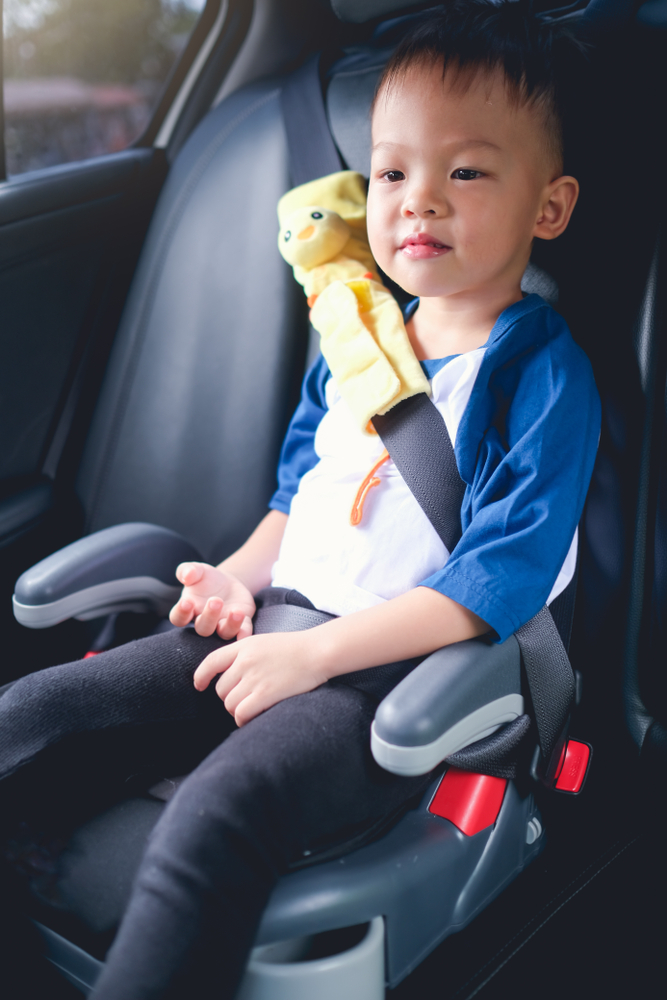
Children outgrow straps fast, so pick seats that last through stages. Rear-facing works best for babies and toddlers. It keeps the head, neck and spine aligned to absorb crash forces best. Switch to forward-facing only at the manufacturer’s weight or height limits, usually around 18kg or 10 5cm.
Boosters come next for bigger kids. They raise the seat so the adult belt fits right: lap belt low across the hips, shoulder belt clean across the chest, not neck. In Singapore, skipping any of this results in a fine of S$150 and demerit points for the driver. Taxis can use portable seats because they don’t have to install fixed ones, but rear seats are safest. Ride-hailing companies like Grab and Gojek are also starting to offer options with built-in boosters and child seats for young passengers, making family trips easier without parents lugging gear.
Check expiry dates on all child seats. Foam breaks down after six to ten years, even when unused. The wrong size increases the risk of injury in accidents. Local baby stores, such as Mothercare, and online retailers stock approved options with ECE R129 marks. Test the harness fits snug on your child, with no pinch or slack. Teach them to buckle up on their own as they grow. Good posture in seats plants habits that stick for life.
Gains Stretch Far Beyond the Wheel
Good seats build posture habits that carry over to desks, sofas and daily life. Slumps in cars can train the body wrong, but proper support keeps the spine aligned. Less pain means more energy for work, family, or whatever comes after the drive. Roads get safer, too, because alert drivers spot hazards more quickly without neck strain or fatigue from fog.
Studies link ergonomic seats to reduced fatigue on long trips, and Singapore’s packed roads make that edge count even more. Heavy traffic tests every setup. Drivers who invest time in adjustments see returns quickly: fewer aches, sharper focus, and even fewer doctor visits. Insurance claims for back issues or minor crashes often stem from poor seating, too, so solid choices pay off there as well.
Think lifetime, not just one commute. A well-fitted seat shifts how the whole day feels, from morning rush to evening unwind. It stacks small wins into real health over the years.
Takeaways For Smarter Driving
Car seats tie directly into daily life and road time. Science shows their real impact on comfort and health. Adjust yours with care to match your body. Follow Singapore’s rules on restraints and belts. Health gains and easier drives come from these steps. Local traffic pushes limits, but smart seat choices make it manageable. Drive steady and stay pain-free.