

Walking On Waves With Spingle: Inside Japan’s Quiet Cult Sneaker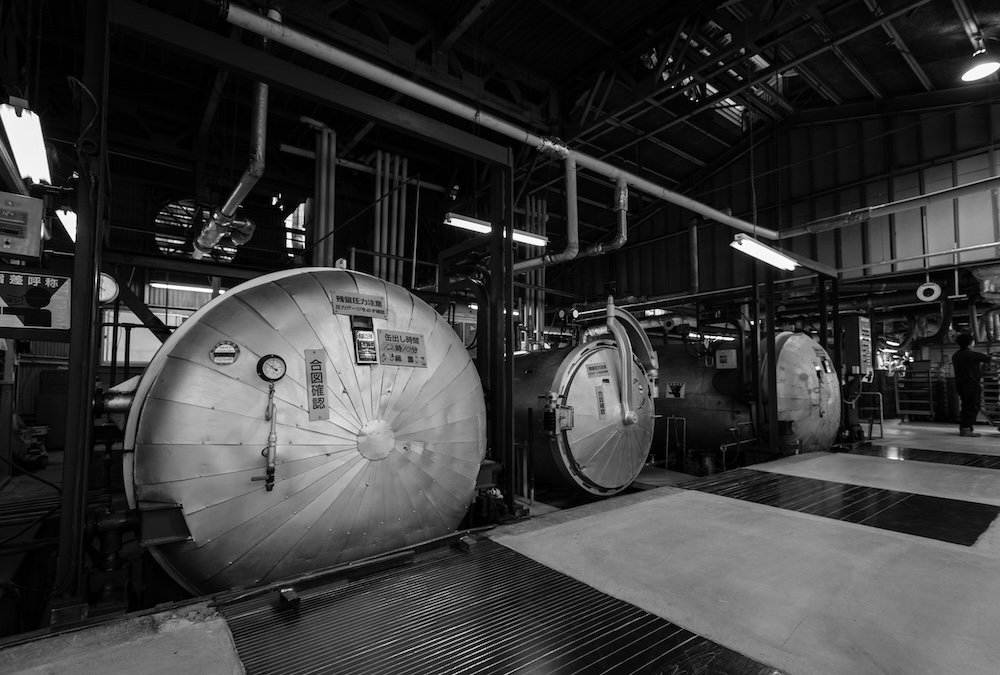
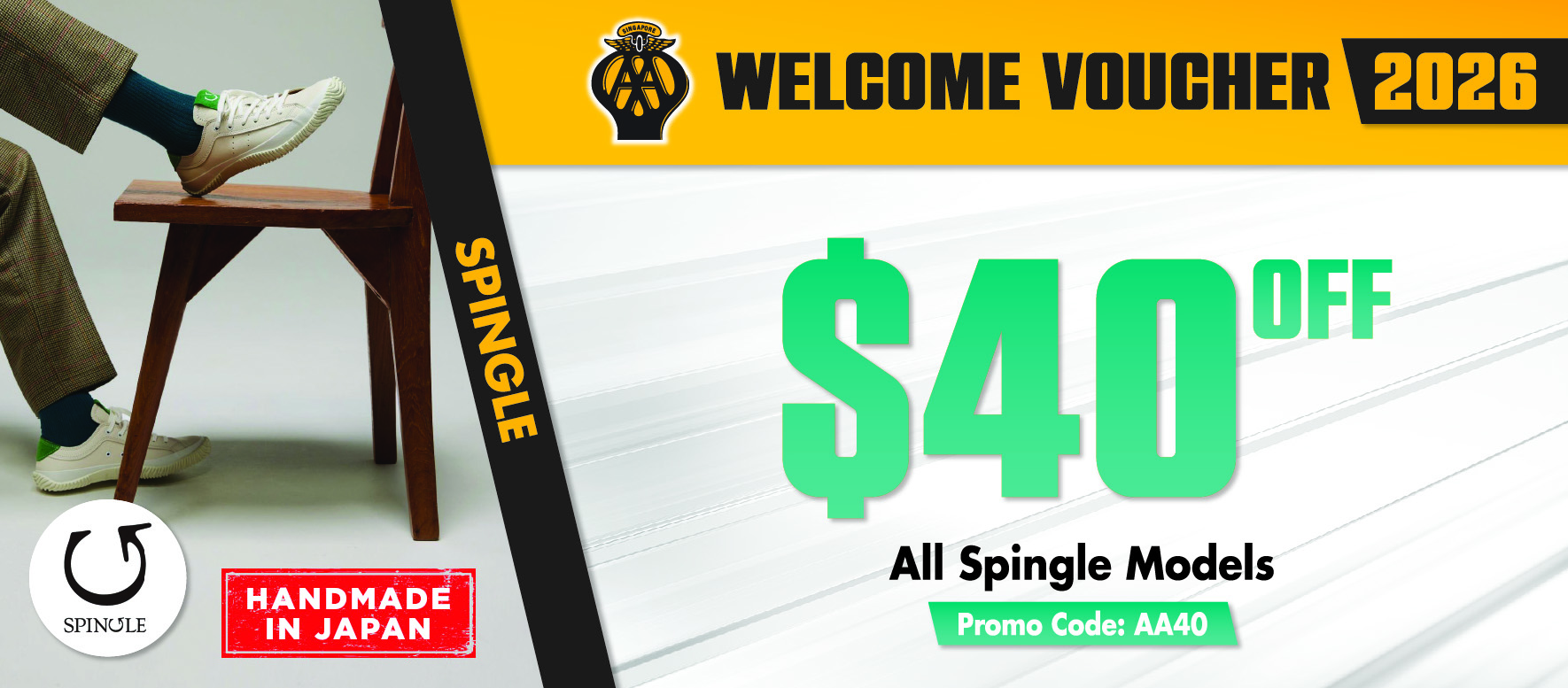
Spingle started life long before anyone referred to it as a sneaker brand. It grew out of a rubber manufacturer in Fuchu City, Hiroshima, a town known for crafts and small factories. The parent company, Nichiman, supplied rubber products like boots and shoe parts, and built up decades of know-how in working with rubber.
By the 1990s, cheap imported sneakers were flooding Japan and squeezing out local factories. Nichiman faced real pressure, and worried that its skills, machines and workers would be left behind. Instead of shutting down, a small team decided to create something the big global brands could not copy easily. That became Spingle Move, launched in 2002 as a made-in-Japan sneaker that leaned into handwork rather than mass production.
A Rolled Sole You’ll Recognise from Across the Room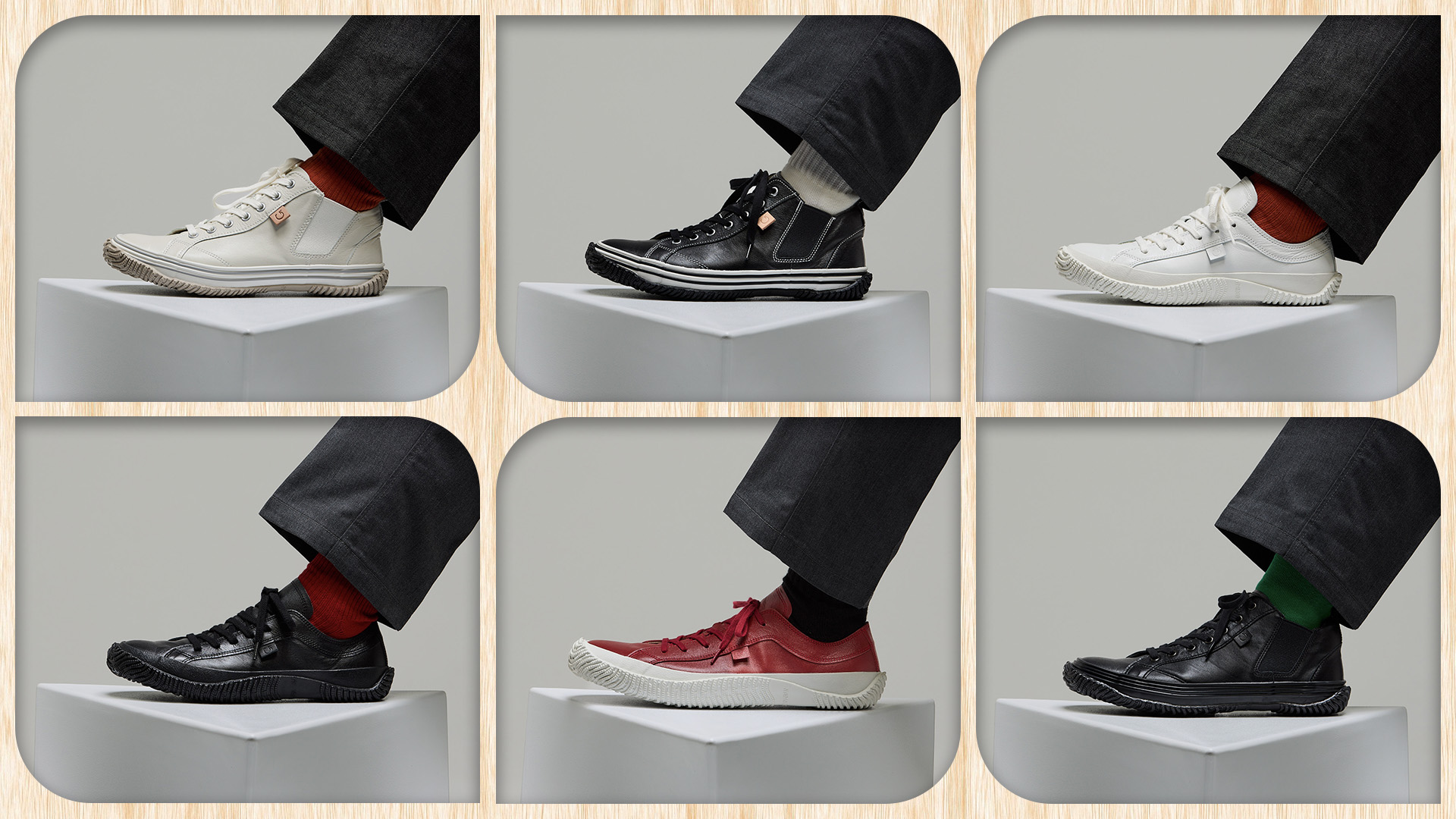
If you look at Spingle sneakers, the first thing that jumps out is the ‘rolled’ sole that curls up around the front and sides of the shoe. This design is the reworking of an old gym shoe design that the team found in the factory archives. Over time, that rolled sole became Spingle’s signature. Even if you don’t know the brand by name, you can often spot that silhouette.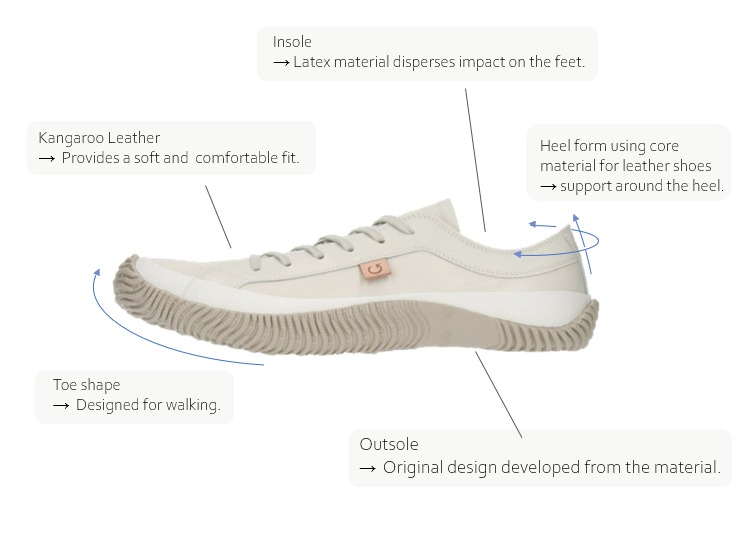
The rolled sole isn’t just for looks. The way the rubber wraps around the upper helps lock the shoe together and gives more grip and protection at the toe and side. It also cleanly frames the leather or canvas, which makes the shoe sit nicely between a dress shoe and a sneaker. That makes it easier to pair with jeans, chinos or even smart-casual office wear in a city like Singapore, where people often move between air-conditioned offices and humid streets in one day.
Handmade in Hiroshima: Why Vulcanisation Still Matters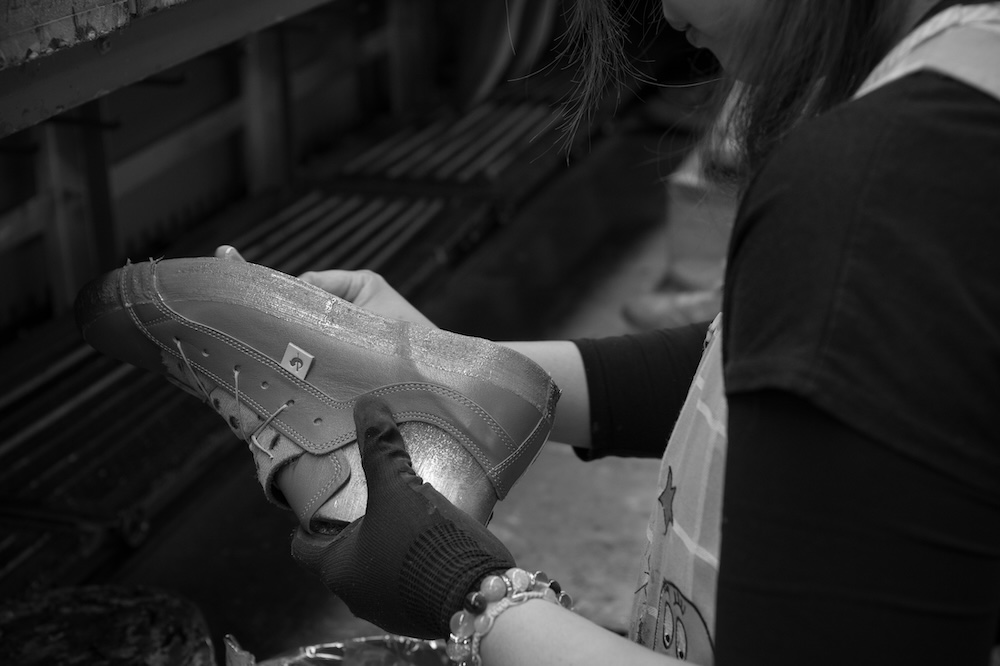
Spingle shoes are made using a traditional vulcanisation process, which is slower and more labour-intensive than what most big sneaker brands use today. In vulcanisation, the rubber sole and the upper are baked together in a kiln-like chamber so the bond becomes very strong. This technique has been used for decades in classic canvas sneakers and work shoes.
Because Spingle controls its own factory in Fuchu and still uses this method, workers can adjust details in small batches and keep quality consistent. Each pair goes through multiple steps by hand, from cutting and stitching leather to placing the shoe on the last to aligning the rolled sole. You don’t get perfectly identical pairs like a mass-market sneaker line, but that’s part of the appeal. Some people like that their shoes have tiny differences that hint at human handiwork.
Leather, Fit, and How Spingle Feels on Foot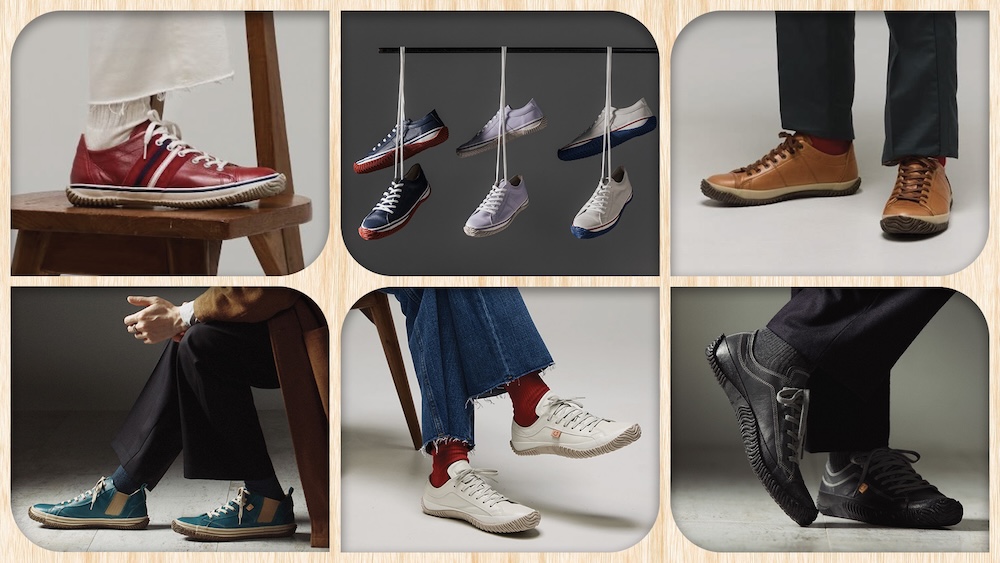
Spingle is best known for its leather models, especially the SP-110, SP168, SP-198 & SP-442, which have become core styles.
The SP-110 is a low-cut sneaker that uses kangaroo leather for the upper, and a rolled sole with a wave-like tread pattern. Kangaroo leather is thin, soft and strong, so the shoe breaks in quickly but still holds up well over time.
The SP-442 is a mid-cut pair with side gore panels that make it easier to slip on and off. People often say it feels like the shoe wraps around the foot without feeling tight, which suits long days on your feet or commuting on public transport.
Many of these models have stayed almost unchanged since the early 2000s, which suggests Spingle prefers to refine details quietly rather than chase trends every season.
From Hiroshima to the World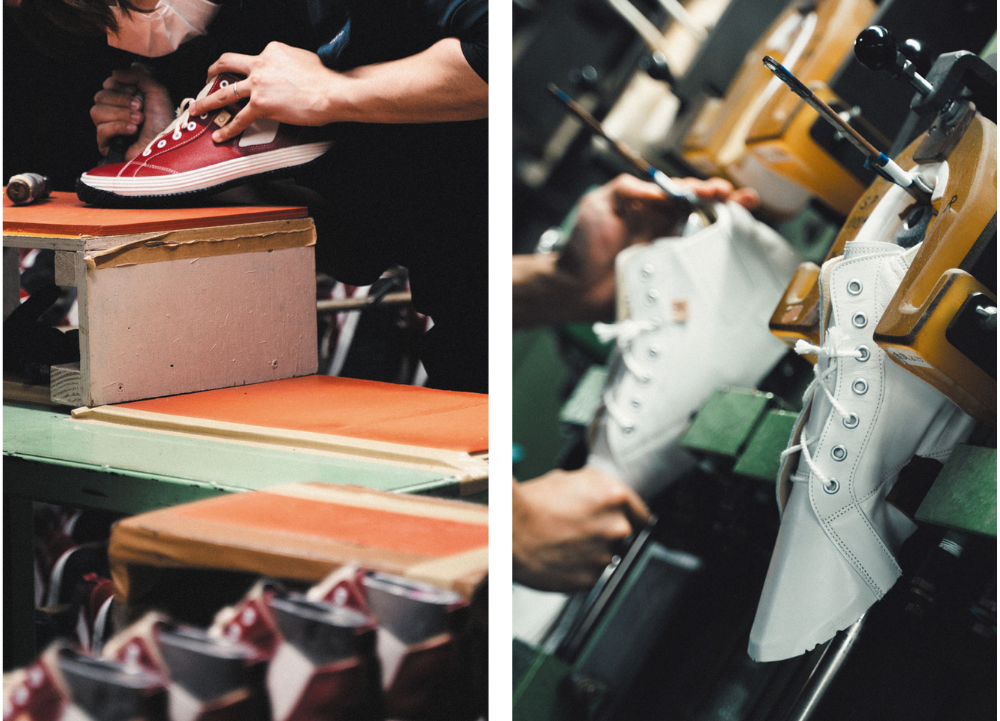
Spingle started as a way to keep one factory alive, but is now reaching customers far beyond Hiroshima. The brand sells through its own online sites and through selected retailers in Japan and markets abroad. It accepts payments in currencies such as USD, SGD and EUR, which shows that it now serves customers across North America, Europe and Asia.
The company does not publish detailed sales figures, but its parent once produced around 3.5 million pairs of shoes a year before pivoting toward higher-value, lower-volume products like Spingle. Instead of trying to compete with mass sneaker brands on volume, it focuses on people who care about origin, materials and build, including a niche but loyal group of collectors who track limited colours and runs that don’t stay on shelves for long.
Why Spingle Makes Sense in Singapore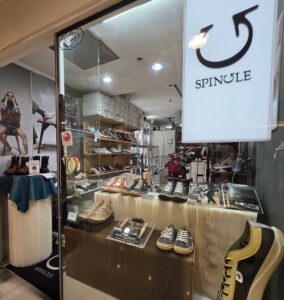
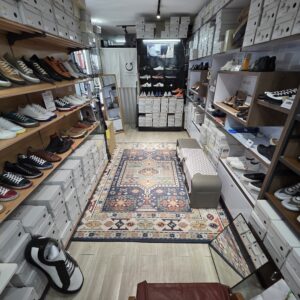
In Singapore, you can actually try Spingle in person. There is a retail outlet at 10 Anson Road, #02-88A, International Plaza, which gives local buyers a chance to feel the leather, check sizing, and see colours in real life. Spingle Singapore also runs an online store (spinglesingapore.com) for those who prefer to shop from home and pick up or receive free local delivery.
For a city where people walk a lot, commute on trains, and go from casual kopi runs to office meetings, Spingle sits in a useful middle ground. The shoes look neat enough for smart-casual settings but remain practical for humid weather if you choose lighter colours or canvas options. And because the soles are sturdy and the uppers are made to last, many buyers see them as a long-term purchase rather than a fast-fashion item.

The Appeal Of Quiet Craft Over Loud Logos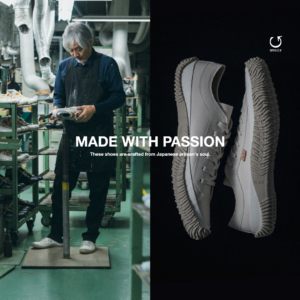
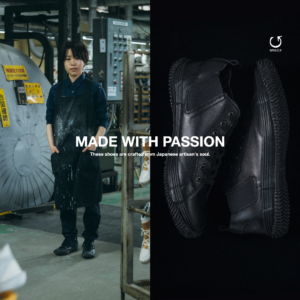
Spingle does not chase hype or big logo placement. The branding on the shoe is fairly subtle compared with many global sneaker names. For some wearers, that is the point. They want a pair of shoes that feels special and well-made but does not scream for attention.
This attitude fits a growing global shift toward “quiet” consumption, where people choose items that last longer and look less flashy. In Japan, that mindset has deep roots in ideas like monozukuri, or pride in making things well. Spingle reflects that: it tells its story through its factory, materials, and the way its soles are built rather than through heavy advertising.
What To Consider Before Buying
Spingle sits at a higher price point than many mainstream sneakers, especially once you factor in shipping or local retail margins. You are paying for Japanese manufacturing, leather quality, and a slower production method. If you rotate several pairs of shoes and take basic care of them, the cost per wear can work out well over the long run.
Sizing can feel a bit different, too, since the shoes are built on Japanese lasts and some models fit more snugly. It is worth trying them in-store if you can, or checking sizing guides online carefully before ordering. If you prefer very soft, cushy soles from the first step, Spingle’s firmer vulcanised base may take some getting used to, but many wearers find that it moulds nicely with time.
Walking On Waves: More Than A Tagline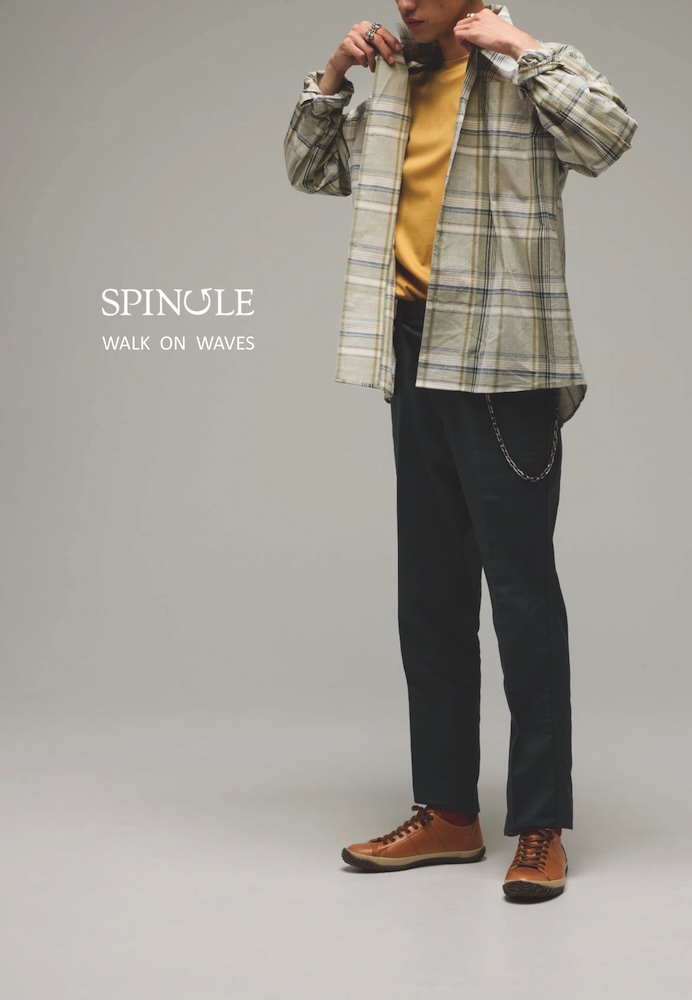
Spingle uses the phrase “Walk on waves” to express its brand spirit. It suggests that life does not move in a straight line and that there are ups and downs, like waves rolling in and out. The idea is that your shoes should help you move through that rhythm comfortably, with room for personal style rather than just function.
In a place like Singapore, where days are often packed, and the city runs at a fast pace, having something on your feet that feels steady, familiar, and quietly well-made can be a small but real comfort. Spingle will not be for everyone, and that is okay. But if you care where your shoes come from, how they are made, and how they age over years rather than months, it is a brand worth knowing about.