

Allergies are a part of life in Singapore, but when they strike behind the wheel, the results can be dangerous. Here’s why that sudden sneeze could cost more than you think, and how to keep yourself and others safe.
Singapore’s warm and humid air makes it an ideal breeding ground for mould, pollen and dust mites. For people who suffer from allergic rhinitis, this means never really getting a break. With no clear seasons, allergy triggers float around all year. It’s especially bad during haze periods, when pollutants blow into Singapore from neighbouring regions practising slash-and-burn agriculture.
Doctors at Mount Elizabeth and the National University Health System estimate that allergic rhinitis affects more than 13% of Singaporeans. Symptoms like sneezing, a runny nose, and itchy eyes sound harmless enough until they show up when you’re driving.
When a Sneeze Blinds You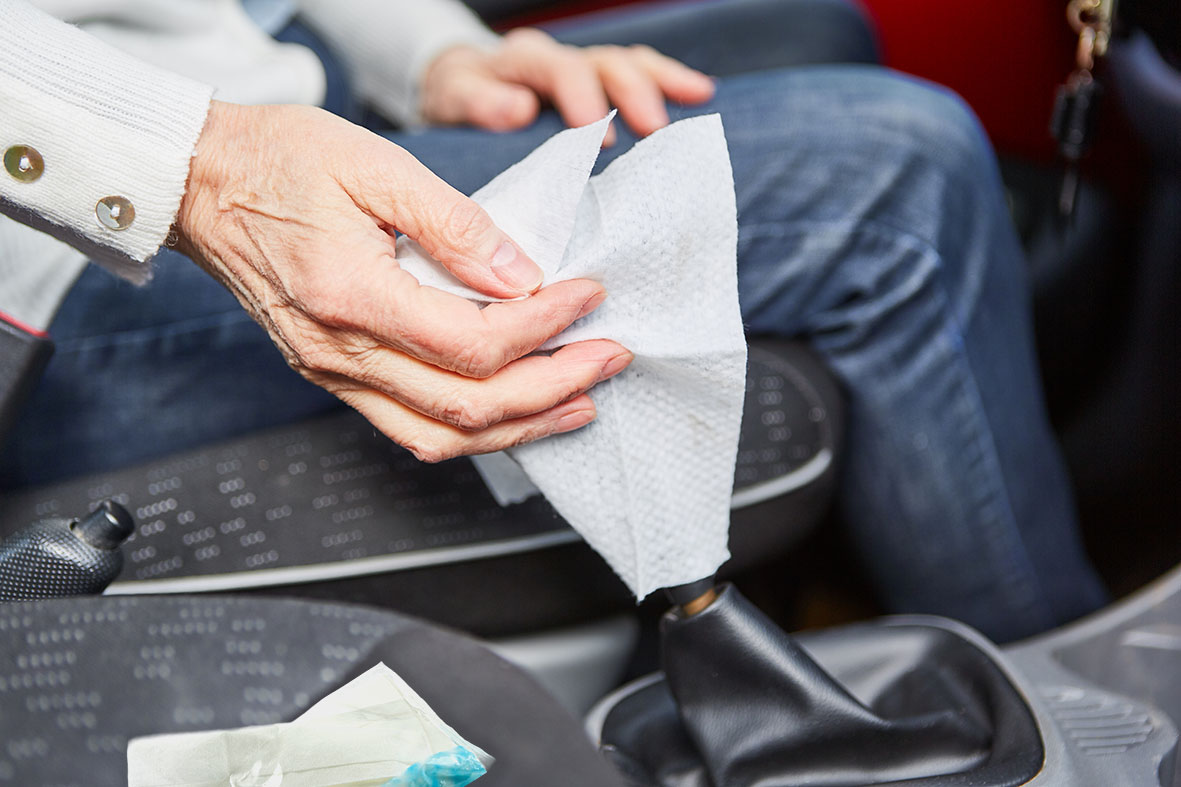
It’s easy to forget how long a sneeze lasts until you think about what happens while driving. At 90km/h, closing your eyes for just half a second means your car travels about 12m — that’s roughly the length of a city bus — without you seeing a thing. If you sneeze more than once or fumble for tissues, your attention is gone for even longer. It’s as bad as using a mobile phone while behind the wheel.
Sneezing might sound natural, but when it strikes unexpectedly on CTE or ECP, it can cause a serious accident. With Singapore’s dense traffic and motorbikes weaving between lanes, small lapses in attention can have big consequences.
Medicine Can Help, or Make It Worse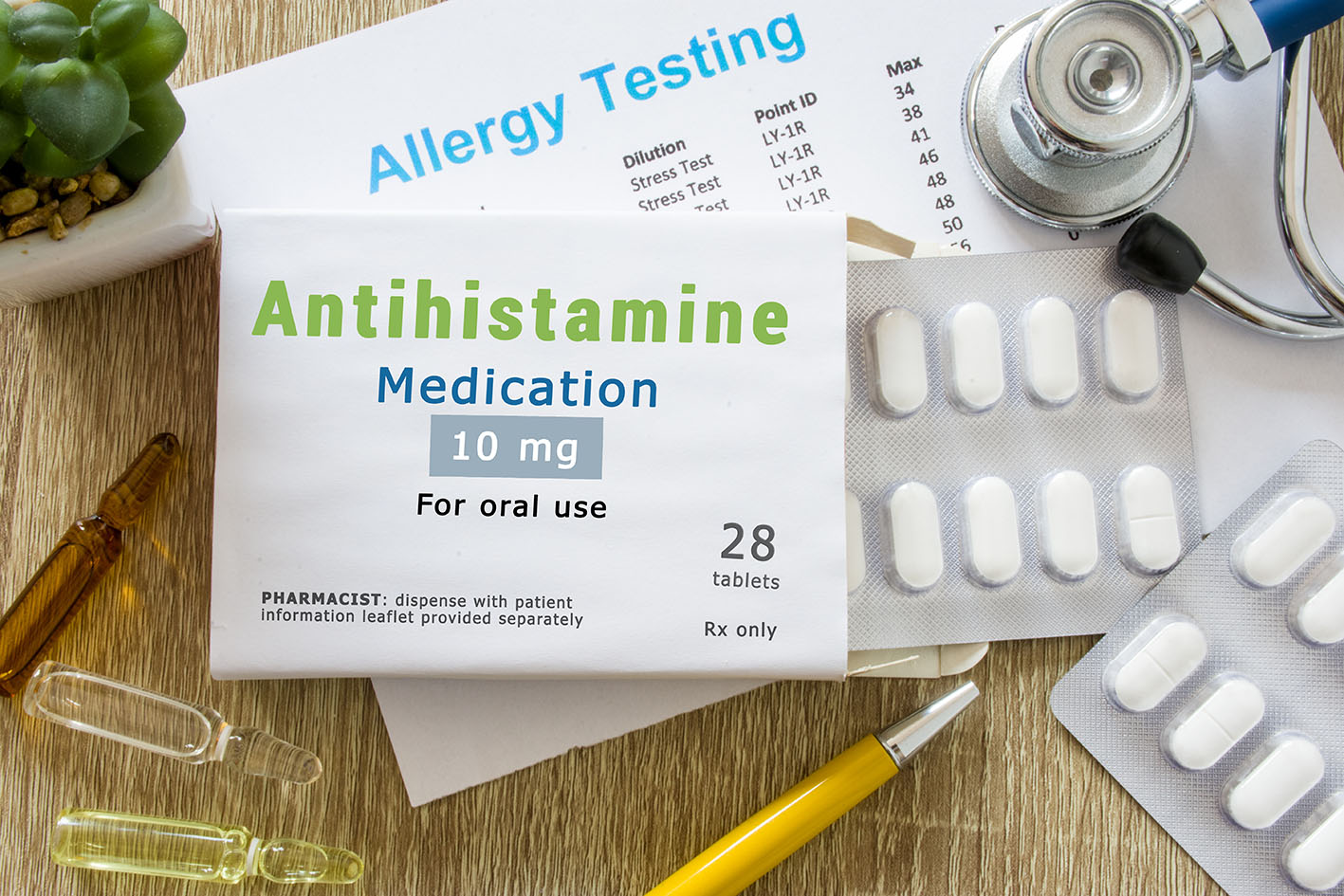
Many drivers reach for antihistamines to manage allergies, but not all are safe before getting behind the wheel. Some older types, like Piriton (chlorpheniramine), Benedryl, and Polaramine, are known to cause drowsiness and slow your reflexes. HealthHub warns against driving or handling machinery after taking these because their effects can last several hours. Always check the label or ask a pharmacist if you’re unsure.
If you need to drive, look for non-drowsy antihistamines instead. Common options available in Singapore include Zyrtec (cetirizine), Telfast (fexofenadine), Claritin or Clarityn (loratadine), and Xyzal (levocetirizine). Find them at Guardian, Watsons, Unity, or online via Lazada and Shopee. These are second-generation antihistamines designed to control sneezing and runny noses without making you sleepy.
Still, it’s a good idea to try a new medication at home first to see how your body reacts. Some people are more sensitive than others. If you’re starting a new antihistamine, wait at least four to six hours the first time to check for possible drowsiness before driving.
The Hidden Cost of Distraction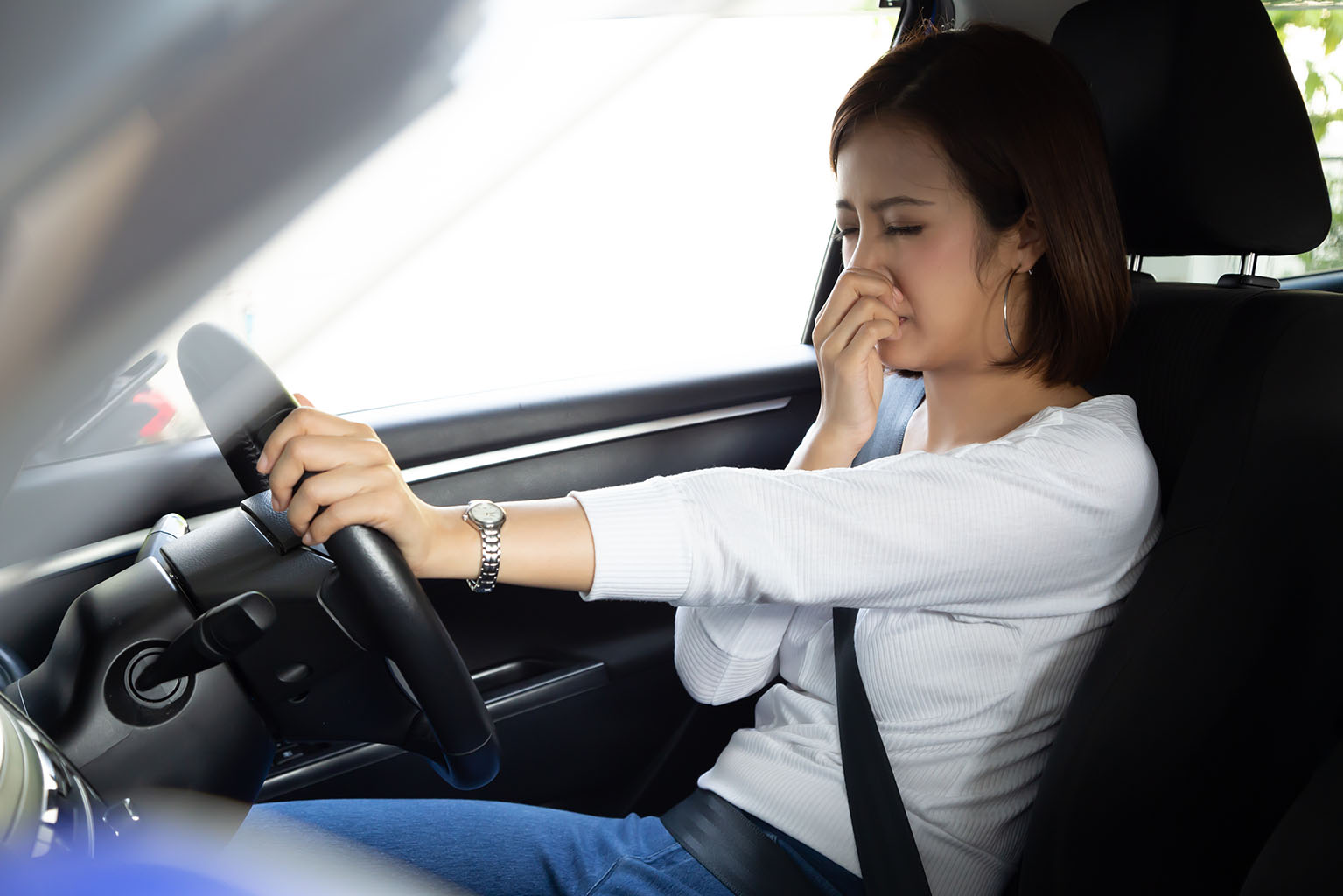
There aren’t official statistics in Singapore that track accidents caused by sneezing, but international studies estimate that allergic drivers are as impaired as those who’ve had moderate amounts of alcohol. Combine that with our cramped expressways, heavy traffic flow, and unpredictable tropical rain, and you have a recipe for disaster.
Even mild allergic symptoms, like itchy eyes or watery noses, can take your focus off the road. Rubbing your eye or reaching for tissues means one hand off the wheel, and a delay in reaction. If visibility is low or motorcyclists are nearby, that momentary distraction can be dangerous.
Keeping the Car Clean Helps More Than You Think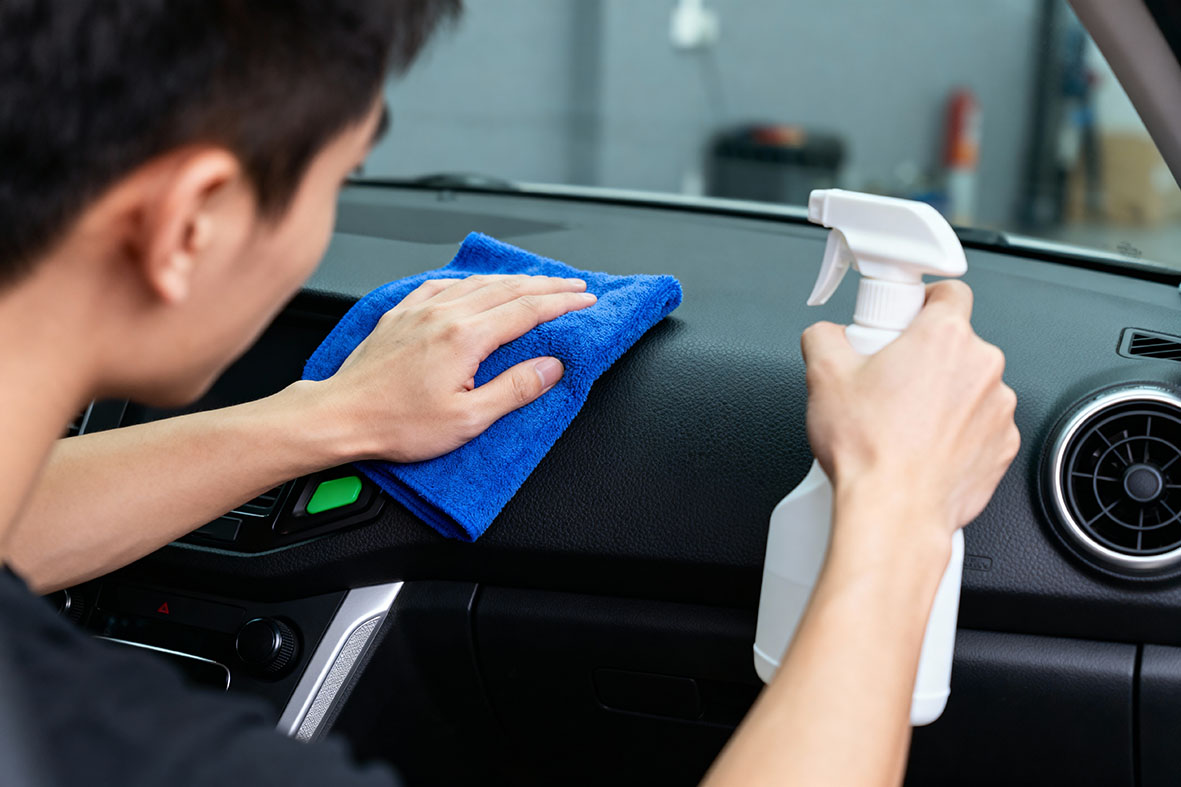
Sometimes, the problem isn’t external; rather, it’s what’s inside your car. Dust mites and mould thrive in air filters and carpets. Keeping your car clean can cut allergen exposure dramatically.
Replace the cabin air filter every few months, and clean air vents with a vacuum. Wipe down the dashboard and seats. If possible, park in shaded areas to reduce heat and humidity inside the car. Consider HEPA filters if you’re sensitive to dust.
Be Smart About When & How You Drive
If your allergies tend to flare up badly, it’s safer to avoid driving altogether. During haze periods or on days when you’re sneezing continuously, take public transport, book a ride, or get a lift from a friend instead. The National Environment Agency’s app gives real-time updates on haze levels — check before you head out.
When a sneeze hits mid-drive, slow down and steady your grip on the wheel. If a sneezing spell doesn’t stop, pull over at a safe spot. It’s better to arrive late than risk an accident.
Everyday Prevention Works Best
Small steps make a big difference in controlling allergies. Rinse your nasal passages with saline before heading out. Drink enough water to keep mucus thin. Plan your route to avoid smells or spots that trigger sneezing.
Keep quick relief items in your glovebox. Saline sprays like NeilMed or ClariCare flush pollen fast. They are drug-free and safe anytime. For stronger needs, pack corticosteroid sprays like Avamys or Nasonex. These cut swelling in 15-30 minutes but need a prescription. Use Clariclear for short-term decongestion, max three days.
At home, wash sheets in hot water weekly. Use dust-mite-proof covers. If allergies persist, get skin testing or immunotherapy at an ENT clinic. Less sneezing means safer drives and better sleep.
A Final Thought
Singapore’s roads are busy, and conditions change fast. Sneezing might seem like a small thing, but behind the wheel, every second matters. Pay attention to how your body feels before you drive. Take the right medicine, keep your car clean, and know when to stay off the road.
Stay alert, stay healthy, and drive safe, not just for yourself, but for everyone sharing the road.