

A clear, practical guide to help you drive with your pet in a way that keeps everyone safer, cuts stress, and avoids the most common mistakes on the road.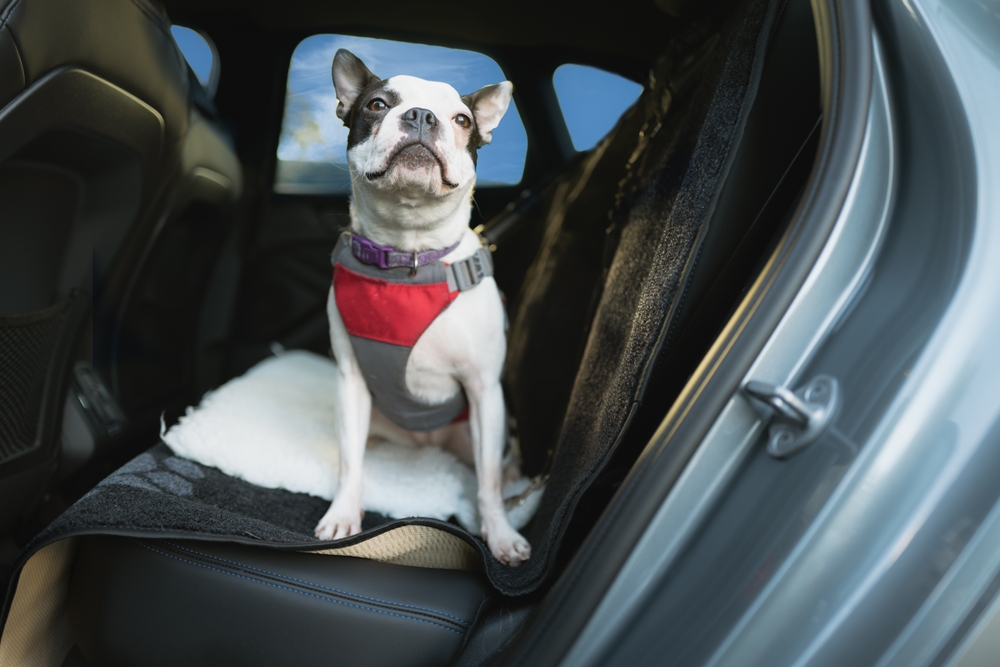 Car rides with pets look cute in photos, but it only takes one sudden stop for an unsecured pet to get badly hurt, to injure someone in the car, or distract the driver and cause an accident. With a bit of understanding and planning, you can make car trips safer and more comfortable for your pet without turning every outing into a big project.
The Basics of Restraint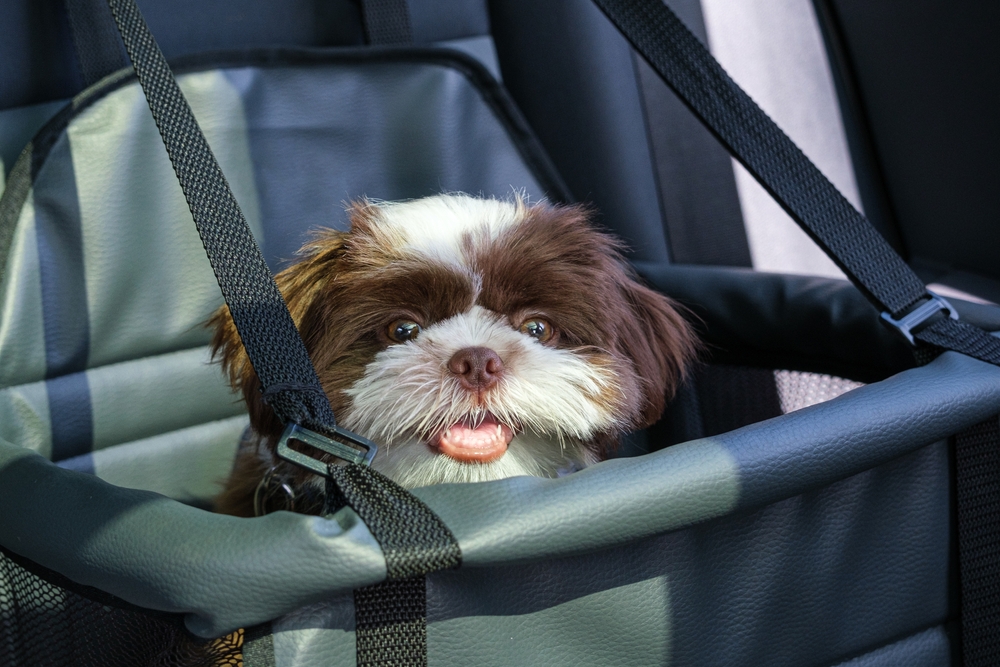
Car safety for pets is about two things: restraining the animal, and managing their stress.
Experts in animal welfare advise that pets should never ride loose in the car. In a collision, an unrestrained dog or cat can be thrown forward with great force, even at low speeds, causing serious injury or even death. And if the hurtled pet hits anyone else in the car, they can easily be injured from the impact.
An unrestrained pet in the car can distract the driver, which raises the risk of an accident for all road users. A stressed pet may pant, drool, whine or vomit, and can learn to fear the car if rides are always chaotic or rough.
Crates, Carriers & Barriers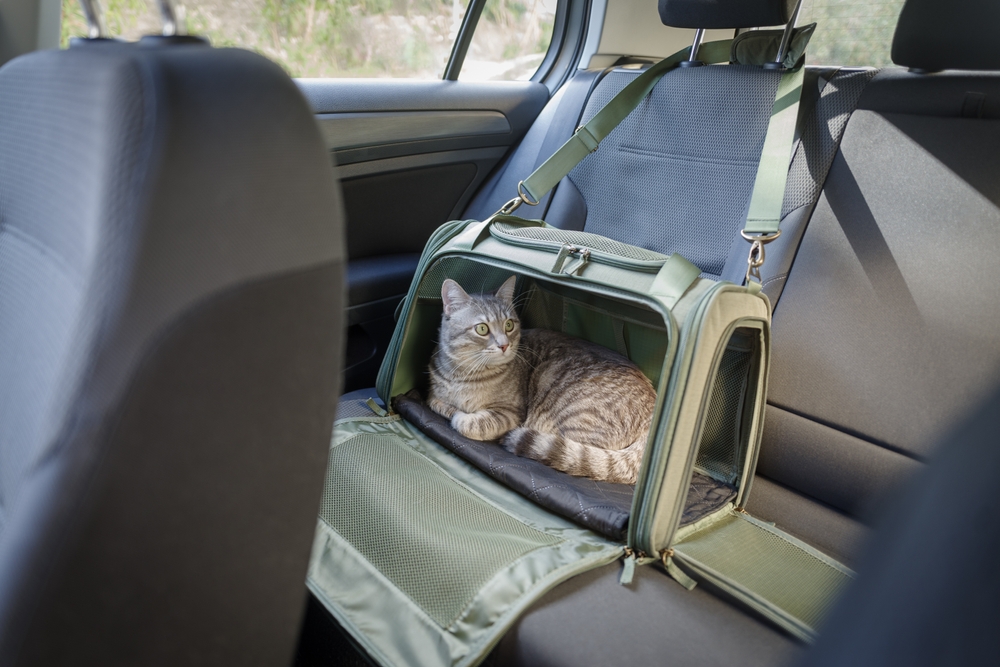
The safest way to transport most pets is in a sturdy, hard-sided crate that’s properly secured to the car. Place the crate in the back seat or the cargo area of an SUV — never on the front seat, where airbags can be dangerous. It should be large enough for your pet to stand, turn and lie down comfortably, but not so big that they can be tossed around during sudden stops. Use the seat belts or cargo anchors to strap the crate down so it stays stable when you brake or take sharp turns.
When choosing a crate, look for strong materials like rigid plastic or metal rather than lightweight or flexible designs. Vents or mesh panels help with airflow, and solid latches keep doors from popping open.
Soft or collapsible crates are easier to move but offer very little protection in a crash. They can bend, tear or spill open under impact. If you use one, limit it to short, calm trips and secure it so it doesn’t slide or tip over.
For hatchbacks, wagons and SUVs, a solid pet barrier can help keep animals from being thrown forward into passengers. Pick a barrier that bolts or clamps securely into place — not just a pressure gate that can shift during travel. Even then, the pet should stay in a crate or on a padded bed in that space to stay stable and comfortable throughout the ride.
Harnesses & Booster Seats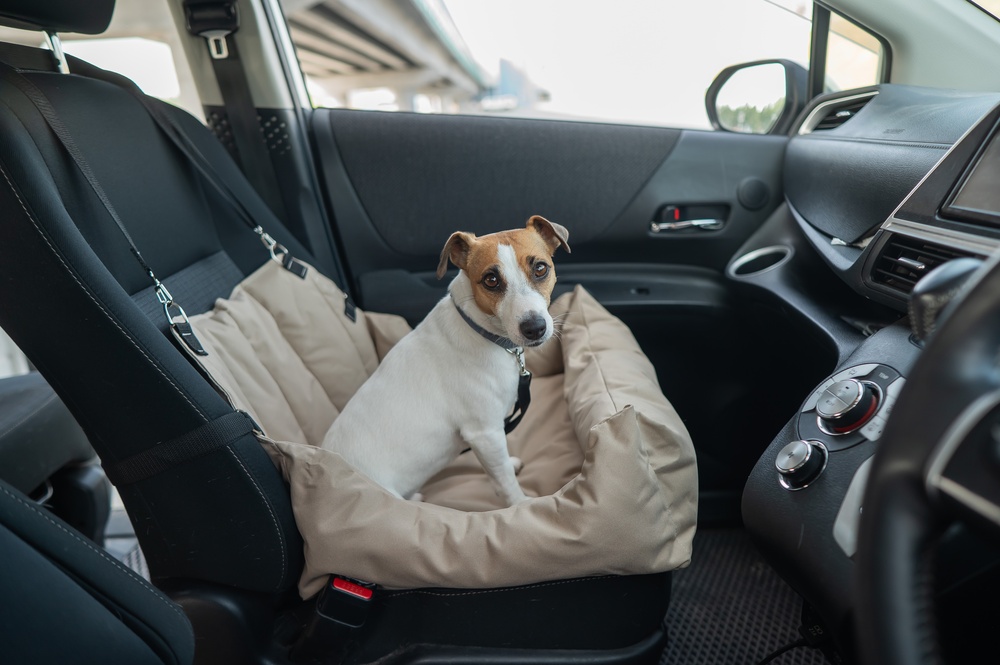
For dogs, crash-tested harnesses that attach to the car are another option. These harnesses typically connect to the seat belt system or specific anchors, and are designed to prevent the dog from flying forward while still allowing them to sit or lie down. It’s essential to select a product that’s been independently tested, not merely labelled as ‘car safe’ without substantiation.
Small dogs and cats can also ride in special booster seats or secured carriers. These seats raise the animal so they can see out, which often helps reduce anxiety and motion sickness, while a harness or strap holds them in place. Whatever style you use, it should attach firmly to the car and close securely so the animal cannot climb or fall out.
Where the pet rides matters too. Safety groups recommend that pets ride in the back seat, not in front, because airbags that protect adults can easily harm or kill a pet when they deploy. The cargo area of an SUV can also work if the crate or barrier is solid and properly fixed so it doesn’t shift.
Risks You May Not Recognise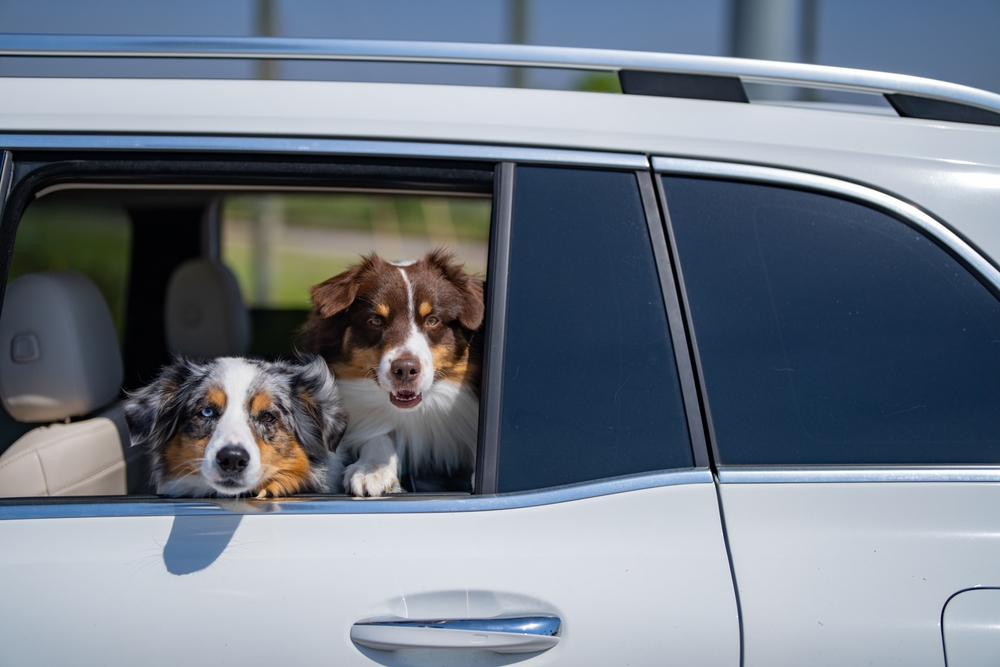
Letting a dog hang its head out of the window feels fun, but it’s risky. Debris, insects and small stones can hit the eyes or face at high speed, and a sudden stop or swerve can throw the dog partly or fully out of the car. Better to keep windows only slightly open and the dog restrained so it cannot lean far outside.
Other risky habits include holding a pet in one arm or letting it sit on your lap while you drive, letting it roam between seats and climb onto the dashboard. These cases can be considered illegal under Distracted Driving laws.
Ventilation and temperature control are easy to overlook. Cars heat up quickly, even on mild days. As pets cannot regulate their body temperatures as easily as humans, they are more vulnerable to heatstroke. Never leave a pet alone in a parked car, even with a window wound down slightly, because the temperature inside can climb to dangerously high levels in minutes.
Motion Sickness & Stress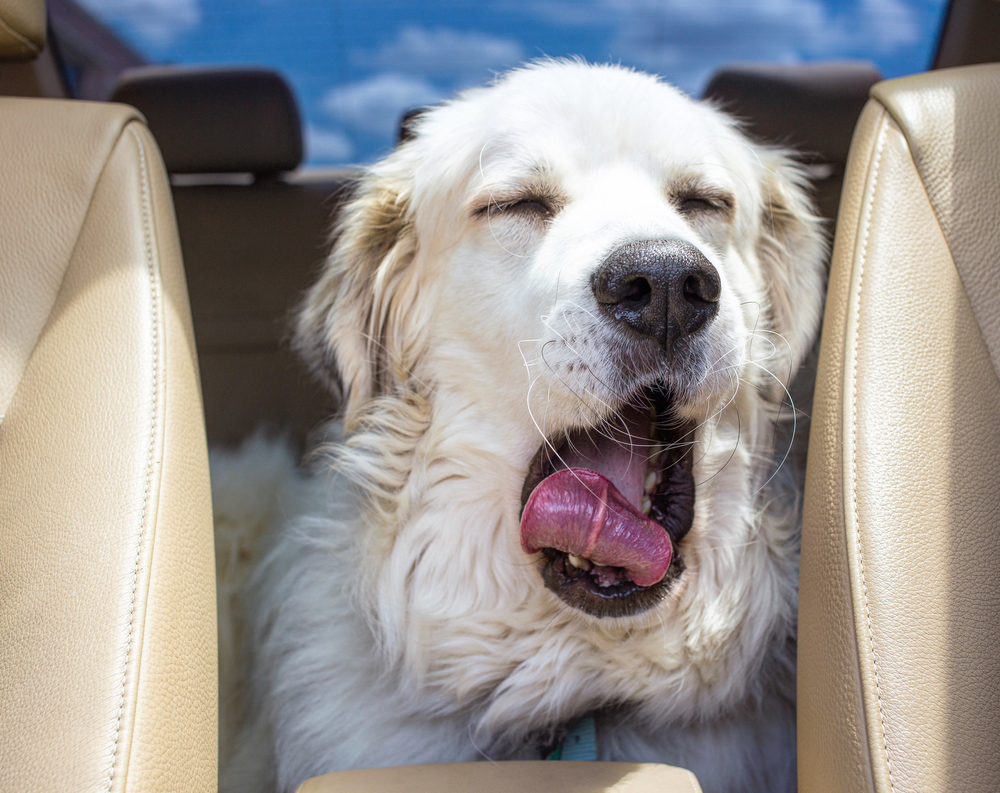
Motion sickness is common, especially in young dogs and some cats. Signs include drooling, yawning, whining, licking lips, and vomiting. This happens usually as the car speeds up or turns. For some animals, this is about balance; for others, it’s tied to anxiety that starts as soon as they see the car.
You can often reduce motion sickness by building up slowly to longer rides. Start with short trips around the block, stop before your pet becomes ill, then gradually extend the distance over several sessions so the car begins to feel normal. Pair rides with something positive, like a walk or calm praise at the destination, so the pet doesn’t associate the car only with the vet!
Feeding habits around travel can also make a difference. A large meal right before a trip can make nausea more likely, so feed your pet several hours before driving, and offer only a small snack closer to departure. Fresh water should be available, but try to avoid too much at once if your pet tends to vomit.
Some pets will still struggle even with careful training. In these cases, a veterinarian can advise on safe anti-nausea medicine or calming aids that can make travel easier and safer. Better to ask for help than to push through rides where the pet is repeatedly terrified or sick.
Longer Trips & Special Cases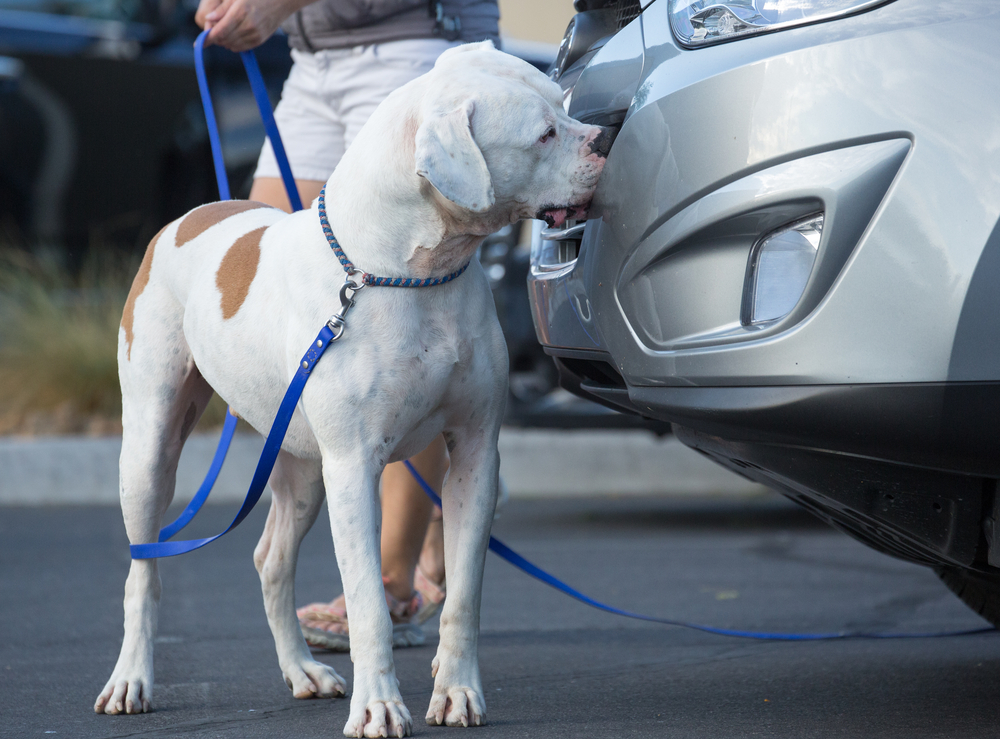
For longer trips, plan regular breaks. Stopping every couple of hours to offer water, a chance to relieve themselves, and a short walk can help reduce stiffness, stress and the risk of accidents inside the car. Keep the pet leashed during stops in unfamiliar places, since even steady animals can bolt when stressed by noise or new smells.
Some owners worry their pet will panic if restrained, but most adjust with time if you introduce the gear slowly and use positive reinforcement. Start by letting the animal sniff and explore the crate or harness at home, then add short practice sessions with rewards. Many pets end up feeling more secure when they have a clear, stable spot in the car.
If your pet is older, has joint issues or breathing problems, you may need extra care. Senior animals and short-nosed breeds can overheat faster, struggle with balance in a moving car, and find long trips exhausting. In these cases, a supportive bed in a crate, gentle lifting in and out of the car, and shorter travel segments can help.
Putting it All Together
Safe pet travel starts with treating your animal as another passenger who relies on you to make good decisions. Before taking a long or frequent trip, talk to your vet to make sure your pet is healthy enough to travel and to get advice on managing motion sickness or anxiety. Taking the time to choose the right restraint, teach your pet to handle the car and avoid risky shortcuts reduces the chances of injury for everyone. When you prepare well, the ride becomes calmer, more predictable and less stressful for both your pet and you.