

Singapore’s tight flats don’t have to feel cramped. A few low-maintenance plants and some clever placements go a long way. They lift your mood, clean the air, and suit our humid climate just fine.
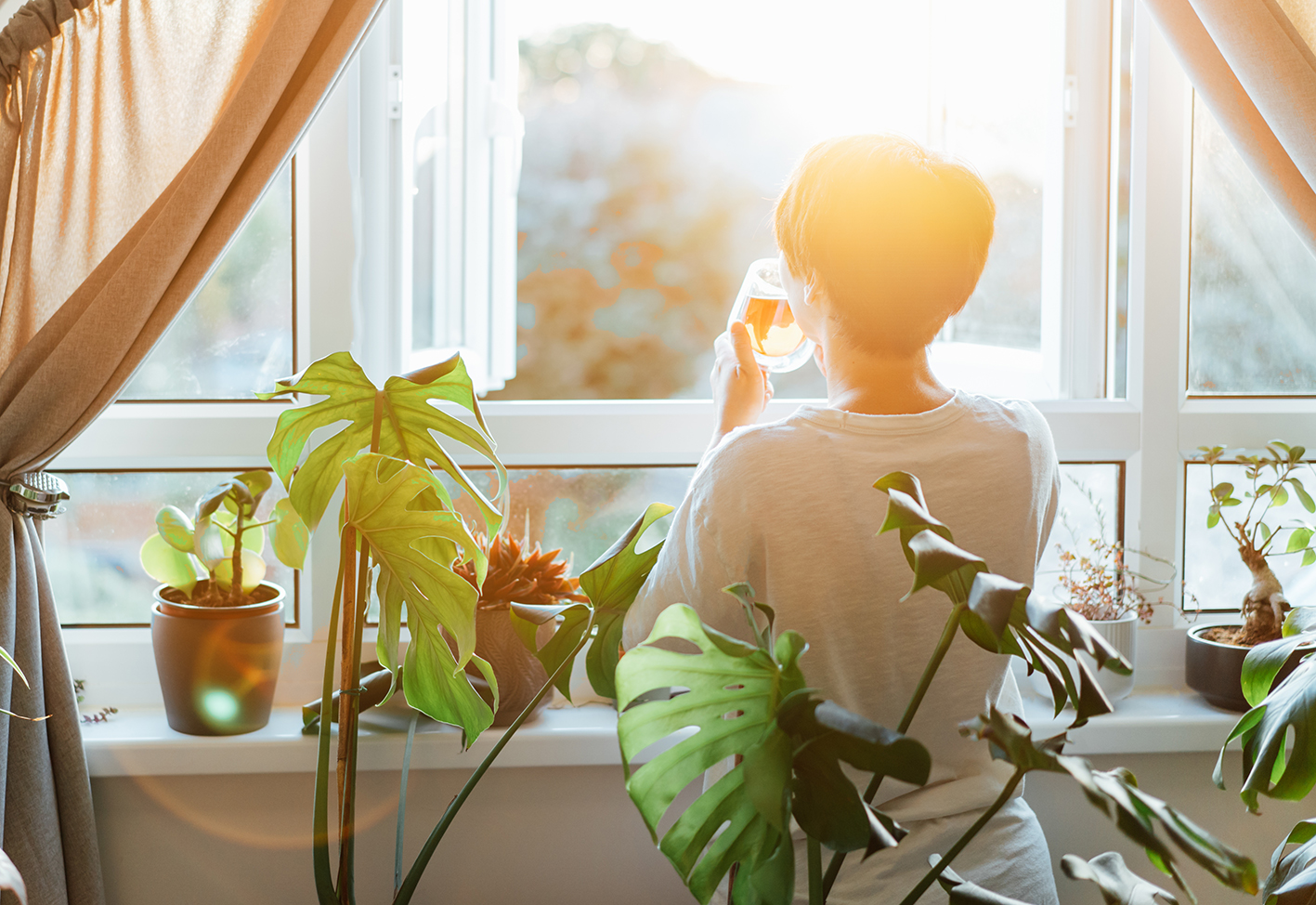
Flats stack high across Singapore, with balconies offering little space and views mostly facing concrete blocks. Plants help change that. They soften hard edges and bring a sense of calm to hectic days, which is why they pair naturally with a packed, fast-moving schedule. Studies show that indoor plants lower blood pressure and sharpen focus. Being near greenery signals to the brain that it can slow down, which is why even a single pot on a desk makes a difference.
Singapore’s year-round warmth and humidity work in your favour here. Most houseplants evolved in tropical environments, so they take to our climate easily and tend to grow faster than they would in cooler, drier places. As they grow, they also absorb toxins that collect in enclosed spaces. NASA research found that snake plants pull formaldehyde from the air, a colourless chemical released by furniture, flooring, and cleaning products; long-term exposure can irritate the eyes and throat. Plants also release moisture as they breathe, helping offset the dryness that air-conditioning creates, and their leaves trap airborne particles like cooking fumes and dust.
Best Plants That Thrive On Neglect

Snake plant leads the pack. It handles low light and needs water just once every two weeks. The ZZ plant (Zamioculcas zamiifolia) shrugs off shade and dry soil too. Both suit the dimmer corners of an HDB flat.
The peace lily brings white flowers and cleans the air. It prefers consistently moist soil, so water it every one to two days rather than waiting for the topsoil to dry out completely. Aloe vera fights germs and repels bugs, while the spider plant drapes nicely from shelves and removes xylene from the air. Xylene is a solvent found in paint, varnish, and adhesives; it can cause headaches and dizziness in poorly ventilated rooms.
Pothos thrives in a jar of water with no soil at all, and the money plant climbs happily up a trellis or wire with minimal attention. Both are nearly impossible to kill, which makes them ideal starting points. One thing to note if you go the water-jar route: change the water every week or so. Stagnant water is a breeding ground for mosquitoes, which is the last thing you want indoors. Pick them up at Far East Flora on Thomson Road, one of Singapore’s most well-stocked garden centres.
Gardening Tricks For Tiny Spaces
Space is always the first challenge in a Singapore flat, but there are smarter ways to work around it than putting a single pot on the floor and calling it done.
Wall shelves are the easiest starting point. A row of mounted shelves can hold several pots without using any floor space, and pegboards do the same job on smaller walls. If you have a balcony, most HDB and condo rules allow light planters and vertical setups along the railings, so a quick check with your building management is all it takes. Stacking herbs in tiered stands adds even more green in a small footprint.
For those keen on growing edibles, hydroponics is worth a look. These soil-free systems feed plants through water and nutrients rather than soil, which means no mess and no bulk. Compact countertop units are designed with small spaces in mind and fit neatly on a kitchen counter or shelf, making them well-suited to HDB flats and condos where bench space is limited. Kangkong and basil do well this way and produce leaves year-round. Separately, a rolling cart is a handy all-purpose tool for any indoor garden: load it with your pots and wheel them around to follow the light as it shifts through the day.
Living walls are growing in popularity here too, partly driven by Singapore’s urban farming movement. A panel of plants mounted flush against a wall can cool a room by a few degrees, muffle some street noise, and turn a bare surface into something worth looking at. Grouping plants also helps them retain moisture, which is especially useful in an air-conditioned home where the air tends to dry out fast.
How Plants Lift Your Mood And Health
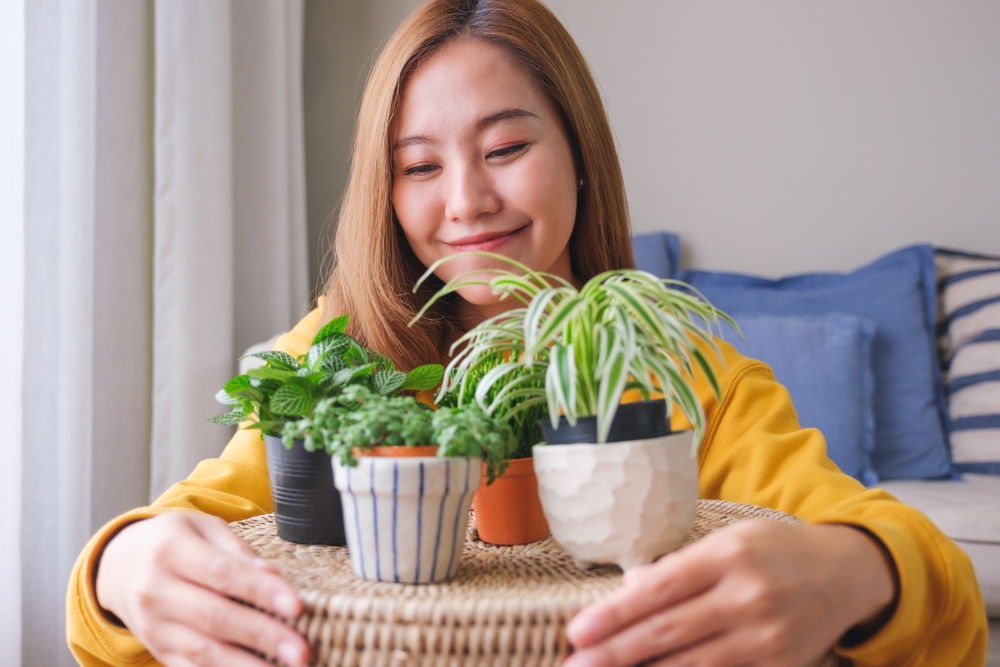
Plants do more than look good. Research suggests that the colour green and the soft, irregular shapes of leaves help calm the nervous system. Cortisol, the hormone linked to stress, drops when people spend time near plants or even just look at them. That is one reason why tending to a plant after a long commute or a packed workday can feel like a genuine reset.
Plants also purify the air in ways that matter in a sealed, air-conditioned flat. Peace lilies trap benzene, a chemical found in vehicle exhaust and cigarette smoke, while snake plants release oxygen through the night. This steady exchange helps offset AC dryness, which is a common cause of dry and itchy skin in Singapore homes.
Work flows better near plants too. A study by the University of Exeter found that employees in offices with plants reported 15% higher productivity and 38% better concentration. The researchers linked this to reduced mental fatigue: plants give the brain something low-demand and visually calming to rest on, which allows attention to recover between tasks.
Children benefit similarly. Separate research found that students completed tasks 13% faster when plants were present in their study space. Tending to plants regularly also builds a calming daily routine and has been shown to cut stress by up to 20%.
Easy Care For Full-Time Jobs
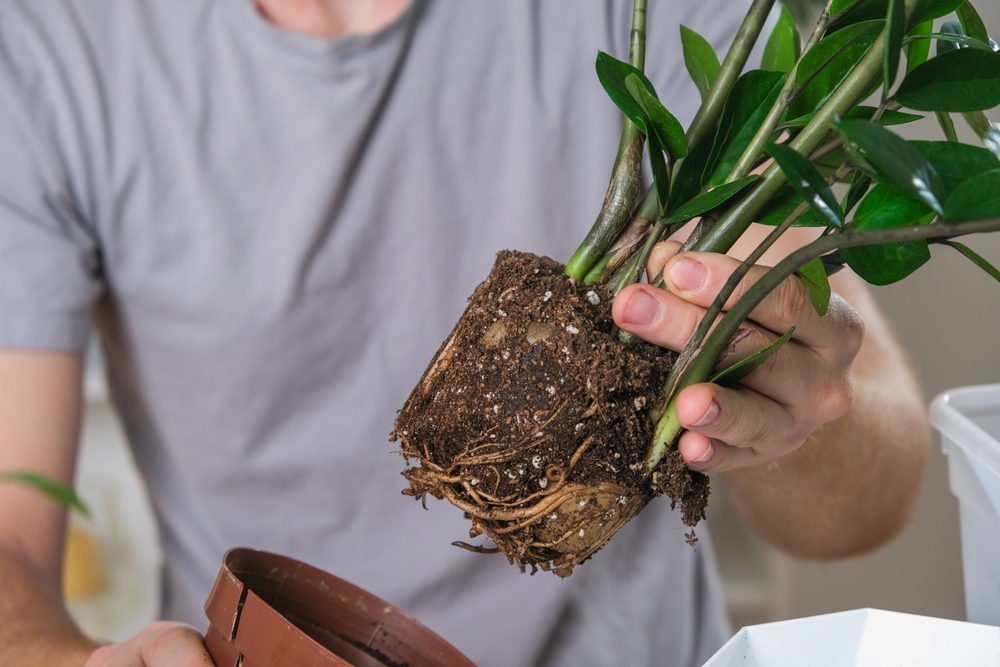
Check the top inch of soil before you water. If it feels dry, give the plant a drink. ZZ plants are particularly drought-tolerant and can go weeks without water. Yes, it really is better to underwater them than overwater: their thick rhizomes store moisture, so too much water causes root rot far more readily than a dry spell would. Dust plant leaves regularly too. In Singapore’s humid air, dust settles quickly and blocks the tiny pores that plants use to breathe and absorb light, so a gentle wipe with a damp cloth every week or two makes a real difference.
Feed your plants with a liquid fertiliser once a month. Unlike temperate countries where plants slow down in winter, Singapore’s tropical climate means most houseplants grow steadily year-round with no true dormant season, so they benefit from consistent feeding throughout the year. Turn pots weekly so each side receives an even share of light, and group plants together to help them retain moisture and stay protected from drying winds near open windows or balcony doors.
When you first bring a new plant home, check it carefully for pests. Plants from nurseries can sometimes carry insects that are not yet visible, and these spread quickly to neighbouring pots if left unnoticed. Neem oil diluted in water works well as a gentle treatment; spray it on the leaves and soil every few days until the problem clears. Plan to repot your plants every year or two. As roots grow and fill their container, they run out of space and fresh nutrients, which slows the plant down considerably. Moving it to a pot one size larger gives it room to keep thriving.
Start with one or two plants to get a feel for things, and consider joining the Singapore Gardening Society’s online communities for practical, local advice.
Wrap It Up

Any HDB flat or condo can turn green with a bit of effort. Start with tough picks like the snake plant or the ZZ plant; they handle neglect well and fit right into dim corners. Use walls for shelves and hydroponics for soil-free growth to save precious space in a tight room. Stress levels drop as you tend them, the air freshens up, and daily life feels calmer. These simple steps match Singapore’s busy rhythm well. Grab two pots this weekend and watch your mini oasis take shape.