

Conforming to HDB rules and great for small spaces, these ideas incorporate economical supplies from local stores and can be finished in a weekend.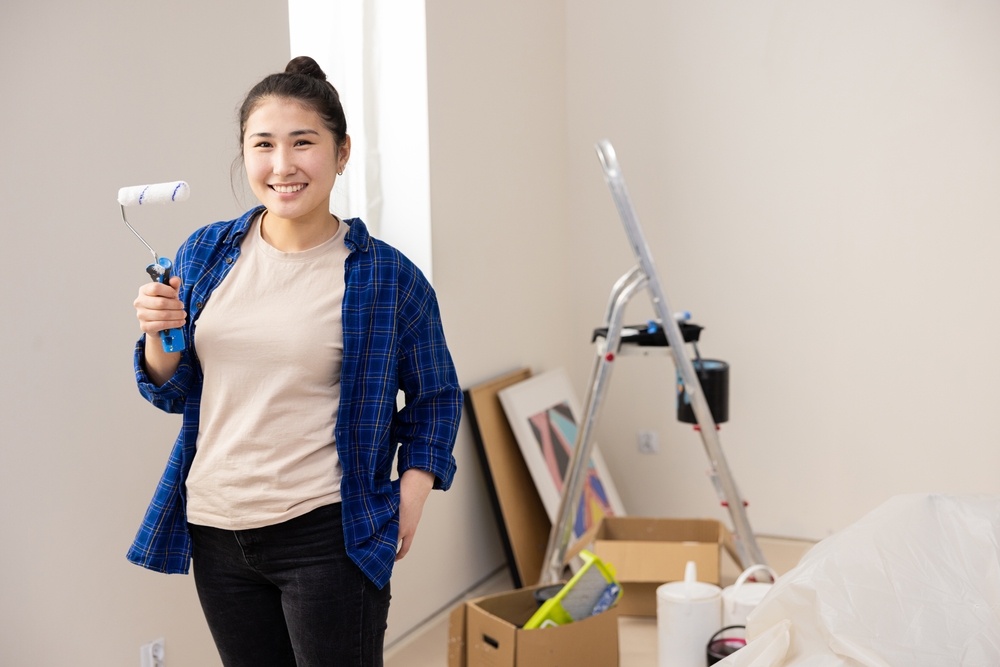 People in Singapore are turning to DIY more often as renovation costs continue to rise. Many flat owners now choose to handle small fixes and improvements on their own. Even in HDB flats where rules are strict, it’s possible to make small changes without hiring a professional. Simple tasks like repainting or upcycling old furniture only need basic tools and a bit of effort. Just pick up some supplies from Mr DIY or Selffix and get started. These DIY projects are affordable, reduce waste, and fit easily into a weekend without creating much mess..
Why DIY Fits Singapore Now
DIY projects fit well into HDB living, where space is limited and strict noise rules apply. General work, such as painting, is allowed on weekdays and Saturdays, usually between 9 am and 5 pm, though drilling and noisy renovation work are confined to weekdays only. Interior painting doesn’t need an HDB permit, making it one of the easiest ways for homeowners to refresh their space. Upcycling also supports Singapore’s recycling efforts by turning old or unused items into something useful, giving a second life to furniture and household items that might otherwise be thrown away.
Costs also stay manageable, especially in the heartlands, where you can buy supplies affordably. For instance, a can of Nippon Paint typically costs under $20 at stores like Mr DIY or Hardware City, which is cheaper than premium brands or what you might pay at larger renovation outlets. Sandpaper, brushes, and other small tools add only a few more dollars. In compact Singapore, you don’t have to travel far to find what you need, making DIY a convenient and cost-effective choice.
Repainting Old Furniture Basics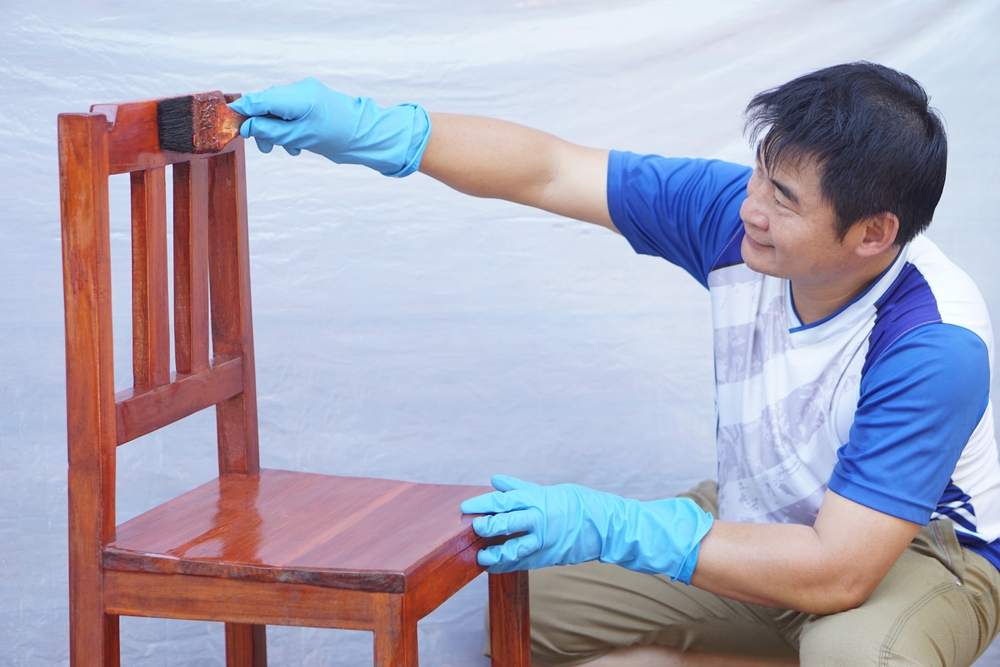
If you have an old chair or table lying around, give it a second life instead of throwing it out. You can often find affordable pieces at flea markets, thrift shops, or online marketplaces like Carousell. Refreshing old furniture not only saves money but also lets you get creative with colour choices and reduce waste through upcycling.
Start by removing small parts such as handles or knobs. Clean the surface with soap and water, then let it dry completely, usually for at least a few hours or overnight. Many beginners skip cleaning, but grease and dust prevent paint from sticking properly. Once the furniture is dry, sand it lightly with 120‑grit sandpaper to help the paint grip the surface, then wipe away all the dust with a damp cloth for a smooth finish.
When choosing paint, go for a water-based option such as Nippon or Dulux, which are easy to find in local hardware stores. Apply two to three thin coats, waiting about an hour between each for the layers to dry evenly. Thin coats reduce dripping and help the paint last longer. After the final coat, let the piece dry overnight. You can add a layer of wax or varnish if you prefer a glossy finish.
Once you reinstall the handles or knobs, your furniture will look fresh and new again, often for a fraction of what a new piece would cost. The best part is that in Singapore’s humid climate, older wood tends to absorb paint well, making this a reliable weekend project. It takes roughly four to six hours of active work, which you can easily fit in between other weekend plans, and the results can last for years.
Upcycle Items For Small Flats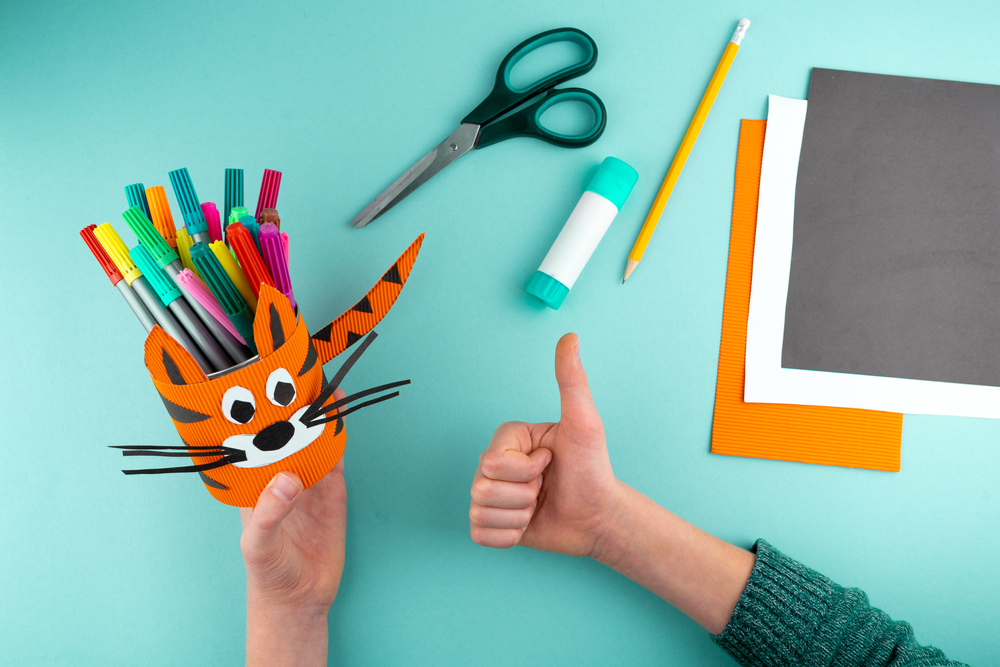
Upcycling is one of the easiest ways to make use of clutter while adding something personal to your home. Instead of throwing things away, you can turn everyday items into something useful or decorative. It saves money, reduces waste, and keeps your HDB flat feeling fresh and creative without adding clutter.
You can start with things that are easy to find around the house, such as plastic bags. Layer six to eight flattened bags between two sheets of baking paper, then iron them gently on low heat to fuse the plastic into a firm sheet. Let it cool before trimming the edges. You can cut the fused sheet into coasters, placemats, or drawer liners. Always keep the iron on low heat and use baking paper on both sides to prevent the plastic from sticking or melting unevenly.
Tin cans are another versatile choice. Once you’ve cleaned and dried them, wrap the outside with fabric from old shirts or pillowcases, and secure it with a glue gun. Add small details like paint patterns, stickers, or twine to make your pen holders or desk organisers look cheerful. Stack them together on a shelf to save space, or give them as simple handmade gifts.
If you have more space, you can repurpose old tyres into planters or stands for pots. Paint them with outdoor paint in bright colours and let them dry for a day before placing them on your balcony. If you plan to place them in shared areas like common corridors, refer to HDB guidelines to ensure there’s enough clearance (at least 1.2m walkway) and that they don’t block pathways. Check with your town council if you need specific approval.
Clothes that aren’t suitable for upcycling can be donated, while shredded waste paper makes great packing material for fragile items. These small efforts all help reduce waste, something Singapore continues to emphasise through its recycling and sustainability drives. For those who prefer hands-on guidance, local workshops such as those run by CraftLabs or community centres often teach basic upcycling skills and provide materials to get started.
The weekend is the best time for these projects: gather what you need on a Friday evening, work on your creations on Saturday morning, and give everything time to dry or settle by Sunday. It’s a rewarding way to reuse what you already have, save some money, and bring a personal touch to your home.
Make Your Own Wall Art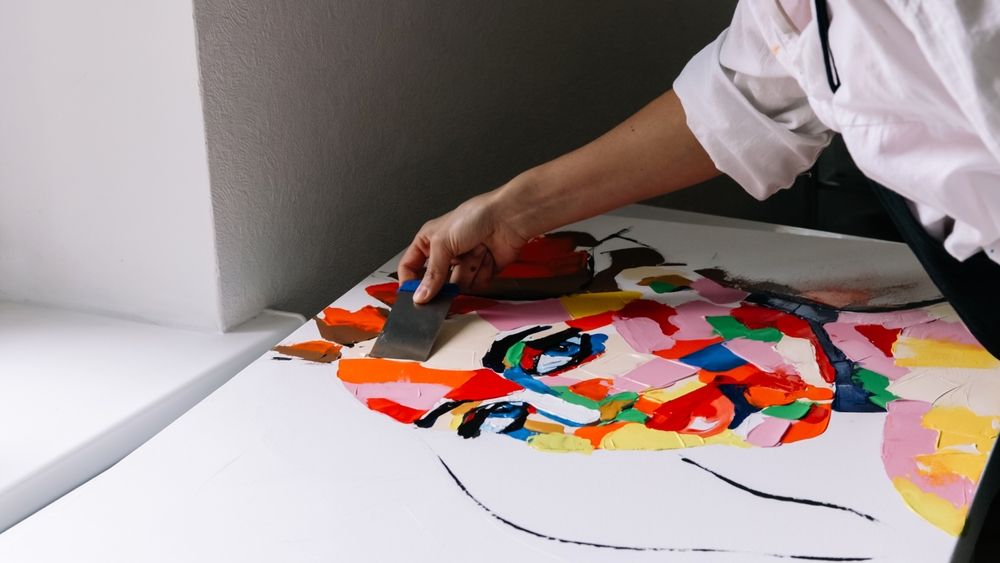
Creating your own wall art is an easy way to bring warmth and personality into your home. It’s cheaper than buying ready-made pieces and gives you space to express your style, whether you prefer minimalist, rustic, or colourful decor. For many homeowners in Singapore, it’s also a practical way to fill bare HDB walls without spending too much.
Start with a plain framed canvas, which you can find at art stores or general retailers like Mr DIY. Mix a small batch of plaster or joint compound, then spread it thickly across the surface using a palette knife. Experiment with patterns by running a comb or brush through the plaster to create texture. After letting it dry for a few hours, paint over it with acrylics in soft or neutral shades that suit your room. The result feels modern and handmade; a statement piece that fits even compact spaces.
If you prefer working with wood, piece together a few leftover planks or scraps to form a small panel, ideally no larger than one square foot, for smaller apartments. Once you secure the pieces, paint or stencil a simple design, or keep it natural with a light coat of varnish. Wood dries quickly in an air-conditioned room and, once ready, can be hung against a plain wall to add warmth and depth.
The entire project usually costs around $15, depending on the materials you already have. It’s a quick and creative weekend task that lets you decorate your space in a way that reflects your own taste, not just what’s sold in stores.
Tools and Shops in Singapore
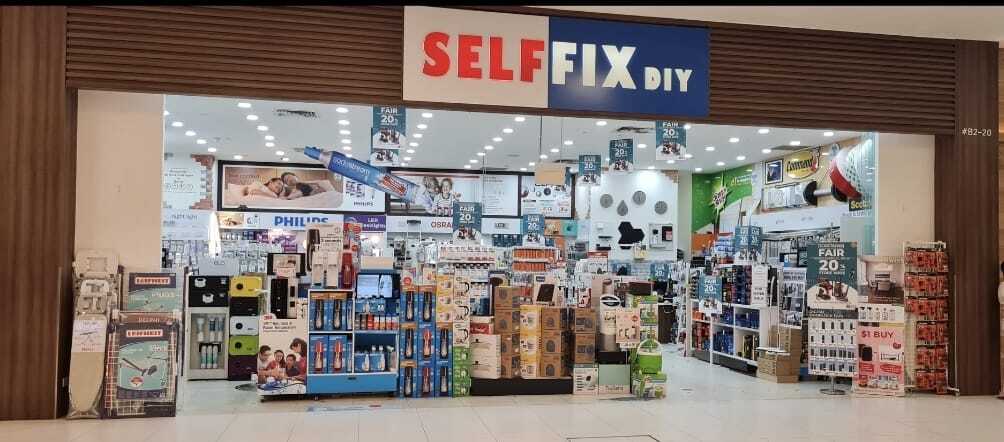
Image Credit: Selffix DIY
Finding the right supplies for DIY projects is straightforward in Singapore, with plenty of convenient stores across the island. Selffix outlets in malls like Westgate Mall and The Seletar Mall stock primers, paints, and basic tools. Mr DIY, with branches everywhere, often runs deals on brushes and sandpaper. Check their site or Shopee for current offers. For bigger paint cans, head to Hardware City or local options like Chong Brother Hardware Supply in Choa Chu Kang. Online, Zener offers free delivery on orders over $100.
Pick up gloves, masks, and drop cloths to protect your floors and health, especially when painting. Work in a well-ventilated area with open windows or a fan to avoid fumes, and stay in the shade since humidity slows drying. Seal any leftover paint or materials tightly to keep them usable for future projects.
HDB Rules to Follow
When tackling DIY projects in an HDB flat, it’s important to follow a few basic guidelines to avoid issues with neighbours or authorities. These rules keep things simple and neighbourly.
- You can paint inside your flat anytime since interior painting doesn’t require an HDB permit for walls or furniture.
- Light work like sanding or small touch-ups is allowed on Saturdays until 5 pm, but avoid drilling or any noisy tasks, which are restricted to weekdays from 9 am to 5 pm.
- Always keep noise to a minimum out of respect for neighbours, and clean up paint drips or mess right away to prevent complaints.
- Upcycling projects outdoors are fine as long as there’s no mess — balcony planters or small items are usually acceptable in your own space.
- For any changes visible from outside, like larger fixtures, check with your town council first to ensure compliance. Safety always comes before speed.
Getting Started with DIY
DIY offers a hands-on way to refresh your HDB flat without the high costs or long wait times of a full renovation. These simple projects let you personalise your space, reduce waste, and build skills over time. Whether you live in a compact 3-room flat or a larger resale unit, starting small makes the process manageable and rewarding.
Following HDB rules keeps everything straightforward. You can paint inside anytime since no permit is needed for walls or furniture. Light work, like sanding, is fine on Saturdays until 5 pm, but save drilling for weekdays between 9 am and 5 pm. Respect neighbours by keeping noise low and cleaning drips right away. Outdoor upcycling is okay without mess: balcony pots work well in your own area. Always check with your town council for visible changes, and put safety first to avoid issues.
These weekend projects fit tight spaces and busy schedules. They save money compared to contractors, reduce landfill waste through upcycling, and let you express your style with colours or textures. Over time, your flat feels more like home as you tackle one idea at a time. Grab supplies from a nearby store, clear a corner, and start this weekend, the change will last for years.