

Your commute does more than steal your mornings. Research shows it quietly shapes your stress levels, your focus, and how well you perform for the rest of the day. Understanding that can help you take back some control.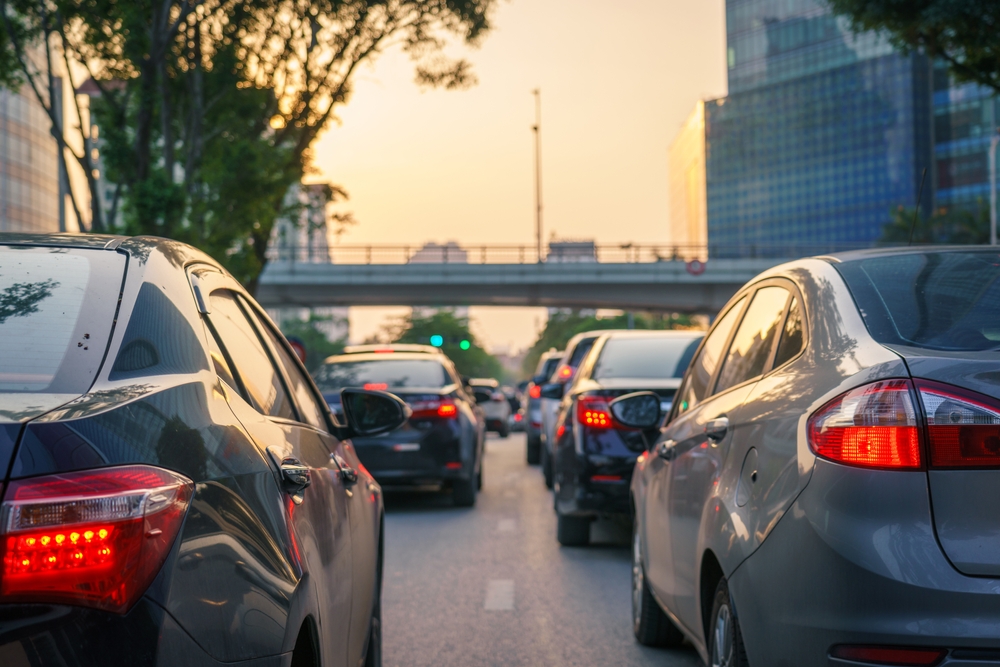
For most people, the commute is dead time. You join the queue, squeeze onto a train, sit in traffic, and count the minutes until you arrive. It feels like a gap between your real life and your working one, something to get through rather than experience.
But that gap has real consequences. Research consistently shows that how you commute, and for how long, has a measurable effect on your stress levels, mental health, and job performance. In cities like Singapore, where the average one-way commute can run around 45 minutes, this is not a small matter. Over five working days, that adds up to roughly eight to ten hours a week spent in transit. Almost a full working day, every week, just getting there and back.
Why Long Commutes Are Hard On The Brain
The science on commuting and stress is fairly consistent. Long or unpredictable journeys raise cortisol levels, the hormone linked to stress, and that spike does not simply vanish the moment you walk through the office door. Research from the University of the West of England found that each additional minute of commute time was associated with lower job satisfaction, poorer mental health, and a reduced sense of control over daily life.
What makes commuting particularly draining is that it often stacks multiple stressors at once. There is the pressure of arriving on time. There is the physical discomfort of a crowded carriage or a crawling expressway. And there is the sense that you have no say in any of it; you cannot speed up the MRT or dissolve the jam on the CTE. Studies find that this perceived lack of control is one of the strongest predictors of commute-related stress, often more than the commute duration itself.
The Spillover Into Your Working Day
Commute stress does not stay at the door. A study published in the Journal of Applied Psychology found that a difficult morning commute directly dampens employees’ motivation and affects how they perform at work that same day. Put simply, when you arrive depleted, you stay depleted longer.
This matters most in knowledge-based roles, which make up a significant portion of Singapore’s workforce. If your job requires sustained concentration, careful judgment, or clear communication, starting the day already on edge puts you at an immediate disadvantage. You may get through your to-do list, but your thinking is likely shallower, your patience thinner, and your resilience lower when things do not go to plan.
The Singapore Picture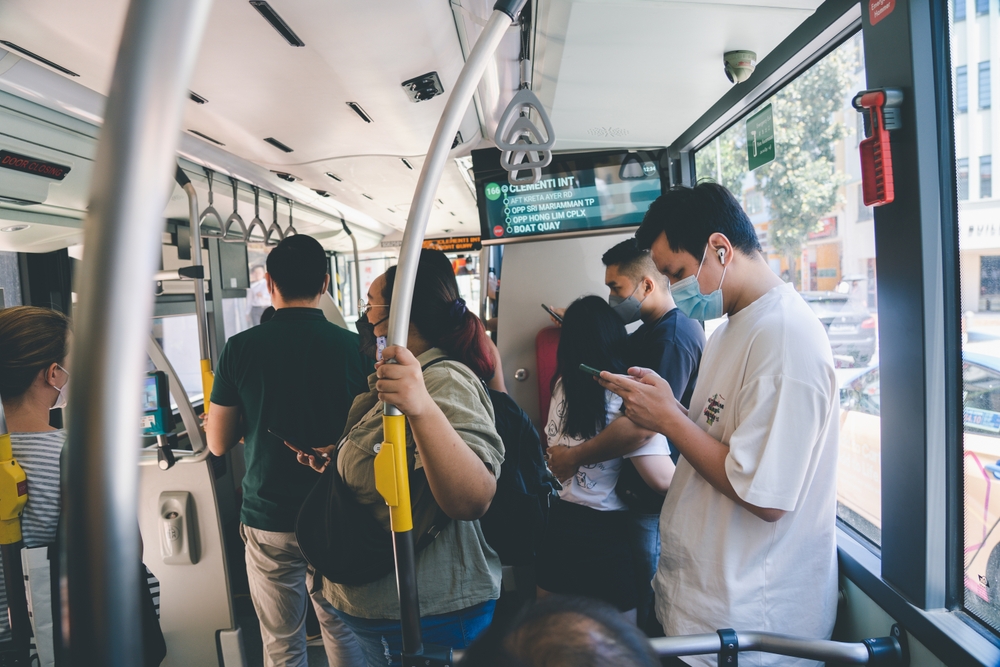 Singapore’s public transport system is, by most global standards, efficient and well-connected. The MRT and bus network covers the island broadly, and commutes here are generally shorter than in cities like Jakarta, Kuala Lumpur, or Mumbai. But shorter does not mean stress-free.
Peak-hour trains on the North-South and East-West lines are notoriously packed. Breakdowns still happen, and when they do, the knock-on effects can ripple for hours. For drivers, expressway congestion remains a daily reality, with data from transport analytics firm TomTom previously estimating that Singapore drivers lose well over 100 hours a year to traffic congestion.
Geography also plays a role. A large number of Singaporeans live in residential towns such as Tampines, Woodlands, and Jurong West, and many work in the Central Business District or clusters like one-north and Changi Business Park. Cross-island journeys are common, and the further you live from your workplace, the more commute-related stress you accumulate over time.
When the Commute Actually Helps
Not all commute is harmful. Active commutes, walking or cycling to work, consistently show up in research as beneficial. They provide light physical activity, help you mentally transition between home and work, and give you a sense of autonomy over your time. Even a short walk to the bus stop or MRT station counts.
Passive commutes can work in your favour too, depending on what you do with the time. Research published in the Organizational Psychology Review found that commuters who treated their journey as personal time, listening to music, reading, or simply switching off from work, reported better wellbeing and more positive attitudes toward their job than those who experienced the same journey as a chore to endure. The MRT ride, when it is not packed to the doors, does offer a window for this. Many Singaporeans already use it to read, listen to music, or simply decompress before the day begins.
The key is intentionality. If you treat the commute as time that belongs to you rather than time taken from you, the psychological effect shifts considerably.
The Hybrid Factor
The rise of flexible and hybrid work arrangements has changed the commute equation for many workers. During the pandemic, a large portion of Singapore’s office workforce worked from home for extended periods. Studies during that time found that remote workers generally reported higher productivity and lower stress, though isolation and difficulty switching off were common trade-offs.
Post-pandemic, many companies have settled into hybrid arrangements, with most workers commuting two to four days a week. Research by Stanford economist Nicholas Bloom suggests this is close to an optimal balance: enough office time for collaboration and culture, with enough flexibility to avoid the daily grind of a full commute every single day. For organisations willing to get that balance right, the productivity and wellbeing gains can be meaningful.
What You Can Actually Do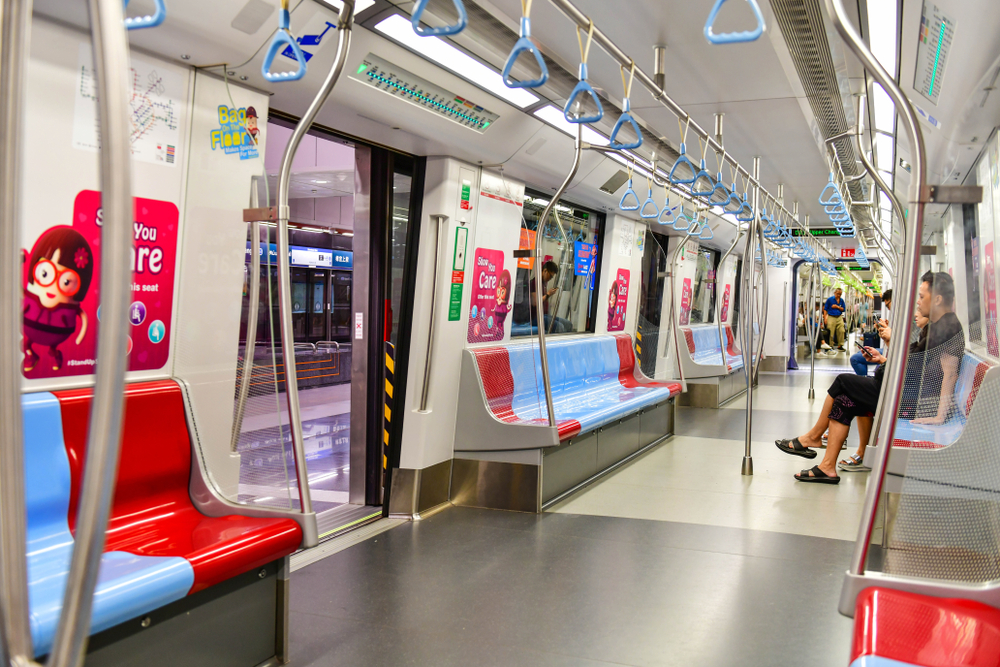
The commute tends to be an afterthought when people make decisions about where to live or work. But the evidence suggests it deserves more thought than it gets. A shorter or more manageable commute is not just a lifestyle preference. It has real, compounding effects on your health and performance over time.
If you cannot change the length of your commute, you still have more control over the experience than you might think. Travelling off-peak where possible, building in a short walk at either end, choosing what you listen to or read, and setting a simple intention for how you want to use the time, these choices are small individually, but they add up. Day after day, they shape how you show up, at work and at home.
The commute is never going to be the best part of your day. But it does not have to be the worst part either.