

Saving money on money matters abroad is more than just luck. This clear, practical ways for travellers to cut currency exchange costs and avoid hidden fees wherever their journey takes them.
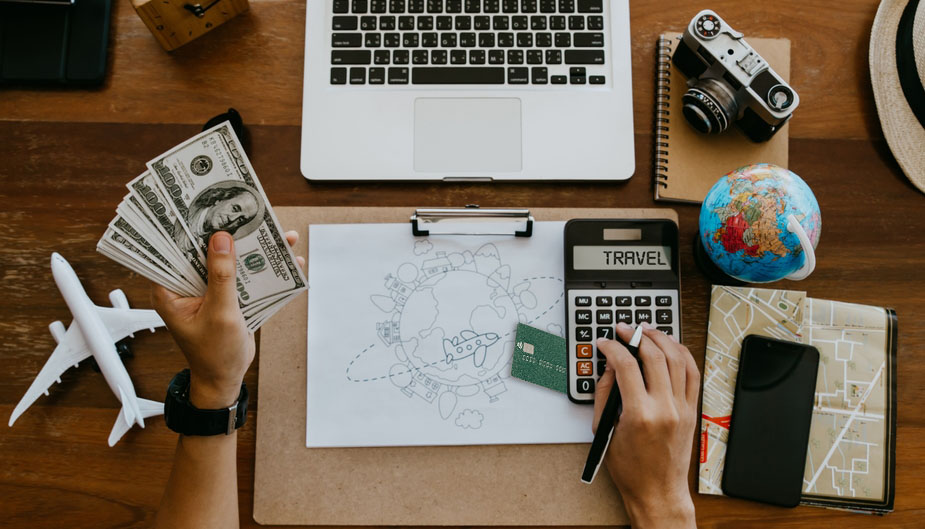 Changing money for travel can seem simple at first. In reality, it’s easy to lose money through bad exchange rates and hidden fees. Every time money is swapped for another currency, there’s a cost, sometimes clear, sometimes quietly tucked away. Getting control over currency exchange means learning a few tricks, watching out for the worst rates, and making smart choices before and after the trip. Doing it well makes travel cheaper and less stressful.
Card Strategies: Low Fees and Better Rates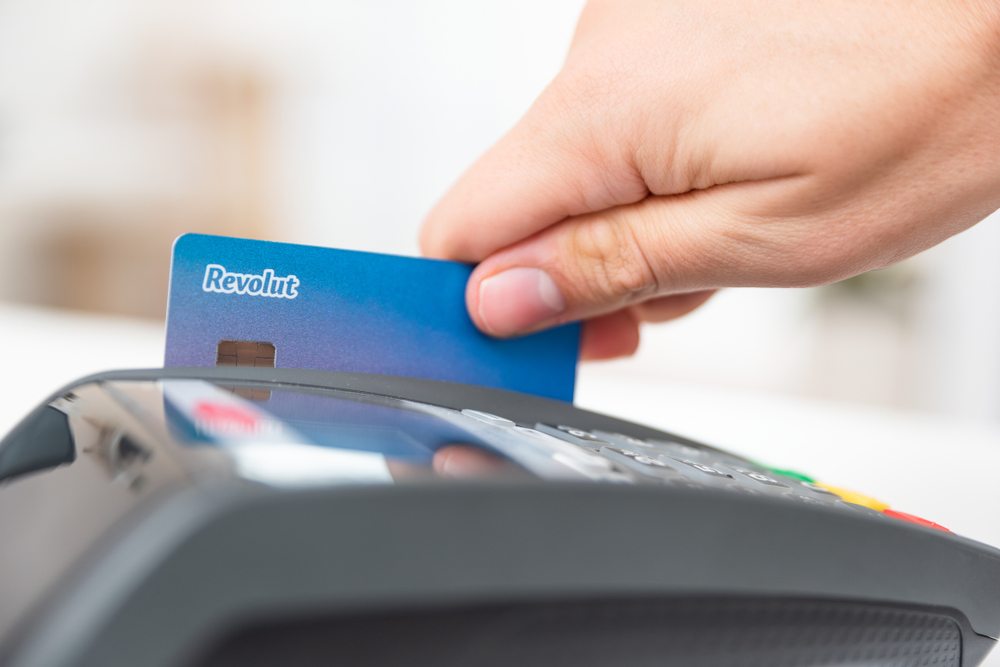
- Pay in local currency, not your own. Many shops will ask if you want to pay in your home currency or local currency. Always choose to pay in the local currency. Paying in your own currency looks easier, but it triggers Dynamic Currency Conversion (DCC), which slaps on hidden charges and a bad rate. In most cases, paying in local currency means the exchange happens at your card company’s global rate, usually much better than what a shop would offer. Whip out your calculator app to check: if the shop rate is worse than your card’s (mid-market via Google), stick to local.
- Bring the right card. Cards made for travellers, like those with no foreign transaction fees, save the most. Wise (wise.com) offers mid-market rates for transfers and multi-currency accounts, best for low-cost international sends. Revolut adds perks like insurance and crypto in premium tiers, good for everyday banking abroad. YouTrip shines in Asia with free overseas ATM withdrawals up to S$400/month (then 2% fee), ideal for Singapore-based travellers. N26 focuses on expense tracking and EU coverage. Pick based on needs: Wise for transfers, Revolut for features, YouTrip for fee-free cash pulls.
- Use ATMs strategically. Local ATMs often offer better rates than kiosks, but they’re not fee-free. Withdraw larger amounts at one time, rather than many small transactions, to reduce repeated ATM fees. Prefer ATMs in banks rather than convenience stores or airport machines, they tend to charge less. Also, if your bank works with partner networks abroad, you may qualify for reduced or waived fees. With YouTrip, get free overseas withdrawals up to S$400 per month (daily limit S$5,000, subject to ATM operator fees).
- Watch for hidden fees. Credit cards may tack on foreign transaction costs (often 2-3%). ATM withdrawals often involve flat fees and currency adjustments. Always ask about these costs before making an exchange or using cards.
Cash Strategies: When and Where to Exchange
- Compare rates before you swap cash. Checking rates at different places before exchanging money will almost always save money. Rates change across banks, local money changers, and exchange apps. Airport kiosks and hotel desks, on the other hand, tend to charge more. Make use of online comparison tools like BookMyForex‘s rate engine or apps like XE for fast checks before committing. If you must use a physical exchange desk, ask about all fees upfront.
- Top spots in Singapore include The Arcade at Raffles Place for competitive rates on USD, EUR, GBP, THB, home to changers like Arcade Money Changers (AMC SG), City Money Changers (CMC), and Eng Lok. Other areas: Mustafa Centre (Little India) or Chinatown for variety. Check live boards and compare multiple stalls.
- Carry only what you need. Exchanging large amounts before a trip may not be the best move. Rates could be better locally depending on the country. Carry just enough for early trip expenses, like transport or meals, and use ATMs or cards for most spending. Too much cash can also be risky for theft or loss.
- Avoid airport exchanges. Airport exchanges seem convenient, but they often have the worst rates and steepest fees. If possible, avoid converting cash here unless absolutely needed. Instead, use reputable bank ATMs or local money changers once in the city or town.
- Beware of weekends and holidays. Exchange rates can move a lot during weekends or holidays because markets are closed. Some banks and exchange businesses bump up rates during these times. Plan transactions for weekdays when rates are steadier and costs lower.
- Stay safe, stay smart. Always exchange with legitimate, trustworthy operators to sidestep scams and losses. Check if a money changer or exchange shop is regulated by financial authorities or carries local approval. If unsure, ask hotel staff or check online reviews. Avoid street vendors or places offering too good to be true rates.
- Use apps and digital tools. Apps like XE, Wise, or Google give live exchange rate info. XE excels for tracking trends; Wise for actual swaps; Google for basics. Download before travel to spot bad offers and double-check rates before swapping cash.
The Takeaway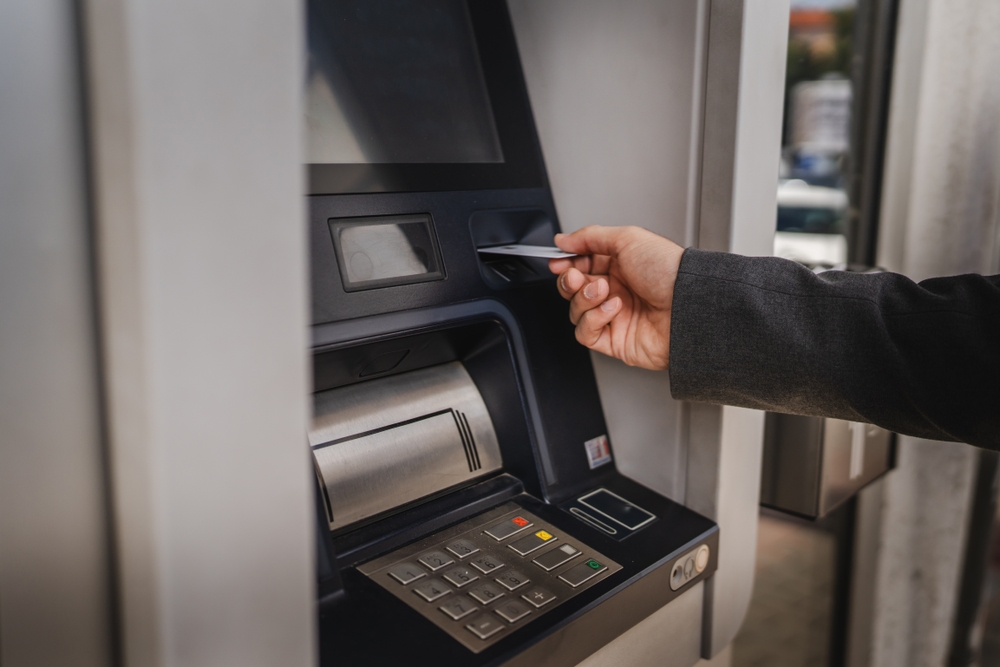
Saving on currency exchange is about planning. Compare rates, use fee-free cards, choose the right payment currency, avoid bad venues, and only exchange what you need. Time your transactions and use digital tools to avoid getting fleeced. A little homework goes a long way to keep costs down and spend smarter, wherever the trip takes you.