

The era of ticking off ten countries in two weeks is fading. A growing number of travellers are choosing to stay in one place longer, go slower, and trade packed itineraries for something that actually stays with them.
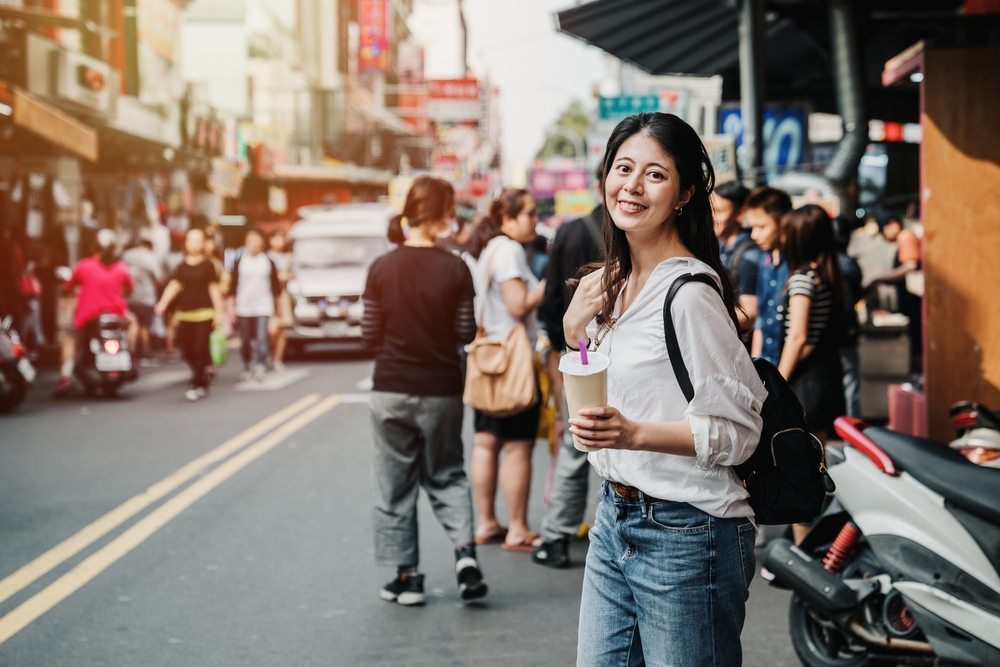
For a long time, travel meant maximising. More cities, more sights, more stamps in the passport. The goal was to cover as much ground as possible, often at the cost of actually experiencing any of it. But something has changed. Travellers are beginning to question whether a whirlwind tour of six European capitals in eight days leaves them with anything more than jet lag and a camera roll they will never fully sort through.
Slow travel is the growing alternative. At its core, it means staying in one place longer, moving less, and engaging more. It is less about a specific pace and more about a mindset: choosing depth over breadth, and connection over coverage. It is about exploring somewhere on a deeper level, making space mentally and physically for things to happen spontaneously.
The Shift Away From “Revenge Travel”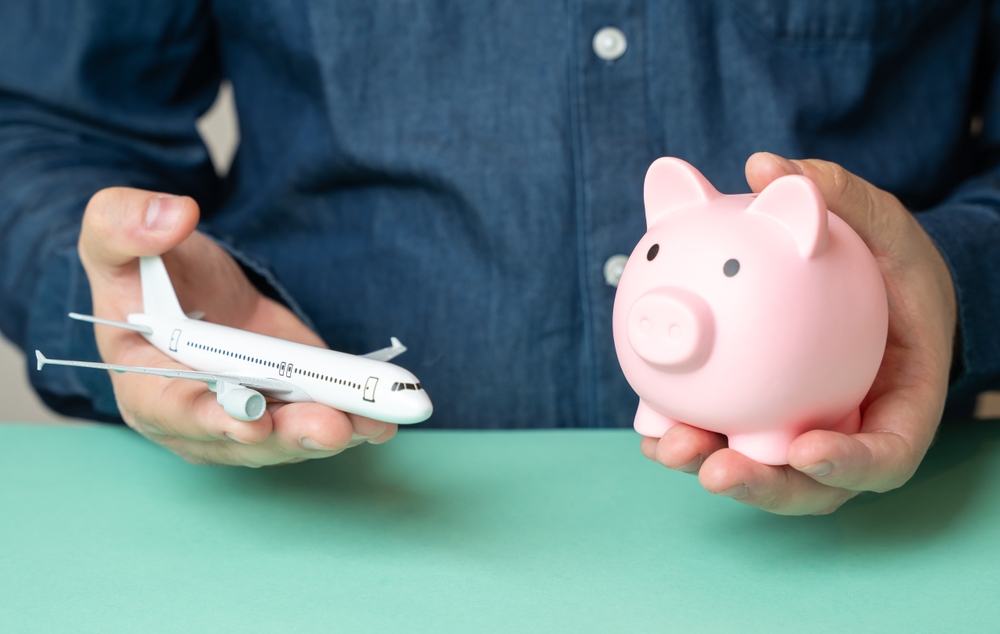
The years immediately after the pandemic saw a surge of what the industry called “revenge travel“. People booked trips they had put off, sometimes several in a single year. It was understandable. But the intensity of that period has passed. Rather than travelling at any cost, consumers are slowing down and travelling more meaningfully, taking fewer flights, staying longer, and spending more time actually living in a place instead of rushing past it, even if that means they travel less often.
Cost is part of the story. Rising accommodation and transport prices have made frequent short trips less appealing. Even though travellers are taking fewer trips, the average spend per trip is set to increase by 1.6% over the next five years to 2029. Spending more on fewer, better trips is becoming the rational choice. And for many, it turns out to also be the more satisfying one, since a single trip spent properly settling into a place tends to leave a stronger impression than five rushed days squeezed between connecting flights.
The shift is also generational. Younger travellers are often described as being less interested in accumulating experiences for social media and more interested in what those experiences actually feel like. New trends like immersive travel, slow travel, and the experience economy point to a move toward personal and meaningful adventures.
Remote Work Changed The Math
There is a real argument to be made that seeing less can mean experiencing more. When you spend two or three weeks in one city or region rather than passing through for two nights, you start to notice things that tourists never do. You find the coffee shop that locals actually use and learn which days the market runs. You begin to understand the rhythm of a place rather than just photographing its surface.
With slow travel on the rise, more travellers are exploring secondary cities and destinations instead of the overcrowded tourist hotspots. This is good for travellers who want something more genuine, and it is also better for the destinations themselves, which are often struggling with the pressures of over-tourism.
For Singaporeans, who are among the most well-travelled people in Southeast Asia, this shift has particular relevance. Singaporean and Thai tourists demonstrated a preference for more relaxed, slower-paced vacations, according to a 2024 Milieu Insight survey . And data from Singapore’s Department of Statistics shows that the median duration of Singaporeans’ overnight trips grew from two days in 2015 to three days in recent years, with longer trips gaining share.
What Slow Travel Actually Looks Like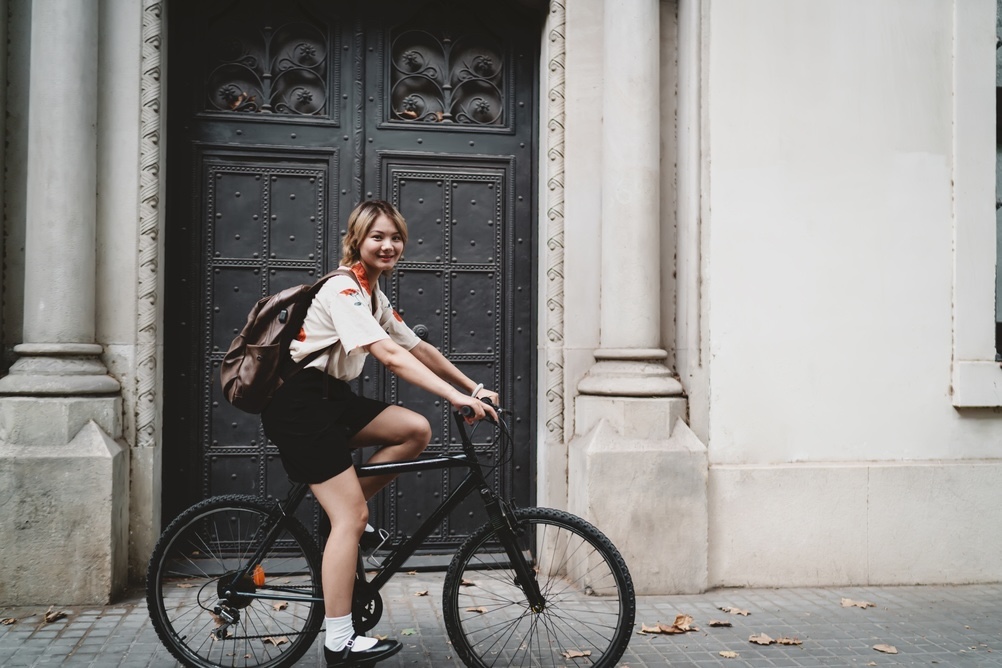
It does not have to mean spending a month in one flat in Lisbon. Slow travel can be as simple as resisting the urge to plan every day. It might mean taking the train instead of flying between cities. A few hours watching the landscape roll past does more for a sense of place than a one-hour flight ever could. Or it might just mean spending a morning wandering without a destination in mind. For some, slow travel is about rest, relaxation, or unplugging from work. Others engage in hobbies, self-discovery, or connecting with the outdoors or local cultures, often far away from crowded hotspots.
Self-guided trips involving hiking and cycling are trending among some travellers in popular locations like Austria, Scotland, and the Patagonia region of Chile and Argentina. The appeal is the same: moving at a pace that allows you to notice things, meet people, and feel present in a place rather than just passing through it.
The Sustainability Angle
Slow travel also has a lower environmental footprint. Fewer flights, longer stays, and more spending in local economies all reduce the impact of tourism. Travellers who stay in one place for a week may rent an apartment, buy groceries locally, and eat at neighbourhood restaurants. They contribute more to the local economy and leave a smaller carbon trail than someone who hops between five cities on short-haul flights.
Long-term trends point toward a more sustainable and equitable tourism model that benefits both travellers and host communities. This is not just an environmental argument. It is increasingly what travellers themselves want. Sustainable tourism has become the new standard, with Singaporeans increasingly attracted to operators and brands with a focus on responsible operations, such as Singapore Tourism Board-certified travel agencies like Big S’ Holiday, and attractions such as Resorts World Sentosa, which has earned international sustainability certification under the Global Sustainable Tourism Council criteria.
The Practical Barriers
Slow travel is easier said than done for many. Singaporeans are constrained by annual leave entitlements that rarely exceed 14 to 18 days a year. Spending ten of those days in one place requires a certain confidence that the experience will be worth it. For families with school-going children, longer stays outside school holidays add another layer of complexity.
According to a 2025 YouGov survey, three in ten Singaporeans cut back on international trips in 2025, largely due to financial pressures. Around 65% of travellers said rising expenses affected their travel decisions, with higher transport and accommodation costs cited most often. The irony is that slow travel, once you factor in the savings from fewer flights and more self-catering, can actually cost less per day than the whirlwind alternative.
A Different Way To Measure A Trip
The deeper shift that slow travel represents is a change in how people measure the value of a holiday. The old measure was coverage: how many countries, how many landmarks, how many experiences can you pack in. The new measure is harder to quantify but easier to feel: Did this trip change how I think about something? Did I come home with a real sense of a place, or just a set of photos?
Travel has become more purpose-driven, and when a trip has purpose, the spending that goes towards it becomes more meaningful. That is the logic behind slow travel. Not that busy itineraries are wrong, but staying longer, moving less, and paying attention tends to produce experiences that last beyond the holiday itself.
For Singaporeans, a nation of enthusiastic travellers used to short regional hops, this is an invitation to rethink what a good trip actually looks like. It does not need to involve crossing off a list. Sometimes it just means finding a neighbourhood that feels like yours for a while, and letting that be enough.