

Every time you fill up in Singapore, you feel it. With petrol now reaching around S$3.46 per litre at some stations (as of May 2026) , fuel is one of the highest ongoing costs of owning a car. But you do not need a new car to spend less. The way you drive has a bigger effect on fuel consumption than most people realise, and small, consistent changes add up to real savings over time.
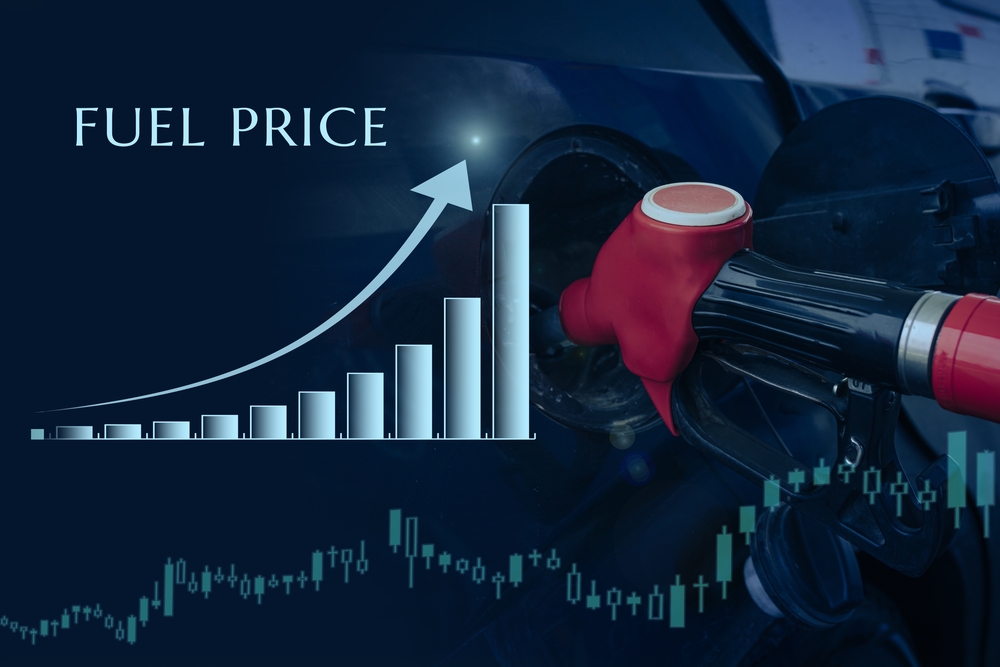
Anyone who drives regularly in Singapore knows the sting at the pump. Petrol prices here have climbed steadily, driven by global oil markets, which have driven prices up significantly in recent years. For most drivers, fuel is one of the few running costs they can actually do something about. Unlike road tax, insurance, or ERP charges, how much petrol you burn is largely within your control. The habits covered here cost nothing to adopt, and collectively they can cut your fuel use by 10 to 25 per cent, depending on how you currently drive.
Ease Into the Accelerator
How hard you press the accelerator is one of the biggest factors in your fuel consumption. Hard acceleration forces the engine to work at high load, burning far more fuel than a gradual build-up of speed would. In Singapore’s city driving, where traffic lights are frequent and jams are the norm, this matters enormously. Every time you floor it from a standstill and then brake hard at the next junction, you are burning fuel you did not need to burn.
The habit to build is anticipation. Look ahead and read the road. When you can see a red light or slowing traffic well ahead, ease off the accelerator early and let the car coast in gradually. There is no need to rush to the junction and brake hard at the last moment. Natural Resources Canada found that smooth braking and gentle acceleration from a standstill, taking about five seconds to reach 20 km/h, can cut fuel use by up to 25 per cent when combined with other eco-driving habits. Think of it as the open-cup-of-coffee test: if a full cup were sitting on your dashboard, could you drive without spilling it? That is roughly the pace your engine rewards (a widely used analogy from Natural Resources Canada).
Speed Makes A Bigger Difference Than You Think
On expressways, your cruising speed has a disproportionate effect on fuel use. Aerodynamic drag rises sharply with speed, so driving at 110 km/h instead of 90 km/h can increase your fuel consumption by 15 to 25 per cent, depending on your car. On the PIE or the BKE, it is easy to creep up to 110 km/h or beyond without noticing, especially when traffic is light. Glancing at your speedometer regularly, especially when traffic thins, helps you stay at a more fuel-efficient pace and keeps your driving safer.
Inconsistent speed is also a problem. Research by Natural Resources Canada shows that varying speeds between 75 and 85 km/h every 18 seconds can increase fuel consumption by up to 20 per cent compared to holding a steady pace. If your car has cruise control, use it on expressways when traffic conditions allow. It maintains a consistent speed more precisely than you can manually, and that consistency pays off. In city driving, try to match the flow of traffic and time your approach to traffic lights so you spend less time accelerating from a complete stop.
Aircon Or Windows Down: What Actually Saves Fuel?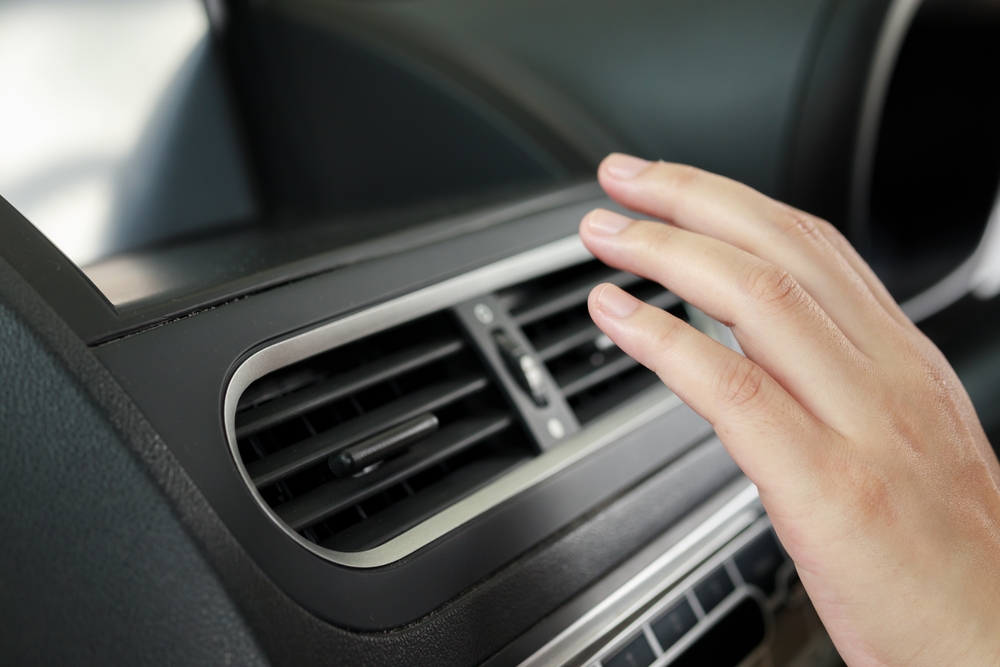
This is the question most Singapore drivers face daily, especially in the midday heat. The honest answer depends on your speed.
At low speeds, such as in a car park, in heavy traffic, or on quieter roads below about 60 km/h, opening the windows creates little aerodynamic drag. In those conditions, switching off the air conditioner and opening the windows uses less fuel than running the compressor. But at expressway speeds, the drag from open windows increases significantly. Above around 80 km/h, keeping the windows up and running the aircon on a moderate setting is generally more fuel-efficient than the alternative. This recommendation is consistent with guidance from Natural Resources Canada and the ecodrive.org that note windows down are typically more efficient at lower speeds, while aircon becomes the better choice at higher speeds.
There are also easy ways to reduce how hard your aircon has to work, whatever your speed. Park in a covered car park or in the shade where possible: a cooler cabin when you return means the aircon does not have to fight as hard to bring the temperature down when you drive off, and the compressor runs at high load for less time. Before you drive off, open the doors for a minute to let the trapped heat escape rather than making the aircon fight to cool a superheated cabin. And set the temperature to a comfortable level, not the coldest setting. The system will reach the target sooner and ease off, rather than running at full load the whole journey.
Check Your Tyre Pressure Every Month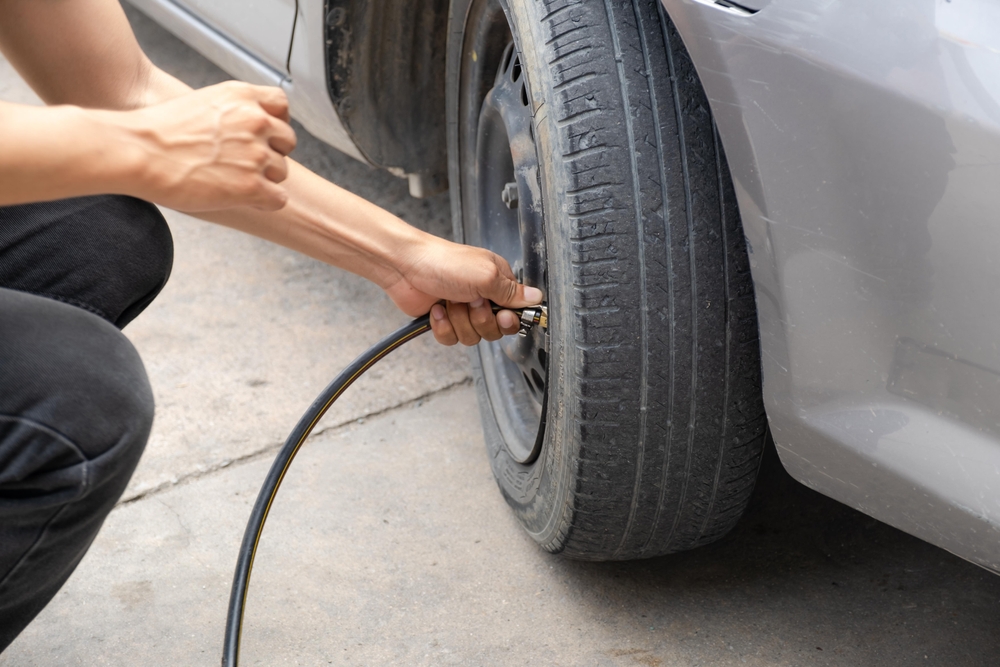
Under-inflated tyres are one of the most overlooked fuel-wasters, and one of the cheapest to fix. When tyres are below their recommended pressure, rolling resistance increases and the engine has to work harder to push the car forward.
According to Natural Resources Canada , driving on tyres under-inflated by 56 kilopascals (roughly 8 PSI) can increase fuel consumption by up to 4 per cent. The US Department of Energy puts the figure at around 0.2 per cent for every 1 PSI of under-inflation across all four tyres. Neither sounds dramatic, but across 15,000 kilometres a year, it adds up to a meaningful amount of wasted fuel, and wasted money.
Check tyre pressure at least once a month, and always when the tyres are cold, before a long drive. The correct pressure for your car is printed on a sticker inside the driver’s door jamb or in the owner’s manual. Use that number, not the maximum pressure printed on the tyre sidewall. Properly inflated tyres also last longer and handle better, so there is no reason not to stay on top of it.
Stop Unnecessary Idling
Leaving the engine running while the car is stationary burns fuel for no forward progress at all. In Singapore’s heat, it is tempting to sit in a car park with the engine running and the aircon on while you wait. But every minute of idling consumes fuel, and the ecodrive.org guidelines note that switching off the engine makes sense whenever you expect to be stationary for more than 20 seconds.
The idea that modern engines need a few minutes to warm up before driving is outdated. Fuel-injected engines, which is what almost every car built in the last 30 years has, are ready to drive within 30 seconds of starting. Many newer cars now have automatic start-stop systems that cut the engine when stationary in traffic. If you have been turning this feature off because it feels abrupt, consider leaving it on. It is designed specifically to reduce fuel use in the stop-start conditions that make up most of driving in Singapore.
Plan Your Route And Avoid The Worst Traffic
Stop-start driving in heavy congestion is one of the most fuel-inefficient ways to travel. Every cycle of braking from speed and then accelerating again wastes energy: braking converts your forward momentum into heat, and you then burn fuel to rebuild that speed from scratch. A clear run at a steady pace uses considerably less fuel per kilometre than the same distance in peak-hour traffic.
Where possible, travel outside the worst congestion windows. Use Waze or Google Maps to check conditions before setting off and take alternate routes when the main expressways are heavily jammed. It will not always save time, but it often saves fuel. Combining several short trips into one longer outing also helps: short cold starts, where the engine has not yet reached its most efficient operating temperature, use more fuel per kilometre than longer journeys.
Do Not Neglect Basic Maintenance
A poorly maintained car uses more fuel than one kept in good condition, and the effect is cumulative. Old or incorrect engine oil raises internal friction, worn spark plugs cause incomplete combustion, and a clogged engine air filter makes the whole system work harder. None of these faults is dramatic on its own, but together they steadily erode efficiency and push up your fuel bill.
The US Department of Energy estimates that using the correct motor oil grade can improve fuel economy by 1 to 2 per cent, and that proper tyre inflation adds up to 3 per cent on top of that. Follow your car’s service schedule, use the oil grade specified by the manufacturer, and have the basics checked regularly. A well-maintained engine is a more efficient one, and staying on top of servicing is far cheaper than the repairs that follow from neglecting it.
Small Habits, Real Savings
None of this requires special equipment, a new car, or any serious lifestyle change. Drive smoothly, hold a steady speed, use the aircon sensibly, keep your tyres properly inflated, avoid unnecessary idling, and stay on top of basic servicing. Do these things consistently, and over weeks and months, the savings accumulate. At more than S$3 per litre, every efficiency gain counts.