

Getting older parents in and out of the car is only part of the job. The bigger challenge is making every trip feel easy and unhurried for everyone in it.
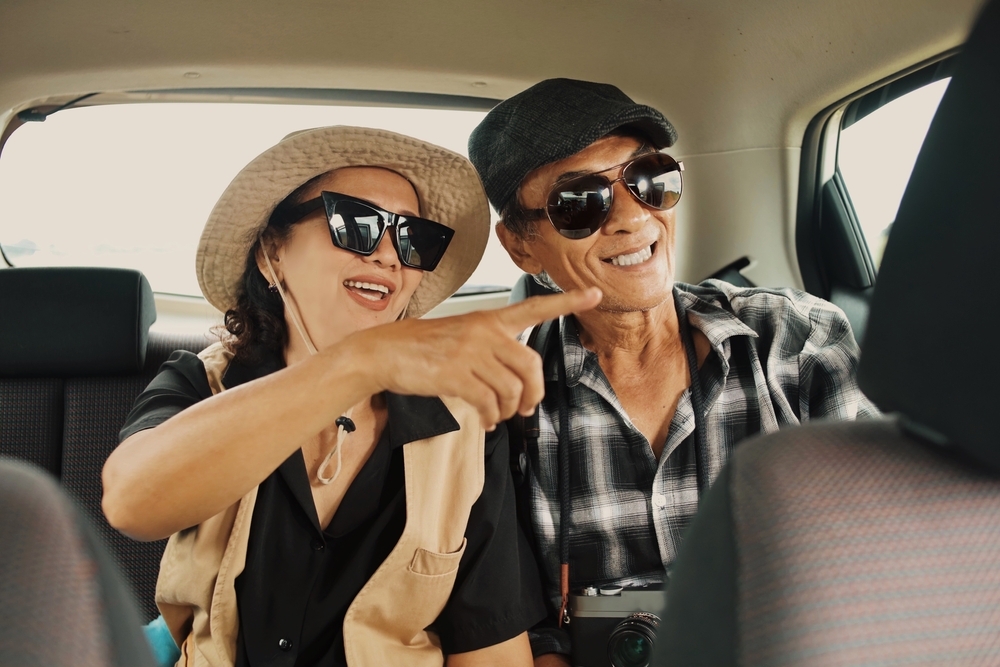
Singapore is getting older. According to the Singapore Department of Statistics, nearly one in five residents was aged 65 and above as of mid-2025, (18.8 per cent, up from 11.8 per cent in 2015). By 2030, that figure is projected to reach one in four citizens. For many families, this shift shows up in small, daily ways: the Sunday drive to a hawker centre, the clinic run on a weekday morning, the airport send-off for a grandchild.These trips are routine, but for an older parent they can represent the week’s main outing. They deserve more thought than we usually give them.
Driving aged parents around is not simply a logistical task. It involves understanding how their bodies and comfort needs have changed, adjusting our own pace and habits behind the wheel, and making practical choices about the car environment. Done well, it can make a real difference to how they feel on the day and how willing they are to get out again.
Getting In And Out
The first challenge is going through the door. As people age, joints stiffen, and balance becomes less reliable. Getting into a low-slung sedan requires bending the knees deeply and lowering the body into a seat that sits close to the ground. That’s harder than it sounds when your hips ache or your knees are not what they used to be. Conversely, a large SUV sits too high, requiring a climb that can be just as taxing.
Crossovers and mid-height hatchbacks tend to work best for older passengers. The seat sits at roughly hip height, which allows a person to back up to the seat, lower themselves down, and then swing their legs in without excessive effort.
If your current car is not ideal, a few small tools can help. A portable grab handle that slots into the door latch gives something firm to hold during the transfer. A swivel cushion placed on the seat lets passengers rotate their body after sitting down, rather than having to twist their spine to get their legs in.
Park as close as possible to the kerb in a proper, designated bay on a flat surface, and switch the engine off before your senior passengers get in or out. Even a stationary engine produces vibration and low-level noise that can unsettle an older person with balance sensitivities. Switching it off gives them a stable, quiet environment to transfer safely. Give them time, and resist the urge to physically guide them unless they ask for help, being grabbed or steered without warning can throw off their balance and feels undignified.
Comfort On The Road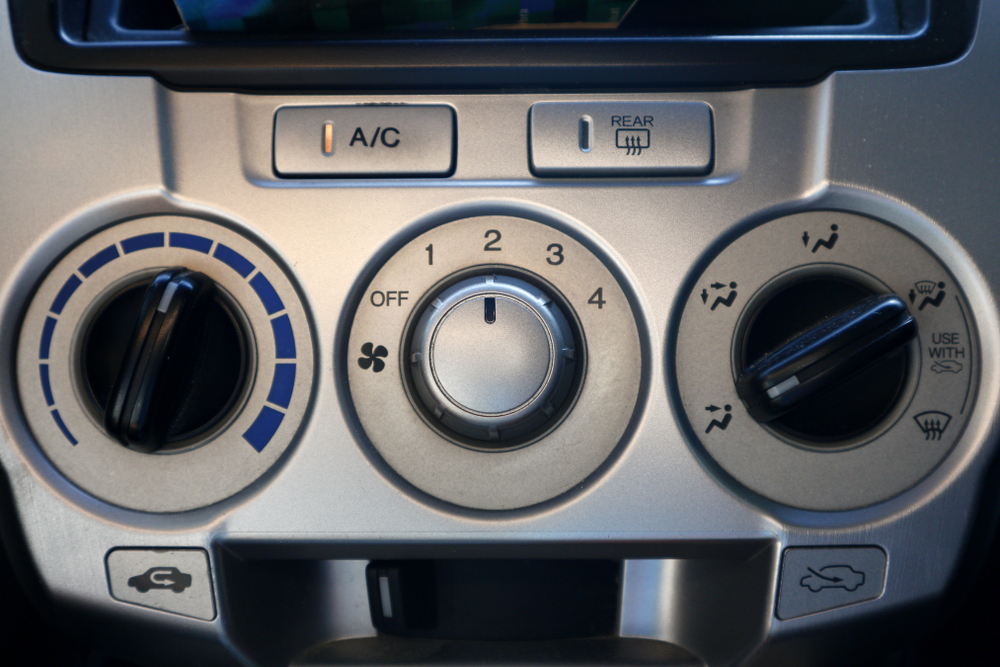
Once inside, comfort matters more than you might expect. Older bodies are more sensitive to temperature, vibration and prolonged sitting in one position. Air conditioning that feels pleasant to a driver in their 40s can be genuinely cold for someone in their 70s. Set the cabin temperature a little warmer than usual, or direct the vents away from the rear passenger seats. A small blanket kept in the car is a simple fix.
Seat position and support also make a difference. If your car has adjustable lumbar support, set it before your parents get in. A thin lumbar cushion or a rolled-up jacket placed at the lower back can reduce discomfort on longer drives. High-quality foam seat cushions, which distribute pressure more evenly, are widely available online and at medical supply stores, and are particularly useful for those who experience soreness after sitting for extended periods. If your car has ventilated seats, use them. In Singapore’s heat and humidity, regulating seat temperature is not a luxury; it can prevent real discomfort on a drive of even 20 minutes.
On the road itself, drive smoothly. Aggressive braking and sharp cornering are unpleasant for most passengers, but they can be disorienting or even painful for someone with a stiff neck or brittle bones. Accelerate gently, brake early, and warn your passengers before speed bumps. Singapore’s roads are generally well-maintained, but speed humps in car parks and older estates can catch you off guard. Slowing right down before reaching them is a small gesture that your parents will appreciate.
Motion Sickness And Visibility
Motion sickness is more common in older adults than many people realise, and it tends to worsen with age. The inner ear becomes less efficient at processing movement signals, and the brain takes longer to reconcile what it sees with what it feels. Long stretches of expressway driving at consistent speed are usually fine. It’s the stop-start of urban traffic, tight corners, and looking down at a phone that cause problems.
Seat your parents in the front. Front-seat passengers have a wider field of vision and a better view of the road ahead, which helps the brain make sense of movement. If they must sit in the back, ask them to look forward through the windscreen rather than out the side windows. Keep the cabin well-ventilated and avoid strong scents in the car, including air fresheners, which can trigger nausea quickly. If motion sickness is a recurring issue, speak to their doctor about appropriate medication to take before longer trips. On sun shields: keep them rolled up where possible on longer drives. Blocking the side windows cuts off visual reference points, which makes it harder for the brain to track the car’s movement and can worsen nausea.
Large windows and a generally open cabin feel help too. Avoid overloading the rear window shelf with items that block the rear view, and keep the interior uncluttered. Visibility and a sense of space contribute more to passenger comfort than most people think.
Planning The Trip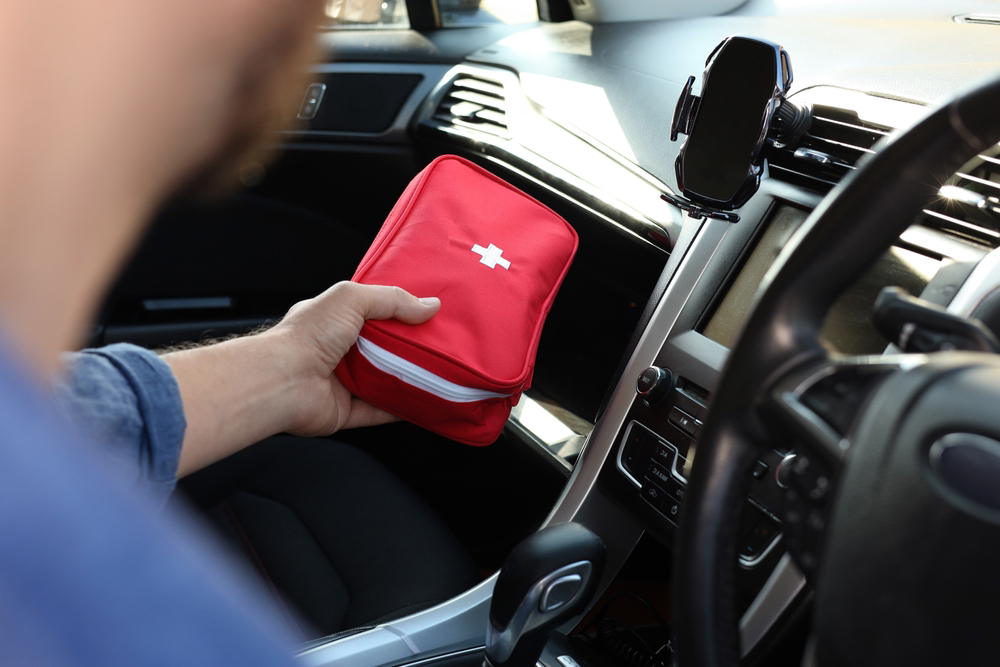
Preparation makes a difference that extends beyond the car itself. Before a longer outing, check that your parents have taken their medications, and bring extra if it is a full-day trip. Pack water within easy reach in the cabin, not in a bag in the boot. A small snack is worth having, particularly for elderly diabetics or those prone to low energy.
Plan rest stops into any trip that runs longer than 90 minutes. Bladder capacity decreases with age, and sitting for long periods increases discomfort and swelling in the legs. A short stop at a petrol station or a mall with accessible toilets is not a disruption; it’s good planning. Identify accessible toilets along your route before you leave, particularly if your parent uses a walking frame or wheelchair.
For medical appointments, allow more time than you think you need. Arriving stressed and in a hurry is the quickest way to make an elderly person feel like a burden. If parking is uncertain, drop them at the entrance first and park separately. AA Singapore’s car rental programme can also be worth considering if you need a more accessible vehicle for a specific outing and your regular car is not well-suited.
The Emotional Side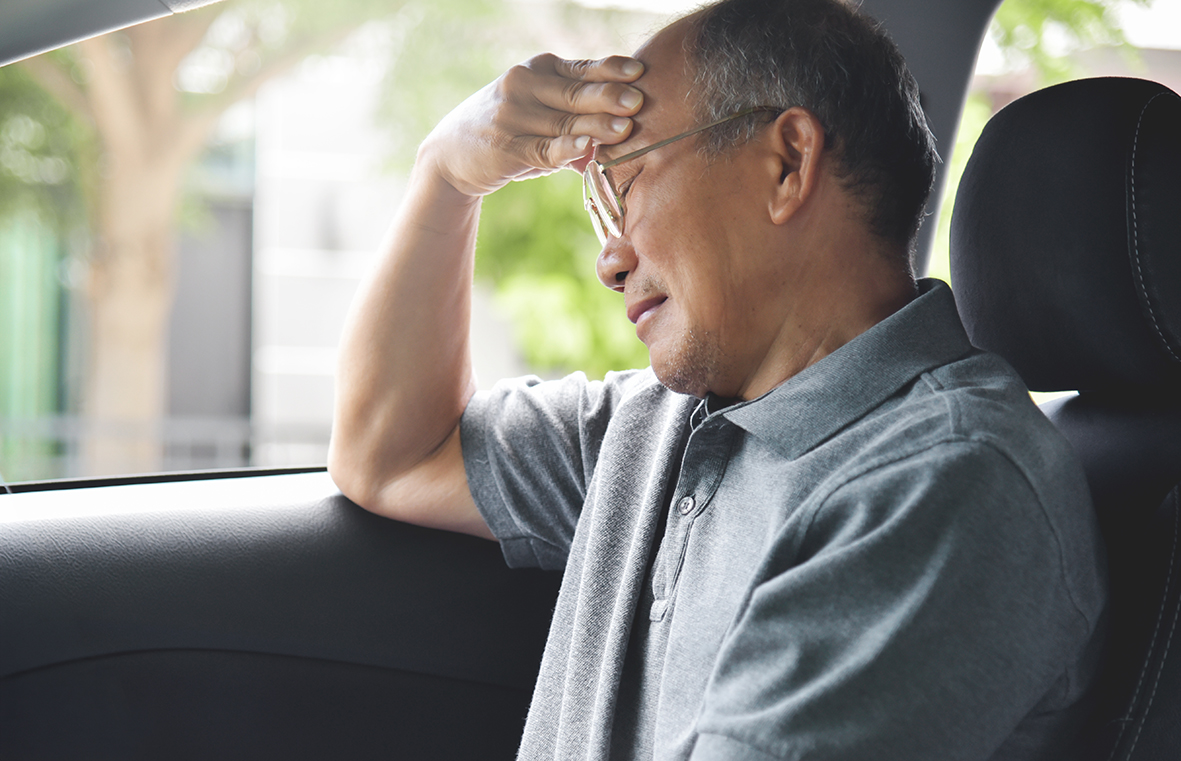
There is something that doesn’t get said often enough: driving your parents around can feel like a role reversal, and that’s strange for everyone. Your parents may feel embarrassed about needing help, reluctant to ask for a toilet break, or anxious about being a burden. You may feel impatient when schedules run long, or frustrated when they ask you to slow down or change the route.
Acknowledging this honestly helps more than pretending everything is smooth. Let them set the pace when getting in and out, ask what temperature they prefer. Check in during the drive without overdoing it. Simple questions like “Are you comfortable?” or “Do you need a window cracked?” take seconds, and signal that their comfort is the priority.
It’s also worth remembering that, for many older Singaporeans, getting out of the house depends heavily on having someone to drive them. Public transport, while improving, can still be real barrier: the walk from home to the nearest stop, the heat and crowds on buses and trains, the steps at platform gaps and overhead bridges, and escalators that are not always working. The car trip is often the thing that makes a social visit, a medical appointment, or a family lunch actually happen. The quality of that experience matters.
Small Adjustments, Big Difference
None of this requires a new car or expensive modifications. Most of what helps older passengers travel comfortably comes down to slowing down, paying attention, and making a few small preparations before you leave. The more you do these trips, the more intuitive it becomes.
Singapore’s population is ageing fast; for most families, the car is still how parents get to the people and places that matter to them. Making that journey comfortable is not a favour — it’s just good sense.