

Reverse cameras are now standard in most new cars, but they have real blind spots of their own. Mirrors and head checks are not habits you can drop just because a screen is showing you what’s behind you.
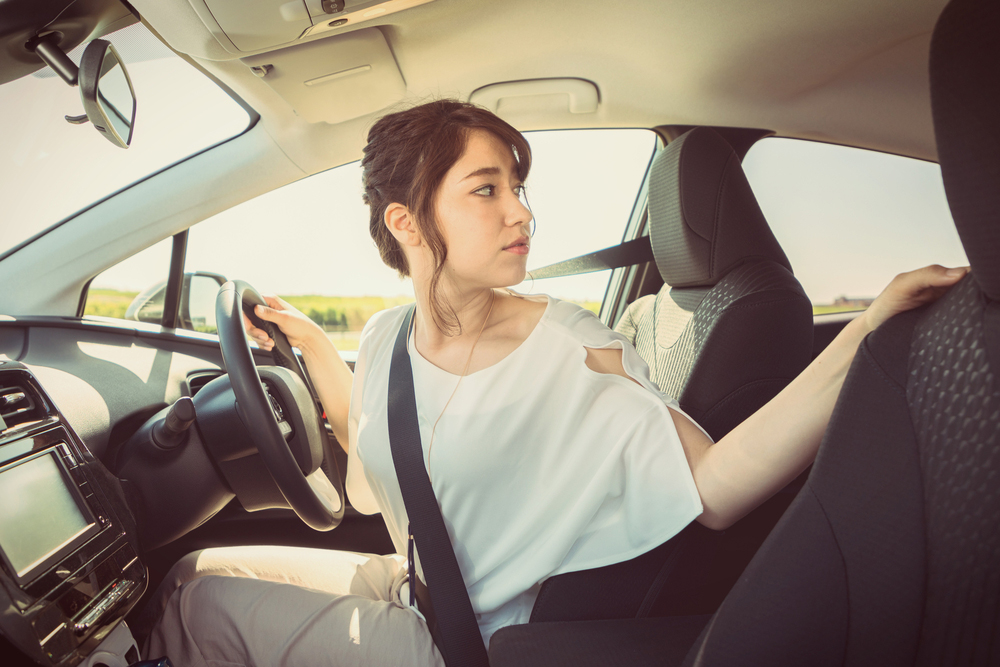
Walk through any HDB multi-storey carpark in Singapore, and you will see the same thing: drivers staring at their infotainment screens as they reverse into a lot, no longer turning their heads to check what is behind them. The reverse camera has changed how people park, and largely for the better. Low-speed reversing accidents have fallen in countries where camera adoption is high, but the technology has also bred a quiet overconfidence that is getting people into trouble.
A reverse camera shows you what is directly behind your car. That sounds straightforward, but the reality is more complicated. Cameras have fixed fields of view, lens distortions, and weather-related limitations. They neither replace mirrors nor checking over their shoulder. Knowing where they fall short means you will not rely on them when they cannot help you.
What The Camera Actually Shows You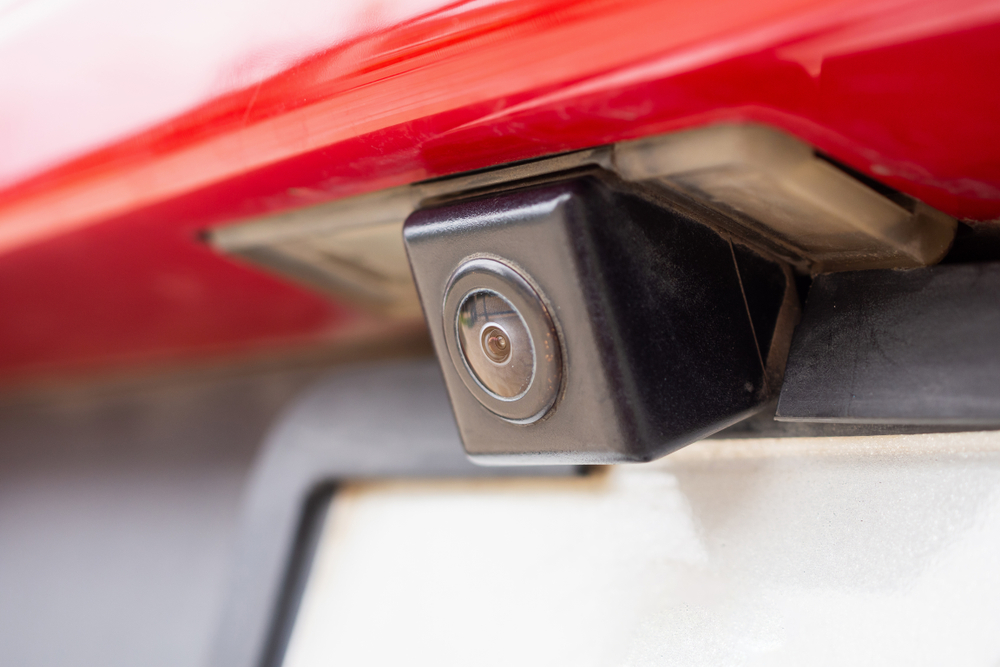
Most reverse cameras sit at the rear of the vehicle, usually near the number plate or boot handle, and they point backwards and slightly downward. The image appears on your dashboard screen the moment you engage reverse gear.
What the camera does well is show you what is directly behind the car, which is the zone hardest to see through your rear windscreen and mirrors. For reversing into a tight lot, that central view is genuinely useful. Research by the Insurance Institute for Highway Safety found that cameras reduce the blind zone behind a vehicle by an average of 90 per cent, and a review of crash data from 22 US states found they cut backing collisions by around 16 per cent.
The camera typically provides a wide-angle view, sometimes ranging from around 120 to 180 degrees. That sounds broad, but wide-angle lenses distort distance. Objects in the frame often appear further away than they actually are, which can cause drivers to misjudge gaps. A kerb, a bollard, or a small child can look deceptively far despite being much closer than they appear.
The Blind Spots Cameras Cannot See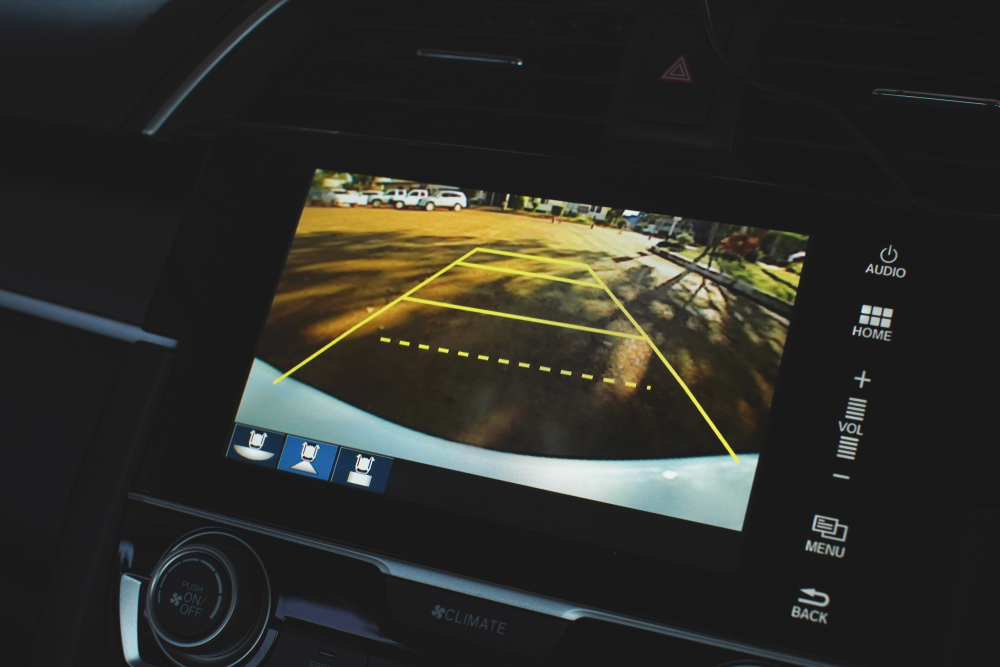
Here is the problem: a reverse camera is not a 360-degree system unless your car specifically comes with one. Even then, 360-degree systems stitch together multiple camera feeds, and the join points between cameras can create small gaps in coverage.
A standard rear camera has a fixed cone of vision. Anything outside that cone, including along the sides of your car, is not visible on screen. When you reverse out of an angled carpark lot, a pedestrian walking through the lane behind you may enter your path from the side, outside of the camera’s field of view. The camera will not pick them up until it is too late.
Low obstructions are another issue. Most cameras are mounted at bumper height or slightly above. Very low objects like wheel stops, road debris, or a small child crouching down can fall below the camera’s line of sight entirely. The screen may show a clear path, but something could still be in the way.
The Rain Problem
Rain, mud, and condensation can compromise the camera image at exactly the moment you need a clear vision. A dirty or foggy lens gives you a blurry feed when you are about to move. In Singapore’s wet weather, this is not a small concern. Camera lenses collect rainwater, pick up grime from carpark floors, and fog up in humidity, and many drivers will not notice until they are already moving.
Unlike a wing mirror, which you can wipe with a cloth in seconds, a rear camera lens is not always easy to clean quickly. And a degraded image can be worse than no image at all, because it gives you a false sense of what is behind you.
Why Mirrors Are Still Non-Negotiable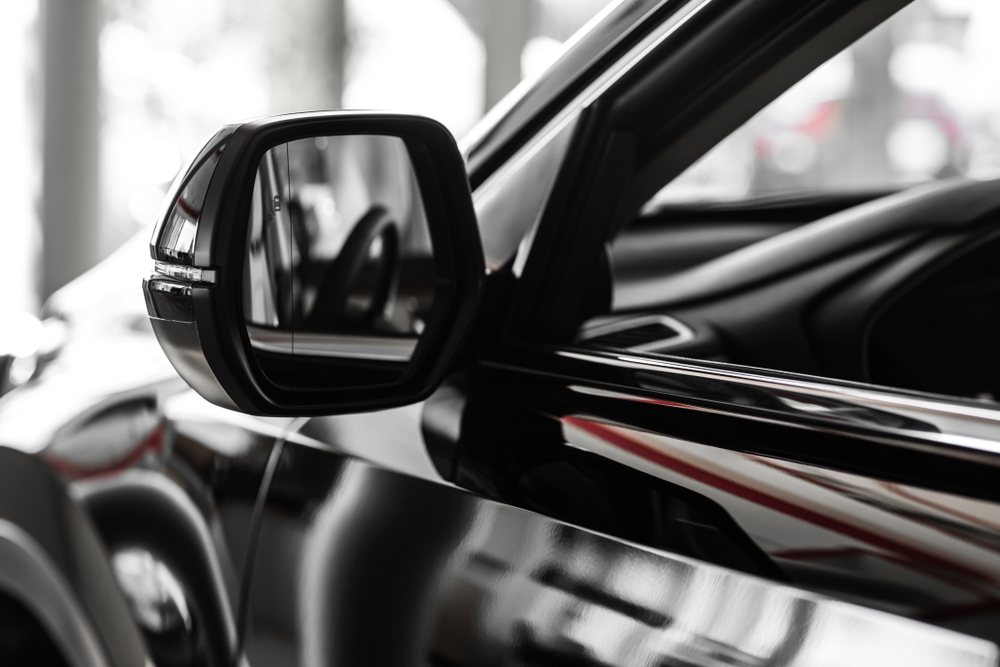
Your car’s mirrors give you a different kind of awareness. The rear-view mirror and both wing mirrors show you what is happening along the sides of the vehicle, which the rear camera cannot. When reversing out of a car park, your wing mirrors let you spot approaching vehicles and cyclists in the lane before they reach the back of your car.
Mirrors also update in real time without any lag. Cameras feed their image to a screen, and there is a small but real processing delay between what the camera sees and what appears on screen. In most situations, this does not matter. But at low speeds in a tight space, that fraction of a second is worth being aware of.
The camera and your mirrors work best as a pair. The camera gives you the immediate rear view, while your mirrors cover the wider environment on both sides of the vehicle. Using one without the other leaves gaps in your awareness.
The Overconfidence Problem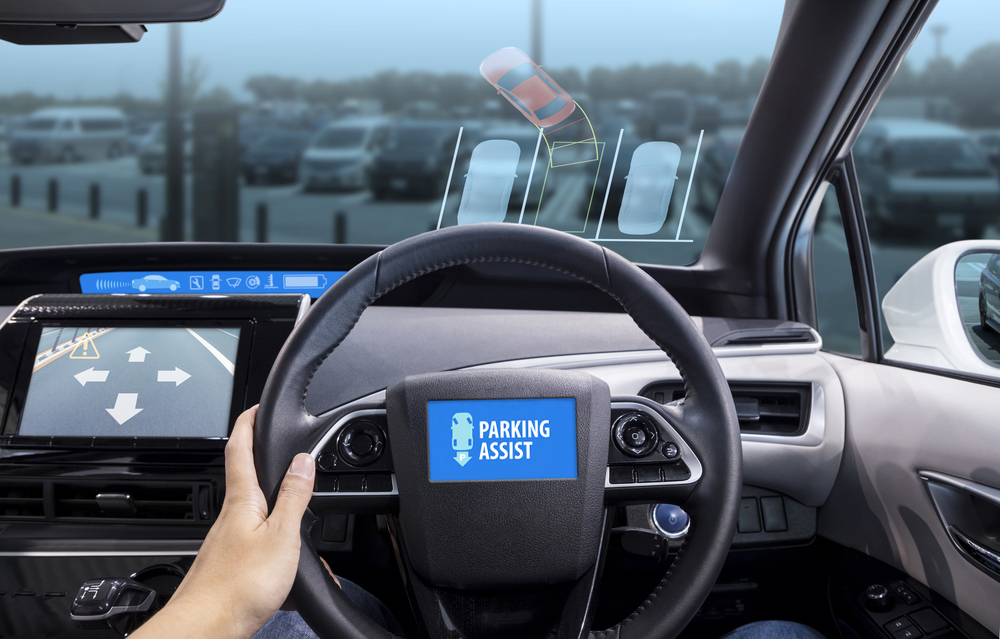
Several road safety studies have found that reverse camera adoption, while reducing certain types of collisions, can increase driver complacency. Drivers who rely entirely on the camera tend to look at the screen and nowhere else. They stop checking mirrors and turning their heads, and come to trust the technology completely.
This is a pattern researchers in the United States have documented. The National Highway Traffic Safety Administration (NHTSA) found that while backup cameras reduced reversing-related fatalities and injuries, the effect was less dramatic than expected because some drivers simply shifted their full attention to the screen and lost broader situational awareness.
In Singapore, where multi-storey carparks are densely used and lanes are narrow, this kind of tunnel vision is risky. Motorcyclists, cyclists, and pedestrians move quickly through carpark lanes, often appearing suddenly from angles the rear camera simply does not cover.
The Head Check: Still Worth Doing
Before reversing, a physical head check takes about three seconds. You turn your head and look directly behind you through the rear windscreen, check each mirror, and glance over each shoulder to cover your blind spots. This gives you spatial awareness that no screen can replicate, because you see depth differently when looking at a space directly rather than through a camera feed.
Singapore has three approved driving centres, and while the head check is part of the standard reversing procedure, how much emphasis an instructor places on it can vary. It is a habit that costs nothing and adds a real layer of safety. The camera shows you what is there; the head check confirms nothing has moved into position since you last looked.
For reversing into a lot or a parallel space, the sequence is: check mirrors, glance at the camera feed, take a final look over your shoulder before you move. That is not overcaution. It is just how safe reversing works.
Technology As A Support, Not A Replacement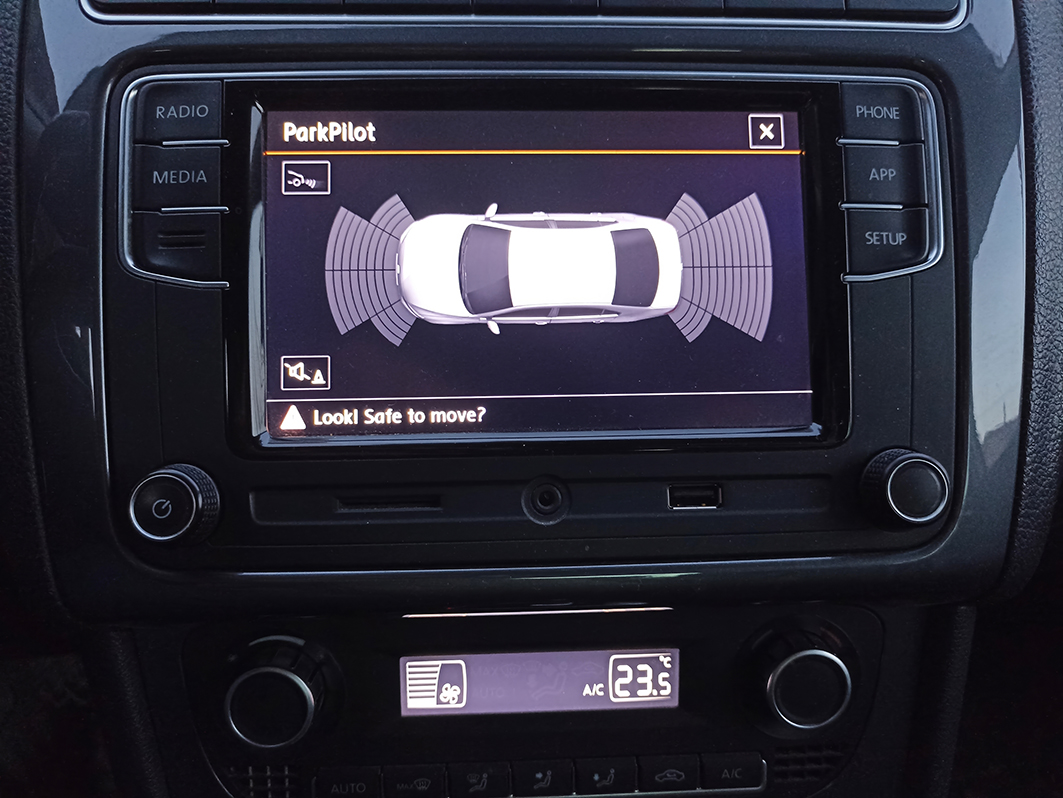
Car manufacturers have been clear about this, even if it tends to get lost in the marketing: reverse cameras, parking sensors, and blind spot monitoring systems are driver aids. They are designed to assist, not to replace driver judgment.
Singapore’s Road Traffic Act places responsibility squarely on the driver, and that does not change because technology is present. If you reverse into someone while only watching the screen, the fault is still yours, because the camera did not drive the car.
Modern vehicles are adding more sophisticated systems, including rear cross-traffic alerts, automatic emergency braking when reversing, and full surround-view cameras. These are genuine improvements. But even the most advanced system has edge cases, failure modes, and weather limitations. A driver who understands that is safer.
Reverse cameras work. They have made reversing safer for millions of drivers, and cars are better for having them. But they are one tool, not the whole toolkit. A camera with a fixed field of view, a lens that fogs up in rain, and a slight processing delay is not a substitute for mirrors and a head check.
The best approach is to use everything available: check your mirrors, glance at the camera feed for the immediate rear view, and turn your head before you move. Three seconds of proper checking before you reverse is worth more than any screen, and the roads and carparks will be safer for it.