

From planning journeys to staying on top of maintenance, motorists are making practical changes to keep driving costs under control. A simple drive across Singapore can quickly become an expensive one. Filling up the fuel tank, passing through ERP gantries, paying for parking, and keeping up with regular servicing all add to the cost of owning a car.
Car ownership in Singapore also comes with costs beyond the price of the vehicle itself. Buyers have to factor in charges such as the Additional Registration Fee (ARF) and Certificate of Entitlement (COE), while road tax and other running costs add to the expense of keeping a car.
For motorists who do not need a car every day, renting or using a car-sharing service can be an alternative to full ownership. Car-sharing allows motorists to use a car for shorter periods without having to own one.
Instead of making drastic lifestyle changes, many motorists are adapting in small but practical ways. They are planning journeys more carefully, driving more efficiently, and placing greater emphasis on preventive maintenance to keep ownership costs under control.
These everyday adjustments are helping motorists manage rising costs without giving up the convenience of owning a car.
Getting More from Every Tank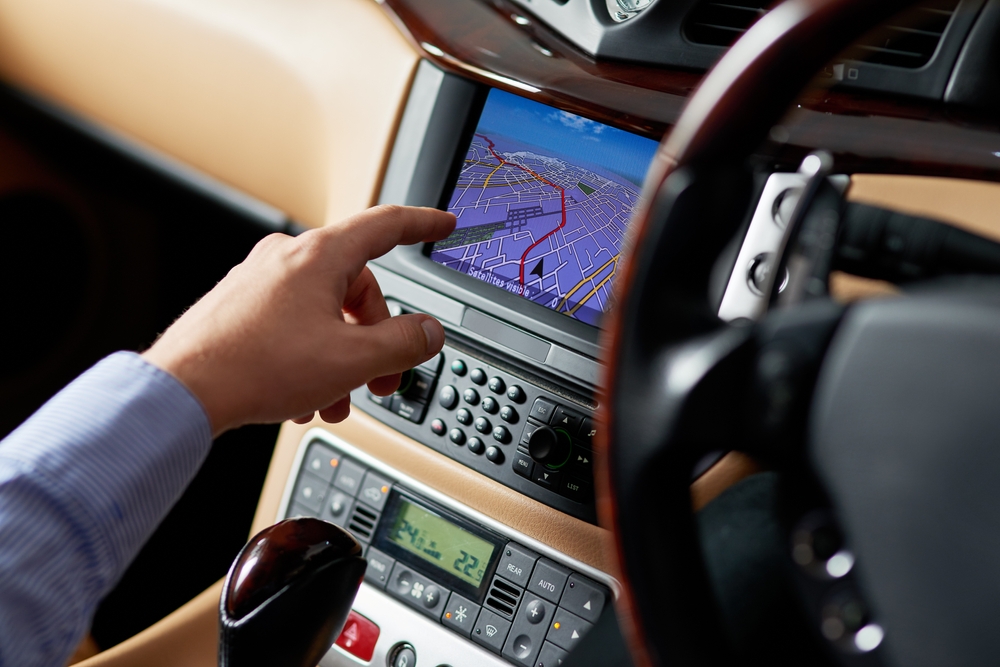
Fuel is one of the easiest motoring expenses to control, making it a natural starting point for drivers looking to reduce their running costs. While petrol prices continue to fluctuate, using less fuel remains one of the simplest ways to keep motoring expenses in check.
For many motorists, that starts with better trip planning. Combining several errands into a single journey, avoiding unnecessary detours, and travelling outside peak traffic periods where possible can help reduce fuel consumption. Navigation apps such as Google Maps and Waze also make it easier to identify congested routes before setting off, helping drivers avoid spending unnecessary time idling in traffic.
Savings can also come from choosing where and how to refuel. Credit card promotions, supermarket tie-ups, and petrol station loyalty programmes may only save a few cents per litre, but those savings can add up over the course of a year for regular drivers.
Finally, a smoother driving style can make a difference. Gentle acceleration, anticipating traffic conditions instead of braking sharply, and maintaining the correct tyre pressure all help improve fuel efficiency. These simple habits cost nothing to adopt, but they can help every tank go a little further.
Driving Only When it Makes Sense
Owning a car offers flexibility and convenience, but it doesn’t mean every journey has to be made behind the wheel. As motoring costs continue to rise, many drivers are becoming more selective about when using the car is the most practical choice.
For motorists who do not need a car every day, renting a car can be another option. Instead of taking on the upfront and ongoing costs of ownership, drivers can rent a vehicle when they need one, whether for a family outing, a weekend trip or when public transport is less convenient.
Car-sharing services offer a similar option for shorter trips, allowing motorists to use a car without owning one.
The trade-off is that rental cars may not always be available when needed, and motorists do not have the same convenience of having a vehicle readily accessible for everyday use or storing items in it.
For routine journeys, particularly those into busy commercial districts, some motorists are choosing public transport instead. Avoiding ERP charges, parking fees and peak-hour congestion can help keep motoring costs under control.
Instead, the car is often reserved for occasions where it offers clear advantages, such as family outings, transporting elderly relatives or carrying bulky items.
Using the car more selectively can reduce fuel consumption and minimise wear and tear. For trips where public transport is practical, leaving the car at home can also avoid costs such as ERP and parking altogether.
Choosing when to drive and when to use alternative transport can help keep ownership costs under control.
Looking Beyond The Purchase Price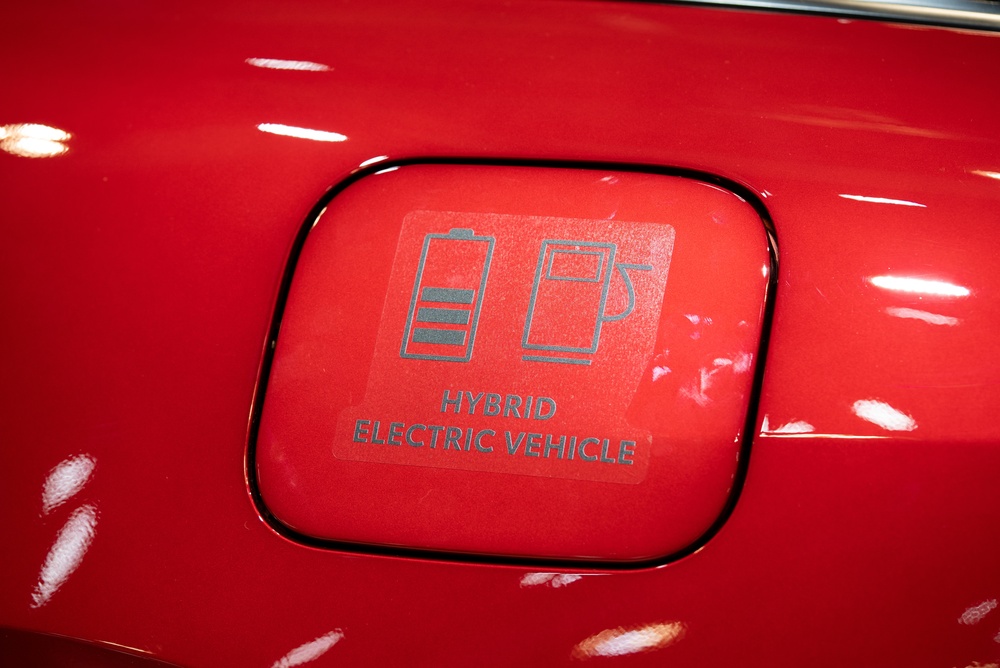
When buying a car, the purchase price is only part of the equation. Running costs such as fuel, insurance, servicing, road tax, and depreciation can have just as much impact on the overall cost of ownership.
As a result, more buyers are paying closer attention to the impact on their wallet when it comes to factors such as fuel economy, reliability, and maintenance before making a decision. Hybrid and electric vehicles continue to appeal to motorists looking to reduce day-to-day running costs. Others may be willing to pay more upfront for dependable models with a reputation for reliability, in the hope of keeping maintenance and repair costs lower over the longer term.
For existing owners, the focus is often on getting the most value from the car they already have. Keeping up with regular maintenance, driving efficiently, and carefully weighing the costs of major repairs against options such as COE renewal or vehicle replacement can help motorists make more informed financial decisions.
Small Changes, Meaningful Savings
Managing motoring costs is not simply about spending less. It’s about making informed decisions that help reduce unnecessary expenses while keeping a vehicle safe, reliable and efficient.
Whether it’s combining errands into a single trip, making full use of fuel discounts, or keeping up with routine servicing, small changes can make a noticeable difference on your bottom line over time.
By driving smarter rather than simply driving less, motorists can better manage the cost of car ownership without giving up the convenience that comes with it.