

The days of taking your car to a workshop just to update its software are numbered. Over-the-air updates and digital dashboards are quietly rewriting what it means to own a modern vehicle, and not everyone is happy about it.
The Car That Changes Overnight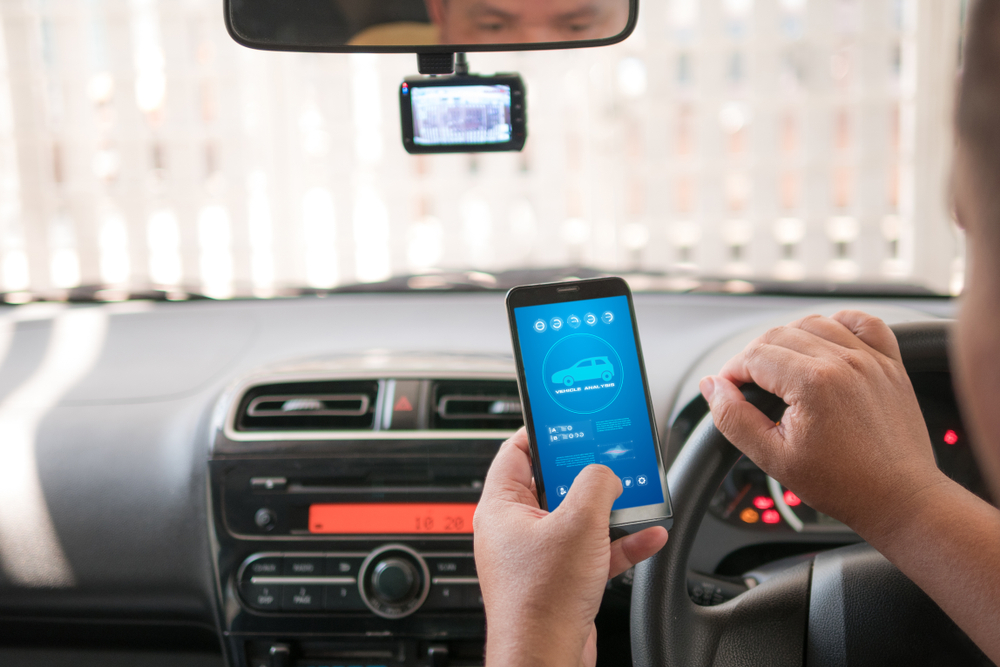
You park your car at the end of your day, you go to sleep, and wake up to a vehicle that drives slightly differently from the night before. No mechanic, no workshop, no new parts. Just a software update that arrived while you were not looking.
This is no longer a concept. It is happening now in cars from Tesla, BMW, Mercedes-Benz, Kia, Volvo, Polestar, and many others. Modern vehicles can refresh their operating systems, maps, performance settings, or even add new features without physical servicing. The technology behind this is called over-the-air updates, or OTA for short. And while the idea sounds simple, the implications for car ownership are significant.
What OTA Updates Actually Are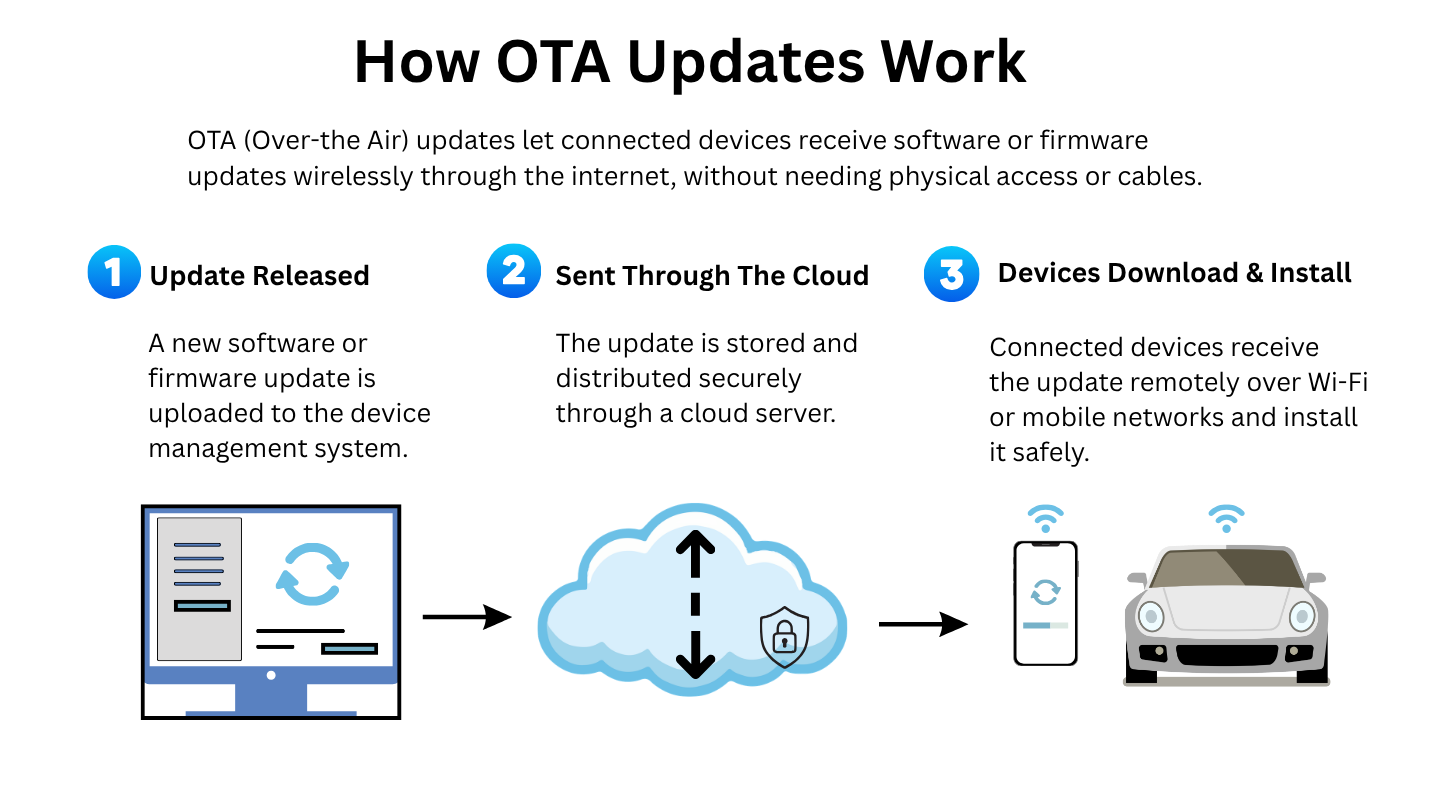
OTA systems rely on cellular or Wi-Fi networks to push updates from the automaker’s cloud servers to the car’s onboard computer. Once the vehicle is in park — and, in the case of EVs, often plugged in — the update installs automatically or after user confirmation.
Tesla is credited with bringing OTA updates to the market in 2012. Since then, virtually every major carmaker has followed. There are two main types. Software over-the-air (SOTA) updates handle infotainment, navigation, and user-facing features. Firmware over-the-air (FOTA) updates go deeper, touching powertrain control, braking systems, and advanced driver assistance systems (ADAS). The latter requires more computing power, better security, and a much higher standard of testing before it goes out to every car in the fleet.
Nearly all of the major manufacturers now offer OTA updates, including Mercedes, VinFast, Jaguar Land Rover, and BMW. In markets like Singapore, where newer EVs and premium connected cars are increasingly common, this is already a reality for many drivers.
Fixes Without The Workshop Visit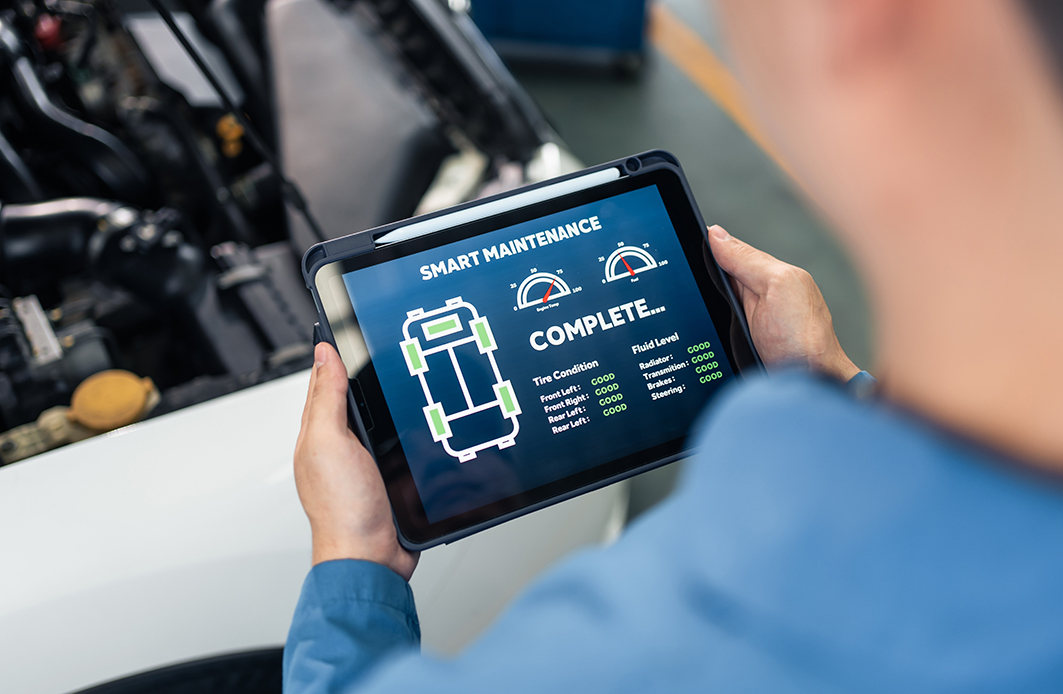
The most obvious benefit of OTA updates is convenience. A software bug that would previously require a trip to the dealership can now be patched remotely. For drivers in Singapore, where workshop slots fill up quickly and COE costs make every vehicle a serious investment, keeping a car in top condition without unnecessary downtime matters.
By 2024, around one in three vehicle recalls was being resolved through remote software updates, with no dealership visit needed. Tesla handled one such case by pushing a fix to more than 1.8 million vehicles to address an unlatched hood detection problem, all without requiring owners to visit a workshop.
With OTA technology, automakers like Tesla have demonstrated the ability to conduct recalls remotely, such as a February 2024 update concerning brake light warnings. This capability reduces the logistical and financial burdens on both manufacturers and consumers, leading to a significant reduction in overall recall costs and disruptions.
OTA updates streamline the car maintenance process by decreasing the need for consumers to take a vehicle into the dealership for software updates, making it less disruptive to daily life.
The Dashboard Is Not What It Used to Be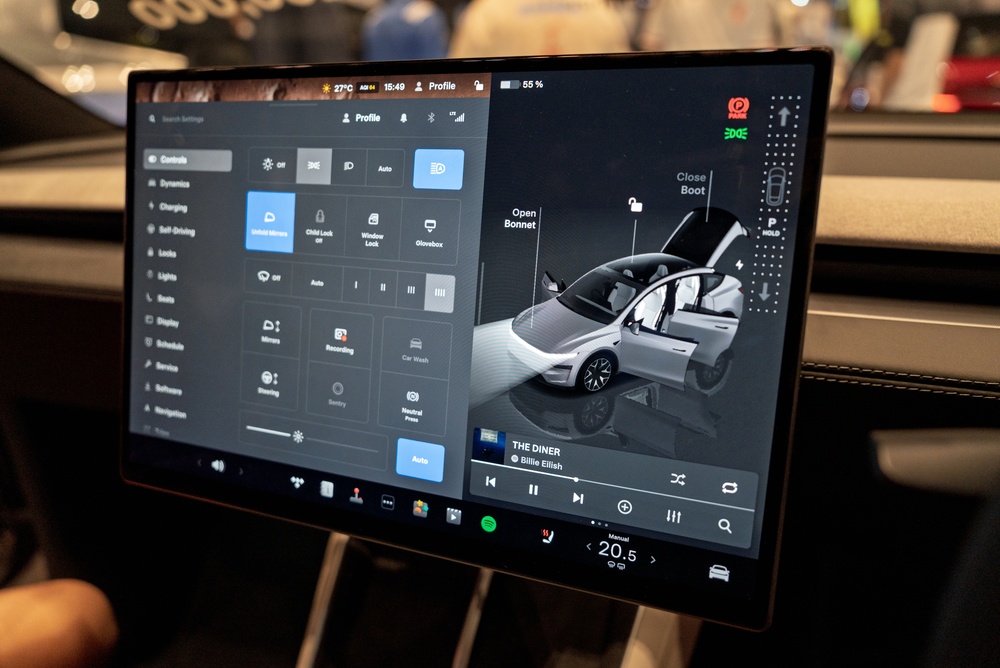
Walk into a new car today and the first thing you notice is the screen. Physical buttons are disappearing. Climate controls, driving modes, safety settings, and even the speedometer in some models now live behind glass. And drivers have pushed back. Infotainment systems are now among the top complaints about new vehicles, with reports of frozen screens, confusing menus, and concerns about distraction.
A study by the American Automobile Association found that drivers spent an average of 40 seconds looking at their screens for basic tasks such as programming navigation. Major carmakers including Volkswagen, Hyundai, and BMW have taken note and are bringing physical knobs and buttons back for essential functions. Modern car interiors now behave more like software platforms than traditional dashboards, but the lesson from the backlash is clear: not everything that can be digital should be.
Software over-the-air updates include features such as navigation systems, which can receive real-time map and navigation updates. Beyond navigation, carmakers are pushing updates that change how the car feels to drive. Tesla offers an acceleration boost for the popular Model Y that lowers the 0-60 time from 4.8 to 4.2 seconds. Changes like these once required physical modifications at a workshop. Today, they can arrive through a software update instead.
But the shift is not without its frustrations. Early Volkswagen ID.4 owners were left dealing with sluggish touchscreen performance and haptic controls that fell short at launch, with improvements later pushed through OTA updates. That pattern points to a real tension: some manufacturers now release vehicles with the expectation that software updates will continue refining the experience after purchase.
The Gartner Digital Index 2024 states that legacy automakers are struggling to keep up against tech-first manufacturers who design their cars as computers that you can drive, with a digital-first experience in mind.
When Updates Come With A Price Tag
Here is where things get complicated. Not all OTA updates are free. Some manufacturers are using the technology to introduce subscription-based features, unlocking capabilities that are already built into the hardware but gated behind a paywall.
BMW offers certain features, such as adaptive M suspension in selected markets, through a subscription model. The system uses electronically controlled dampers that adjust the car’s ride stiffness in real time based on speed and road conditions. With a tap, drivers can switch between a softer ride for daily commuting and a firmer, more responsive setup for spirited driving. BMW customers can pay 25 euros a month or 210 euros a year to unlock this feature. Other features, such as parking assistant, driving assistant, remote service, and welcome light settings, are also available through subscription.
This has not gone down well with many drivers. The idea of paying monthly for a car seat heater or a suspension mode that is physically present in the car feels, to many buyers, like being charged twice. Rei Vardi, founder and CEO of Eon, a sustainability-focused platform for EV car-sharing, says being charged $20 or $30 a month on top of an already expensive car purchase “leaves a bad taste.”
Whether OTA updates genuinely increase a car’s long-term value remains a subject of debate among industry experts. Some note that modern cars are increasingly beginning to resemble smartphones: software updates can improve the user experience, but older hardware may also struggle to keep up with newer software over time.
BMW ConnectedDrive subscription services are available in Singapore, though BMW Singapore has not confirmed publicly whether specific feature-unlock upgrades such as the adaptive suspension subscription have been rolled out locally. Regardless, the concept alone has drawn scepticism.
In Singapore, where a car already costs several times what it would elsewhere due to COE and import duties, the idea of paying monthly to unlock hardware already fitted to your vehicle is unlikely to sit well with buyers.
The Security Question
Every connected system creates another possible entry point for cybersecurity risks. As cars receive more updates over the air, the attack surface grows.
In 2024, security researchers discovered a vulnerability in Kia’s owner portal website, which could have allowed attackers to remotely access and control large numbers of vehicles with relatively little effort. In 2025, researchers documented 494 publicly reported cybersecurity incidents across the automotive and smart mobility ecosystem worldwide.
Not every update goes to plan, though. Overseas, a crash involving a Volvo XC90 in May 2025 was linked to braking problems traced back to an OTA update. A few months later, a number of Jeep owners reported losing power unexpectedly while driving, also following failed OTA updates. In both cases, the manufacturers pushed out follow-up updates to address the problems.
Consumer Reports experts note that most failures are far less dramatic than these high-profile cases, and that if it is a well-designed system, only software verified using the manufacturer’s cryptographic keys can be installed. Still, the incidents serve as a reminder that software-defined vehicles carry new categories of risk that did not exist when cars were purely mechanical.
Automakers are responding through new regulations and security standards, but progress is uneven. Established brands with years of OTA experience have built more mature security frameworks, while newer entrants are still catching up. Not every manufacturer encrypts OTA packages to the same standard, and not all separate safety-critical systems from infotainment in their architecture.
Singapore has engaged directly with these concerns. In late 2025, the Land Transport Authority issued a statement following a study by a Norwegian bus operator that raised questions about the remote-access capabilities of Chinese-made electric buses. In parliament, Acting Minister for Transport Jeffrey Siow confirmed that the LTA had begun collaborating with cybersecurity agencies to improve OTA update safety. For EV buyers in Singapore, this is not a reason to avoid connected vehicles. But it is a reason to pay attention to what your car is connected to, and who can access it. The industry needs to treat cybersecurity the way it treats crash safety: as a baseline requirement, not an optional extra.
What It All Means For Drivers
The shift to software-defined vehicles is not slowing down. As of 2024, about 24% of vehicles had OTA capability. By 2030, this number is expected to reach 78%. For drivers in Singapore, where the EV market is growing steadily, and many new models come with connected features as standard, this is not a distant trend. It is already parked in driveways across the country.
Regular updates are increasingly becoming part of modern vehicle ownership, not just for new features, but also for security patches and software fixes before small issues become larger ones.
The practical advice is straightforward. Check what OTA features your car supports before you buy. Read the update release notes before installing, the same way you would on a phone. Consumer Reports’ experts recommend that, after an update, drivers take a moment to see what has changed, because an update that changes where dashboard elements are displayed can frustrate consumers and may even represent a safety issue. And if you are buying a new car, treat software update capability as part of the specification, because it will shape your ownership experience for years.
A Different Kind Of Ownership
Owning a car used to be straightforward. You bought it, you maintained it, and the only thing that changed over time was wear and tear. Now the car itself can change, sometimes for the better, sometimes not, and often without you asking for it.
The Ericsson Connected Cars report said in 2021 that OTA updates are a way to increase a car’s worth, and predicted that by 2025, software could account for up to 50% of a vehicle’s value. Whether that proves true at resale will depend on how well manufacturers manage updates over time. But the direction of travel is clear.
The car you buy is no longer fixed at the moment of purchase. It is a starting point. And the version you drive three years from now may look and feel quite different from the one you drove off the showroom floor.
That is either reassuring or unsettling, depending on how you feel about your car doing things without you touching it.