

From 1 January 2026, drivers in Singapore who speed will face more demerit points, higher fines, and a faster path to licence suspension. Here’s what the new rules mean for everyday drivers, and how to stay on the right side of the law.
The Big Change 
On 1 January 2026, penalties for speeding in Singapore have increased across the board, with higher demerit points and composition fines for light and heavy vehicles. The Ministry of Home Affairs says this is meant to better reflect how serious speeding is, and to deter drivers from risky behaviour on the road.
Why Have Rules Been Tightened?
Speeding is now a key factor in serious accidents and deaths on Singapore roads. In 2024, there were 7,188 road accidents and 142 deaths; speeding contributed to about one in three fatal crashes, with speeding-related fatal accidents rising by more than 40% from the previous year.
The number of speeding violations also hit a 10‑year high in 2024, with about 192,000 cases — that’s about 65% more than in 2023. The authorities see the stiffer penalties as part of a broader push to improve road safety, and keep repeat offenders off the road for longer.
How Will Demerit Points Now Apply?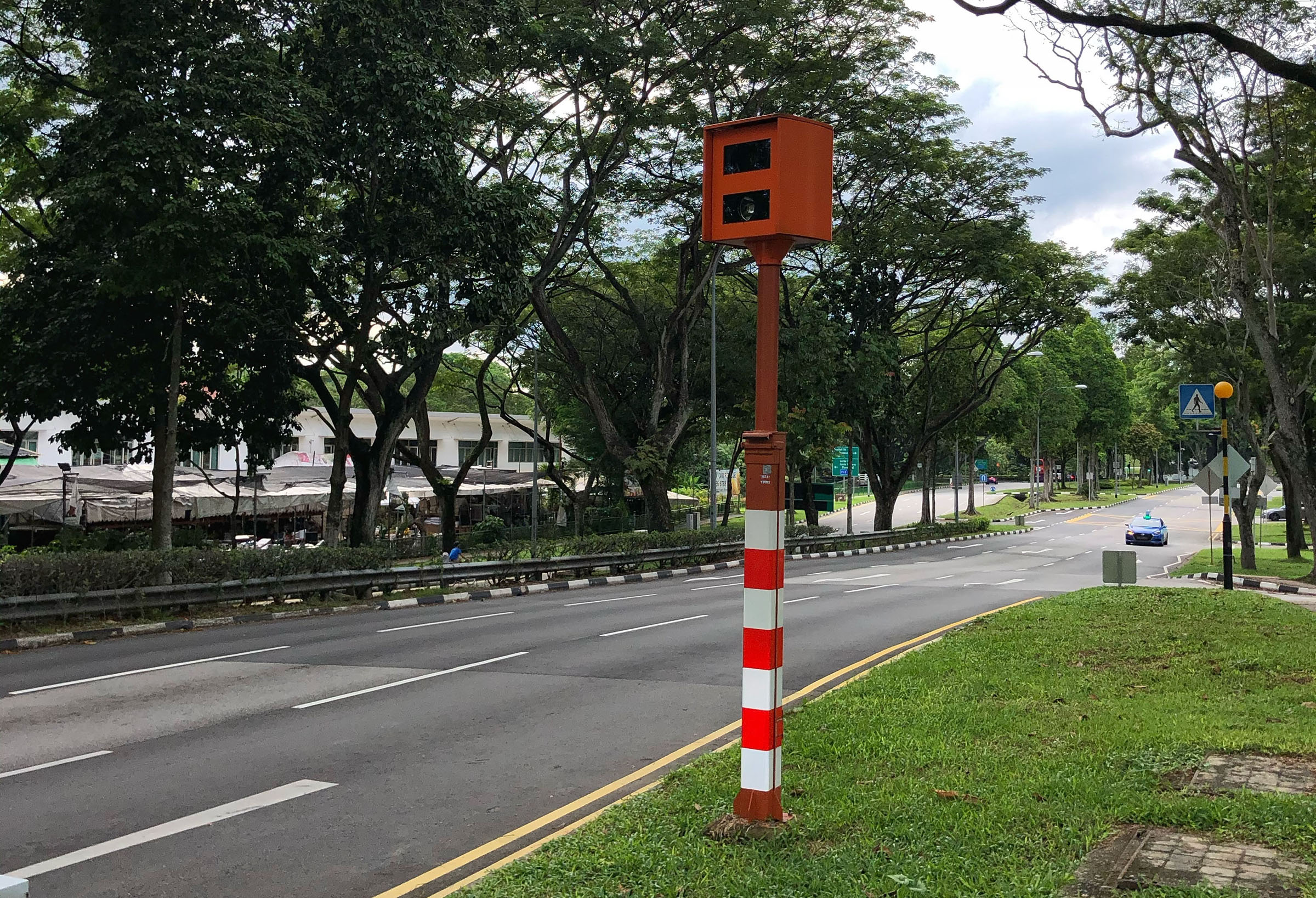
Demerit points will go up for all speeding bands, and the jump is sharp for drivers who exceed the limit by larger margins.
For example, if you exceed the speed limit by up to 20km/h, you will receive six demerit points instead of the current four regardless of whether you are in a car or on a motorcycle; heavy-vehicle drivers will also move to the higher demerit bracket.
Those who exceed the limit between 20 to 30km/h will get eight demerit points, and those who exceed it by between 30 and 40km/h will get 12 demerit points, which is a big jump from the current scale. Once you cross 40km/h above the speed limit, demerit points range from 18 to 24, and cases will be sent to court instead of being settled with composition fines.
Higher Fines For Speeding Offences
From 2026, composition fines for speeding will also go up by about $50 to $150, depending on how fast you were going and what type of vehicle you were driving. A light vehicle driver who exceeds the limit by up to 20km/h will pay $200 instead of $150, while a heavy-vehicle driver in the same band will pay $250 instead of $200.
If you exceed the speed limit between 20 to 30km/h, the fine has been raised to $300 for light vehicles, and $400 for heavy vehicles. For excess speeds between 30 and 40km/h, light vehicle fines has increased to $400, while that for heavy vehicle is now $500.
Anything above 40 km/h will now mean prosecution in court rather than a fine.
How Quickly Will You Lose Your Licence?
Under the Driver Improvement Points System, if a driver accumulates 24 demerit points within 24 months, that driver’s licence will be suspended. With the new speeding penalties, a single very serious speeding offence can now bring you straight to that suspension threshold with one offence.
For example, motorists who exceed the speed limit by 50km/h or more will receive 24 demerit points and face prosecution in court, which means they are effectively looking at immediate licence suspension plus possible fines, jail terms, or longer disqualification. This is on top of existing laws for dangerous and careless driving, where serious cases (where death or grievous hurt is involved) can lead to years of jail and long disqualification periods.
Definition Of Light And Heavy Vehicles
Light vehicles include motorcycles and standard passenger vehicles such as cars in the typical licence classes. Heavy vehicles include larger vehicles such as buses and trucks.
Under the new rules, light and heavy vehicles receive different demerit points and fines for the same offence. Heavy-vehicle drivers face higher composition sums than light-vehicle drivers at the same speeding band. This reflects the fact that heavier vehicles tend to cause more harm in an accident and are harder to control at high speeds.
In The Bigger Scheme Of Things
The enhanced speeding penalties sit on top of existing traffic rules and the broader Driver Improvement Points System (DIPS). Demerit points from speeding stack with points from other offences, such as red‑light running, using a phone while driving, and failing to give way. This means that, in the new regime, just a few different mistakes in a short period can quickly push you to licence suspension.
Irresponsible driving that goes beyond basic speeding, such as dangerous or careless driving that causes hurt or death, is already treated as a criminal offence that can lead to both a fine and jail term. The courts can also look at your past compounded traffic offences when deciding what sentence to impose, so a history of speeding makes things worse if you end up in court.
Practical Steps For Drivers In 2026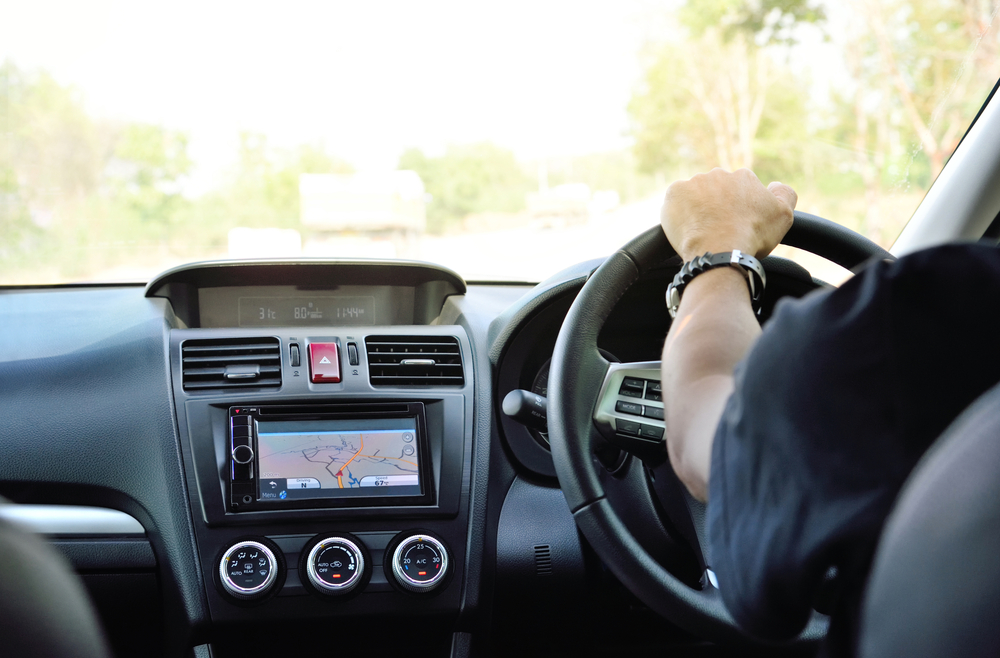
In 2026, drivers need to be more careful about their daily habits. A simple step is to leave a bit earlier for your driving trips so you don’t feel pressed for time, and thus tempted to creep above the speed limit, especially on expressways and long straight roads, where it’s easy to drift faster without noticing.
It also helps to turn on speed alerts in your car or use in‑car navigation that shows the road’s speed limit clearly, so you know right away when you are going too fast. Pay extra attention when approaching school zones, silver zones, and pedestrian crossings, as offences in these areas carry tougher penalties, and speeding there puts vulnerable road users at higher risk.
What This Means For You As A Driver
For most drivers, the message is simple: stick to the posted speed limit, and you will avoid all these penalties. The new rules make it much easier to lose your licence in a short time if you treat the limit as a suggestion rather than a rule.
If you already have demerit points, take the time now to understand how close you are to a suspension. A single speeding offence in 2026 can cost you six or eight points, and one serious incident can lose you your licence and land you in court — that’s a high cost to bear just to save a few minutes on a drive.