

How you consume is as important as what you consume to extract maximum energy from the foods you eat.
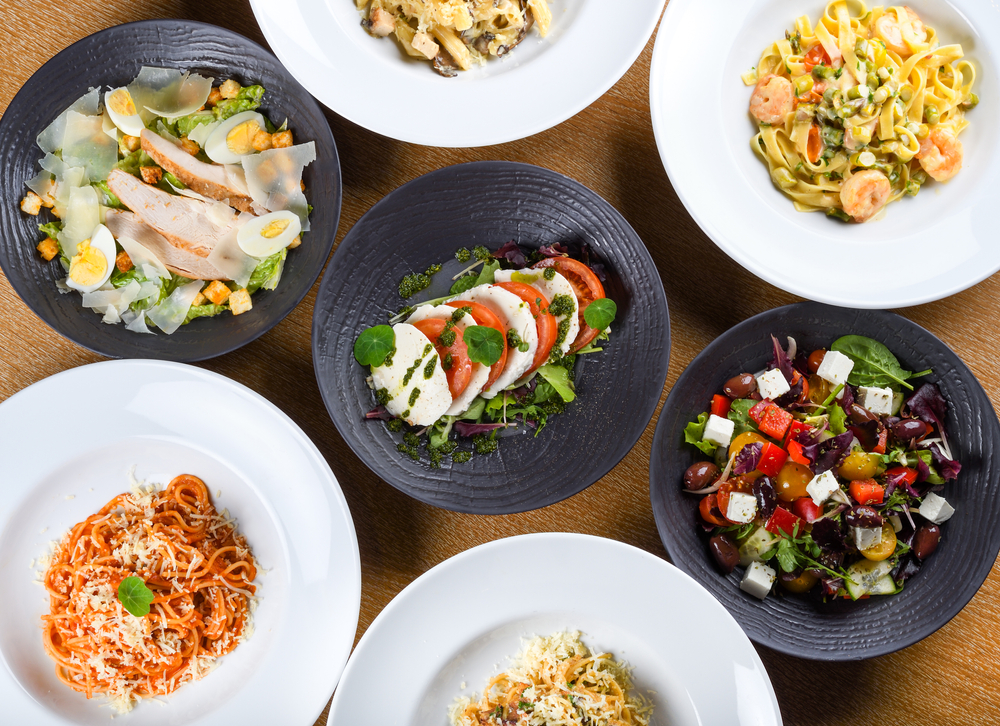
Big vs Small Meals
How energetic you feel depends on not only what you feed your body, but HOW you feed it.
Have you noticed how sleepy and tired you feel after a huge, heavy meal?[1] The phenomenon is most commonly referred to as ‘food coma’, but the medical term in ‘postprandial somnolence’. It takes energy to break down your food, and your body is sending its energy reserves towards the digestive system instead of powering the rest of your body.
Also, no matter which food group you consume, it leads to sleep-inducing chemicals being produced in the body. High-protein and high-carbohydrate meals lead to high amounts of tryptophan, which is a precursor of serotonin and melatonin, hormones that promote relaxation and sleep. High-fat meals release the hormone cholecystokinin, which slows digestion and makes you sleepy and tired.
Rather than having two or three big meals a day, eat smaller and balanced meals throughout the day. It will lead to bursts of energy, as opposed to lethargy from big meals. It’s also a good idea to take a stroll after each meal to aid digestion and stave off the sluggishness.
Processed vs Unprocessed Foods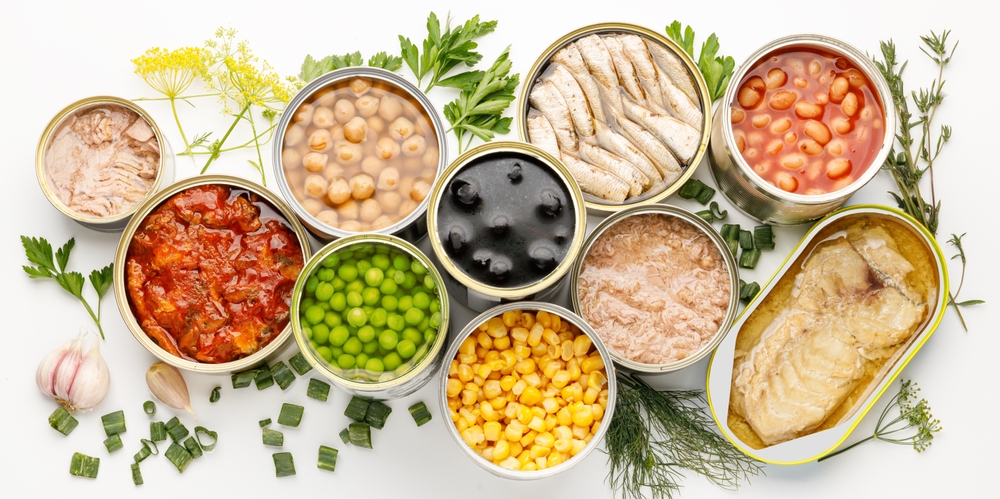
Processed food contains ingredients such as salt, sugars, fats, preservatives and additives. They don’t offer quality nutrients as much as fresh, whole foods. Worse, they — especially the highly processed ones — cause inflammation in the body that can lead to fatigue. In general, the less processed a food item is, the better it is for your health.
Examples of unprocessed foods include whole grains such as oats, and fresh whole fruits such as apples and oranges. Examples of lightly processed foods include pasteurised milk, and canned fruits and vegetables. It’s the ultra-processed foods that you should really be wary of, and these include packaged snacks (chips, cookies, etc), condiments (ketchup, salad dressings, sauces, etc), and processed meats (bacon, sausages, luncheon meat).
Carbohydrates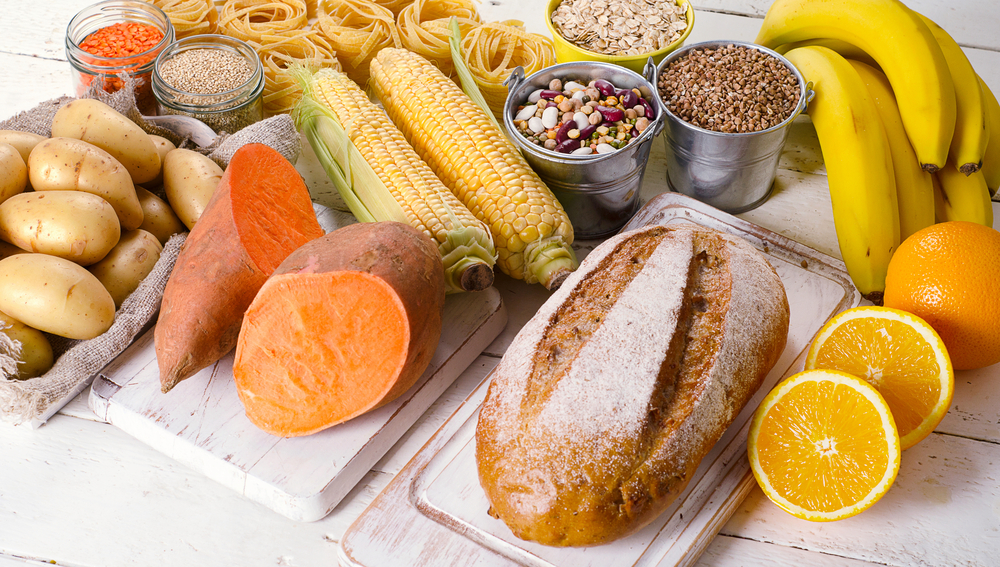
This is arguably the most important class of food since they are the body’s primary source of energy. In this part of the world, staples like rice and noodles are popular carb choices.
However, it’s important to select whole grains and complex carbs that contain fibre so that the energy in these foods is released slowly, giving you lasting power. Instead of the usual jasmine white rice, consider eating brown rice instead; or swap regular durum wheat pasta for whole grain wheat pasta; if you’re having a sandwich, opt for brown, multi-grain or high-fibre bread instead of the plain white variety.
Refined carbs, like the sugar you add to your hot beverage, will give you a boost of energy, but they leave you crashing just as quickly. These spikes in your blood glucose are not good for your body.
If blood glucose spikes are a concern, consider having oats, which provides stable blood sugar levels (among its numerous benefits) due to high amounts of fibre. Purchase the plain type, and you can cook it to your liking, with control of the sugar level. You can add sweet treats like a little honey and a handful of raisins or berries.
Fruits & Vegetables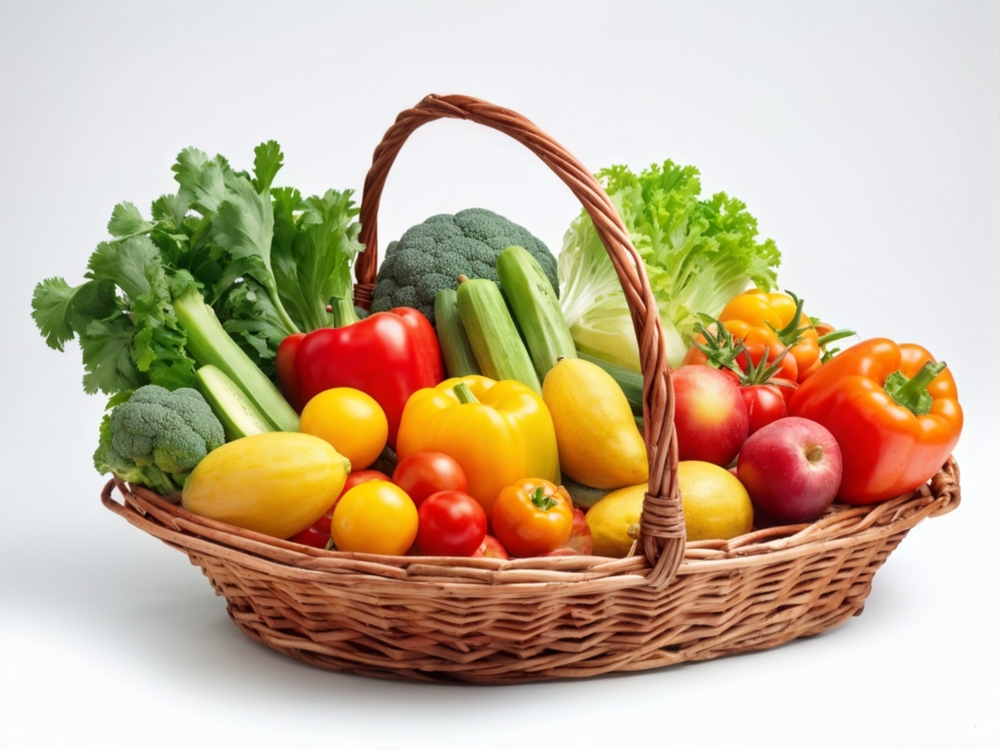
These contain not only complex carbs, but also essential vitamins, minerals and other nutrients that give you energy and improve physical function. Just note that once you juice them, they tend to act as refined carbs since the fibre is gone.
Of particular note when it comes to boosting energy is the banana. Packed with
potassium, fibre, vitamins and carbohydrates, it provides as much of a kick as sports drinks consumed by competitive cyclists in a 2012 study.
Here’s a list of nutrients and the top fruits that contain them:
Nutrient |
Fruits |
| Healthy Fats & Fibre | Avocado |
| Vitamin C | Guava, Kiwi, Lemon, Strawberry, Papaya |
| Potassium | Bananas, Mango, Pomegranate, Avocado |
| Vitamin A | Mango, Papaya |
| Vitamin K | Blackberry, Blueberry, Avocado |
| Folate (B9) | Mango, Avocado, Pomegranante |
| Antioxidants | Blueberry (anthocyanins), Mango (mangiferin), Grape |
| Calcium | Orange, Blackberry |
| Magnesium | Banana, Avocado |
Nuts & Seeds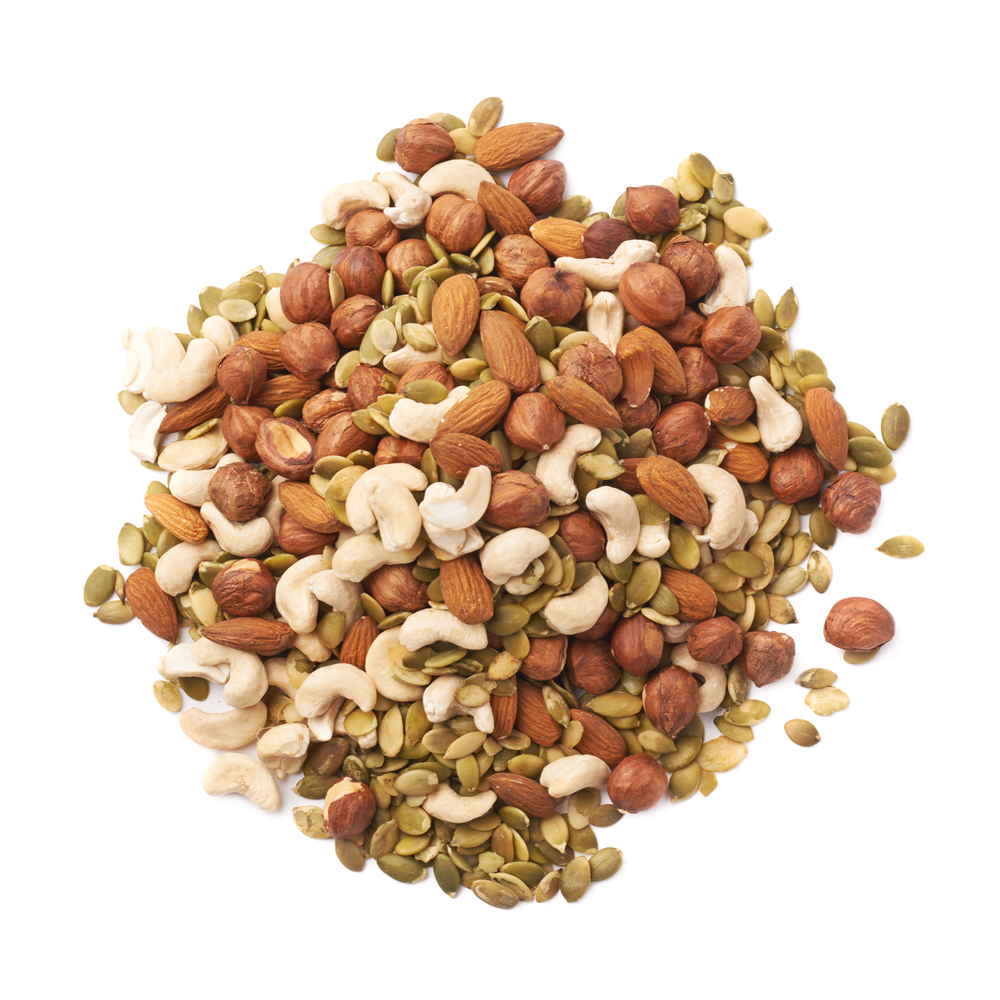
Nuts such as almonds, cashews and hazelnuts, and seeds such as chia, pumpkin and sunflower make for a healthy snack when the munchies strike. They are high in fibre, healthy fats and carbs. A 2022 study showed that footballers who consumed chia seeds could better process oxygen during physical activities.
Needless to say, you should consider the unsweetened and unsalted versions.
You can eat them as is, or add them to other things, such as salads and smoothies.
Balance and Moderation
When it comes to getting nutrients and energy from the food you eat, there is no short cut and no special ingredient. Go for smaller meals that are well balanced in all the food groups. Fill up on fresh, whole foods as much as you can. Avoid the ultra-processed stuff — or use them sparingly if you must.