

Checked baggage can add to the cost of a flight, waiting at the carousel takes time, and lost or delayed luggage remains a travel headache. Here is how to pack everything you actually need into a single carry-on bag, without feeling like you are roughing it.
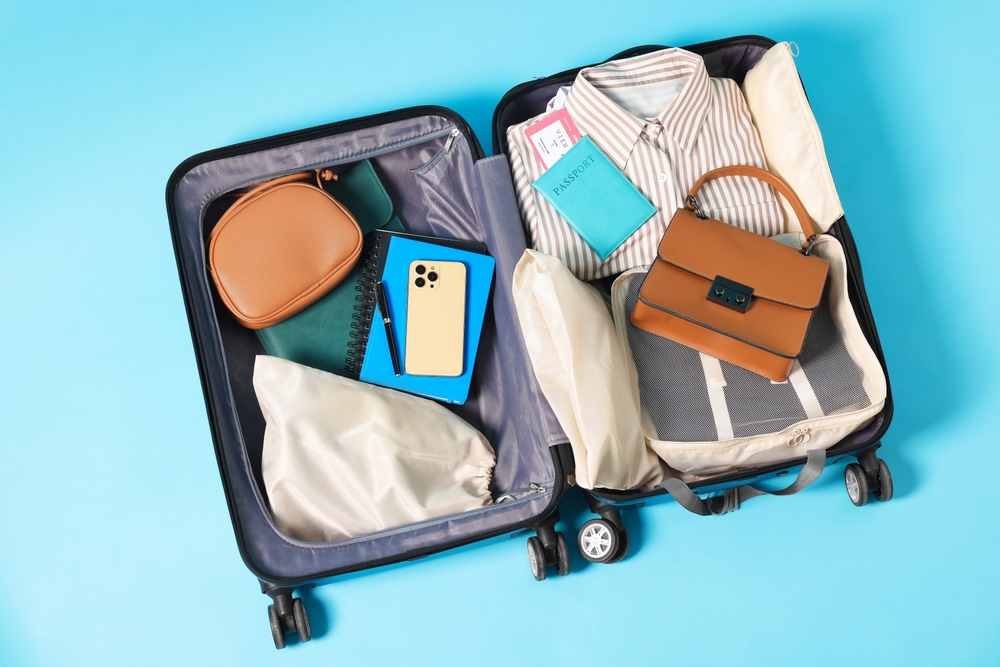
For anyone flying out of Changi Airport, the pattern is familiar. You watch fellow travellers drag oversized trolley bags to the check-in counter, pay extra fees, and after landing, wait at the baggage carousel. Meanwhile, carry-on travellers are already in the taxi. The difference between these two experiences is not about packing less, but about packing smarter.
For travellers taking short- and medium-haul trips across Asia, budget carriers such as Scoot, and AirAsia offer extensive regional connections, but checked baggage may come at an additional cost depending on the fare selected. On a return trip, those charges can add up quickly. But the case for going carry-on only is not purely financial. It is about moving faster, spending less time waiting, and knowing exactly where your belongings are at all times.
This is not about extreme minimalism or wearing the same outfit three days running. With a clear system, even a longer trip can be manageable with a single carry-on bag.
This is not about extreme minimalism or wearing the same outfit three days running. With a clear system, even a longer trip can be manageable with a single carry-on bag.
Pick The Right Bag First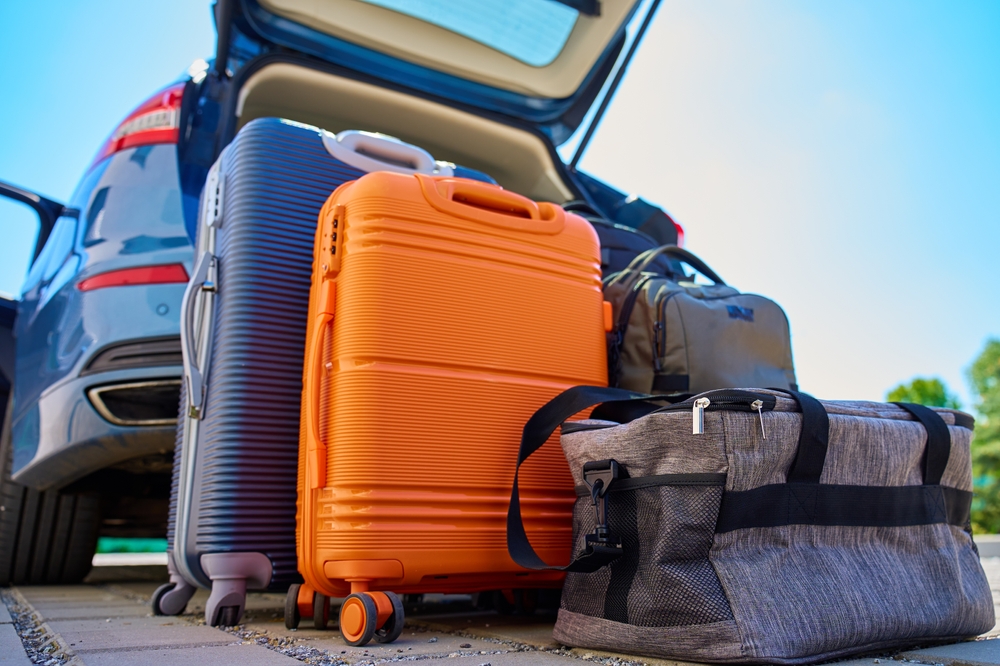
The bag matters more than anything else in this process. Most airlines in Asia allow carry-on bags measuring up to 56 x 36 x 23 cm, though this varies by carrier, so check your specific airline before you buy anything. Weight limits also vary. Most budget carriers in the region set a 7 kg carry-on weight limit, though some allow up to 10 kg. Size limits differ too: Scoot allows 54 x 38 x 23 cm while AirAsia permits 56 x 36 x 23 cm, so a bag that clears one carrier may not clear another. Always verify both the dimensions and the weight allowance for your specific airline before buying a bag.
A good carry-on should have a clamshell opening rather than a top-loading design, as it makes packing and unpacking far easier. Look for one with internal compression straps to keep clothes flat. Hard-shell bags offer good protection but can be less flexible in tight overhead bins, while soft-shell bags can be squeezed more easily into smaller aircraft.
For those who prefer backpacks, a travel backpack that fits within the airline’s cabin baggage limits works, keeps your hands free in busy airports and transit stations, and tends to be lighter than a hard or soft-shell suitcase, giving you more of your weight allowance for what is inside. Brands like Osprey, Nomatic, and Peak Design have strong reputations here, though good alternatives exist at lower price points. The key is that the bag fits the airline’s requirements without drama.
Build A Capsule Wardrobe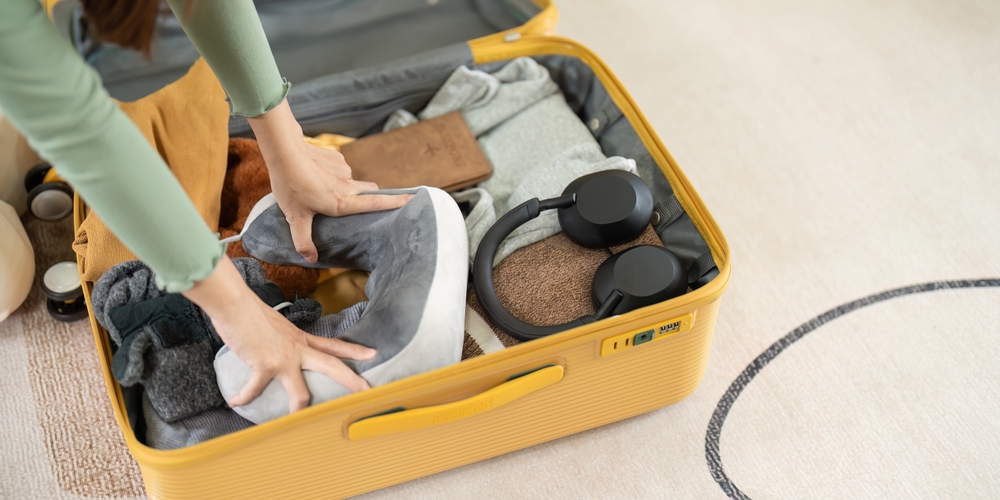
Clothing takes up the most space, and this is where most travellers go wrong. The fix is not simply bringing fewer clothes, it’s bringing the right clothes.
A capsule wardrobe for travel means choosing items that work together. Stick to two or three colours that mix and match easily. Neutral tones like navy, grey, or khaki make mixing easiest, but if you prefer bolder colours, the principle still holds: anchor everything around one or two feature colours and make sure the items you pack can be worn together. As a base formula, pack two pairs of bottoms, five tops, one light layer such as a jacket or cardigan, and one pair of versatile shoes. If the trip includes a specific event or a beach day, adjust accordingly, but keep extras minimal.
Fabric choice matters as much as item count. Lightweight, quick-drying fabrics are particularly useful when travelling with limited clothing. Merino wool is popular with some travellers because of its odour-resistant properties, while synthetic fabrics generally dry quickly after washing. Avoid thick denim and heavy cotton: both take up too much space and dry too slowly to be practical when packing light.
For trips longer than a week, plan to do laundry. Most hotels across the region offer laundry services and laundromats throughout Southeast Asia and are generally inexpensive and easy to find. A small sachet of travel laundry soap weighs almost nothing and handles a quick sink wash between services.
Handle Toiletries Without The Bulk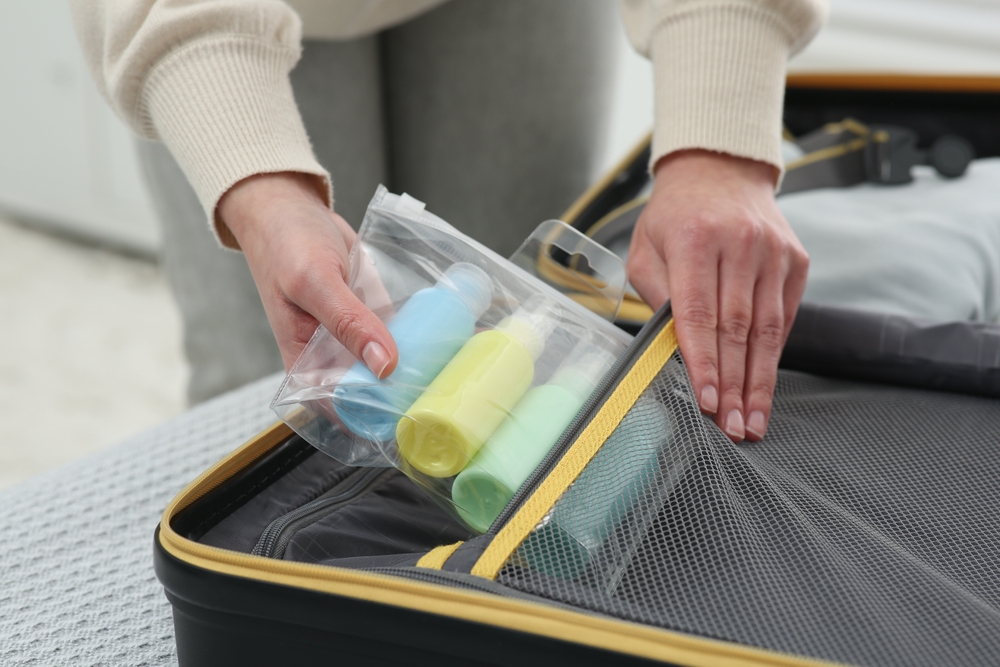
Toiletries are the second biggest space problem. For passengers departing from Changi Airport, liquids, aerosols and gels should be in containers with a maximum capacity of 100 ml each, with the containers placed in a transparent, resealable plastic bag with a capacity of no more than one litre.
Buy travel-sized versions of what you use regularly, or decant products into reusable travel bottles, which are available cheaply at Daiso, Muji, and most pharmacies in Singapore. Solid toiletries are another option worth trying. Shampoo bars, solid conditioner, and bar soap carry no liquid restrictions and are lighter than their bottled equivalents for the same number of uses, which helps with both space and weight allowance.
Leave behind anything you can buy at your destination. Toothpaste, sunscreen, and basic toiletries are available in almost every city. If you’re traveling to countries like Bangkok, Kuala Lumpur, or Tokyo, familiar brands are available within walking distance of most hotels at similar or lower prices.
Non-essential toiletries that can easily be bought locally are worth leaving behind, particularly on longer trips. A quick search beforehand confirms availability if you rely on a specific brand, and buying locally frees up space while cutting bag weight.
Manage Electronics Efficiently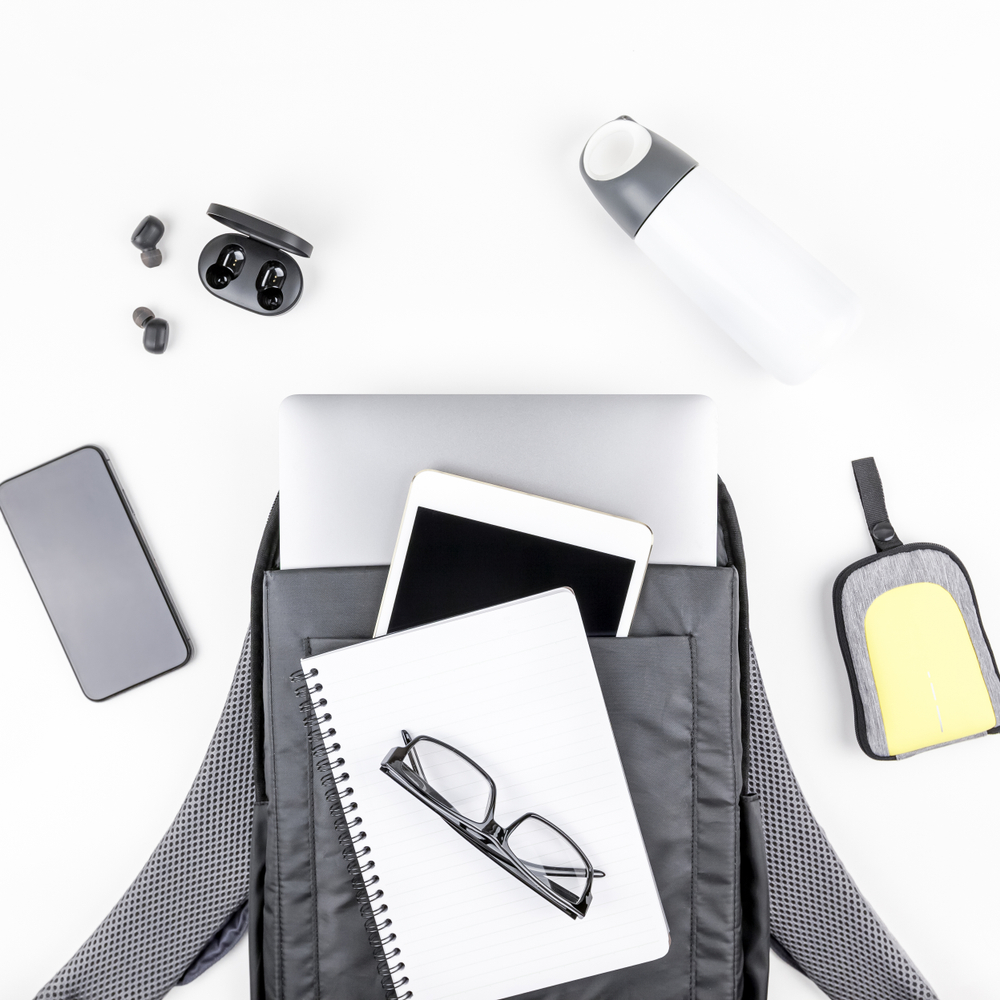
Electronics are unavoidable for most travellers but can be handled neatly. A small electronics organiser pouch keeps cables untangled and easy to locate and only takes seconds to pack and unpack at security.
Consolidate wherever possible. A power bank that handles multiple devices removes the need to hunt for airport power points, and a compact universal adaptor covers most destinations. Resist the urge to pack every device you own: if your phone does what your tablet does, leave the tablet at home, and unless you are editing videos or doing heavy work, a laptop may not be necessary on shorter trips
If you are carrying a power bank, check both airport and airline requirements before flying. From 15 April 2026, passengers departing Singapore are limited to two power banks per person. Power banks must be carried in cabin baggage rather than checked baggage, while individual airlines may impose additional restrictions on their capacity, use and storage during the flight.

These rules cover international flights departing Singapore. If your trip includes domestic flights within Mainland China, there is an additional requirement. Since 28 June 2025, the Civil Aviation Administration of China requires all power banks on domestic Chinese flights to carry the 3C mark (China Compulsory Certification), printed directly on the device body. A mark only on the packaging or applied as a sticker does not count. This applies to any domestic leg, including connecting flights within the mainland on an otherwise international trip. It does not apply to international flights arriving in or departing from China, where the capacity rules above remain the standard.
Use Packing Cubes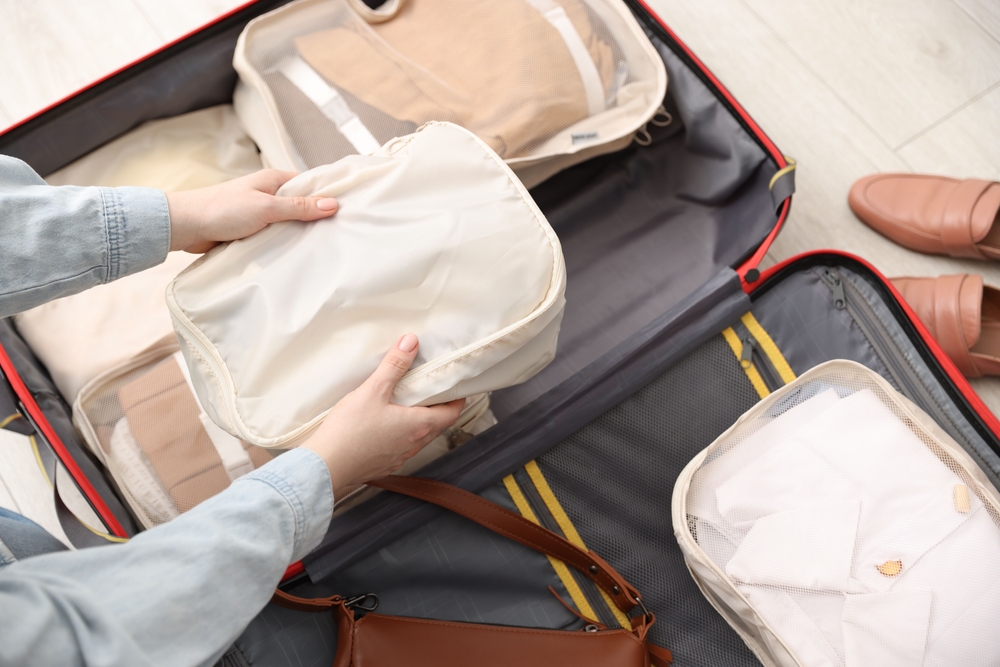
Packing cubes are one of the most practical travel tools you can buy. They keep clothing categories separate and make it easy to find what you need without unpacking everything.
Use one cube for tops, one for bottoms, and a smaller one for underwear and socks. When you arrive at your accommodation, you can place entire cubes into drawers rather than digging through a loose pile of clothes. It saves time both ways.
Compression packing cubes go a step further. They allow you to squeeze out excess air, reducing the volume of soft items like T-shirts and knitwear significantly. If you plan to travel carry-on only regularly, they are worth the investment.
Apply The Rule Of Halves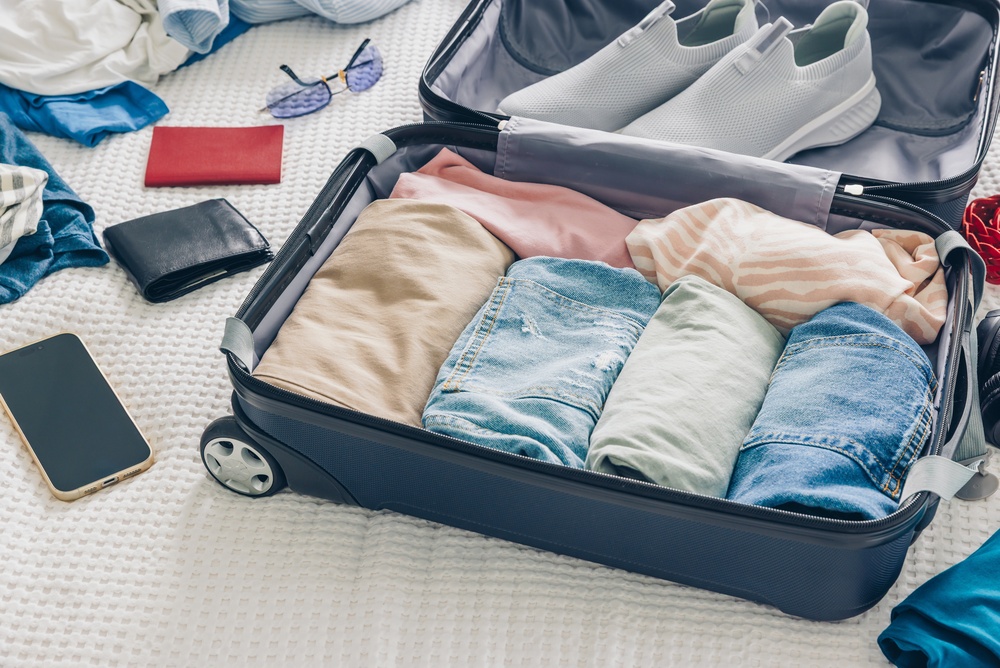
Packing cubes are one of the most practical travel tools you can buy. They keep clothing categories separate and make it easy to find what you need without unpacking everything.
Use one cube for tops, one for bottoms, and a smaller one for underwear and socks. When you arrive at your accommodation, you can place entire cubes into drawers rather than digging through a loose pile of clothes. It saves time both ways.
Compression packing cubes go a step further. They allow you to squeeze out excess air, reducing the volume of soft items like T-shirts and knitwear significantly. If you plan to travel carry-on only regularly, they are worth the investment.
Wear Your Heaviest Items On The Plane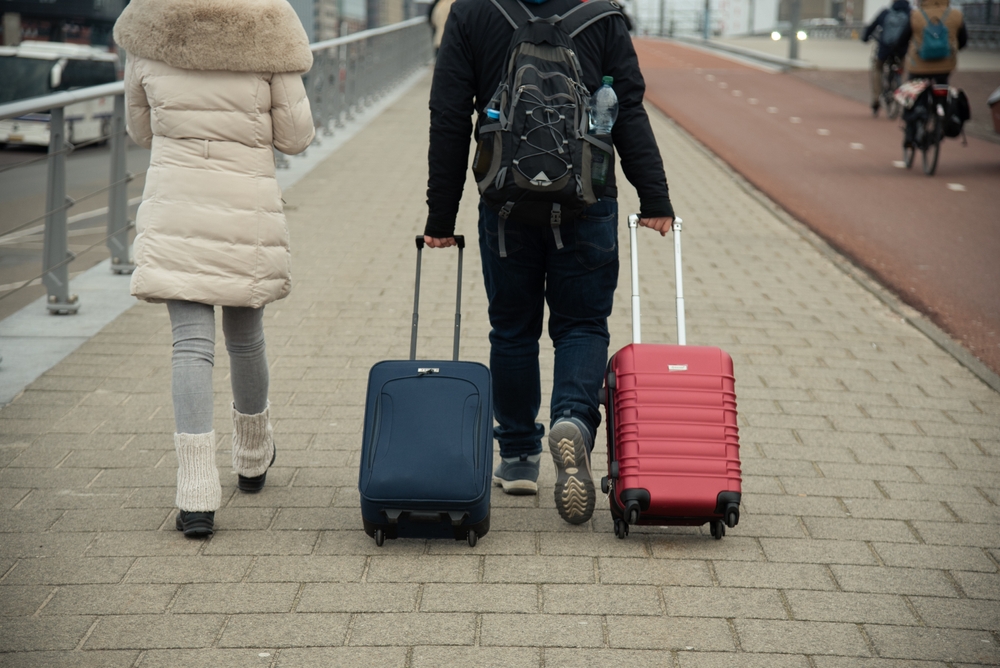
The plane itself is not wasted packing space. Wear your heaviest or bulkiest items on travel days. That means your thickest jacket, your heaviest shoes, and your chunkiest layer go on your body, not in your bag.
This is a well-known trick among frequent travellers but is worth applying consistently. Travellers heading to colder destinations often wear their winter coat and boots on the plane, packing lighter layers inside the bag instead. It works, and airline staff generally do not weigh what you are wearing.
Travel Lighter, Travel Freer
Carry-on only travel is not about deprivation. Once you have done it a few times, returning to checked luggage starts to feel like an unnecessary burden. The discipline of packing light changes how you approach travel altogether. You move faster, spend less, and deal with fewer headaches. And if a trip genuinely requires checked baggage, add it online during booking rather than at the airport counter, where it always costs more.
Start with a shorter trip. A long weekend or a four-day regional getaway is a good first test. Get the bag right, nail the wardrobe formula, and the rest falls into place. The goal is not to pack perfectly. It is to pack what you need, leave the rest at home, and get on with the trip.