

Brake failure is rare in modern vehicles, but when it happens, knowing how to react calmly and methodically can make a critical difference. Here’s a quick cheat sheet on what you should do if your car suddenly refuses to slow down.
Rare But Extremely Dangerous
Modern cars are equipped with advanced braking systems that make them safer and more reliable than ever before. Technologies such as anti-lock braking systems (ABS) help drivers maintain better control during emergency braking.
Even so, brake failures can still occur because of mechanical faults, hydraulic leaks or neglected maintenance, potentially creating dangerous situations on the road.
Among the most serious emergencies a driver can face is sudden brake failure, especially on busy expressways where traffic conditions can change quickly and reaction time is limited. Although complete brake failure is uncommon, maintaining vehicle control and reducing speed progressively are the main priorities in such situations.
The First Few Seconds Matter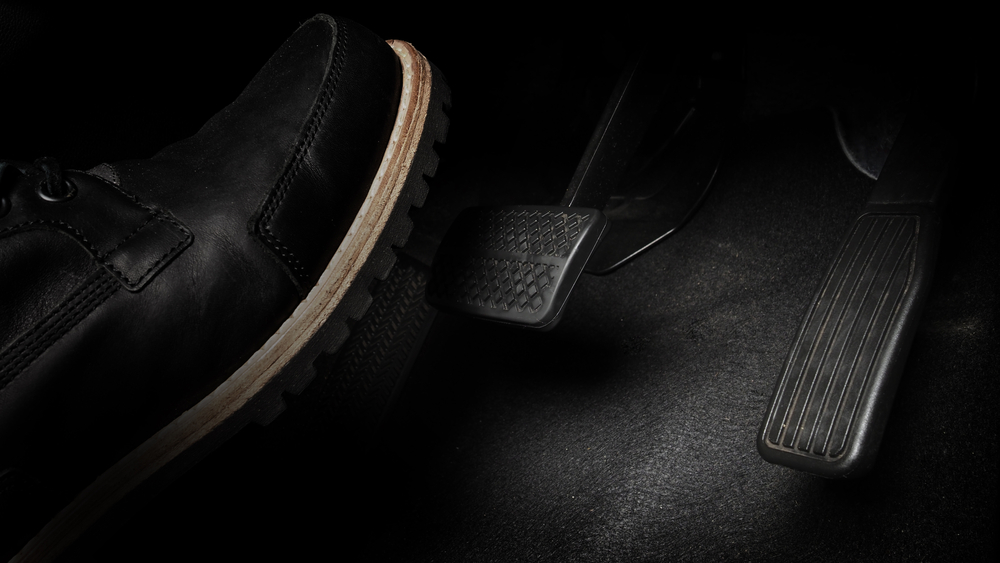
The moment a brake pedal suddenly feels soft or sinks toward the floor, drivers should avoid panicking and focus on slowing the vehicle safely while maintaining control of the steering wheel.
One of the first things to try is pumping the brake pedal rapidly. On some vehicles, this may help build residual hydraulic pressure if a leak or pressure loss is present, particularly if the issue is caused by a partial loss of hydraulic pressure rather than a complete system failure.
Engine braking can also help reduce speed gradually. If it is safe to do so, drivers of automatic cars can switch to manual mode or use paddle shifters to downshift one gear at a time.
While this increases engine resistance and helps slow the vehicle, it should only be used as a supplementary measure rather than the main way to stop during a brake failure.
Abrupt gear changes should always be avoided. Shifting directly into “Park” or “Reverse” while the vehicle is moving can damage the transmission and increase the risk of losing control.
Slowing The Vehicle Safely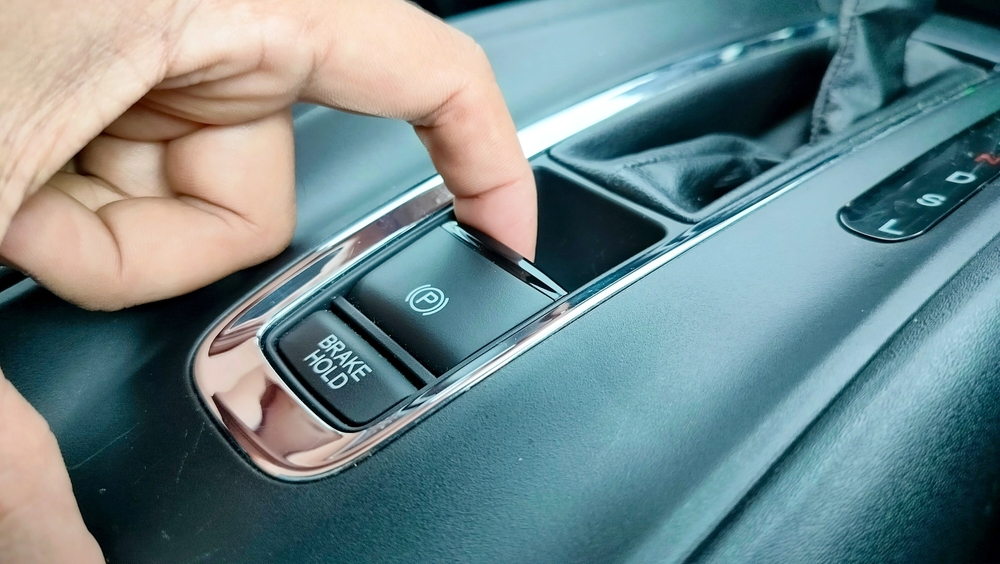
Once the vehicle begins decelerating, the next priority is creating space from surrounding traffic while bringing the car to a controlled stop.
If the car is fitted with a traditional handbrake lever, it should be applied gradually while holding the release button. Pulling it too aggressively can lock the rear wheels and destabilise the vehicle.
For cars equipped with electronic parking brakes (EPBs), many modern systems are designed to perform controlled emergency braking when the switch is pulled and held while the vehicle is moving, although braking behaviour can differ between manufacturers and models.
In extreme situations where stopping distance is limited and a collision appears unavoidable, using a roadside kerb, barrier, or verge to create friction may help reduce speed. However, this should only be considered as a last resort when safer options are no longer available, as it may cause significant vehicle damage.
Communicating With Other Drivers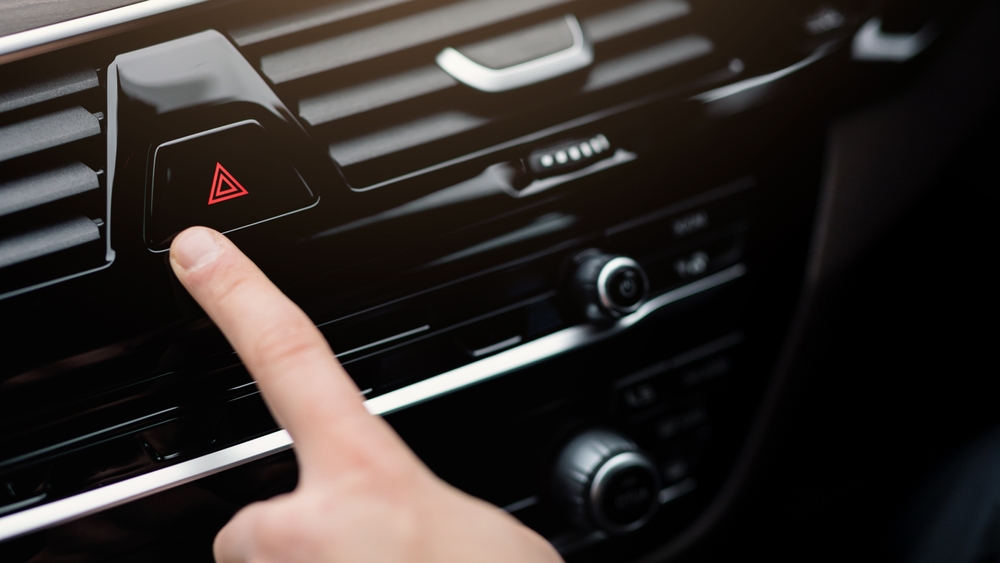
In heavy Singapore traffic, nearby motorists may not immediately realise that a vehicle is experiencing a braking problem. Early communication is therefore essential.
Hazard lights should be activated immediately once a braking issue is detected. The horn can also be used if nearby vehicles appear unaware of the situation.
If lane changes are required to reach the shoulder or a less congested area, indicators should be used early to make the vehicle’s movements as predictable as possible for surrounding traffic.
Bringing The Car To A Stop
Once the vehicle has stopped, it should be shifted into “Park” and the parking brake fully engaged. Hazard lights should remain on while waiting for assistance.
Even if braking pressure appears to return temporarily after pumping the pedal, the vehicle should not be driven again until it has been professionally inspected.
Instead, arrange for the vehicle to be towed to a workshop. AAS members can also make use of the AAS Vehicle Recovery service to have their vehicle transported safely.
Warning Signs Drivers Should Not Ignore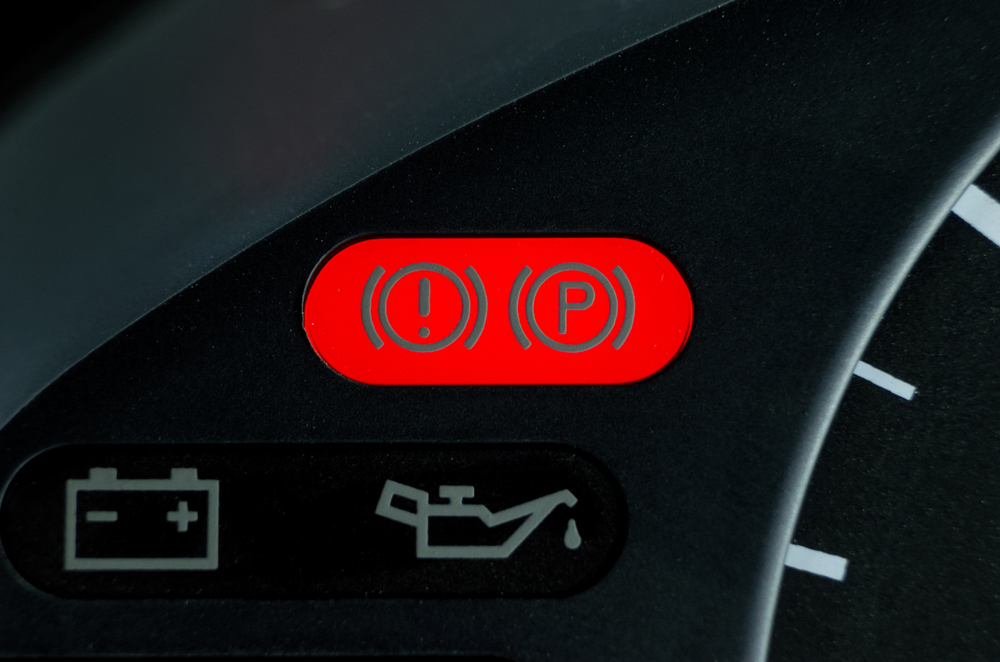
Brake systems often show warning signs before a major failure occurs.
One common warning sign is a soft or “spongy” brake pedal. Rather than feeling firm, the pedal may sink further than usual or feel less responsive when pressed. This could indicate air in the brake lines or deteriorated brake fluid. Do not continue driving the vehicle. Instead, arrange for it to be towed or inspected by a mobile repair service.
If you hear either sound, have the brakes inspected as soon as possible. If braking performance is affected or the grinding is severe, avoid driving the vehicle and arrange for a tow or mobile repair service.
Unusual noises are another warning sign. High-pitched squealing commonly indicates worn brake pads, while grinding noises may suggest metal-on-metal contact that can damage the braking system.
If you hear either sound, have the brakes inspected as soon as possible. If braking performance is affected or the grinding is severe, avoid driving the vehicle and arrange for a tow or mobile repair service.
Dashboard brake warning lights should also never be ignored, as they may indicate low brake fluid levels, hydraulic system faults or other issues affecting the vehicle’s braking performance.
If a brake warning light comes on while driving, stop in a safe location as soon as it is safe to do so and consult your owner’s manual. If the warning light remains on or the brakes feel abnormal, do not continue driving. Arrange for the vehicle to be inspected or towed to a workshop.
Preparation Remains The Best Defence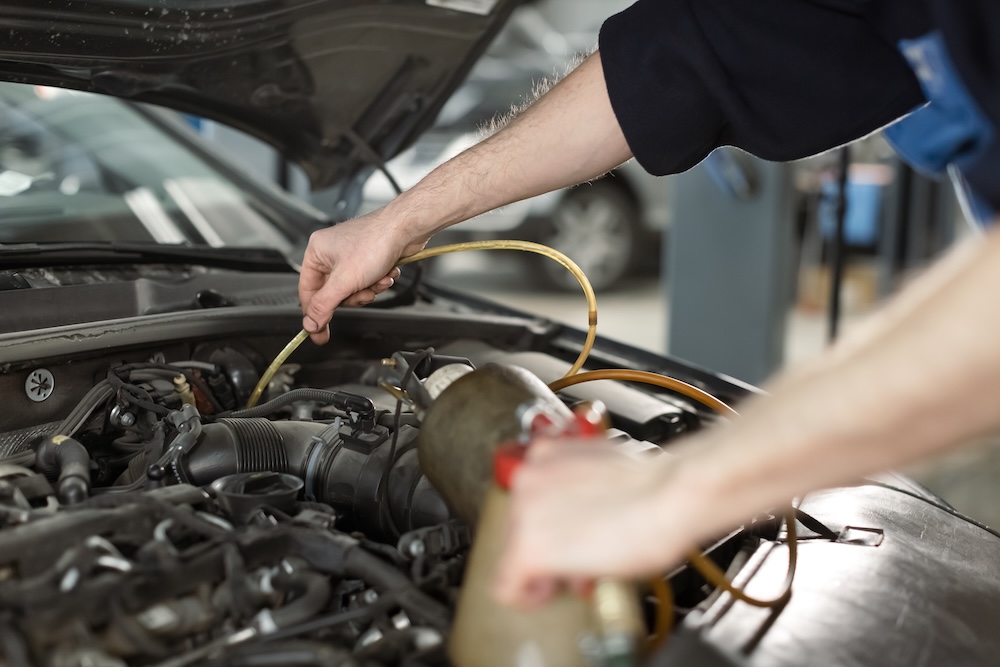
Brake failure can be frightening, but remaining calm and reacting methodically can greatly improve a driver’s ability to maintain control safely.
More importantly, regular maintenance remains the best form of prevention. Routine inspections of brake pads, brake fluid and hydraulic components can often identify issues early, long before they become dangerous on the road.