

Modern families prioritise storage, safety technology, connectivity, adaptability and comfort in new ways. In Singapore, where space constraints and high costs define daily life, these shifting needs reshape what counts as a practical vehicle.

Families today select cars based on everyday demands like space for children, groceries and gear. Safety features protect against road risks, while connectivity supports work and entertainment on the go. Adaptability accommodates growing households or changing routines, and comfort eases long commutes. In Singapore, cramped living quarters in HDB flats and steep Certificate of Entitlement (COE) prices amplify these priorities. Lifestyles such as remote work and urban mobility favour hybrids and SUVs over traditional sedans.
In Singapore, high costs and small homes push these priorities higher. Changing lifestyles like remote work and urban living change car choices. Hybrids and SUVs rise as petrol sedans fade.
Storage Takes Centre Stage

Storage ranks high among family priorities these days. For families living in HDB flats without private garages, cars often serve as extra storage space. Parents need room for strollers, school bags and sports equipment, so boot capacities exceeding 500 litres have become standard in newer models. Fold-flat rear seats create a level floor for bulkier items like furniture from IKEA runs.
Vehicles such as the Toyota RAV4 provide 580 litres with seats upright, easily swallowing prams alongside tuition materials. Additionally, sliding doors on MPVs, because of their larger sizes, help with navigating around tight parking spaces in multi-storey carparks.
Safety Tech Leads The Way

Safety technology now drives family car choices around the world. Features like automatic emergency braking halt collisions before they occur, while lane-keep assist steadies the steering on winding roads. These features prove essential in negotiating Singapore’s narrow lanes and heavy traffic.
In fact, studies worldwide show vehicles with advanced driver aids experience fewer near-misses and accidents. Safety tech cuts risks significantly on roads where crashes often stem from human error, like distraction or misjudgment. Most new models achieve five-star ratings in ASEAN NCAP tests, reflecting strong adult and child occupant protection alongside safety assists. Blind-spot monitors reveal areas the driver cannot see, preventing lane-change mishaps common with children distracting in the back, and rear cross-traffic alerts warn when reversing from parking spots—crucial for parents avoiding kids or bikes in busy HDB carparks or malls, thus building trust that the car prioritises family protection.
For parents reversing out of crowded HDB carparks with young children aboard, these make the vehicle feel like a safe cocoon.
Connectivity Keeps Everyone Linked
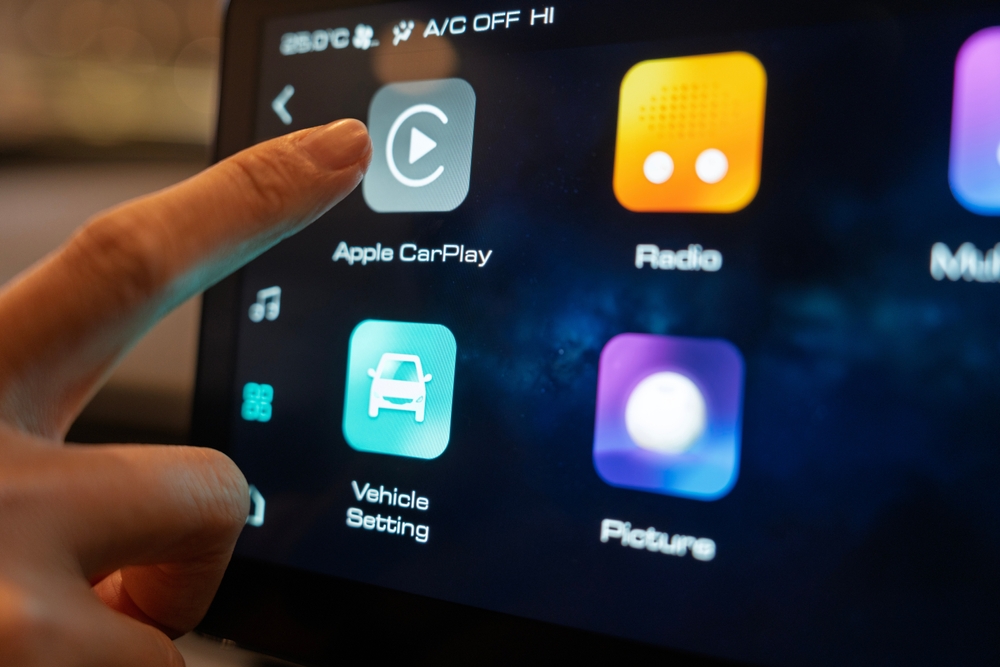
Connectivity transforms cars into mobile hubs for work, school and leisure. Large touchscreens integrate seamlessly with Apple CarPlay and Android Auto, allowing families to stream music or plot routes in real time. In Singapore, where drivers using Grab rides and navigating Electronic Road Pricing (ERP) gantries demand up-to-the-minute route info to dodge charges and optimise fares, these systems shine. Built-in WiFi hotspots keep tablets charged for children’s homework during school runs.
Voice-activated controls adjust air conditioning without drivers taking their eyes off the road. For humid mornings, remote start functions pre-cool the cabin before anyone steps in. Over-the-air updates deliver improvements much like smartphone patches, and dual-zone screens let parents select news while kids watch cartoons.
Adaptability For Evolving Lives
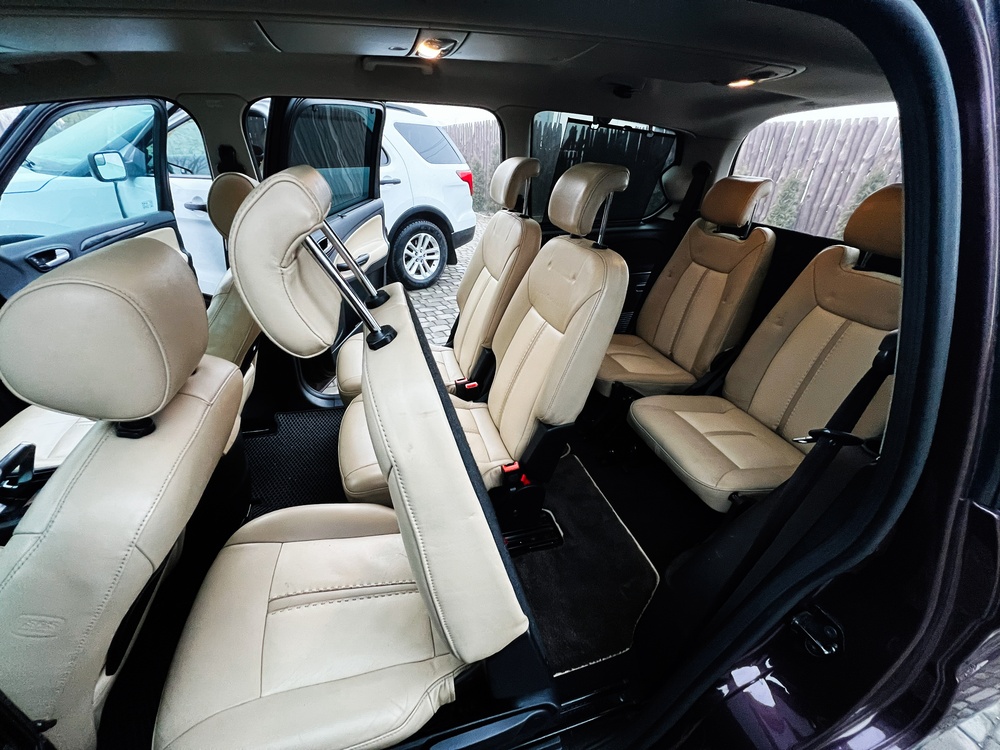
Cars today adapt fluidly to family milestones and routine shifts. Modular seats slide or fold to prioritise cargo space or extra passengers as needed. Unlike pure petrol cars that guzzle fuel in stop-start traffic, hybrids rely on electric motors for efficient city driving and petrol for highways, slashing costs in Singapore’s congestion.
In Singapore, where soaring COE prices reward efficiency, models like Toyota Prius (32km/L) or Corolla Cross hybrids qualify for VES rebates and lower road taxes. Electric vehicles such as Teslas expand alongside charging stations at malls like City Square Mall and Star Vista—Tesla’s Superchargers offer fast 250kW speeds often right by shops, though other EVs use shared CCS points; Tesla holds strong with 10% market share behind BYD’s leading 21% of new car registrations in 2025.
Seven-seaters accommodate extended relatives on weekend outings to Sentosa beaches, fixing the hassle and extra costs of multiple ride-hailing bookings or cramming into taxis during peak weekend crowds. They also avoid needing two cars, which leads to miscommunication between drivers and struggles finding spots in packed carparks.
Plug-in hybrids recharge fully overnight in HDB multi-storey flats equipped with power points. Post-pandemic habits blend office commutes with school drop-offs, and these cars seamlessly adapt through the day to handle work gear in the morning then sports bags in the evening without fuss; all-wheel drive provides grip on rain-slicked roads during monsoon downpours.
Comfort For Daily Grinds
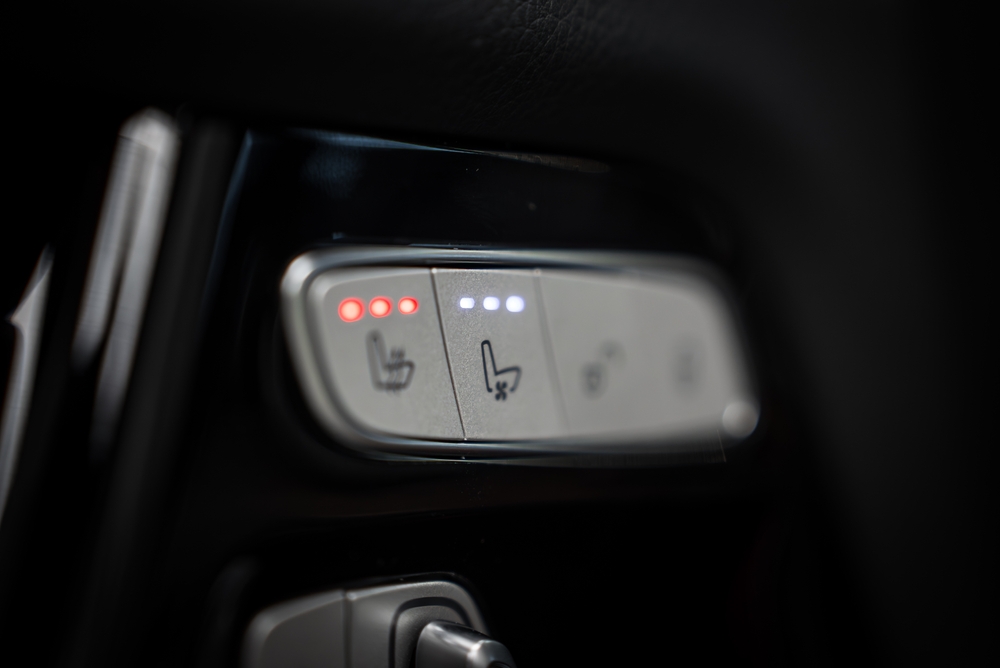
There are plenty of features that enhance comfort on family drives. Ventilated seats cool bodies in our tropical heat, while remote start pre-cools the cabin before entry, sparing everyone from initial humidity blasts. But if the AC runs too strong, heated seats warm up quickly.
Quiet cabins and acoustic glass muffle external noises so everyone enjoys clear sounds from premium audio equipment. Ambient lighting shifts moods at night. USB ports in every seat keep devices powered, and massage functions ease back pain during frequent traffic jams on routes like the PIE, where Singapore commutes often stretch 45 minutes each way even without full gridlock. These touches make drives tolerable.
Singapore’s Unique Slant
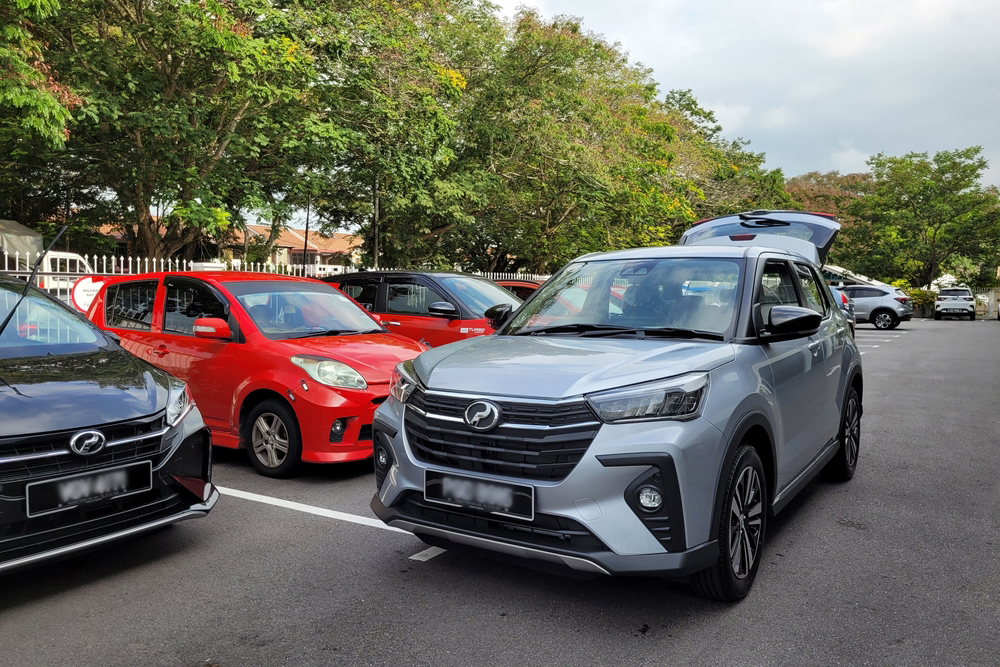
Singapore’s environment moulds family car preferences in distinct ways. Sky-high COE premiums ensure the national fleet stays youthful and well-maintained. The Vehicular Emissions Scheme (VES), run by the LTA and NEA, rebates up to $25,000 on the Additional Singapore shapes family car trends in clear ways.
High Certificate of Entitlement (COE) costs, split into Category A for smaller/less powerful cars up to 110kW (cheaper bids around $106k lately, pros: affordable for compact family sedans/hybrids with good fuel savings; cons: limited space/power for big loads) and Category B for larger/more powerful over 110kW (higher bids ~$105k, pros: roomy SUVs for 7-seaters; cons: pricier registration and taxes), keep the fleet young and modern by discouraging old cars.
The Vehicular Emissions Scheme (VES) rewards cleaner vehicles with ARF rebates up to $25,000 in A1/A2 bands for low-emission hybrids/EVs, while polluters face surcharges. Families stick to reliable Japanese brands like Toyota for durability. Proton and Perodua stand out with lower entry prices, Malaysian engineering for tropical reliability, and features like spacious MPVs at budget levels versus pricier imports. HDB parking rules with 1.8m-2.1m height limits favour C-segment fits.
Shared rides like Gojek and Grab cut ownership costs, but car-sharing services such as Tribecar/GetGo offer even better convenience: rent MPVs/vans by the hour ($0.55/hr off-peak) or day ($65/24hrs) just for school runs or IKEA trips, with point-to-point drops and no maintenance hassle.
Yet nuclear families still rely on personal cars for daily predictability. Government rebates boost EV uptake. Trips to Sentosa beaches or Johor Bahru require seven seats and boot space for coolers/toys. Locals prefer fuel efficiency to raw power.
A Global Shift
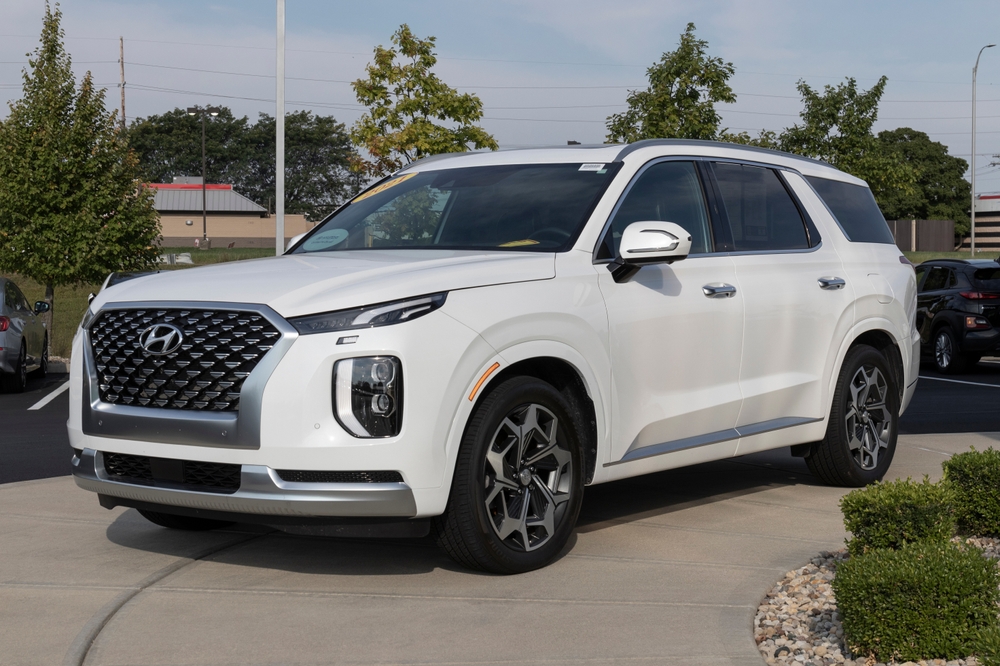
Families worldwide now swap minivans for SUVs because they offer better style, higher driving positions and rugged appeal for urban adventures, without sacrificing family space.
In the US, models like the Hyundai Palisade roll out hybrid versions to meet rising demand for fuel-efficient three-row seating amid high petrol costs and tax credits. Europe focuses on low emissions through strict EU CO2 targets under 95g/km, favouring plug-ins with fines for excess; Asia packs crossovers like the Toyota Corolla Cross with ADAS, huge screens and fast chargers for tech-savvy buyers in megacities. Rising fuel prices and green policies speed up the shift everywhere. Remote work cuts daily commutes, freeing cars for weekends.
Bigger EV batteries stretch range to 500km+, lessening frequent charging needs and giving flexibility for shared stations among EV owners. Safety laws tighten across borders on mandatory AEB, pedestrian detection and child seat anchors, forcing all new cars to prioritise crash avoidance. Connectivity matches home entertainment with streaming and gaming. Storage space matches busier, active lives full of sports and travel.
Wrapping Up
The ideal family car continues evolving alongside daily realities. Ample storage manages routine hauls from markets to school gates. Safety technology safeguards precious lives amid unpredictable traffic. Connectivity bridges work, play and navigation without interruption. Adaptable designs flex for life’s curveballs, from new babies to weekend getaways. Comfort upgrades turn grueling commutes into manageable slogs. In Singapore, scarce space and premium pricing hone these needs to a fine edge. True practicality emerges in vehicles that prove versatile, secure and intelligent. Families invest thoughtfully, eyeing needs that stretch into the future.