

Car ownership goes beyond fuel and parking. It quietly drives choices in housing, travel, dining, and leisure. In Singapore, where a Certificate of Entitlement tops S$100,000, this pull feels strongest. Globally, it reshapes budgets too.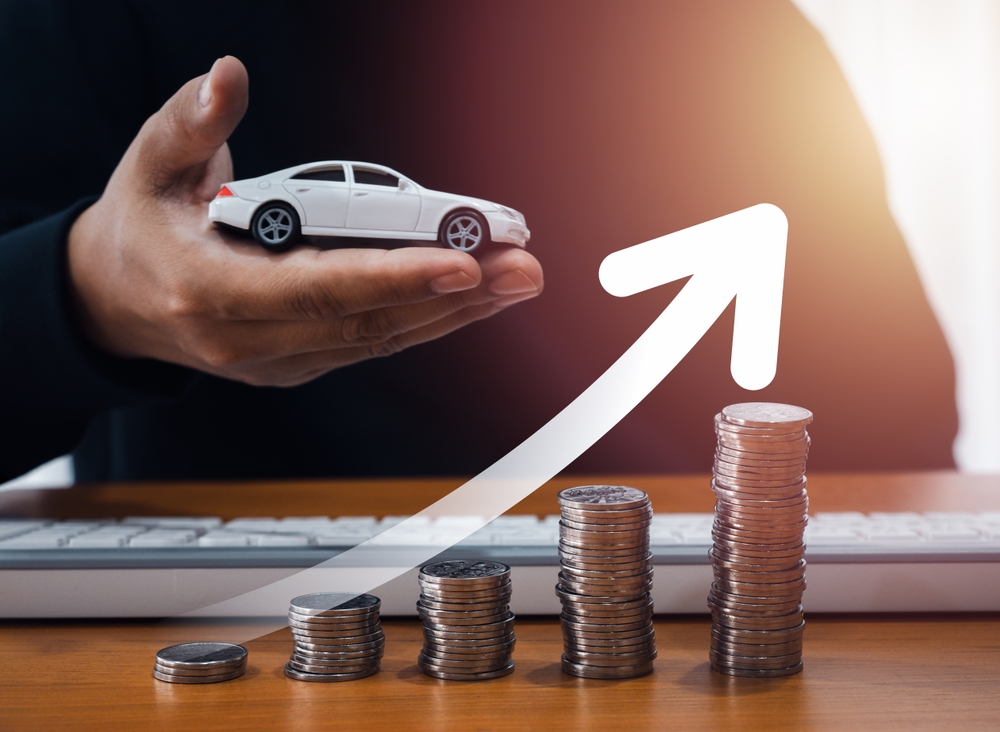
Your car does more than get you places, it shifts money across your life. In Singapore, COE prices make cars a luxury; public transport keeps many car-free but this choice ripples into housing picks, trip plans, meal spots, and free time. Elsewhere, cars cost less but can still dominate spending. Owning a car locks in patterns as the more you drive, the more you park, the more you should maintain, and your savings go elsewhere or vanish. Let’s break it down.
Upfront Costs Set the Tone
Globally, car ownership already takes a big bite out of household budgets. In the United States, for example, the typical driver spends around US$12,000 a year on their car in total running costs; covering depreciation (or loan payments), fuel, insurance, maintenance, repairs, registration fees, and taxes, which works out to roughly S$16,000 a year. In many European countries, fuel taxes push petrol prices higher, but cars often depreciate more slowly, and purchase prices are lower than in Singapore, so the overall burden still feels lighter over the vehicle’s lifetime.
Singapore is in a different league. Car prices here are high enough to shock both locals and foreigners. A new mass‑market sedan like a Toyota Corolla or Honda Civic can easily cost between S$120,000 and S$150,000 once you factor in the Certificate of Entitlement, or COE, which has recently reached around S$100,000 for popular categories, plus ARF, excise duty, GST, and registration fees. The COE alone often makes up more than half the car’s price, so even before you turn the key, you are locked into a large financial commitment.
Most buyers take a car loan to manage that upfront cost. Loan tenures in Singapore typically run up to seven years, but many people choose something in the five‑to‑seven‑year range to balance monthly instalments against total interest paid. For a mid‑range car, monthly repayments often fall somewhere between S$1,000 and S$2,000, depending on the loan amount, tenure, and interest rate. That is a serious line item in any monthly budget.
Insurance is another variable cost that depends heavily on your age, driving history, no‑claims discount, and the type of coverage you buy. A younger driver on comprehensive coverage might pay S$2,000 to S$2,800 a year. A more experienced driver with a strong no‑claims discount, or someone opting for third‑party coverage, may pay under S$1,000 annually. On top of that, road tax for a typical 1.6‑litre car comes in at around S$700 to S$800 a year, while smaller 1.0‑litre engines start closer to S$600. It is not huge on its own, but still adds to the stack.
Fuel sits right behind. Pump prices swing with the global oil market and local taxes, so it is no longer realistic to pin it at S$2.80 per litre as a fixed benchmark. Depending on promotions, grade, and economic shifts, drivers today expect S$200 to S$350 a month on petrol for normal urban use, more for long daily drives. Prices can jump or drop fast with world events, so it is a cost you always need to watch.
Parking and road charges quietly add up in the background. Season parking at an HDB carpark starts at around S$80 a month, and can be higher in some locations. Daily parking at offices, malls, or private carparks can cost S$5 to S$10 a day if you drive to work and go out on weekends. On top of that, ERP gantries typically charge a few dollars each time you pass during peak hours. A commuter who drives in and out of the CBD area on weekdays can easily spend a few hundred dollars a month just on ERP and carpark fees.
Maintenance and wear‑and‑tear complete the picture. Routine servicing, inspections, tyre changes, battery replacements, and the odd repair can easily average S$1,000 to S$2,000 a year for a regular family car, and more if you clock high mileage or own a continental model. When you sum up instalments, insurance, road tax, fuel, parking, ERP, and maintenance, it is not hard for an ordinary driver in Singapore to spend well over S$20,000 a year on their car, especially in the early years when the loan is still large.
With numbers like that, the car decision quickly becomes a lifestyle decision. Young professionals often decide it makes more sense to rely on MRT, buses, and ride‑hailing rather than commit to years of heavy instalments. Families spend time recalculating budgets and trade‑offs, weighing a car against a better home, more savings, or extra holidays. Many people end up delaying their first car purchase until their 30s or later. In that sense, the upfront and ongoing cost of a car does not just affect your bank account; it quietly shapes the path your life takes.
Cars Drive Housing Picks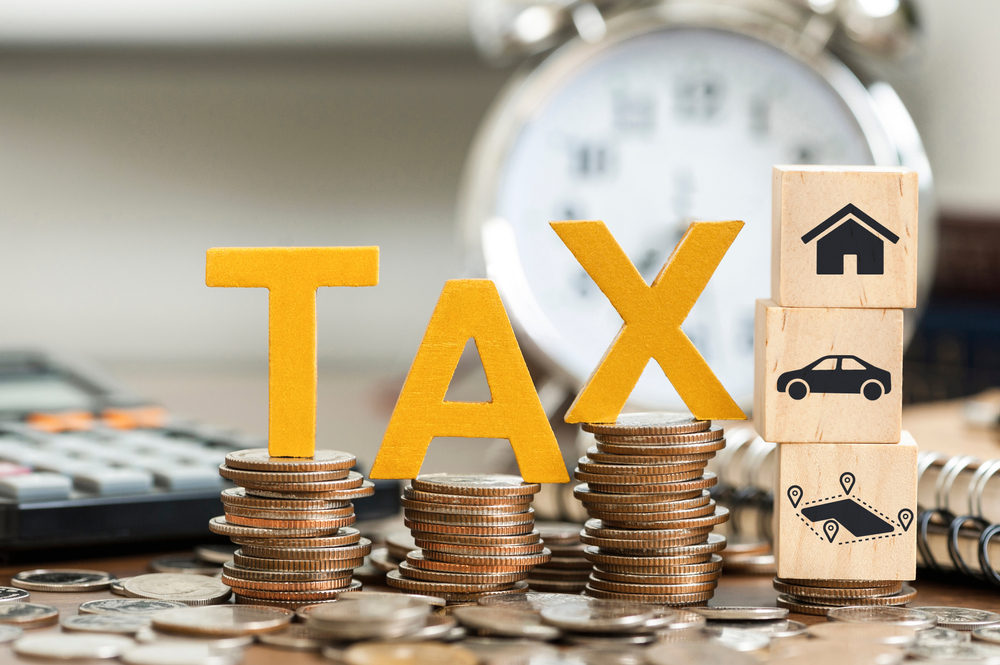
Cars and housing choices are closely linked. In Singapore, the high cost of owning a car pushes many people to plan their lives around public transport instead of driving. When COE prices rise, cars become less affordable for the average household, and this tends to push up demand for homes that are closer to the city and near MRT lines, because people want to cut their reliance on private cars.
Commentary on COE patterns has highlighted this effect. One analysis noted that when the cost of COE rose from about S$10,000 to around S$40,000, homes within 10 kilometres of the city centre, and especially those near MRT stations, saw larger price increases compared with homes more than 10 kilometres away. The logic is simple. As car ownership becomes more expensive, households that want to keep transport costs manageable tend to prioritise locations where they can commute by MRT or bus rather than drive daily. This makes well-connected estates and central neighbourhoods more sought after, and prices there respond accordingly.
You can see how this plays out for a typical young family. If they choose to stay car‑free, they might stretch to buy a three‑room HDB flat in Bishan at around S$600,000, paying roughly S$820 to S$930 per square foot. From there, both parents can get to their CBD jobs in about 20 minutes by train. If they decide to own a car, they might instead look at a similar‑sized flat in Woodlands for around S$440,000, or S$580 to S$680 per square foot. On paper, the Woodlands flat looks cheaper. But once you factor in 45‑minute peak‑hour drives each way, possible traffic jams, daily parking fees, ERP charges, and higher fuel costs, the savings on the property can quickly be eaten up by the cost and stress of commuting. This is one reason homes closer to major transport hubs and central areas command higher prices and remain in strong demand.
Outside Singapore, the pattern often flips. In the United States, where car ownership is relatively affordable and widely seen as a necessity, many families choose to live in the suburbs rather than in city centres. Larger homes with garages are generally cheaper per square foot once you move away from downtown areas, and people accept a longer commute in exchange for space. The average commute by car in the US is around half an hour, which most drivers see as normal, because the entire system is built around the assumption that you will drive to work. In that context, owning a car makes it easier to justify living further away from the city.
In Europe, the picture is more mixed. Many cities have strong rail and metro networks, so people who want to avoid driving often choose to live in or near the city, close to train lines and tram routes. Others still move out to the suburbs and use cars, but public transport gives a real alternative. On that point, Singapore has more in common with cities that have dense and reliable public transport, because a well‑connected MRT network makes it possible to live without a car and still enjoy reasonable commute times.
Within Singapore, households that do choose to own a car sometimes aim for landed properties, where having a driveway and private parking is a practical benefit. Districts like Bukit Timah are pricey not only because of landed homes and limited land, but also because of their reputation, proximity to good schools, and established amenities. These neighbourhoods attract higher‑income families who can afford both a house and a car. On the other hand, people who stay car‑free often opt for high‑rise HDB or condo units near MRT stations, focusing on convenience over space. That choice can free up more of their budget for renovations, savings, or other goals, rather than tying so much of their money to both a car and a more expensive property.
Travel Patterns Flip with Ownership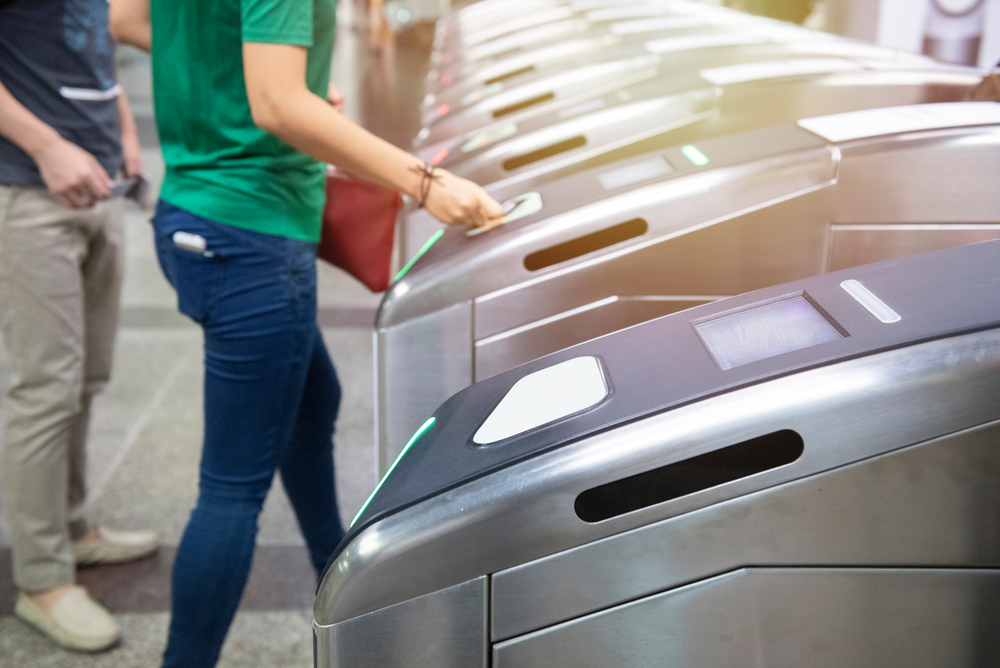
Your daily commute shifts dramatically once you own a car. Singapore’s MRT network covers the island reliably, and a monthly concession pass costs just S$122 for unlimited bus and train rides. That is a fraction of what a car demands each month, but it comes with less flexibility—you cannot go exactly where you want, exactly when you want.
A car changes that. It skips the crowded trains during rush hour and lets you run errands or drop off kids without fixed schedules. For weekends, the real freedom kicks in. Car owners can drive to Johor Bahru or Malacca for a quick family getaway, arriving on their own timetable. Without a car, you are stuck waiting for buses to JB, dealing with long queues, immigration crowds, and rigid timetables. Flights suit longer trips like Bali, but they lack the spontaneity of just hopping in your car for a short break.
Globally, cars excel at handling distance, and Americans are a prime example. The average driver there covers more than 13,000 miles—or about 21,000 km—a year, spending roughly S$2,000 on petrol alone. Road trips to national parks form a holiday staple for many Americans, who pack up and drive long distances across wide-open roads. In Singapore, narrow roads and international borders make those kinds of extended drives impractical. Car-free locals often just book cheap flights to nearby spots like Bali instead. Car‑sharing services like GetGo offer a middle ground here, charging about S$0.40 per km for short errands. But full ownership commits you to much higher costs over time, often double what you would spend on ride‑hailing or public transport.
Dining Gets Tied to Wheels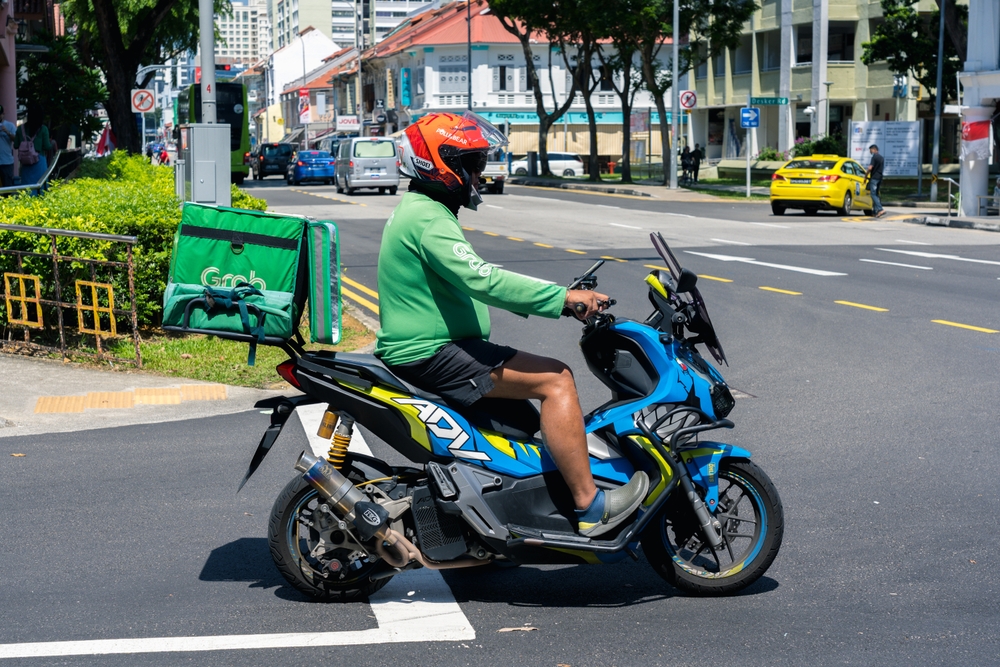
Your food choices follow your wheels. A car opens up deal hunting. Drive to Tekka or Chinatown wet markets for fresh fish and vegetables at good prices. City folks without cars stick close bywalking to nearby kopitiams and food courts. It keeps things quick but limits you to local spots. Even if you Grab home with food, you worry about the driver smelling it in the car.
Studies worldwide, including research from the US National Institutes of Health, show car access leads to broader diets. In the US, car owners shop farther out. They reach more stores and sometimes pick healthier options. Transport costs still squeeze their budgets, though.
Singapore makes it easy for everyone. Supermarkets like NTUC FairPrice sit in every neighbourhood, along with clinics and basic dining. Hawker stalls hold steady at around S$5 to S$8 a plate despite some price rises. GrabFood delivers almost anything for a small S$3 to S$5 fee. That fee adds up if you order often, but it beats the hassle of driving through traffic just to eat.
Car owners still eat out more. They reach Dempsey or Boat Quay easily. A meal there for four runs S$150 or more before you add parking at S$5 to S$10 and any ERP tolls. Heavy traffic on the way drags out the trip and kills appetites by the time you sit down. Sometimes, cars limit your choices as much as they expand them.
Owners feel the loan pressure most. Many cook at home more to offset those car payments. Still, the car habit keeps pulling you toward farther spots anyway.
Leisure Bends to Your Ride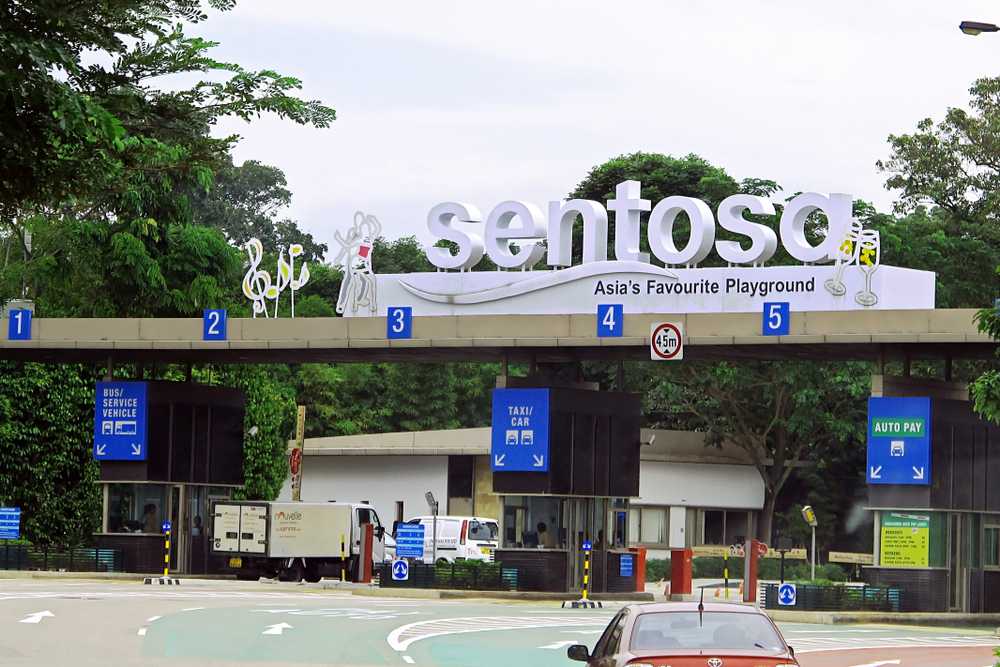
Free time shifts hard depending on your transport. A car makes outings to parks and beaches much smoother. You can pack a big bag of swimming gear or beach toys without lugging it onto a crowded bus or MRT. Grab bike rentals at East Coast Park right after parking. You park right near Sentosa’s main entrances, skipping long taxi queues and surcharges that hit PHV riders hard. Family picnics turn easy—no hauling coolers and chairs up bus stairs. Kids benefit most. School drop-offs take minutes instead of transfers. Weekend farms in Lim Chu Kang stay simple day trips.
Costs rise fast, though. Gardens by the Bay parking costs S$12 to S$30 for the day, plus time lost circling for a spot. Some households see cars eat 20-30% of their monthly income, shrinking fun budgets quickly. Car-free folks skip that hassle. They hop on the MRT to Bayfront station for Gardens by the Bay, Promenade for Singapore Flyer events, or Esplanade for shows—all just a few dollars and no parking stress.
Elsewhere, cars unlock more. In countries with space, they make camping trips or ski weekends routine. Singapore trades those for urban staycations and quick city events instead.
Long-Term Money Drain
Look out over a full 10-year COE cycle, and the sting gets real. A typical mid-range car in Singapore, say a Toyota Corolla or Honda Civic, starts with purchase costs of S$130,000 to S$150,000, including COE around S$100,000, ARF, GST, and fees. Add loan interest, insurance, road tax, fuel, parking, ERP, and maintenance, and you hit S$250,000 to S$300,000 total over the decade. Depreciation wipes out most of that value by the end, leaving you with a car worth scrap or a fraction of what you paid.
That cash could do better elsewhere. Put it in your CPF Ordinary Account instead, where it earns a guaranteed 2.5% interest per year. Over 10 years, compound growth turns S$20,000 annual savings into over S$230,000. Car owners often work a few years longer just to rebuild what the vehicle drained.
Convenience and status keep some hooked. Executives who meet clients often value quick runs without Grab booking waits or delays. A sleek Audi turns heads and signals you’ve made it. Lower-income drivers feel the regret deeper, though, as the costs lock them into tighter finances for years.
Weighing Your Ride’s True Cost
Cars shape your life in quiet ways. Singapore’s setup forces sharp choices. Skip the car, and you build stronger housing budgets with smoother public transport commutes. Own one, and you gain open-road freedom at the cost of a tight budget.
New options are changing the math. Electric vehicles cut fuel costs to near zero, with charging at home or public stations running S$50 to S$100 monthly for average use. COE Category B prices have eased lately for EVs and hybrids, dipping below S$110,000 in recent bids and making mid-range models more reachable. Car-sharing has exploded too—GetGo and similar platforms now handle over 20 million kilometres driven yearly, giving on-demand access without full ownership costs.
Weigh your real needs against your budget each year. A car might fit today but squeeze tomorrow. Base the call on your life, not trends.