

You don’t need a boarding pass to leave Singapore behind. From ferry crossings, cross-border coaches, and drives, several of Southeast Asia’s most rewarding short breaks are just a few hours away. But once you arrive, not every destination is equally easy to navigate, and that difference matters more than most travellers think.
Singapore’s location in Southeast Asia makes it one of the better-positioned cities in the region for short getaways. Within a few hours by land or sea, you can be in a different country entirely. But connectivity is not just about how you get there, it’s also about what happens once you step off the bus or boat. Some cities feel immediately intuitive while others leave you circling the same block, sweating and unsure.
That difference tends to come down to urban design: whether streets have usable pavements, whether signage is legible to visitors, and whether it is possible to find your way on foot without a phone in your hand. It also comes down to and how seriously a city has thought about the experience of people moving through it on foot.
Johor Bahru: The Easiest Exit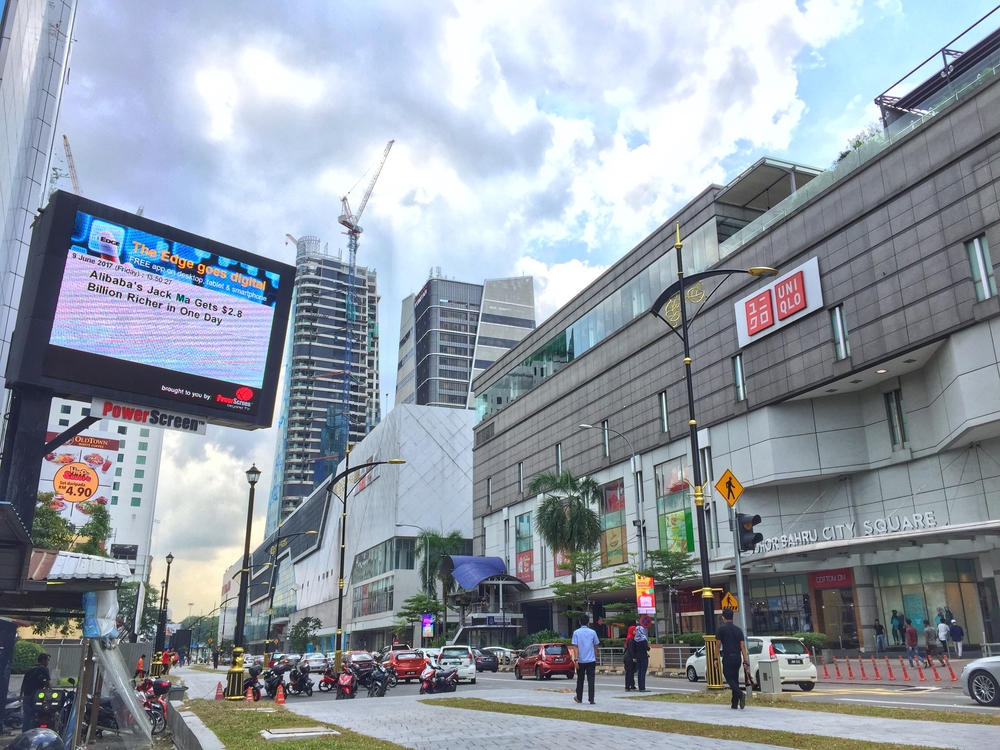
JB is the default first choice for most Singaporeans, and for good reason. Cross the Causeway by bus, by the KTM commuter train, by car (roughly 30 to 40 minutes from Woodlands or Tuas, traffic permitting), or, once it opens, by the Johor Bahru-Singapore Rapid Transit System Link, and you are in another country within the hour. The old town around Jalan Wong Ah Fook and the areas near Danga Bay have become more organised and visitor-friendly in recent years, with some covered walkways and a street grid that makes sense.
Beyond the heritage zone, a car or Grab opens up a different side of JB: the seafood cluster at Stulang Laut, a waterfront strip along the Johor Strait popular with Singaporeans. Spots like Nasi Goreng Seafood Stulang, also known as Modern Fishing Restaurant, draw crowds for grilled fish, clams, and nasi goreng served on a banana leaf. You can also try San Low Seafood at Taman Pelangi, a JB institution known for its salted egg crab and San Low Bee Hoon, popular with Singaporeans for decades. The malls like AEON Bukit Indah and KSL City at Bukit Indah, and the neighbourhoods that most visitors never reach on foot, are all worth the ride. Wide roads and uneven footpaths mean the outer parts of the city are better covered with wheels, but that is not a reason to avoid them.
Melaka: The Gold Standard for Walkability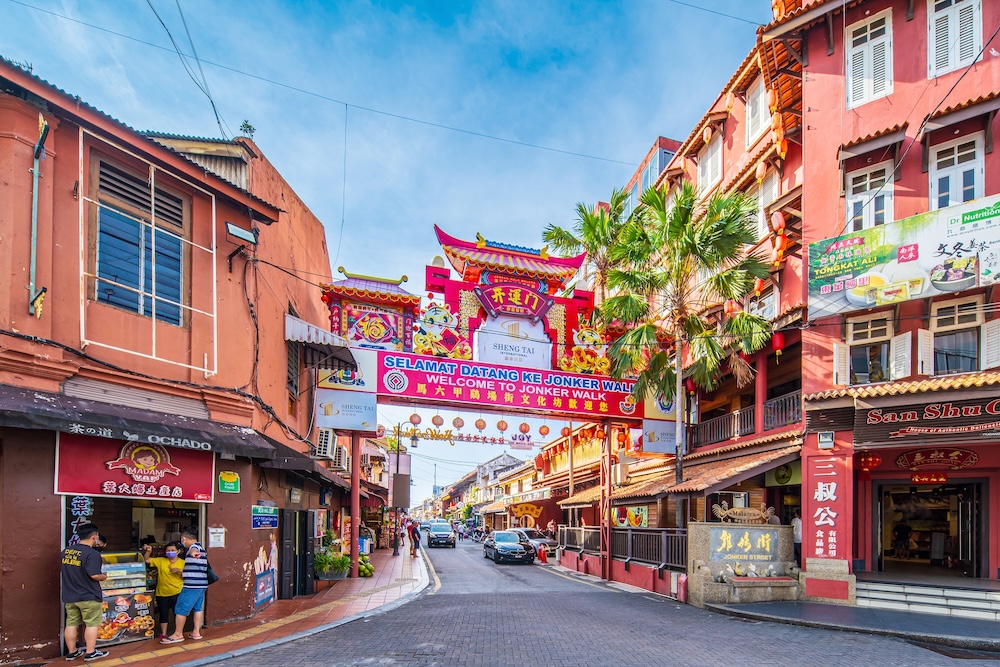
If there is one destination reachable from Singapore without flying that genuinely rewards the traveller on foot, it is Melaka. The UNESCO-listed heritage core is compact, relatively flat, and dense with things to see like including the Stadthuys (the Dutch colonial red building at the town centre), the Baba & Nyonya Heritage Museum, Cheng Hoon Teng temple, and the Portuguese Settlement. Jonker Street, the Dutch Square, and the hillside around St Paul’s Church can all be covered in a day without a map app.
Melaka works because it was built at a human scale, long before cars arrived. The streets are narrow, the blocks are short, and the rhythm of the place pulls you forward naturally. It was not planned with tourists in mind. It just happens to suit them. Getting there from Singapore takes roughly two to three hours by direct coach, with several operators running services from the Golden Mile area and Lavender. By car via the North-South Expressway, the drive takes around two and a half to three hours, depending on the border crossing and traffic.
Kuala Lumpur: Good System, Uneven Ground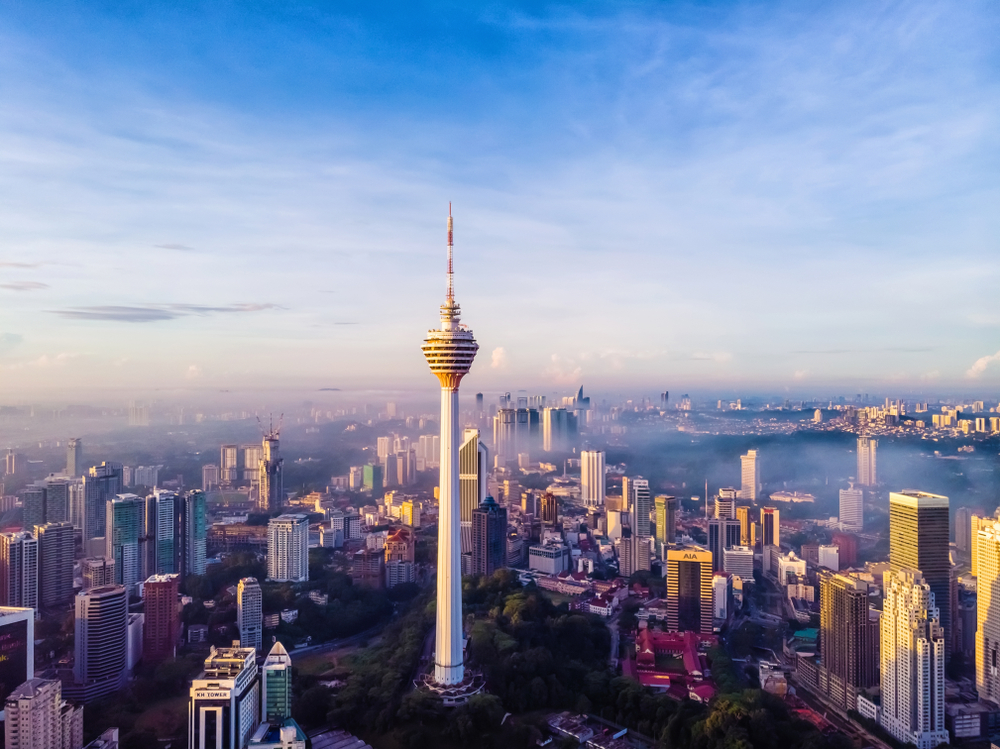
KL presents a more complicated picture. The city’s rail network, covering the MRT, LRT, monorail, and KTM Komuter lines, is one of the more extensive systems in Southeast Asia. Between Masjid Jamek, Bukit Bintang, KL Sentral, and the Golden Triangle, a visitor can move around large portions of the city without needing a taxi.
But KL’s walkability between those transit nodes is inconsistent. Some connections are covered and clear; others require navigating across multi-lane roads, through car parks, or along footpaths that simply stop. The city has acknowledged this, and there are ongoing improvements to pedestrian connectivity around the city centre, but progress has been slow. From Singapore, KL is accessible by coach in roughly four to five hours, or via the ETS train service through JB.
The pull of KL is real, though. The Petronas Twin Towers and KLCC Park anchor the city centre, while Petaling Street offers one of the region’s most atmospheric Chinatowns. Batu Caves, just north of the city, is a short commuter train ride away. The food scene rivals Singapore in range, from hawker stalls in Chow Kit to the restaurants along Bangsar’s Telawi strip. Bukit Bintang remains the shopping hub, with everything from luxury malls like Pavilion Kuala Lumpur, The Starhill, and the newly opened The Exchange TRX to street markets within walking distance of each other
Drivers can expect roughly four to five hours via the North-South Expressway, with the Johor border crossing adding variable time depending on the time of day. A direct high-speed rail link between the two cities has been discussed for years, but estimates for completion remain unknown.
Batam and Bintan: The Ferry Option
For those who want to leave Malaysia entirely, Batam and Bintan in Indonesia’s Riau Islands offer a different kind of short break. Both are accessible by ferry from HarbourFront or Tanah Merah Ferry Terminal, with crossing times of around 45 minutes to just over an hour, making them among the quickest international trips available from Singapore.
Batam is the more urban of the two, with shopping, seafood, and a character that some travellers find refreshing precisely because it is unpolished. But it is not walkable in any meaningful sense. Distances are large, public transport is limited, and a rented scooter or a series of Grab rides is the practical way to get around.
Bintan leans toward nature and resorts. The resort zone in the north is essentially self-contained, while Tanjung Pinang, the island’s main town, has a more lived-in feel, with its old Chinese quarter partly built over the water. But again, you will need your own transport to get around, whether a hired scooter, a rental car, or a series of Gojek (motorcycle taxi) rides.
What Actually Makes a City Easy to Explore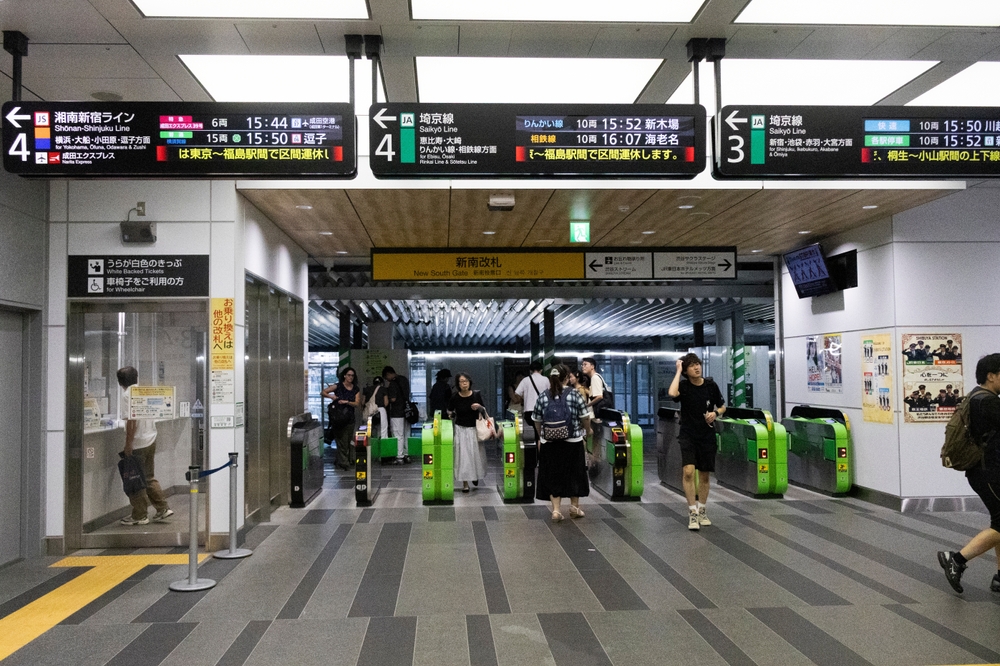
Urbanists have been studying this question for decades, and the answers tend to cluster around a few consistent factors.
The first is scale. Cities that developed before mass car ownership tend to have shorter blocks, narrower streets, and denser clusters of activity. Melaka is the clearest example among the destinations here. George Town in Penang is another, even if it requires a short flight from Singapore. These places were built for people moving at walking speed, and that shows.
The second is transit legibility. A city can have excellent public transport but still feel impenetrable if the system is hard to understand. Tokyo’s metro is famously complex but also famously well-signed, with colour-coded lines, multilingual displays, and clear layouts. KL’s system has improved but has historically suffered from fragmentation, with different operators running different lines under different ticketing structures, which adds friction for first-time visitors.
The third factor is what planners call last-mile connectivity, which is the experience of getting from a transit stop to your actual destination. This is where many otherwise decent cities fall apart. A city can build a metro and still feel hostile to pedestrians if the exits are poorly placed, the pavements are broken, or crossing the road requires a ten-minute detour to a pedestrian bridge.
Why It Matters for a Weekend Trip
For a Singapore-based traveller with two days and limited energy, none of this is abstract. A city that is easy to navigate on foot or by transit means more time actually experiencing the place, and less time standing in the heat waiting for a ride.
It also changes the kind of travel you end up doing. Walkable cities encourage the unplanned. You turn a corner, find a coffee shop you had no idea existed, and stay for an hour. Car-dependent cities push you toward a more destination-focused kind of travel, though happy accidents can happen from behind a wheel too, which is a different experience. Not necessarily a worse one, but it is different.
The best weekend escapes from Singapore tend to combine ease of access with ease of movement on the ground. JB is fast to reach, but requires some effort once you are there. Melaka takes a couple of hours more to get to, but gives that time back once you arrive. KL offers both possibilities, depending on where you base yourself and how willing you are to work the rail map.
Batam and Bintan offer the quickest crossing times but work best if you go in with a plan, since getting around on the islands takes more organisation than simply stepping off a bus.
Driving to Malaysia: What to Know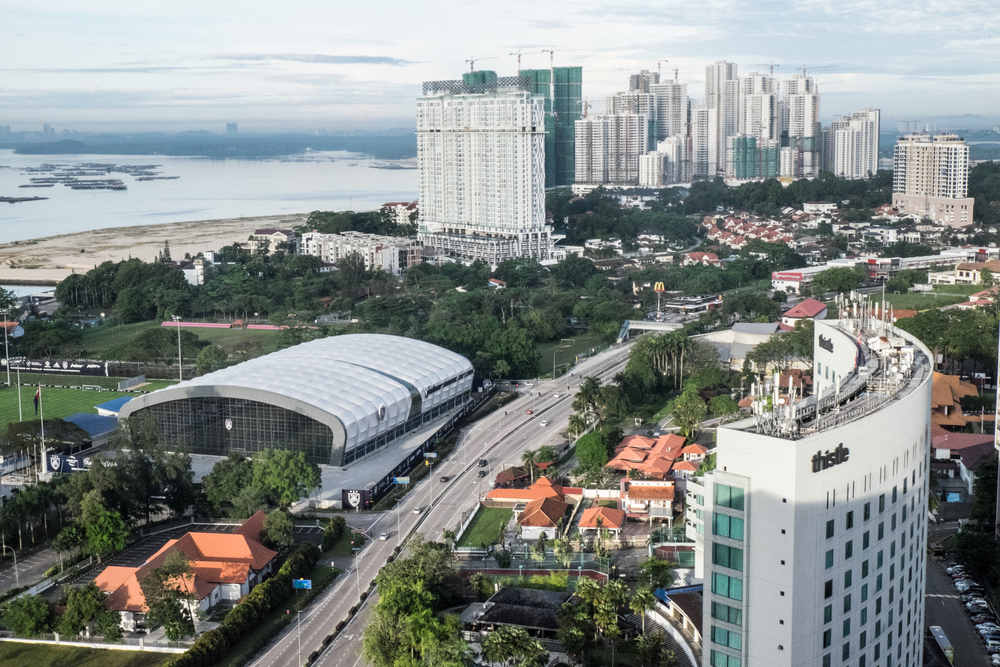
Driving into Malaysia from Singapore gives you more flexibility, particularly for destinations like Melaka and KL, where a car means access to places that public transport does not easily reach. You will need a valid driving licence, vehicle insurance that covers Malaysia, and a Touch ‘n Go card for tolls. Fuel is significantly cheaper in Malaysia, and you can top up just after the Causeway or Second Link. If you prefer not to take your own car, rental options are available on both sides of the border.
AA Members have access to exclusive car rental rates through AA’s car rental partners, while non-members can also use these services at standard rates. Details on current offers are available at aas.com.sg/membership-benefits/car-rental-offers/.
The Takeaway
The region around Singapore offers a real range of short-break options, all reachable without a boarding pass. But not all of them are equally easy to navigate, and it is worth thinking about that before you book.
Choosing a destination based not just on what it offers but on how it functions as a city, as a network, as a place to move through on foot, is a reasonable part of the planning process. The destinations that reward that thinking tend to reward the visit, too.