

Singapore’s roads saw more accidents and fatalities in 2025, with motorcyclists and elderly pedestrians over-represented in serious crashes. Drivers must know the rules to share space safely. Here’s what Traffic Police data shows and how to respond.
Singapore’s roads are shared by drivers, motorcyclists, cyclists and pedestrians, but recent Traffic Police figures show that motorcyclists and elderly pedestrians are among the most at risk in serious accidents. Motorcyclists and their pillion riders were involved in 54.8% of all traffic accidents and 53.0% of fatalities in 2025, even though motorcycles are only 15.0% of vehicles. Elderly pedestrians were involved in 75.0% of fatal pedestrian accidents. Driving safely around them, and following the rules that protect them, is required under the Road Traffic Act.
For Drivers: Key Rules to Follow
Singapore is a dense city, and space on the roads is limited as cars, motorcycles, bicycles, heavy vehicles, buses, and pedestrians all move within the same network. That makes it easy for small mistakes to become serious accidents. Motorcyclists and elderly pedestrians are especially vulnerable, and drivers play a big part in keeping them safe.
Traffic Police data shows that motorcyclists and elderly pedestrians continue to be heavily over-represented in serious accidents, which is why all drivers need to be alert to every vulnerable road user.
Why Vulnerable Road Users Need Protection
Motorcyclists and pedestrians do not have the same protection as car drivers. In a crash, they take the full impact, and injuries can be severe. Even at lower speeds, a car colliding with a motorcyclist or a person on foot can lead to broken bones or worse. Traffic Police figures show that motorcyclists and their pillion riders made up more than half of all traffic fatalities in 2025, even though motorcycles are a minority of vehicles on the road. Elderly pedestrians were involved in three-quarters of fatal pedestrian accidents.
Across all road users, more than half of accidents in 2025 were caused by motorists failing to keep a proper lookout, which shows how dangerous even brief moments of inattention can be.
Safe Passing Distance
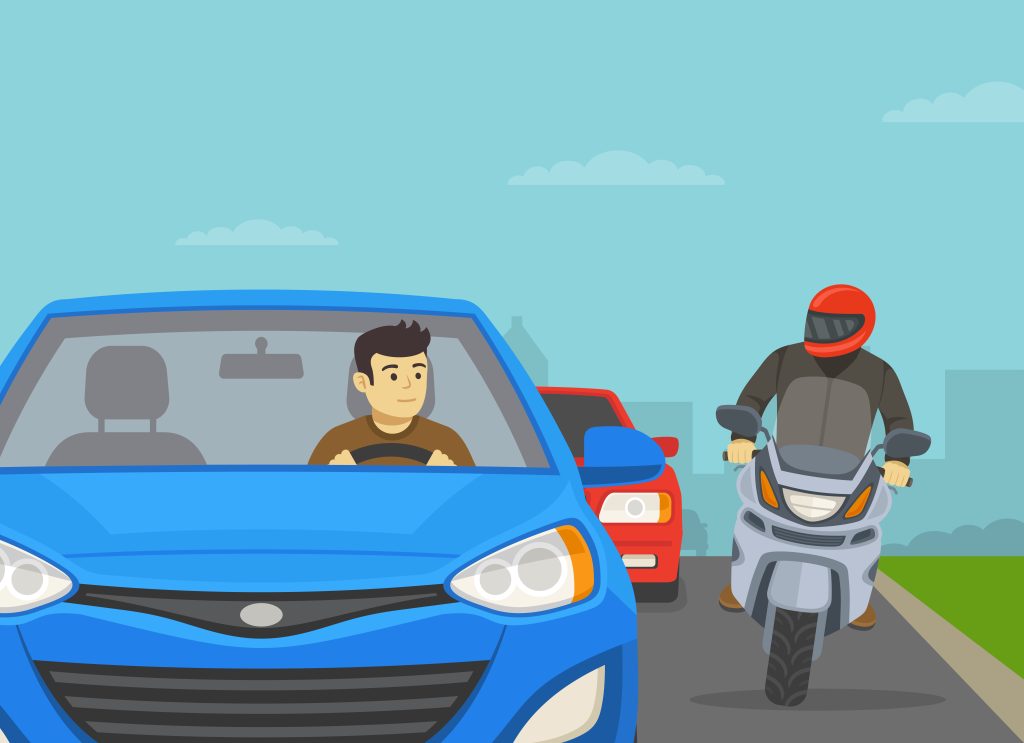
When overtaking a motorcyclist, always leave enough space. A passing vehicle creates wind and pressure changes that can unsettle a bike, especially if the road is wet, uneven, or has debris. Slow down, wait for a clear path, and only pass when it is safe. As a guide, leave at least a full lane’s width between your vehicle and the motorcycle so the rider has room to correct their line if needed. A few extra seconds of waiting can prevent a dangerous accident. Motorcyclists often filter through traffic, so stay alert to their movements.
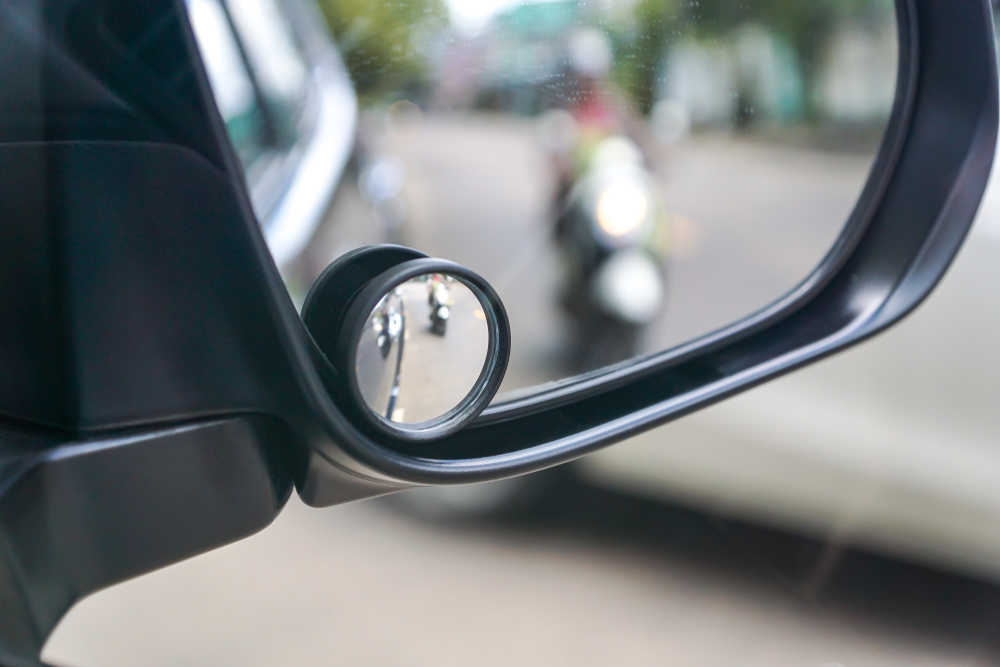
One common danger is when a car or truck turns left across the path of a motorcyclist or pedestrian on the nearside. Left turns are especially hazardous because vehicles cut directly across the path of oncoming or adjacent traffic moving straight ahead. Right turns are less risky since vehicles swing wider and stay more parallel to through-traffic. Always check mirrors and blind spots before turning, as riders and pedestrians may approach quietly and appear suddenly. Signal early so others know your intentions and have time to react. Large vehicles, especially buses and lorries, need to take extra care since their blind spots are bigger.
Don’t Overtake At Junctions
Junctions and roundabouts are high-risk areas. At junctions, drivers often misjudge gaps or fail to spot motorcyclists positioning for turns. Roundabouts create danger because motorcyclists need space to navigate tight curves and exit without being squeezed, and drivers find it hard to change lanes safely at speed. Many accidents happen when drivers try to overtake at these spots. The safe practice is to hold back until the junction is clear. By keeping behind, drivers give riders space and avoid sudden conflicts.
Night Visibility
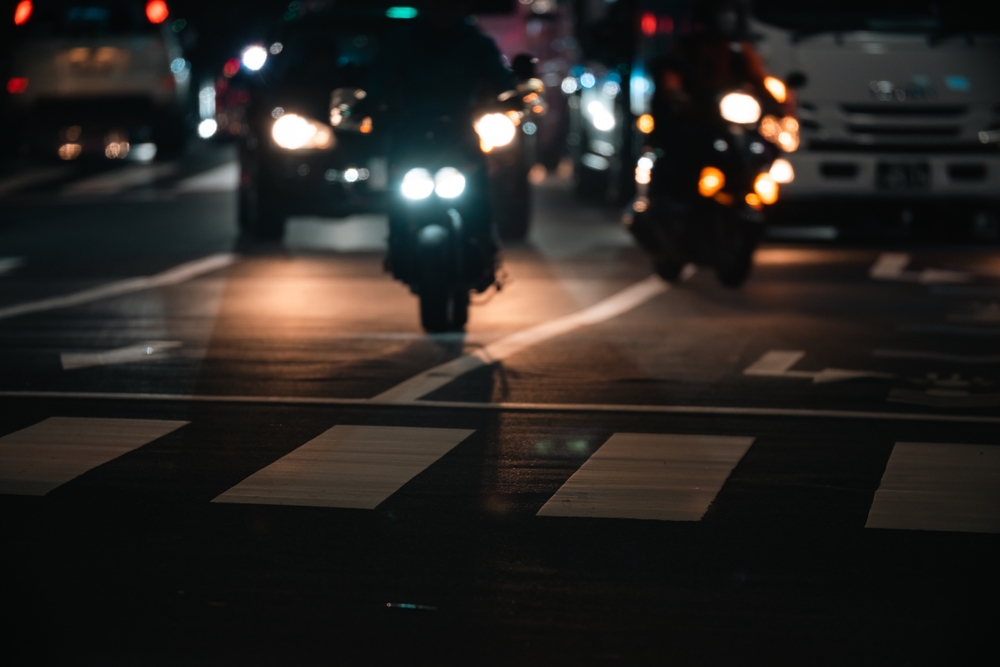
Motorcyclists are harder to spot at night, even with lights, because their profiles are smaller than cars and usually only have one headlight that makes it harder to judge distance and speed. Drivers should slow down once it gets dark. Motorcyclists are harder to spot at night, even with lights. Their profiles are smaller than cars. Use low beam headlights when approaching oncoming traffic or passing to avoid dazzling riders ahead of you. Look out for reflectors and movement at the edges of the road. Anticipating a late-noticed rider reduces risk. Look out for reflectors and movement at the edges of the road as anticipating a late-noticed rider reduces risk.
Speed And Patience
Many close calls come down to speed and impatience. Driving slower near motorcyclists makes a difference, as it doesn’t take much for a passing car to create drag that could destabilise a rider. A rider may not move as fast as you’d like, but aggressive acceleration or tailgating only adds danger. In 2025, speeding violations rose by 25.9% to 253,550 cases, even though speeding-related accidents fell by 5.9% and fatal accidents fell by 10.9% to 41 cases. The stricter 2026 fines also reflect how severe speed-related accidents can be, and why enforcement remains so important.
Pedestrian Crossings
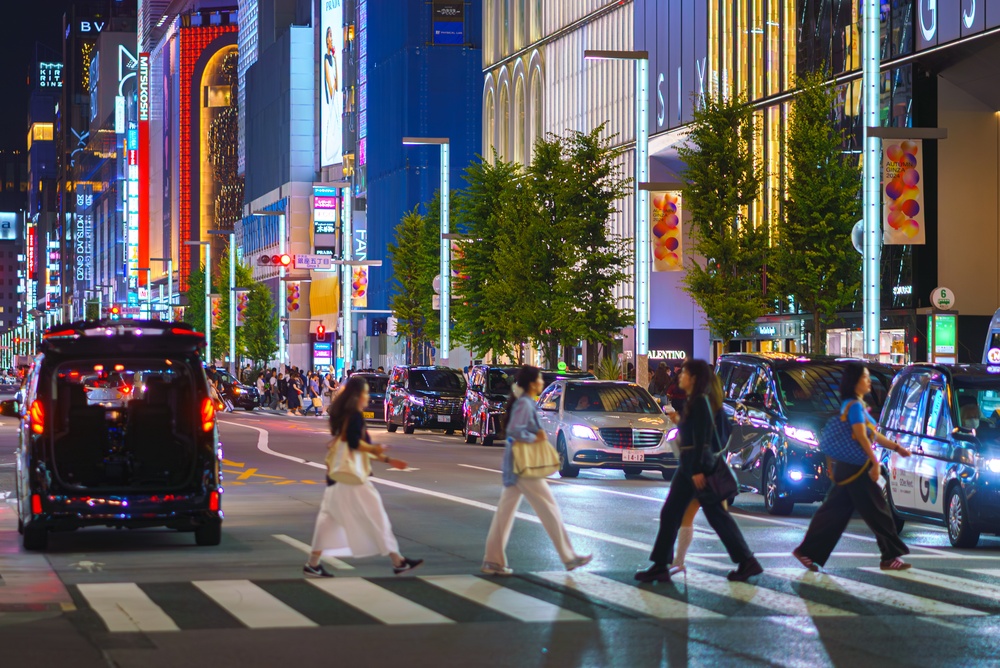
Drivers will often encounter pedestrians at zebra crossings and signalised crossings. Pedestrians are not always predictable because they may step out suddenly from between parked cars, cross against the light, or misjudge vehicle speeds. Some may jaywalk or hesitate mid-crossing. This unpredictability is especially dangerous for elderly pedestrians, who may take longer to cross or react slowly to oncoming vehicles. Elderly pedestrians were involved in 27 fatal accidents in 2025, up sharply from 11 the year before; that is a 145% increase. This means drivers must always approach crossings slowly, scan carefully for movement, and be ready to stop in time.
Staying Alert In Urban Areas
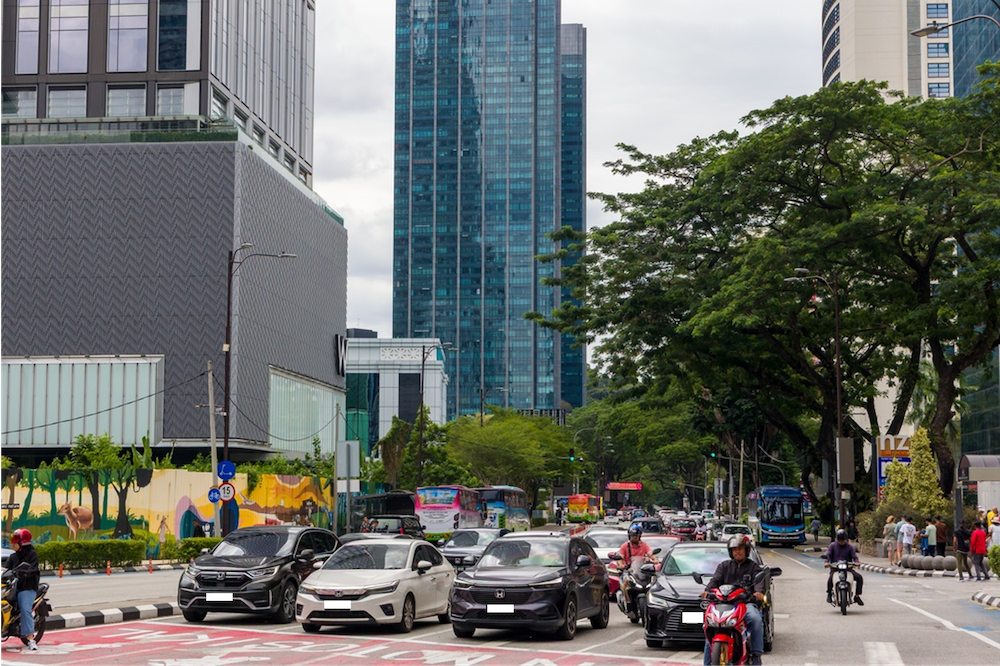
Urban roads are full of distractions. Dense traffic, constant lane changes, and competing sights and sounds demand full attention. Look out for motorcyclists filtering between cars during jams; their smaller size and ability to move faster through gaps make them hard to detect, especially if they slip into blind spots. Watch for pedestrians crossing suddenly from side streets or between vehicles. Staying focused is essential when riders and pedestrians mix closely with cars. Anticipate sudden swerves or stops when motorcyclists dodge hazards like drains, potholes, or debris that barely affect cars. Many of the accidents in 2025, over half, came down to drivers, riders, or pedestrians not keeping a proper lookout, even for just a moment.
The Role Of Infrastructure
Safer pedestrian crossings and other road improvements are being added across Singapore to reduce conflict. But in dense or older neighbourhoods, upgrades take time, so drivers still need to keep a proper lookout and drive with care. Infrastructure can help, but it cannot replace safe driving. However, infrastructure alone cannot eliminate all risks, especially in dense or older neighbourhoods where upgrades take time. Even with perfect crossings and lanes, drivers must still keep a proper lookout and drive safely to avoid hitting pedestrians or motorcyclists.
Speeding and lack of attention cause many pedestrian accidents, no matter how good the infrastructure. Until these upgrades are complete everywhere, drivers remain the main line of defence for motorcyclist and pedestrian safety. These upgrades include better junction design, clearer pedestrian crossings, traffic calming measures, safer lane layouts, and clearer road markings.
Road Sharing in Action
Driving around motorcyclists and pedestrians is about responsibility. The law sets boundaries, but drivers who choose patience and care prevent harm. Every safe pass, every shoulder check at a junction, and every slowdown near a crossing makes a difference. Road space is shared space, and safety depends on all of us respecting each other.
For Vulnerable Road Users:
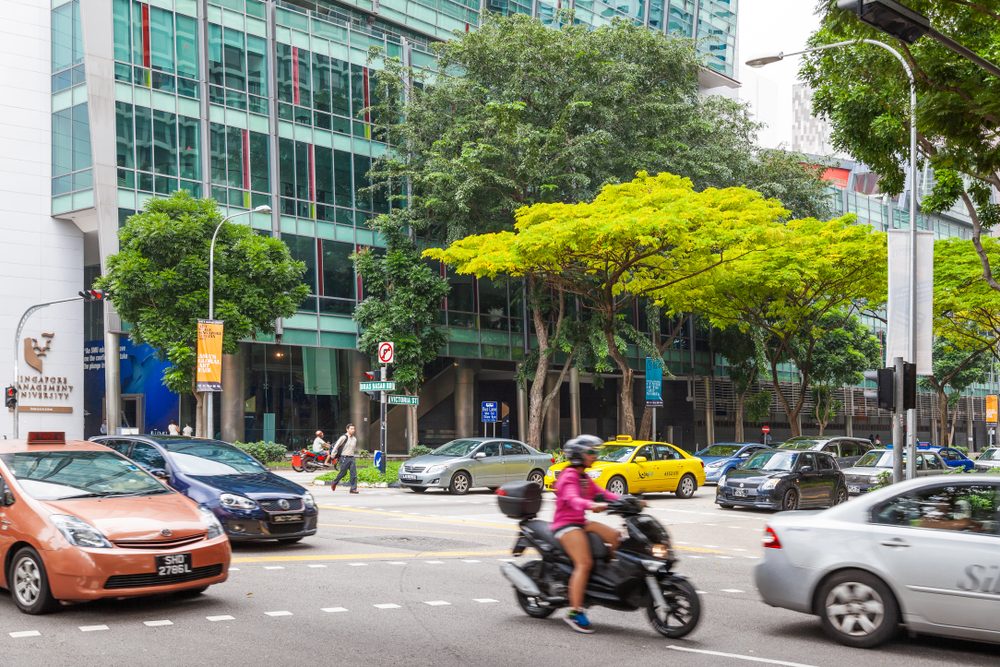
Motorcyclists, elderly pedestrians, and other vulnerable road users share the road too, and are among the most at risk when something goes wrong. Rules and codes of conduct apply under Singapore’s traffic framework. Following them helps keep movements predictable and safe for everyone, including drivers. When you obey signals, keep to designated paths, and stay alert, you make it easier for others to see you, react in time, and avoid accidents.
Safe Riding And Walking Rules
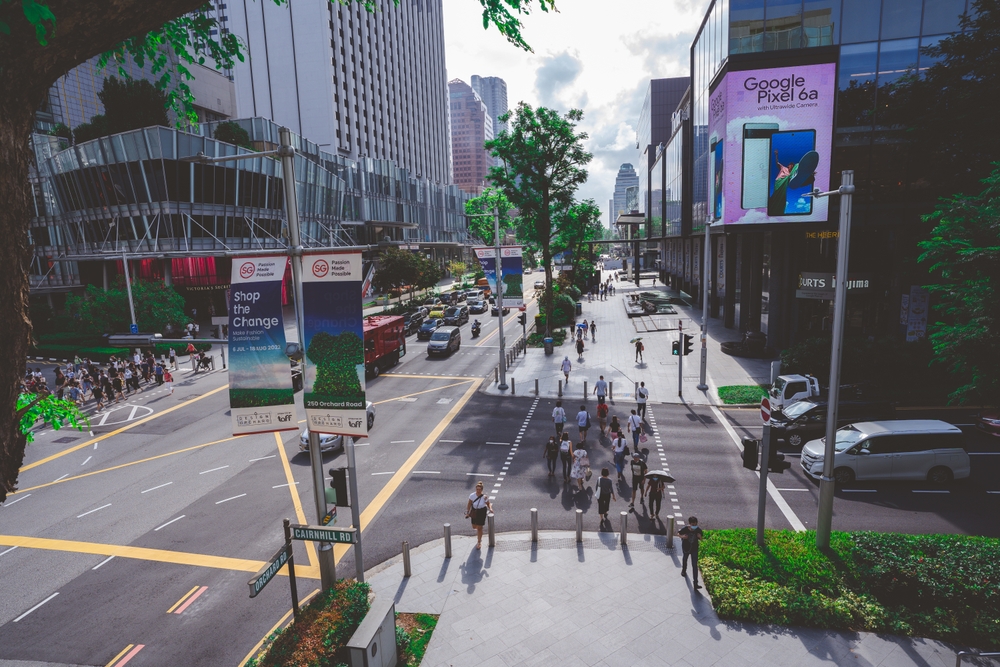
Riders on motorcycles and bicycles using public roads must follow the same traffic rules as motorists. This means obeying traffic lights, signs, and road markings, and travelling in the same direction as traffic. Wear helmets and protective gear. Ride as close as practicable to the left and allow vehicles to overtake safely. Never ride in blind spots of large vehicles such as buses and lorries. Avoid using mobile phones while riding. When riders follow these rules, drivers can predict their movements, and everyone has more time to react and avoid crashes.
Pedestrians must use crossings where available and look both ways before stepping onto the road. Elderly pedestrians should be especially cautious at busy junctions. In 2025, 15 of the 27 fatal pedestrian accidents involved jaywalking, with elderly pedestrians making up 83.3% of those fatalities. This means always check for traffic, avoid crossing against red lights, slow down and prepare to stop at amber lights, and do not step out from between parked cars or buses.
Enforcement And Penalties
The Road Traffic Act has penalties for unsafe behaviour. A driver who hits a motorcyclist or pedestrian due to careless or dangerous driving can face fines, licence suspension, or jail. Riders and pedestrians can also be fined for ignoring rules, such as failing to stop at red lights or jaywalking. Speeding violations rose by 25.9% in 2025, even though speeding-related accidents fell by 5.9% and fatal speeding accidents fell by 10.9%. The stricter 2026 fines also underline how serious speed-related crashes can be, and why enforcement still matters.
Building Road Culture
Rules help, but culture matters too. Singapore is still building a culture of sharing the road. In countries with strong road safety traditions, mutual respect between drivers, riders, and pedestrians is the norm. Here, tensions remain, but every safe interaction builds trust. A wave of thanks from a rider or a driver slowing to give space makes daily travel smoother for all.
Everyone Wins with Shared Rules
Roads work when drivers, riders, and pedestrians know their roles. Traffic laws set clear lines for all. Stick to them, and small choices like safe passes or clear signals cut accidents. Singapore’s traffic is tight; respect keeps it moving.