

While living spaces in Singapore are getting smaller, they don’t necessarily have to lead to claustrophobia. Here are some interior design tips to trick your brain into believing that your abode isn’t that humble.
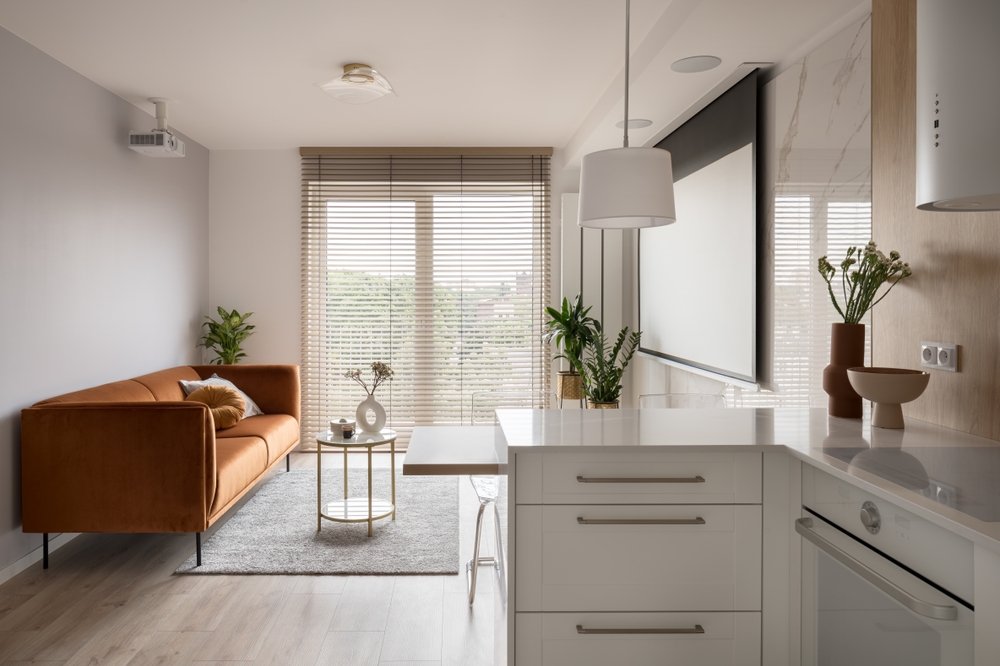
With an unenviable nickname of Little Red Dot, Singapore often has to grapple with space limitations. That’s why the city state doesn’t have urban sprawls; instead, buildings reach for the skies. Even then, residential units have been getting smaller over the years. For example, a 3-room HDB flat built in the 1980s is between 75 and 82sqm; the same type built in the 2020s is between 60 and 65sqm.
But your humble abode doesn’t have to feel claustrophobic. There are interior design tricks that can not only make your home appear larger, while maximising whatever space you have.
Colours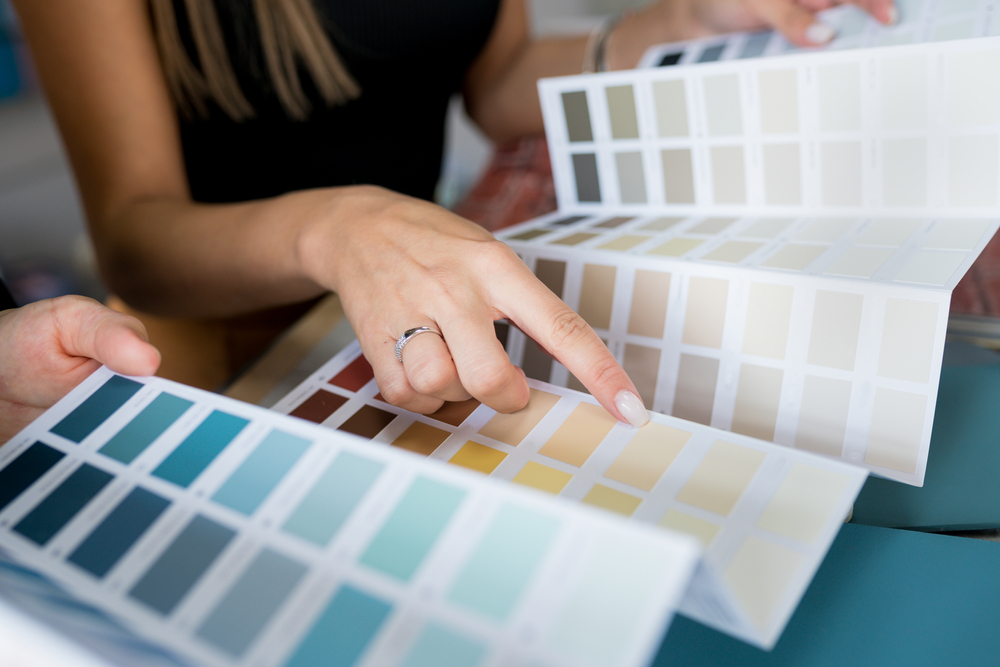
Light colours expand a room, while dark colours shrink it, so, apply light-coloured paint (white, beige, light grey) on the walls. Another trick is to make the ceiling colour lighter than the walls to make the room appear taller — this is especially important to balance the room if you decide to go for a richer or more intense colour for the walls. Painting the trim and walls in the same colour also helps to make the room feel bigger, though it won’t provide depth and dimension.
Floorings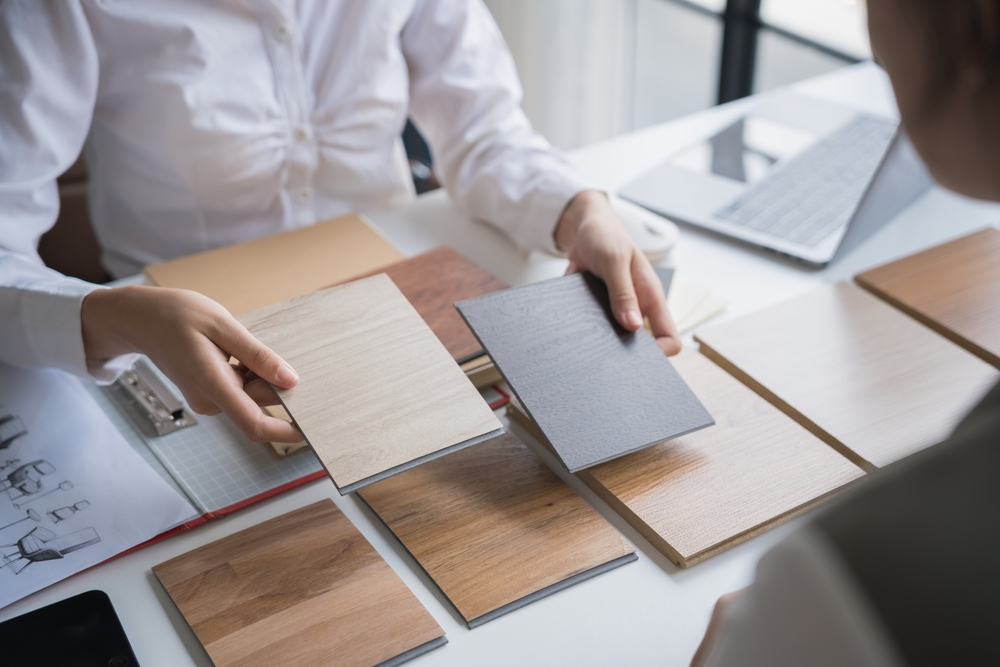
Have only one type for the entire space — the consistency will help to enhance the size of the room. Go for bigger formats to minimise visual breaks such as grout lines. It’s also a good idea to choose floorings that reflect light, such as light woods (pale oak, ash or beech) and polished/glossy materials (polished concrete, glossy laminate). These minimise shadows and blur the boundaries of a room, thus tricking the viewer into perceiving a larger space.
Alternatively, knock down all partitioning walls to have one giant living space. You can then delineate areas of different functions using different floorings; eg concrete in the foyer leading to your living room, wooden vinyl for the living space.
Mirrors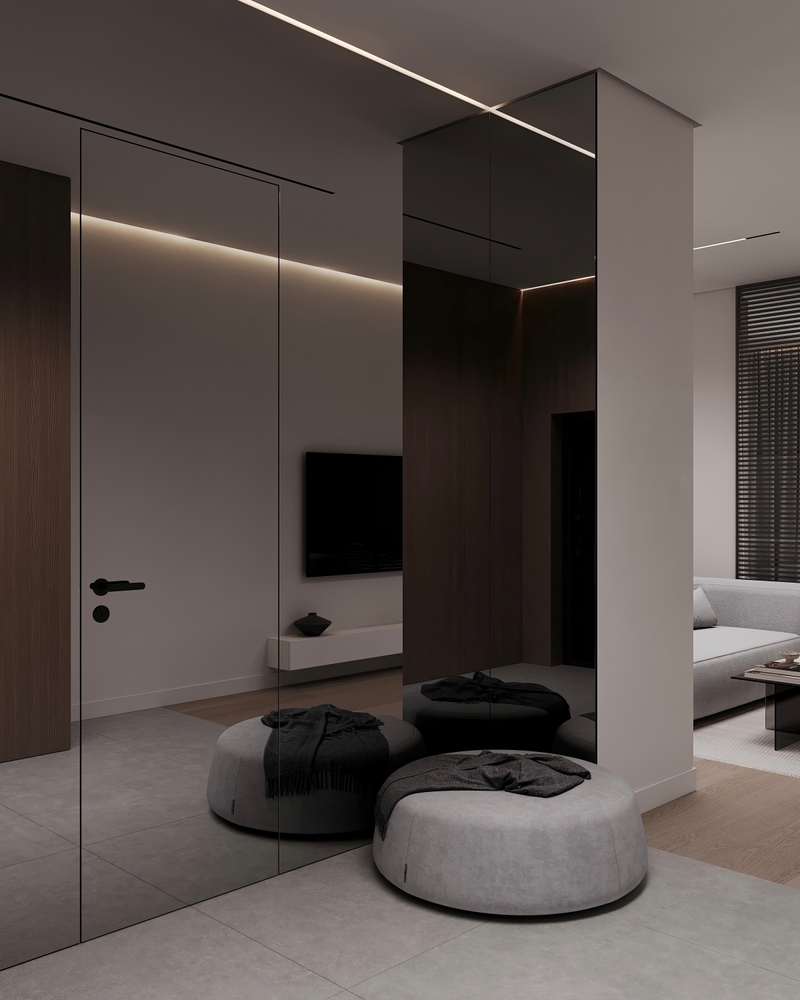
A well-positioned mirror (for example, opposite a window) can not only ‘extend’ a room in its reflection, but also brighten the space with reflected light, thus making it feel airier. You can choose to mirror an external view or a blank wall, but avoid mirroring a cluttered area as it emphasises the mess.
The mirror needs to be the right size too. There should be breathing space around the mirror, at least 5cm all around. Hanging height should be at eye level. Don’t go overboard and place too many mirrors — one large mirror usually works better.
Curtains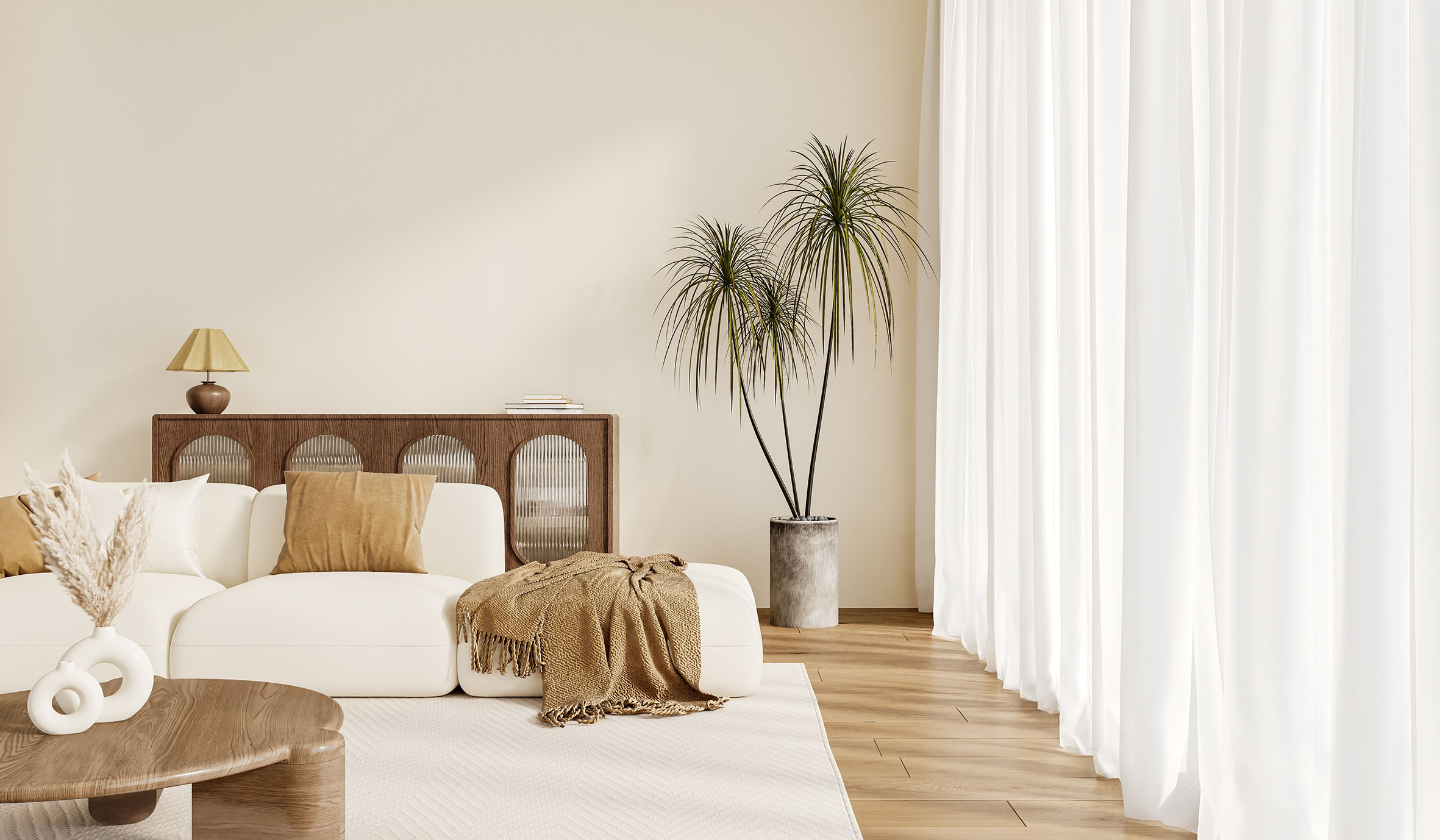
Curtains prevent one from looking beyond the space, so it’s best not to have them if you have a small apartment. If you must have them, keep them sheer and light.
Find a way to install the curtain so that the window is completely unobstructed when the material is pulled back. Hang curtains as close to the ceiling as possible and it should extend to the floor so there are no lines that cut the space, making the room look smaller. Likewise, extend the curtains beyond the window frames, ideally wall-to-wall.
If blackout is required, like in the bedroom, curtains can be layered with a blackout material so that the room can be darkened when needed, but airy and light most of the time.
Rugs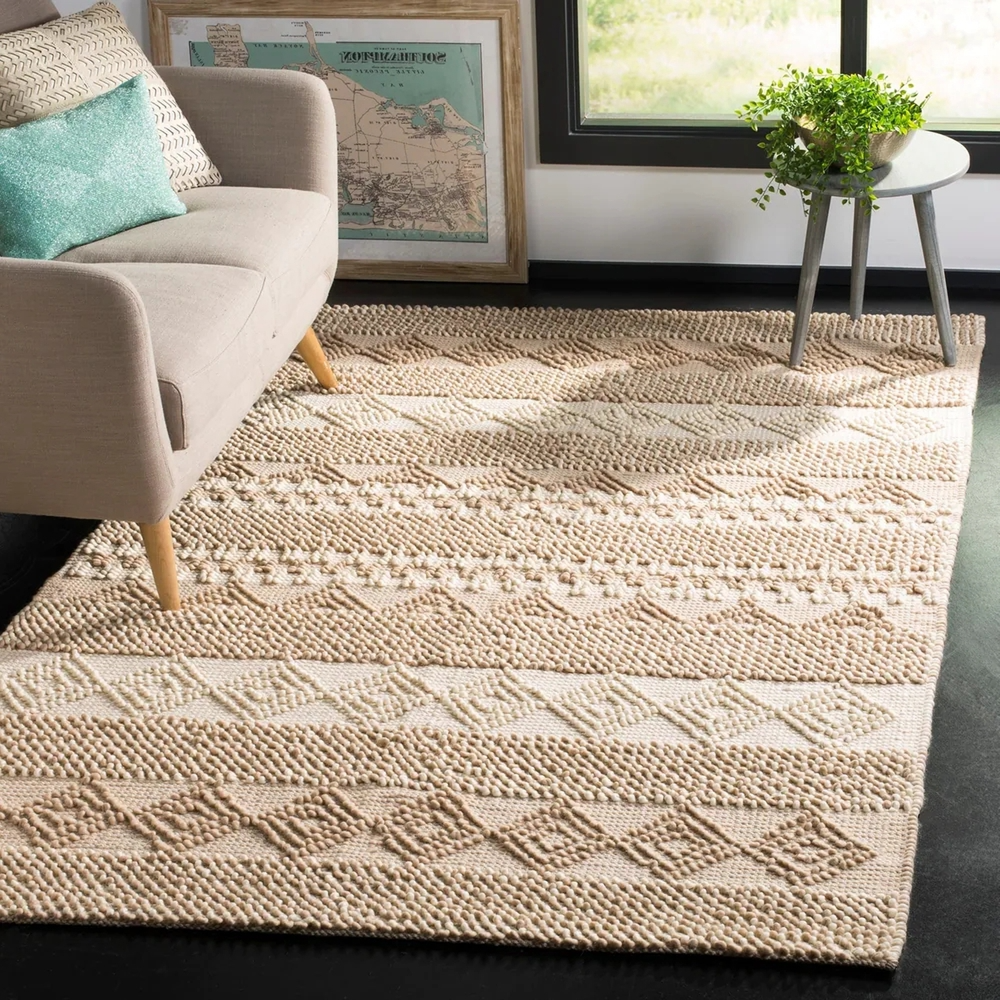
Like curtains, rugs aren’t the best things for small spaces. If you must have one, keep the weave and colour light, and the design simple, although it can have texture to it so that it doesn’t look too flat. As for the size, get a piece that’s large enough so that the front legs of the furniture in a room rest on it, and its edges are at least 30cm from the wall.
Lamps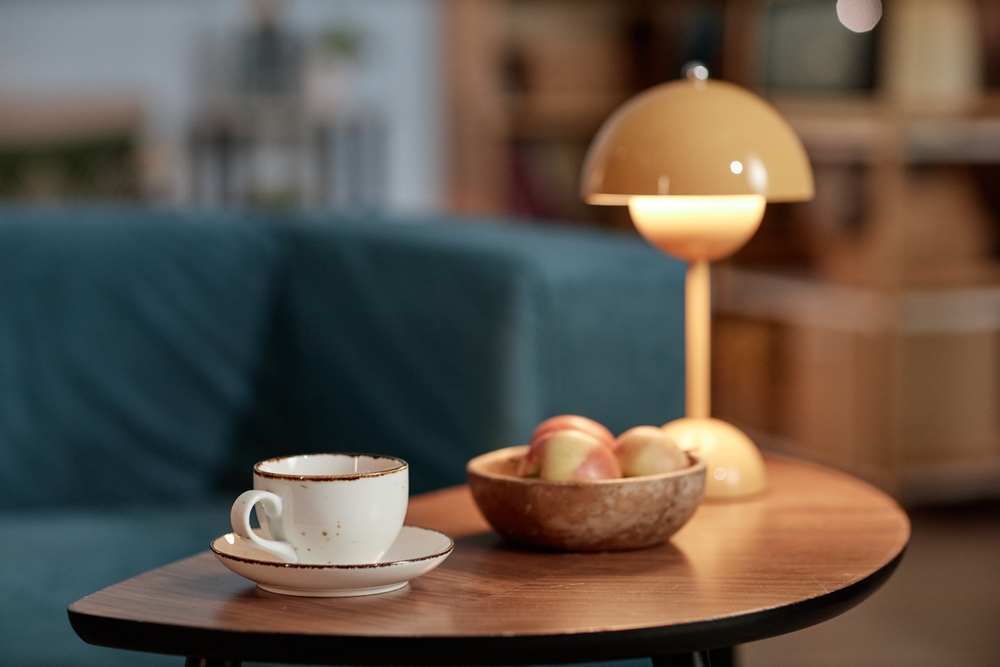
Start with ambient light for general lighting, then task light for specific areas, followed by accent light to highlight different spots. This mixture creates depth and makes your home more dynamic.
Ditch the floor-length lamps — they take up space. Instead, install space-saving wall sconces and under-cabinet lights. And avoid having only one central ceiling light.
Furniture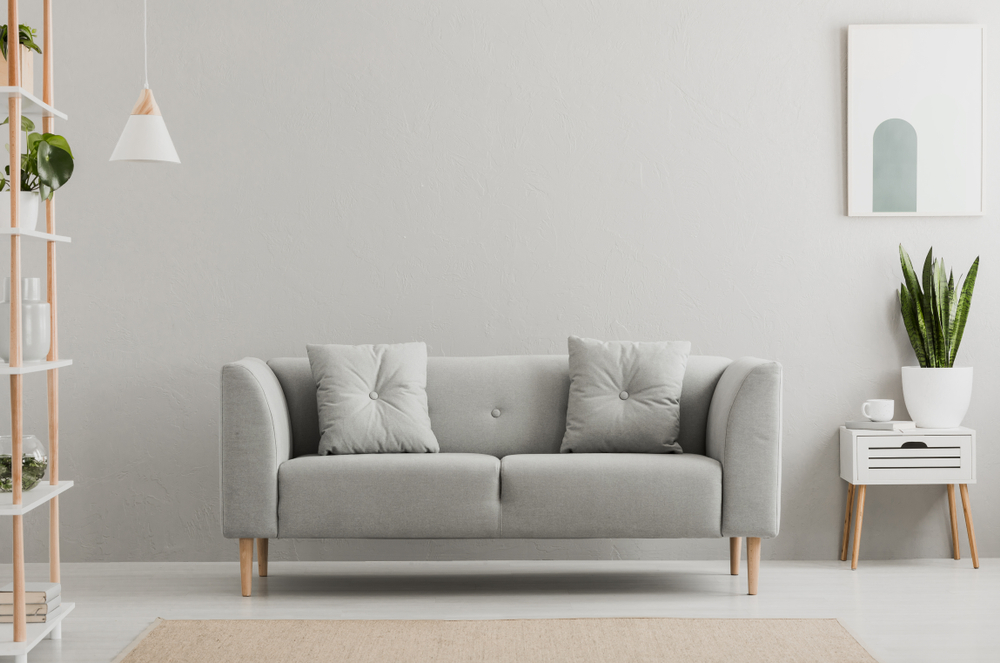
Forget your grandparents’ heavy, chunky rosewood furniture — you’d barely have space to even walk between the pieces if you put them in your tiny living room! Consider furniture that are slim enough to fit your limited space. Go for pieces that show legs — even the sofa should have short legs and not rest on the ground. It’s all about letting light through and revealing more floor space!
Other useful pieces for small spaces include drop-leaf tables, nesting tables, and foldable chairs. As for materials, go for transparent (acrylic, glass), reflective (glossy, metallic) or light-coloured (blond wood, natural fibres) material.
Storage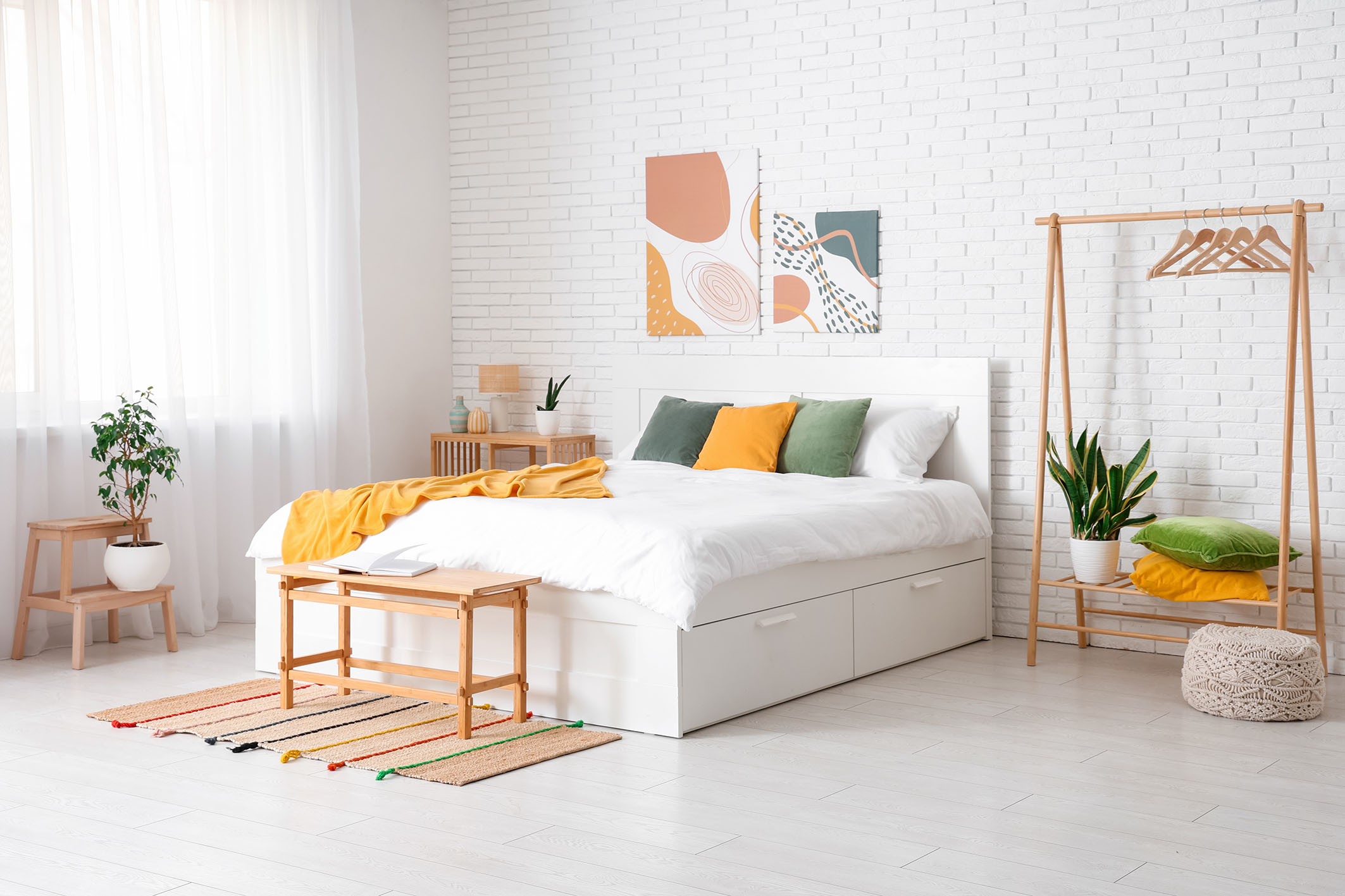
To save space, have floor-to-ceiling shelves/cupboards as much as possible. The open shelves can hold items that you use every day, while the cupboards can store everything else and reduce clutter. It’s also good to have a couple of units of only open shelves stacked vertically to draw the eye up and give the illusion of height. Also, consider multi-functional furniture (sofa beds, beds with drawers, ottomans with a storage space, extendable tables, etc)
Zones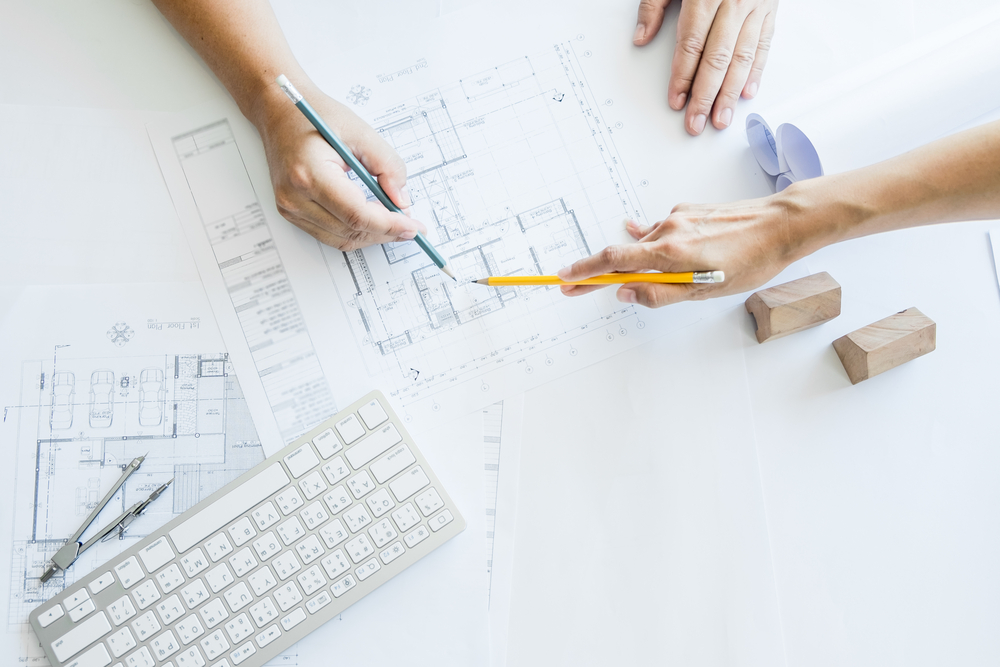
Group your furniture logically into zones for different activities (living, dining, working, sleeping, etc). You could use items like a rug or a screen to define areas, and use sofas or bookshelves to delineate zones. But make sure you also create pathways for ease of movement between zones.
Declutter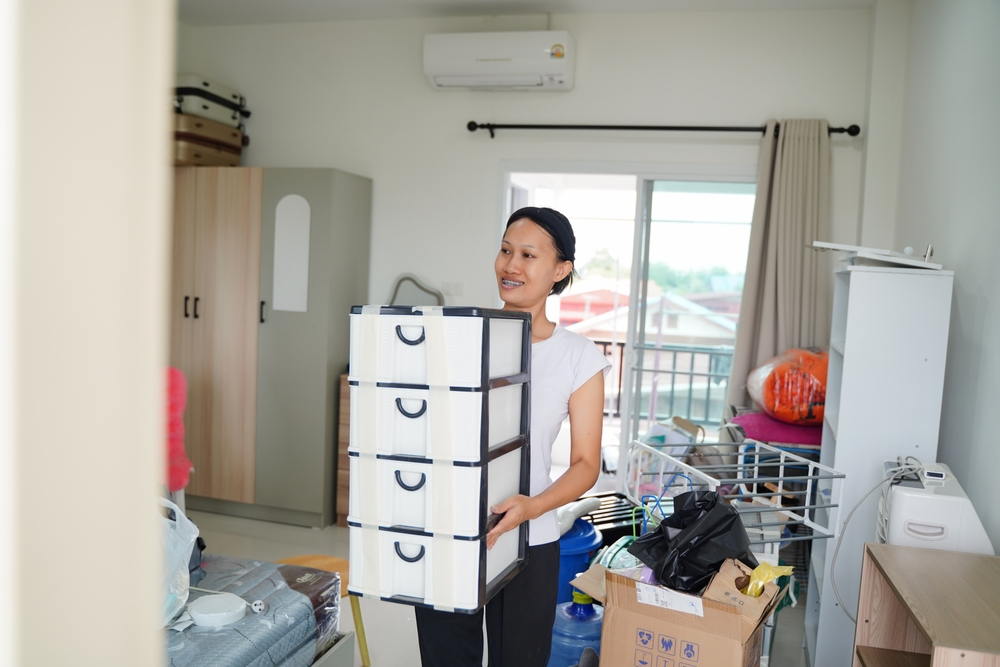
It’s important to be disciplined enough to put things away after use, as your small space can look messy with just a few things out of place. Ensure that you only keep the essential stuff. If you buy new stuff, it should ideally be to replace old stuff; think twice if you’re buying to add to your possessions.
Remember Marie Kondo and her KonMari method for decluttering that was such a hit a couple of years ago? If that method’s not for you, there are numerous others you can adopt, such as ‘1 in, 2 out’ and ‘Everything in its Place’. You may need to try a couple before finding one that suits your temperament and lifestyle.
No lack of ideas
As you can see, there are quite a number of tips and tricks that you can employ to make your tiny home appear larger. While carrying out home-improvement projects can be thoroughly satisfying, it’s best to consult an interior designer before you move in to have your space concerns addressed from the start.