

Asia has some of the most memorable train journeys in the world, from luxury sleepers that glide across deserts to slow local trains passing rice fields. These rides are not just a way to get from one place to another. They give travellers a closer look at landscapes, history, and daily life.
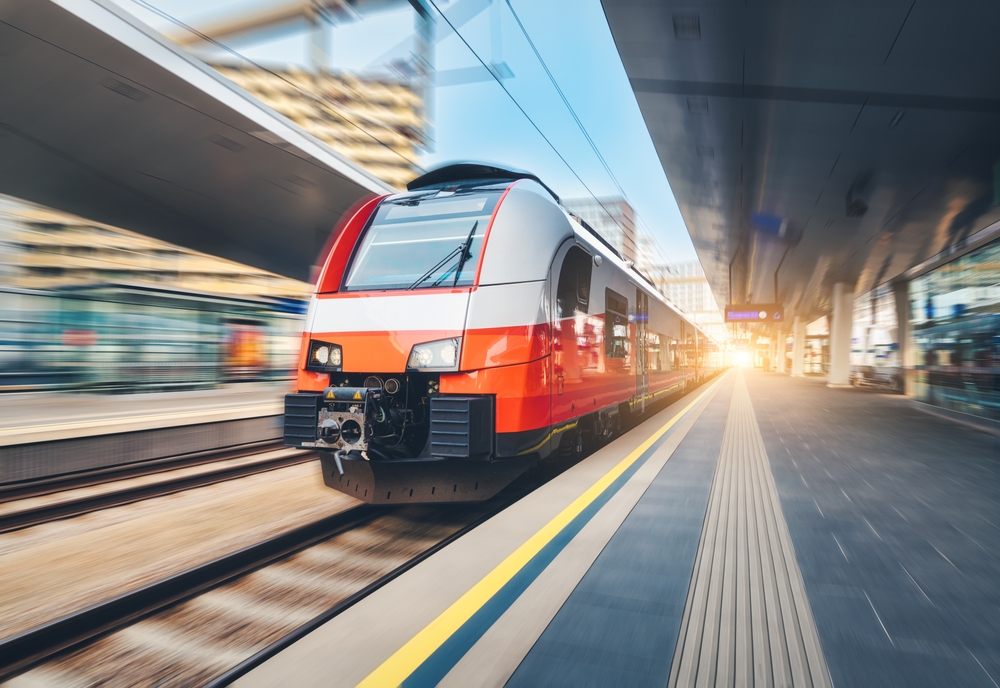 Travelling by train in Asia is never just about transport. The continent’s railways tell stories of colonial pasts, modern ambitions, and the rhythms of everyday life. Whether it’s a luxury sleeper cutting across countries or a rickety local ride through villages, trains open windows to cultures and landscapes you might otherwise miss.
The Eastern and Oriental Express, Southeast Asia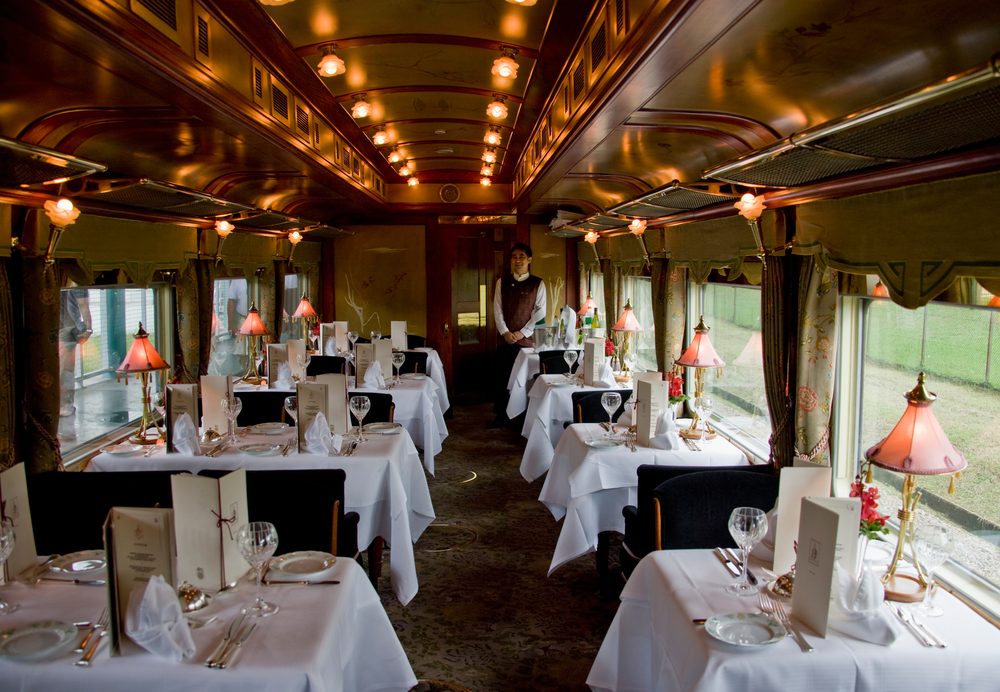
The Eastern and Oriental Express is one of Asia’s most iconic luxury trains. Since 2024, it no longer travels to Bangkok. It now runs round-trip journeys from Singapore, focusing entirely on routes within Malaysia, with prices starting from about US$4,650 per person for an entry-level Pullman cabin. The carriages were originally built in Japan and later refurbished in Singapore, keeping an Indochina-inspired look with wood panelling and classic details.
Today, the train offers a few main itineraries. Essence of Malaysia is a three-night journey from Singapore through Kuala Lumpur, Langkawi and Penang, mixing time on board with island visits and cultural tours in George Town. Wild Malaysia runs three nights from Singapore into the jungle heart of Taman Negara before continuing to Penang, with a focus on wildlife and nature experiences. Seasonal festive or celebration runs sometimes add extra departures along the same west coast route.
On board, you get wood-panelled cabins, a piano bar for evening drinks, refined dining cars serving Asian and Western dishes, and modern touches like Malay batik fabrics in the decor. It is less about getting somewhere fast and more about settling into slow, scenic travel through Malaysia’s countryside.
Operator: Belmond
🌐 Official website: https://www.belmond.com/trains/asia/eastern-and-oriental-express/about
Qinghai–Tibet Railway, China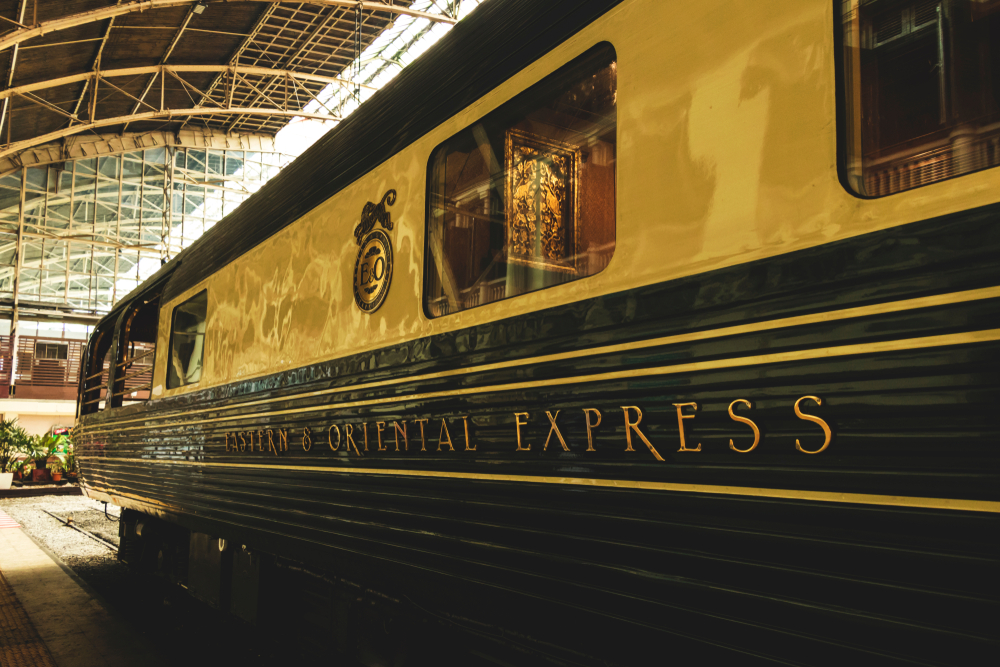
The Qinghai–Tibet Railway is the highest railway line in the world, and it stands out as a serious engineering gamble that many once called impossible. The hardest part was not the height alone, but the ground itself. Engineers had to build a track across permafrost and fragile plateau terrain, where thawing and shifting earth can wreck a rail bed if you get it wrong. That “can’t be done” problem is a big part of why the line still carries so much weight in China’s modern infrastructure story.
Minimum fares depend on route and class, but the classic Xining–Lhasa run is the core journey most people take. Other key routes link Lhasa with big cities like Beijing, Shanghai, Guangzhou, Chengdu, and Chongqing, all funnelling onto the same high plateau line between Xining and Lhasa. The cheapest way to do the Xining–Lhasa leg is usually a hard seat, with some operators listing this from around CNY 224 (about US$32), and hard and soft sleepers costing more. Most travellers choose a sleeper because the trip is long and the altitude can leave you drained, even if you felt fine at lower levels.
Inside the carriages, the standout feature is the oxygen support. The train is designed for high elevation travel and has oxygen supply available for passengers, including a system that enriches oxygen in the carriage air and individual outlets for direct use if needed. Several sources note that oxygen enrichment is typically switched on after the train reaches Golmud, as the line climbs into higher-altitude plateau sections, and passengers can also use individual ports in cabins or near seats. That “it changes depending on where you are on the track” detail matters because the train doesn’t need the same support at lower elevations, but it does once the climb begins.
🌐 Official website: https://www.china-railway.com.cn/en/
Maharajas’ Express, India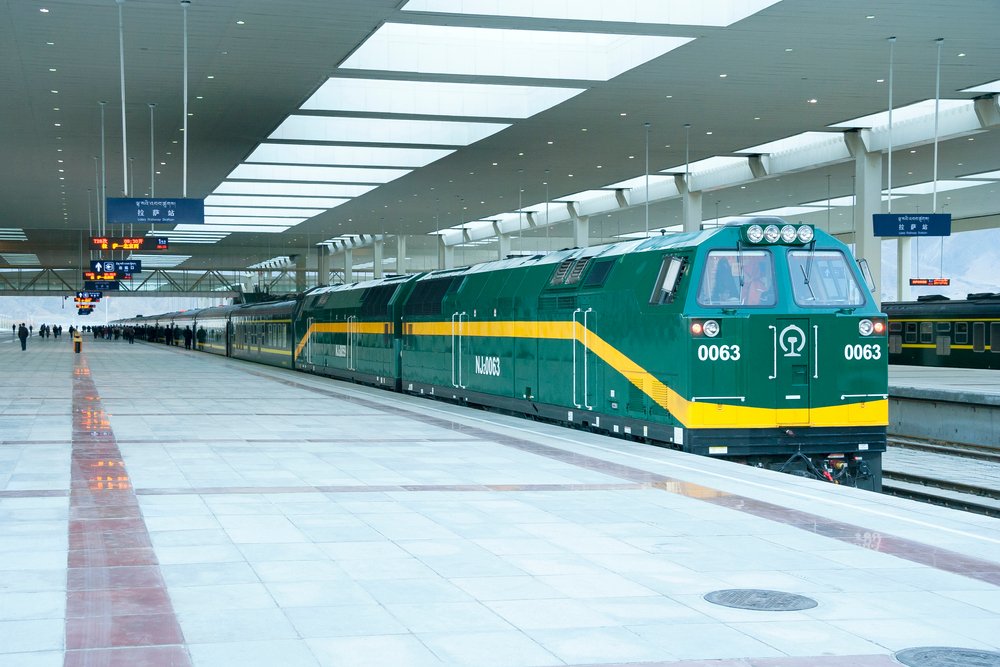
India is home to some of the most beautiful train rides, and the Maharajas’ Express is its most extravagant. Often called a “palace on wheels,” it has suites, restaurants, and bars on board. Routes differ, but most of them pass through Rajasthan, with stops at forts, markets, and desert towns. The train recreates the journeys once taken by Indian royalty. While its price is high, the ride itself is a reminder of the grandeur and traditions of the past.
The dining cars, Rang Mahal and Mayur Mahal, serve Indian, Continental, and other cuisines with fresh ingredients prepared by experienced chefs. Each restaurant seats 42 guests in themed decor. Personalised meal plans are available for special diets like vegan or gluten-free.
The train offers four main packages:
- Treasures of India (3 nights/4 days, Delhi-Agra-Ranthambore-Jaipur-Delhi),
- Heritage of India (6 nights/7 days, Mumbai-Udaipur-Jodhpur-Bikaner-Jaipur-Ranthambore-Agra-Delhi),
- Indian Panorama (6 nights/7 days, Delhi-Jaipur-Ranthambore-Agra-Orchha-Khajuraho-Varanasi-Delhi), and
- Indian Splendour (6 nights/7 days, Delhi-Agra-Ranthambore-Jaipur-Bikaner-Jodhpur-Udaipur-Mumbai).
Minimum prices for 2026 start at around US$4,900 per person (twin share in Deluxe Cabin for shorter routes like Treasures of India).
🌐 Official website: https://www.themaharajas.com/maharajas-express
Additional info: https://www.irctctourism.com
Darjeeling Himalayan Railway, India
In contrast, the Darjeeling Himalayan Railway offers a very different experience. Built in the late 19th century, this narrow-gauge “toy train” climbs from the hot plains of West Bengal to the cool hills of Darjeeling. The ride is slow, sometimes barely faster than walking. But it is rich in atmosphere. The train passes tea plantations, small villages, and mist-filled valleys. It is also a UNESCO World Heritage site, recognised for its engineering and history. This train captures the essence of India’s hill stations and the slower pace of life.
Inside, it is basic. No luxury here. Expect wooden benches, open windows, and simple steam engines on some runs. First-class cars have padded seats and better views, but most rides are in unreserved second-class with crowds and vendors selling tea and snacks. No onboard dining or bars. It is a local train at heart, not a plush ride.
Packages include steam safari trips from New Jalpaiguri to Darjeeling (about 88 km, 7-8 hours) or shorter joyride loops. Tickets start low at around INR 60 (US$0.70) for second-class unreserved. First-class or steam specials cost INR 1,000-3,000 (approximately US$12-36). Book ahead for heritage runs.
🌐 Official website: https://dhr.indianrailways.gov.in
Mandalay to Hsipaw, Myanmar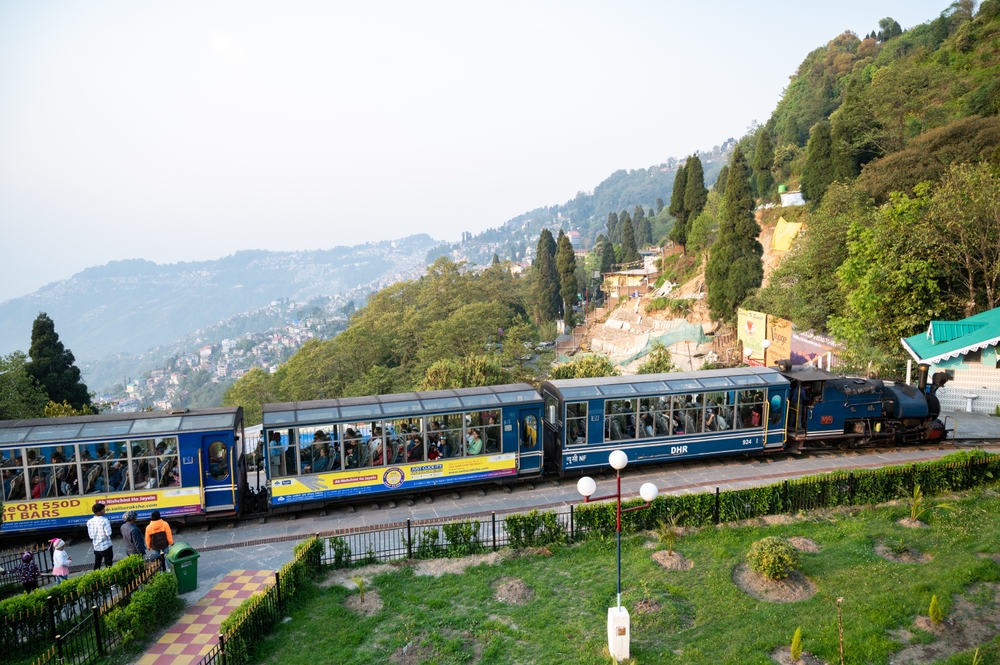
In Myanmar, the train from Mandalay to Hsipaw is a rough but scenic journey. It takes about 11 to 12 hours to cover 200 kilometres. The highlight is crossing the Goteik Viaduct, the longest railway bridge in Myanmar, at nearly 100 meters above a gorge. Engineers built it during British colonial times and it remains one of the most striking railway crossings in the world.
Hsipaw draws foreign visitors for trekking in the nearby mountains. The town has basic facilities like guesthouses and eateries. The train itself is simple, with wooden benches in ordinary class and cushioned seats in upper class. Fans run when power works. There is no dining car on board, so be sure to come prepared. Locals typically bring picnics on board, although street food vendors come into the train at every stop.
Tickets cost little. An ordinary class runs about 1,700 kyats (around US$1.30). Upper class is 3,950 to 5,550 kyats (US$3-4). One can buy a ticket at the station on the day of or the day before. There is no online booking available. What makes the ride memorable is the engineering marvel and the glimpse into rural Myanmar.
🌐 Official railway information: No central website, but info is at http://www.myanmartrains.info/
Hanoi to Saigon (Reunification Express), Vietnam
Vietnam’s long coastal route from Hanoi to Saigon by train is a classic. The Reunification Express runs for more than 1,700 kilometres, linking the north and south of the country. The full trip takes 35 to 37 hours, depending on the train. Popular sections include the stretch between Hue and Da Nang, where the train curves along the mountains with the South China Sea below.
Coaches are basic but comfortable. Facilities include air-conditioned cars, fans in some seats, and a snack trolley that sells simple meals like rice dishes or noodles. Hard sleepers have six berths per compartment with thin mattresses and basic bedding. Soft sleepers offer four berths per cabin, more space, better mattresses, a small table, and usually a privacy curtain, but this isn’t guaranteed on every train. Both provide shared toilets.
Hard seats start at VND 600,000 (US$24), and are only offered for short journeys. Soft seats target those on shorter journeys and day trains and are priced from VND 900,000 (US$36).
Hard sleepers run from VND 1,400,000 to VND1,600,000 (US$56-65). Soft sleepers are VND 1,900,000 to US$2,200,000 (US$76-88) for the full route.
It’s recommended to purchase tickets online, especially if your train ride is pivotal to your vacation. This journey shows the geographic and cultural diversity of Vietnam, passing fishing villages, beaches, and rice paddies.
🌐 Official website: https://dsvn.vn (Vietnamese); English info at: https://www.trainsoftheworld.com/vietnam-reunification-express
The Death Railway, Thailand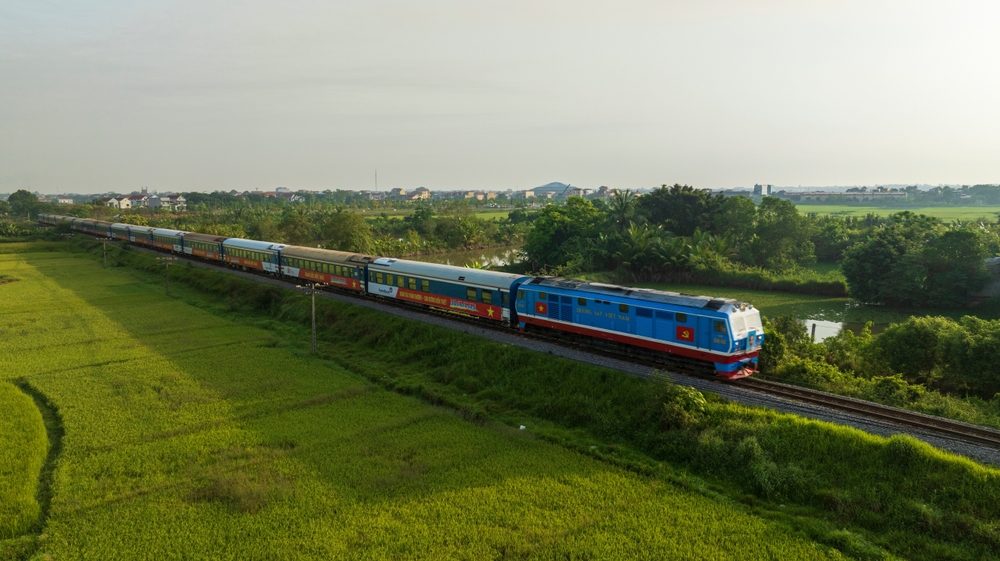
Though known for its tragic history, the “Death Railway” in Thailand, also called the Burma Railway, is one of the most powerful train rides in Asia. Built by prisoners of war during World War II, it cuts through dense jungle and along wooden trestles by the River Kwai. Today, it is a functioning passenger service, carrying both tourists and locals.
Only two trains run daily: one at 7:45 AM and another at 1:55 PM from Kanchanaburi. Tickets cannot be bought online or in advance. They can be purchased at the ticket office at the station – simply arrive at the station 30 minutes prior to departure. Tickets will not sell out, and there are several options nearby to grab breakfast and coffee. Many travellers stop at the bridges and war memorials nearby.
The train has only 3rd class carriages with fans and open windows. Free seating means you pick any spot, and it’s recommended to sit on the left-hand side, facing the direction of travel, for the best views after Kanchanaburi town. While the train is in motion, the open windows provide natural air conditioning, but delays can make it hot without the fan so be sure to prepare accordingly.
The ride is short but heavy with history. It puts into perspective the lives lost during its construction. Tickets cost about 100 THB (US$3) for the full 77 km run to Nam Tok.
🌐 Official website: https://www.railway.co.th
Hakone Tozan Railway, Japan
Japan is often associated with bullet trains, but smaller routes can be just as rewarding. The Hakone Tozan Railway climbs into the mountains near Tokyo, moving through forests and hot spring towns.
Key stops include Hakone-Yumoto with its onsen and shops, Miyanoshita’s historic hotel, Chokokunomori near the Open-Air Museum, and Gora for cable car connections. In the spring, cherry blossoms frame the tracks. Around mid-June, hydrangeas bloom along the line. In autumn, hills glow with red and gold leaves.
This line is one of the few mountain railways in Japan, with switchbacks that zig-zag the train upward. Trains run every 15 to 20 minutes from Hakone-Yumoto to Gora, about 40 minutes total. Hakone Freepass covers unlimited rides on the train, plus buses, cable cars, and ropeway which is good for back-and-forth trips within the area.
Day passes start at ¥5,000 (US$33) from Odawara, which are cheaper if bought in Hakone. Single tickets from Yumoto to Gora run ¥420 (US$2.80). The pace is slow, but the views and atmosphere make it worth the time.
🌐 Official website: https://www.hakone-tozan.co.jp/en/
Kandy to Ella, Sri Lanka
The train ride from Kandy to Ella is often called one of the most beautiful in the world. It takes about 7 hours to cover the distance. It’s recommended to sit on the right side between Kandy and Nuwara Eliya for the best views, then switch to the left after for the views. The train crosses tea plantations, tunnels, and bridges high above valleys. The best spot is the Nine Arches Bridge, where the train curves over a stone viaduct with forest views all around.
Carriages are open, and passengers hang out windows and doors to feel the wind. It is not a luxury. It is simple and slow. Tickets come in classes. Second and third classes are unreserved, so there is guarantee for a seat when it’s busy. The first class has reserved seats with more space. It is recommended to purchase reserved tickets at least one month ahead online or at stations as they sell out fast. Walk-ins get only unreserved second or third class.
Prices start low. Third class runs about LKR 190 (US$0.60). Second class is LKR 525 (US$1.70). First class reserved goes for LKR 2,350 (US$7.50). Unreserved means that you would have to stand if the carriage is full. The ride stays unforgettable either way.
🌐 Official website: http://www.railway.gov.lk/
Jakarta to Bandung, Indonesia
Indonesia’s line between Jakarta and Bandung is another memorable ride. The express train takes 30 to 50 minutes. They offer slower options like the Panoramic and Economy trains that run between 3 to 6 hours. Sit on the right side for better scenery. The train crosses rice terraces, tea plantations, and deep gorges. Though short, the journey shows varied landscapes of West Java.
Locals take the train daily. Seats fill with chat and snacks from onboard vendors. It is not as famous as Sri Lanka or India’s rides. Booking ahead is smart since trains get busy. Second- and third-class (fans and open windows) are standard across express and local trains from Kandy to Ella. First-class observation cars (air conditioning, panoramic views) run only on select express services, not on every slower train.
Tickets stay cheap. Economy class runs about IDR 50,000 (US$3.20). Executive class is IDR 100,000-150,000 (US$6.40-9.60). Panoramic sightseeing trains cost more, around IDR 300,000 (US$19). Buy online or at stations. It offers a raw glimpse of Indonesian life.
🌐 Official website: https://www.kai.id/
Why Trains Matter in Asia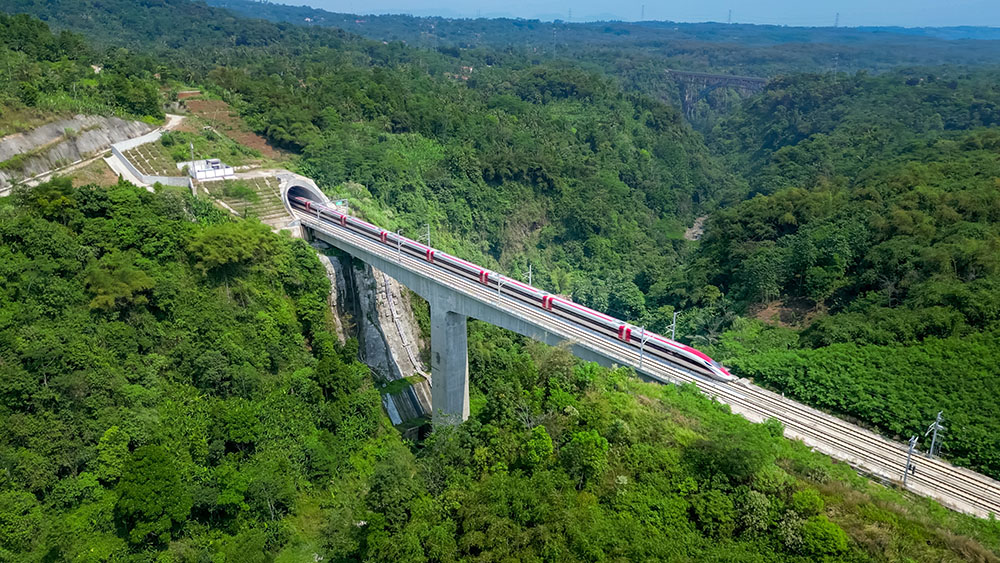
What makes train journeys in Asia so compelling is not only the scenery. Trains cut through rural areas, connect towns, and show life outside big cities. On a train, you see farmers working in fields, children waving near tracks, and mountain peaks from the windows. They are also social spaces where strangers share food, stories, or silence during overnight rides. In an age of fast flights and highways, trains keep alive a slower, more connected way of travelling.