

Car subscriptions let you have access to a vehicle for a monthly fee. While appealing in places where owning a car is prohibitively expensive, there are lingering doubts on this finance model’s value and fit for Singapore.
Owning a car used to be a rite of passage. The keys meant freedom, stability and comfort. However, for a growing number of drivers worldwide, the appeal of full ownership is waning. High costs, environmental concerns, and shifting lifestyles have created space for new models of mobility. One of the fastest-growing is car subscriptions.
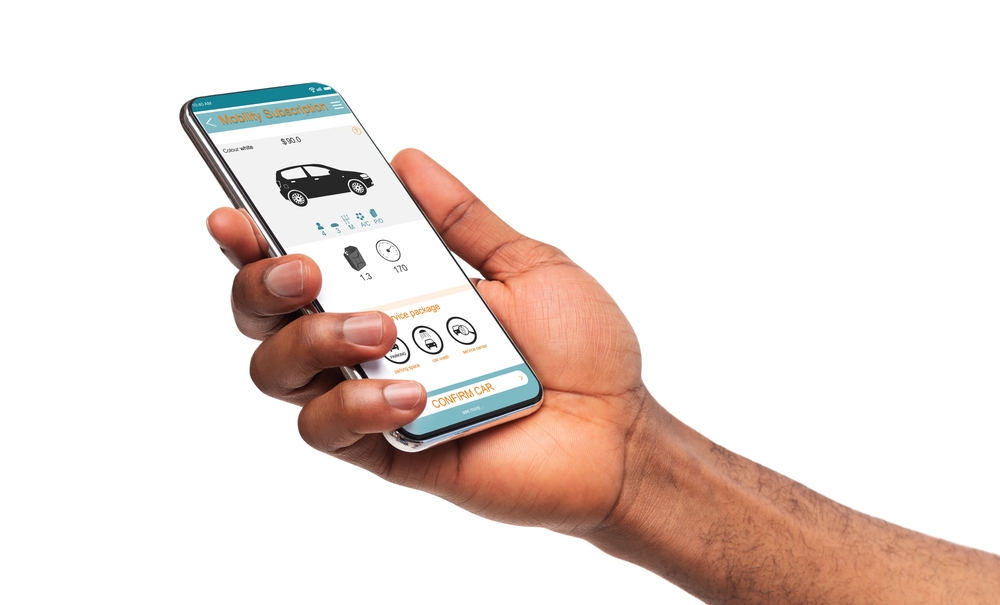
Car subscriptions are similar to streaming services. You pay a monthly fee, pick the car you want, and use it for as long as you need. You can switch, stop or upgrade without the headache of buying or selling. Maintenance, insurance and road tax are usually included, keeping costs predictable.
The Global Boom
The car subscription market was valued at about US$4.8 billion in 2024, and is expected to grow more than fourfold by 2035, according to Markets and Markets. Europe leads the way, with players like SIXT+, FINN and Care by Volvo expanding fast. Automakers have jumped on the bandwagon, offering direct subscription programmes rather than relying on dealerships.
This finance model has caught on with younger urban drivers, digital nomads, and short-term residents. The appeal lies in flexibility — the ability to move without being tied down to a multi-year loan or lease.
How It Works
You start by selecting a vehicle and subscription plan, which can run from one month to a year. Monthly fees vary widely, from around SGD 1,300 for compact models to more than SGD 4,000 for premium ones. The car is delivered to your home, fully insured and maintained by the provider. When you’re ready for a change, you can swap for another car or return it, no resale hassle involved.
Unlike leasing, which often has longer commitments, subscriptions focus on convenience. Many allow drivers to cancel or renew easily through an app. Some even include roadside assistance and replacement vehicles for breakdowns.
Singapore’s Version
Singapore’s interest in car subscriptions is shaped by its unique costs and regulations. With high Certificate of Entitlement (COE) prices and heavy upfront fees, owning a car can exceed $50,000 in the first year. Subscriptions offer relief from this steep entry barrier.
New entrants like ZipZap, launched in 2025 by GetGo, and Carasti are expanding fast. ZipZap offers models from the Suzuki Swift to the BMW X2, with six-month plans starting around $1,800 a month and no deposit required.
Carasti prices start from about $1,799 for a Mazda 3 and go up to nearly $3,000 for a Mercedes GLB. Both include insurance, servicing and doorstep delivery, keeping the focus on ease of use.
Costs & Comparisons
For someone who rarely drives, paying monthly might make more sense than buying a car outright. Over a year, a ZipZap subscription might cost $20,000 in total, compared to around $52,000 in ownership costs when including COE, insurance and maintenance.
But subscriptions have their limits. Most plans cap mileage, and you don’t build any resale value. For frequent drivers or those planning long-term ownership, buying could still be cheaper in the end. Subscriptions suit those between jobs, expats on a limited stay, or local families needing a second car temporarily.
Pros & Perks
A car subscription’s biggest draw is flexibility. Subscribers can change cars as their needs shift: a sedan this month, an SUV in the next. The fixed cost structure also prevents nasty surprises from sudden repairs or insurance renewals. For many in Singapore’s dense environment, convenience matters more than full ownership.
The sign-up process is simple and digital, which aligns well with city lifestyles. Some local services even partner with retailers or petrol brands to add small perks like discounts or reward points.
The Trade-offs
The main drawback is the cost over time. Subscriptions can add up if you keep them for many months. The number of models is limited, especially at lower prices, and mileage caps make them less practical for heavy users. Some providers charge for early returns, which cuts into the flexibility they promise. In Singapore, the challenge is value. With limited car choices and high monthly rates, the model fits a niche rather than the mass market.
Even from an environmental point of view, car subscriptions have both upsides and downsides. They can reduce the total number of vehicles produced, since each car serves more drivers over its lifetime. Some subscription fleets, like Carasti, are adding electric and hybrid models, which helps reduce emissions per user. However, the convenience could encourage more driving, which may cancel out some of those gains. In a city with reliable public transport, the greenest option still is not a personal car, but the MRT, bus, or bicycle.
In terms of safety and maintenance, subscription cars are usually newer and serviced on a regular schedule, and some providers promise replacement vehicles and 24/7 support, which reduces the risk of poorly maintained cars staying on the road, though issues can still occur and depend on how well each company actually follows through on its maintenance commitments.
The Road Ahead
Globally, the car subscription market is projected to grow by more than 30% annually through 2032. Technology, AI-driven pricing, and electric fleets will shape the next phase. In Singapore, growth depends on costs coming down and regulations adapting.
Subscriptions is unlikely to replace ownership or rentals completely, and probably carve out a permanent place between both these finance models. For drivers who want flexibility without commitment, though, subscription scratches the right itch. For everyone else, it’s another option in a city already rich with mobility choices.