

Festive overeating hits hard, but everyday foods can ease the bloat. This guide shares simple fixes to help you recover fast.
Picture this: Chinese New Year spreads with steamboat, pineapple tarts, and bak kwa. Then more house visits, yusheng, and late-night snacks. By now, your stomach is rebelling. Studies show that around 70% of people feel bloated after festive meals, and over half experience gas or indigestion during the holiday period. In Singapore, where the season brings rich curries, fried snacks, and sugary treats, nearly 60% report gut discomfort before the celebrations end. These stats come from gut health surveys.
After days of rich reunion dinners and endless snacking, that slow, heavy feeling isn’t just fullness, it’s your gut struggling to keep up.
These patterns show how festive feasts overload digestion: fat slows how quickly food leaves the stomach, sugar feeds bad bacteria, and late-night snacking triggers acid reflux. Over time, if the gut doesn’t have a chance to recover, it can affect more than comfort. Poor gut health links to fatigue, low immunity, and even mood changes because the gut is often called the body’s “second brain.” It produces many of the same chemicals that help regulate stress and happiness. Keeping it balanced keeps the rest of the body steady too.
Hydrate Smart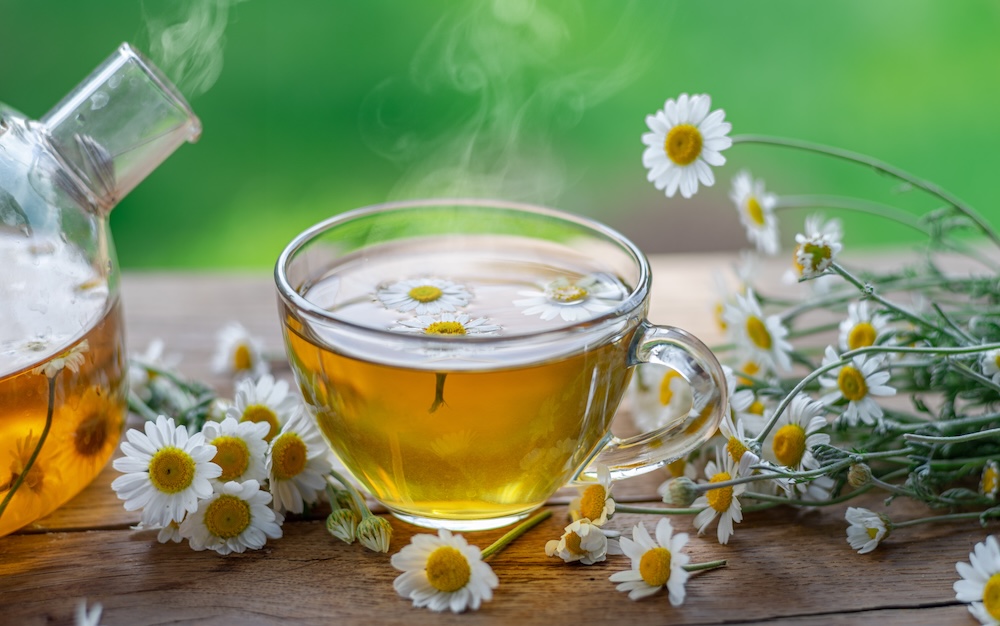
Water flushes salt and softens stools. Aim for 2 to 3 litres of fluid daily after a feast. And go for warm over cold to reduce cramps. Ginger tea settles nausea — add pandan for that hawker vibe. Peppermint or chamomile relaxes the gut. Sip between meals. One study notes ginger speeds stomach emptying by 25% — easy win after sambal prawns!
Build Fibre Slowly From Veggies
Fibre sweeps the gut clean. But ramp up slowly to dodge gas. Kailan, spinach and carrots do the job. Try stir-fry at tze char stalls. Chap chye soups pack gentle bulk, while sweet potatoes steady blood sugar. Vegetables cut the risk of constipation by 30% in recovery diets. Steam them plain for the best way to eat them.
Fruits That Digest The Damage
Slice some fresh fruit right after a protein-heavy meal. Papaya packs papain, which helps break down tougher meat proteins from feasts like hotpot, roast pork, or bak kwa. Pineapple brings bromelain, another enzyme that supports protein digestion and can ease that overfull feeling. Both fruits are easy to find in Singapore and fit naturally into Chinese New Year spreads, but it still helps to keep portions sensible, since they are usually added on top of many other sugary and rich goodies.
Apples and pears offer pectin, a type of fibre that helps firm up stools and ease loose ones. Berries feed good gut bacteria and add colour without weighing you down. These fruits work well in the days after big reunion dinners or house visits.
That said, not every fruit is ideal right after a feast. Very sour fruits, such as unripe mangoes or large amounts of citrus, on an empty, irritated stomach can worsen acid reflux or heartburn for some people. For those watching blood sugar during Chinese New Year, piling on very sweet fruits on top of soft drinks and desserts can add to sugar spikes rather than help with recovery. Keeping portions moderate and focusing more on fibre- and enzyme-rich fruits is a better way to support digestion rather than stressing it further.
Fermented Foods To Rebalance Bacteria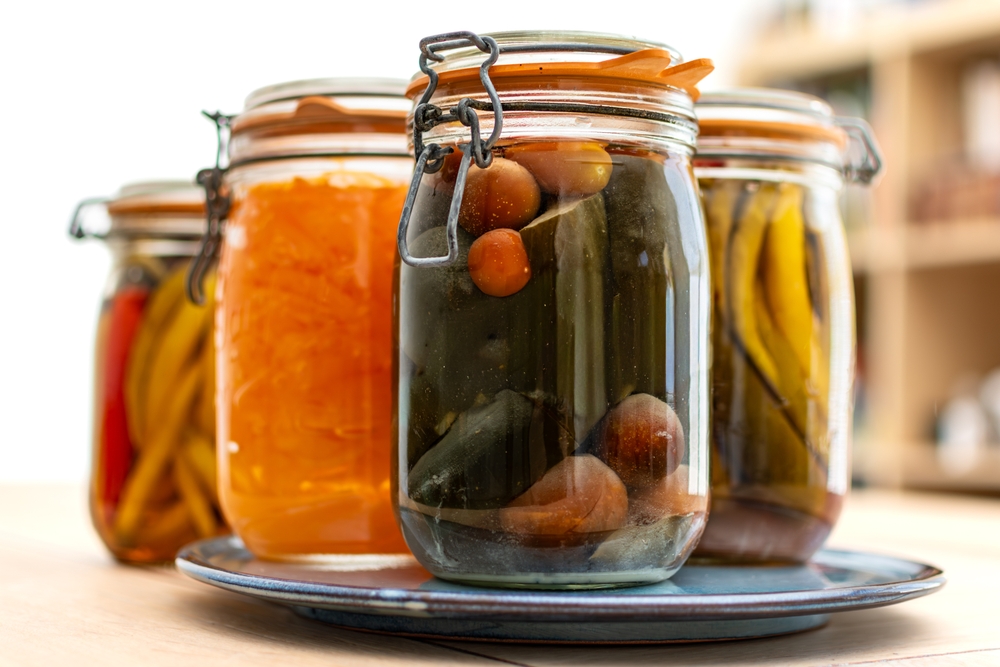
Probiotics help your gut recover after big feasts by restoring a healthier mix of bacteria. Yoghurt, with its live cultures, is an easy place to start, and works well as a snack or breakfast add-on. Kimchi pairs easily with rice, miso fits into soups, and tempeh cooks well in stir-fries or on the grill.
Choosing plain versions keeps added sugar low, and makes them more gut-friendly. Taken regularly, these fermented foods can help rebalance the gut within days, and many people report less bloating and discomfort after heavy meals.
Light Proteins For Quick Recovery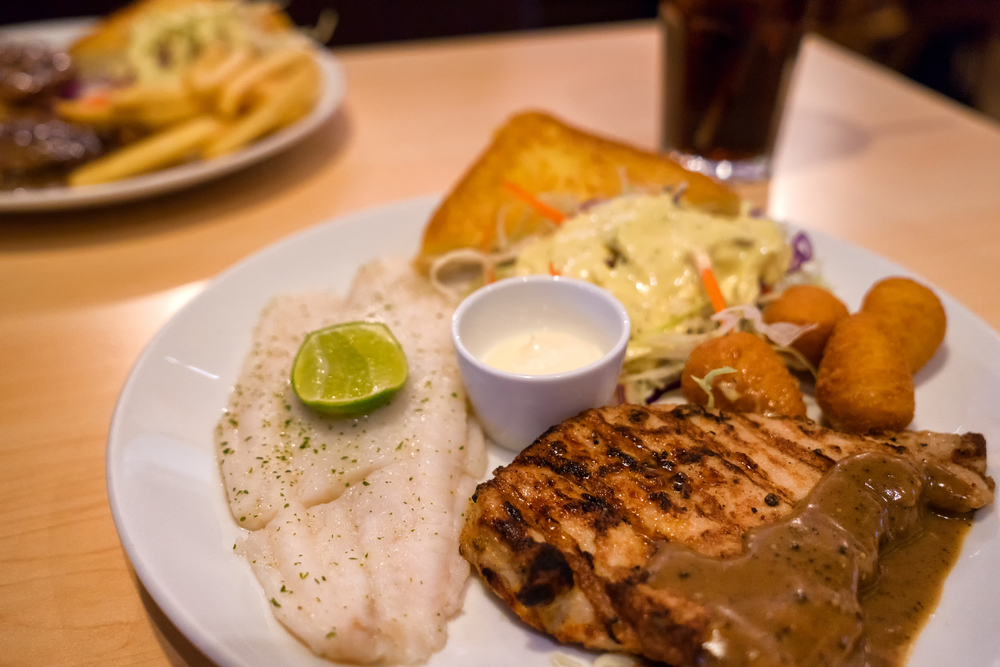
Fatty meats take longer to digest, and can worsen heartburn. Switch to lighter options like grilled fish, tofu, or chicken breast. Tau kwa (Chinese tofu) from mixed rice stalls is a solid pick too. Steam or grill them to keep fat low. Dhal lentils work well in soups or sides. They ease the load after heavy roast pork or curries. Lean proteins speed up digestion by about 20% compared to red meats, helping your gut reset faster.
Whole Grains Steady The Ride
Swap white rice and bread for whole grains to avoid sugar spikes and crashes. Brown rice or oats for breakfast work well. Quinoa fits if you want variety. Hawker stalls often have red rice options. The extra fibre steadies blood sugar and supports steady digestion. These choices promote regularity without overwhelming the gut. With them, your digestive rhythm returns faster after feasts.
Herbs Straight From The Kitchen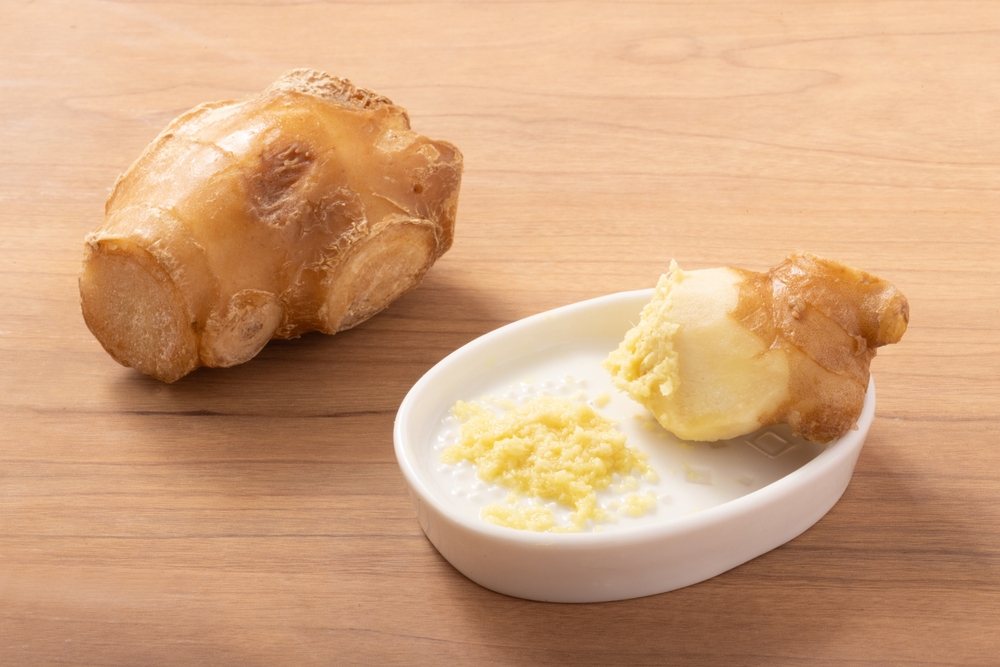
Grate fresh ginger into congee or tea. It settles nausea and speeds stomach emptying after heavy meals. Chew a few fennel seeds at the end of eating to ease gas. Sip peppermint tea if reflux does not bother you. Chamomile works too for calming the gut. These simple herbs and spices reduce discomfort quickly without the need for pills or fancy buys.
Soups and Congee for Rest Days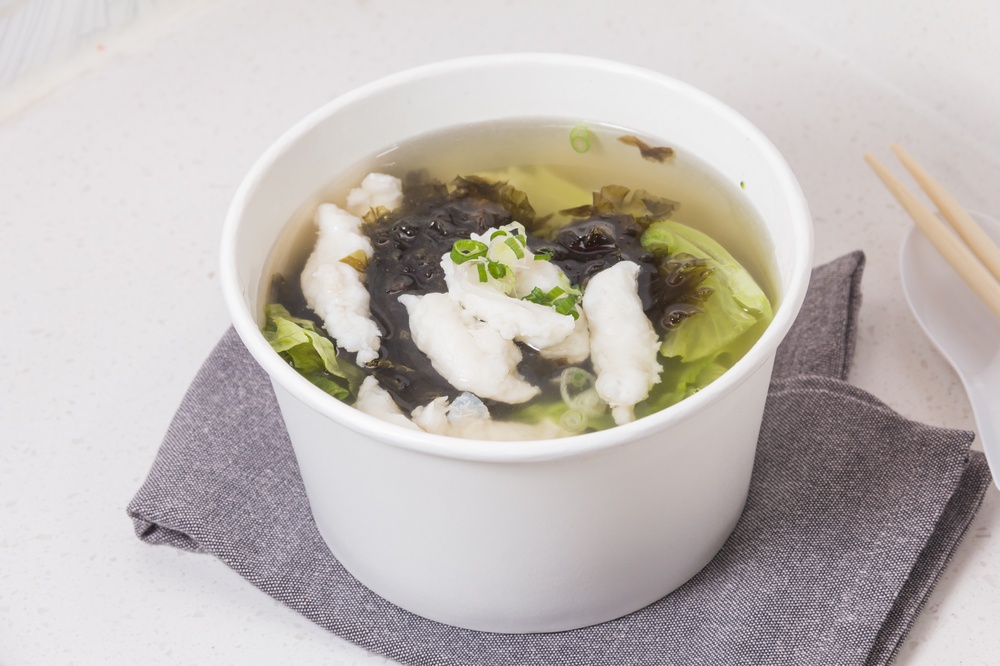
Clear fish soup hydrates while being easy on the stomach. Plain porridge with added tofu gives the gut a gentle break after heavy feasts. When you order fish soup or hawker chicken porridge, you can ask for less salt or less soy sauce to keep it lighter and more heart friendly. Toss in some vegetables for extra fibre without overloading your system. Broths like these can ease a good share of post meal discomfort when you sip them slowly and keep the seasoning simple.
Dial Back Without Drama
Cut back on fried food, creamy dishes, alcohol, and coffee for a few days, because they tend to prolong bloating and discomfort. Use smaller plates at the next gathering to avoid overload. There’s no need for extremes or strict rules. Just give your gut some space to recover.
Add Walks and Chew Habits
Taking a 10 to 30 minute walk after meals helps your body move food along the gut more quickly, which can reduce bloating and that heavy, stuffed feeling. Singapore has plenty of parks, park connectors, and walking paths, so fitting in a short walk after meals is usually quite doable, no matter where you live. Chewing slower and stopping when you feel comfortably full gives your stomach time to signal your brain, so you are less likely to overeat and overload your digestion.
Watch for Red Flags
Severe pain, blood in stools, or non-stop vomiting means see a doctor right away. People with IBS or other gut issues should plan feasts. Mild discomfort after a big meal is common and can show up as feeling very full, a bit more gassy than usual, slightly sluggish, or needing an extra trip to the toilet. These signs usually ease within a few hours or by the next day as your body digests the extra food.
More serious warning signs look different. Severe or sharp stomach pain, blood in your stools, black or tarry stools, chest pain, or non-stop vomiting are not just overeating and mean you should see a doctor right away. People with IBS, reflux, ulcers, or other gut conditions should also plan their festive eating and recovery more carefully and check in with a doctor if their usual symptoms suddenly worsen.
Wrap it Up Right
Festive guts usually bounce back with enough water, fibre, fermented foods, and lighter meals in the days after celebrating. In Singapore, it is quite easy to find these options at different price points, whether it is simple brown rice and vegetables from a mixed rice stall, a bowl of fish soup at a hawker centre, or yogurt and fruit from the supermarket.
With so many choices, resetting your gut does not have to feel difficult or expensive. The key is to be a bit more intentional about what goes on your plate, especially after big reunions and house visits. If you can balance enjoyment with a few of these gut friendly habits, you get to keep the fun of the feasts without dragging the discomfort into the rest of the year.