

There are numerous food items that can not only satisfy your craving and hunger, but also boost your immune system, thanks to the nutrients they pack.

So it’s true what Grandma has been advising you all these years — eating well can contribute to your health! A wide range of micronutrients (minerals and vitamins) and macronutrients (amino acids, cholesterol, fatty acids) have been demonstrated to positively impact the immune system.
Here are some foods that you can consume to boost your immunity as they contain a high proportion of these helpful nutrients. However, it’s important to remember that you should eat a wide variety of foods so that your body receives a range of nutrients — no single item can boost the immune system on its own.
Berries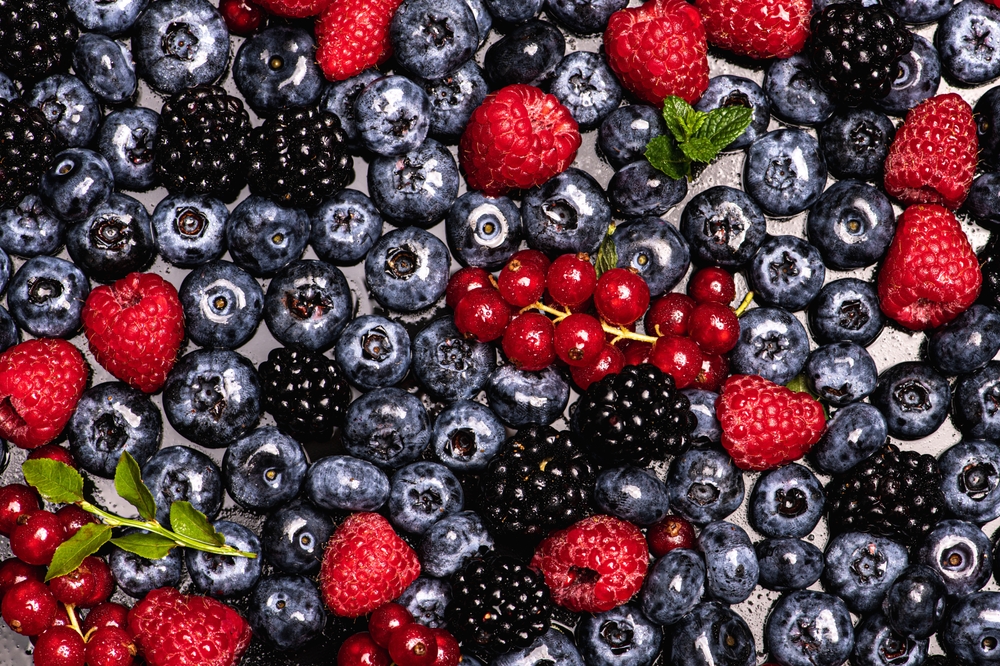
All types of berries — strawberries, blackberries, blueberries, raspberries, cranberries, blackcurrants — play an outsized role when it comes to benefiting the body’s various systems, including the immune system. This is because they are packed with vitamins, minerals and phenolic compounds.
A 100g serving of blackberries contains the following nutrients:
Calories: 43
Vitamin C: 35% of the Recommended Daily Intake (RDI)
Manganese: 32% of the RDI
Vitamin K1: 25% of the RDI
Copper: 8% of the RDI
Folate: 6% of the RDI
When it comes to vitamin C, strawberries are the bomb — a 150g serving provides 50% more than the RDI of the nutrient. Berries are also high in fibre, including soluble fibre. Fibre makes you feel full, so you tend to eat less, which is helpful for those who wish to lose or maintain their weight.
One adult portion is roughly 80g — about a handful of berries. Are there side effects from eating too many berries? Yes, you may suffer from gas, bloating or loose stools if you’re not used to the fibre content. People with diabetes, prediabetes or fatty liver should not overdo the berries because of the high fructose content, which could worsen their condition.
Green Leafy Vegetables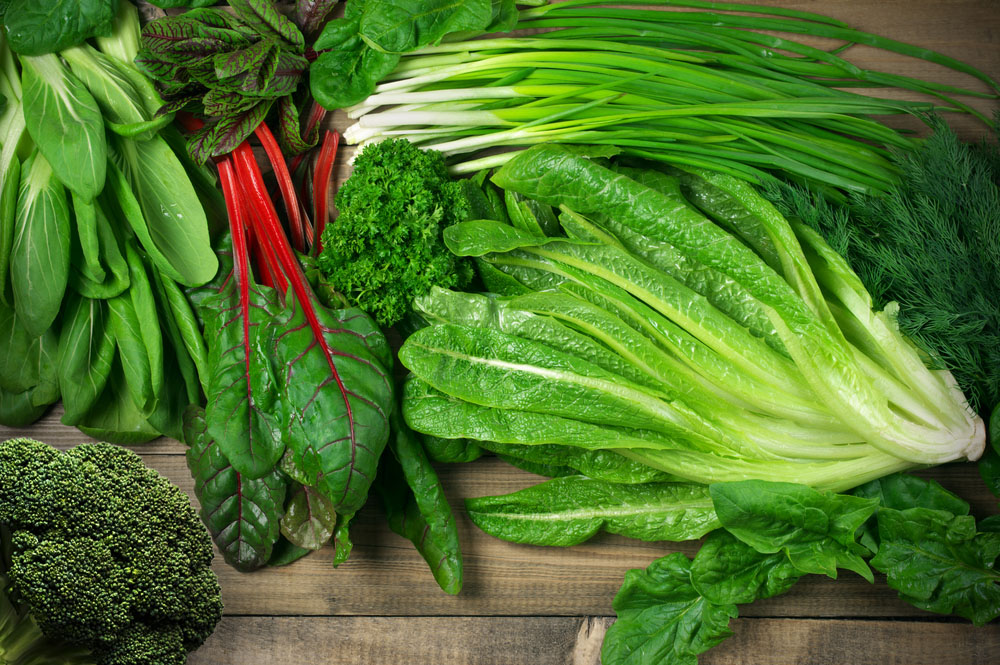
Leafy greens are high in vitamins A, B, C and K, which protects the bones. They are also high in antioxidants. Try the whole range — from broccoli, kale and spinach to bok choy, mustard greens, and spring greens.
Most nutritionists advise adults to consume 2–3 cups (1 cup is about 240ml) of vegetables a day. Do make allowances because these veggies come in various sizes and shapes.
As with berries, consuming too much veggies can lead to bloating and gas because of the high fibre content. Veggies that contain oxalate (eg spinach, chard) may block the body from absorbing calcium, while those high in vitamin K (spinach, kale) can interfere with blood thinners. In general, though, veggies in moderation should be fine for everyone, but consult a doctor or nutritionist if you have kidney stones, have thyroid problems, or are on blood thinners.
Oily Fish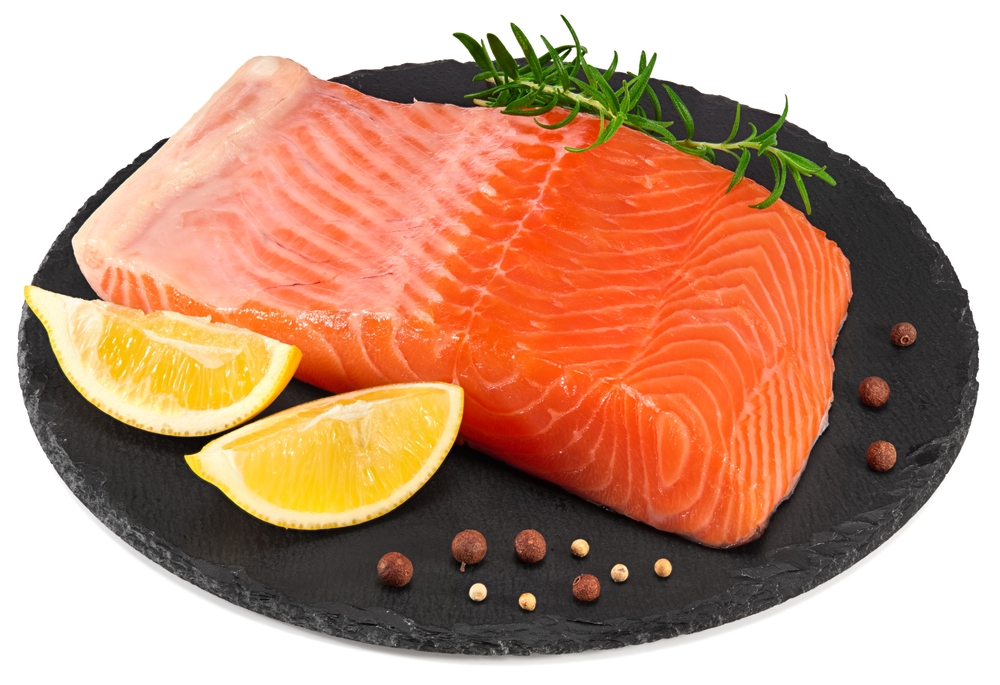
This type of seafood is full of omega-3 fatty acids, which play an important role in various aspects of your health. For example, they protect your cardiovascular health, as these fatty acids lower triglyceride levels. They have preliminarily been shown to lower the risk of certain cancers. Consumption of these acids is also good for preventing brain (eg Alzheimer’s disease) and eye (eg macular degeneration) issues — after all, brain and retina cells are high in omega-3 fatty acids, particularly docosahexaenoic acid (DHA).
It’s recommended to have one portion of 140g of cooked oily fish per week. If seafood isn’t your thing, nuts and seeds are another good source of omega-3.
Nuts & Seeds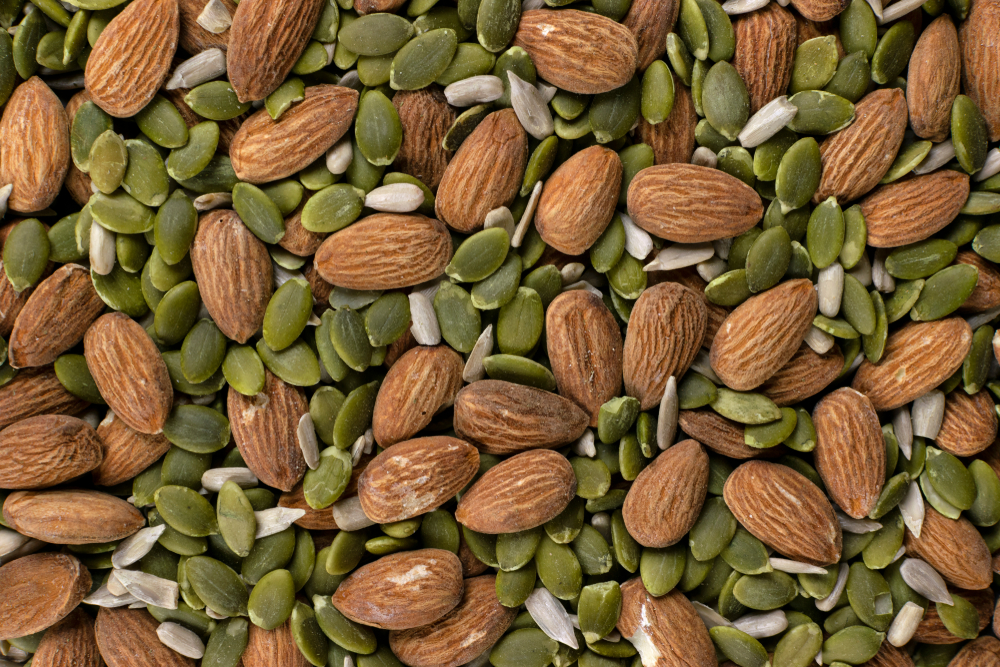
Nuts (eg almonds) and seeds (eg sunflower seeds) not only contains omega-3 fatty acids, but also other nutrients, such as selenium, vitamin E, and some B vitamins. While almonds are high in fat, it’s unsaturated, so there’s no bad cholesterol. They also contain antioxidants, and can reduce blood pressure and improve blood flow.
You may wish to include a handful of nuts or a tablespoon of seeds in your diet. When it comes to snacking, they are handy and healthy!
You know you’re consuming too much omega-3 fatty acids when you experience:
– fishy taste in your mouth/fishy breath
– diarrhoea
– acid reflux
However, it’s highly unlikely to happen from just consuming fish and nuts, and more likely that you’re overdosing on supplements.
Turmeric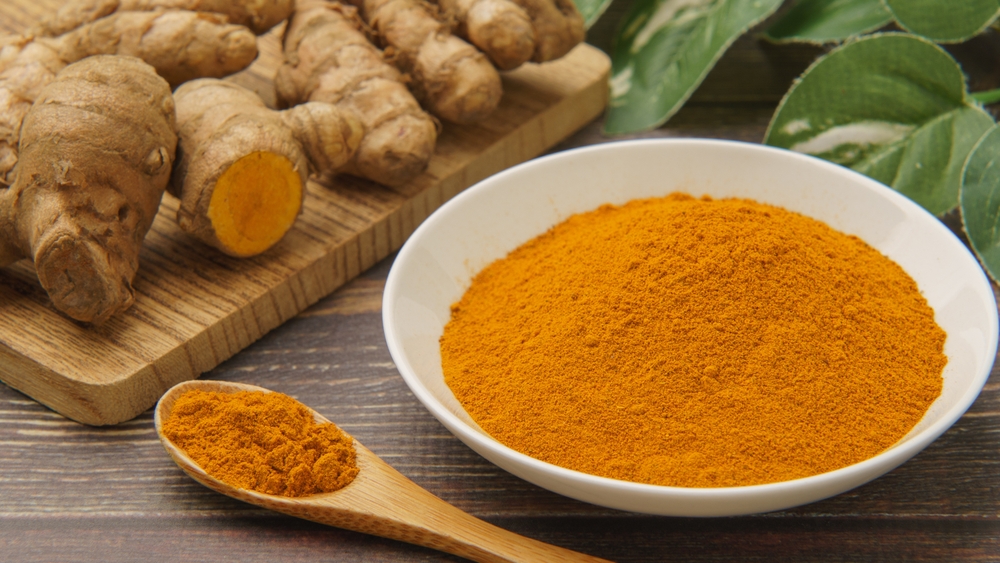
Are you keen on curries? Then you’d probably be familiar with turmeric. Besides being the spice that gives the curry its distinctive colour, turmeric contains curcumin, a compound that has antioxidant and anti-inflammatory properties that can boost the immune system. Curcumin can also modulate the function of immune cells, such as B cells.
As with omega-3 fatty acids, you’re unlikely to experience the effects of too much turmeric from just regular meals. It’s only if you take turmeric or curcumin supplements that you’d take too much. Side effects include digestive issues (eg nausea, diarrhoea, acid reflux, tummy discomfort), headaches, and dizziness. And for those with diabetes, be aware that turmeric can lower blood sugar.
Fermented Food
If you’re caught up in the craze for Korean cuisine, you’ll be glad to know that one of its mainstays, kimchi, can boost the immune system. In fact, fermented foods such as kimchi, miso, tempeh and sauerkraut, and fermented liquids such as kombucha, kefir and apple cider vinegar, contain probiotic bacteria and fungi that can enhance the immune system, improve gastrointestinal health, and lower the risk of developing various inflammatory diseases. Other nutrients that fermentation products contain include the B vitamins, vitamin K, antioxidants, and organic (eg lactic, acetic) acids.
Side effects of fermented food and drink include gas and bloating; it’s worse if the item is high in fibre, such as sauerkraut. If you’re sensitive to histamines (eg you get headaches or rashes when exposed to them), stay away from fermented foods, which are high in this substance.
While fermented foods are considerably healthy in general, specific items like miso and fermented vegetables tend to be packed with sodium, which can raise blood pressure and increase risk of heart diseases in high quantities. Fermented foods with high yeast content (eg kombucha, kefir, miso) could aggravate conditions like gout.
Dark Chocolate
The inclusion of this item is likely to surprise many people, as it’s considered a sinful and decadent thing to consume. The fact is that dark chocolate contains polyphenols, flavonoids, vitamins and minerals, all of which help modulate the immune system. Although polyphenols are lost when converting raw cocoa to chocolate and other products, dark chocolate retains immune boosters such as zinc, selenium and some B vitamins.
If you’re susceptible to headaches, a couple of squares dark chocolate could do the trick. The antioxidants improve blood flow and reduce inflammation, magnesium eases the condition, and serotonin improves your mood.
However, due to its high caloric and saturated fat content, dark chocolate should still be consumed in moderation.
Healthy Habits for Strong Immunity
Eating to support your immune system doesn’t have to be complicated — it’s about making smart, balanced choices every day. By including a variety of nutrient-rich foods, you can give your body the tools it needs to stay resilient. Remember, no single food is a magic bullet — moderation, consistency and variety are key to building long-term immune health.