

Food labels can be tricky – you might know less than you think!
These days, people are generally becoming less healthy; obesity rates are rising, and more individuals are being diagnosed with diabetes and high cholesterol. One major reason is poor diet choices, often made without fully understanding what’s in the food we eat.
Reading nutrition labels helps you make better decisions. You can compare products and keep track of how much fat, salt, and added sugar you’re consuming. This small step can make a big difference in preventing long-term health problems and living a healthier life!
Size Matter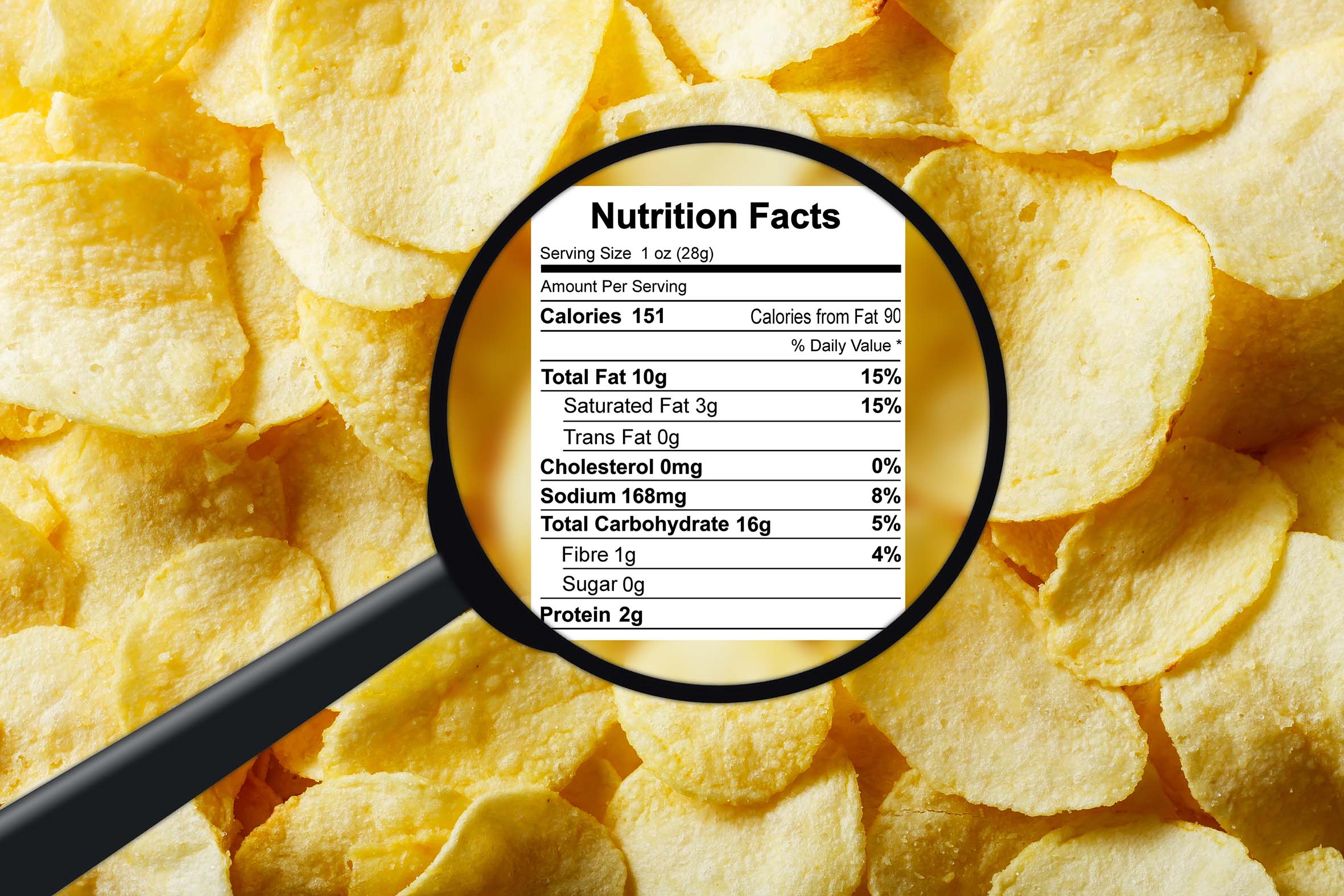
The serving size shows the number of servings in a package, bottle, or container. Many products contain multiple servings, so it’s important to check before assuming the calorie count applies to the entire package.
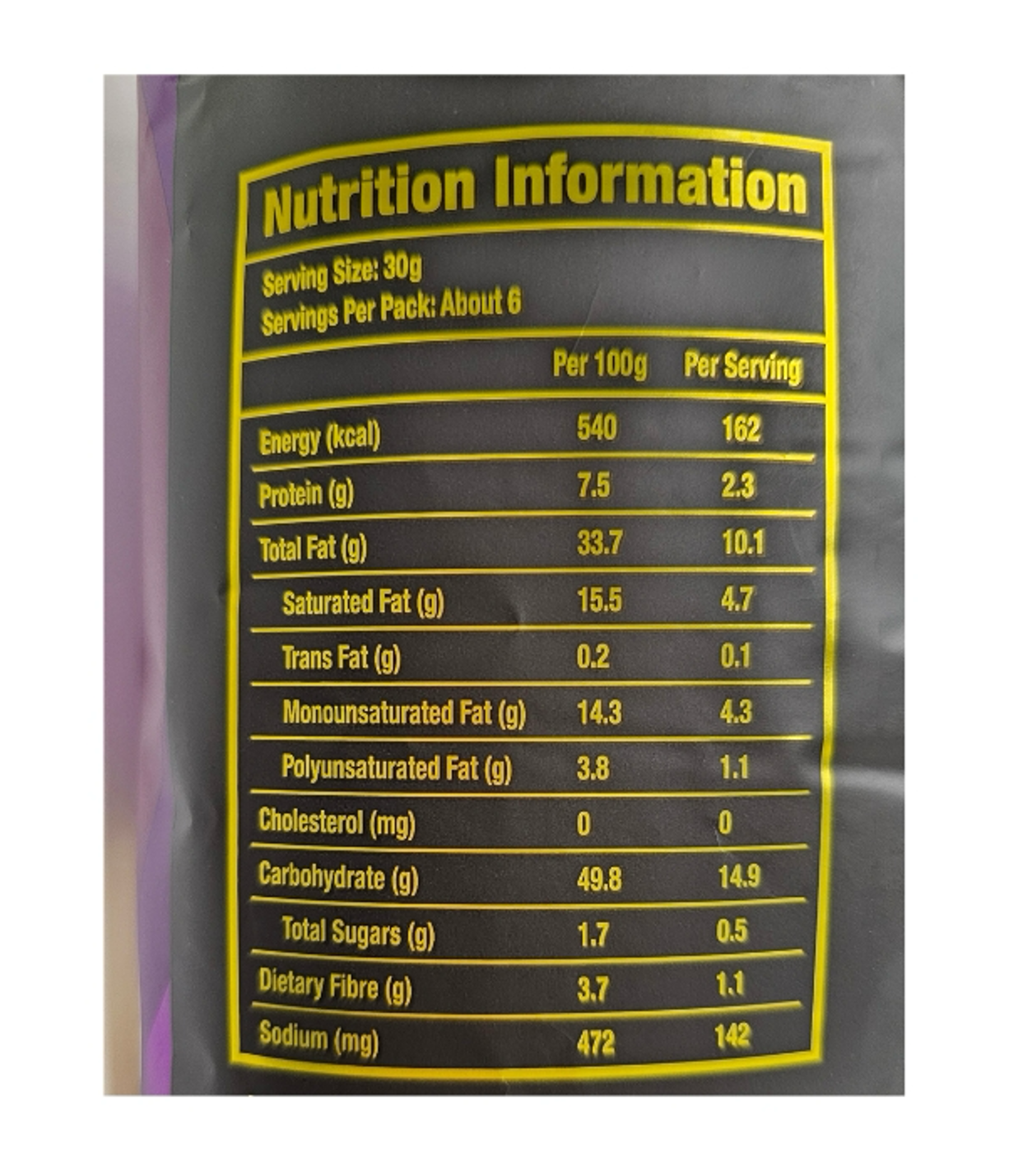 For example, a bag of potato chips might list 162 calories per 30g serving but contain 6 servings in total. If you consume the entire bag, you would be taking in a whopping 972 calories, which is nearly half the recommended amount of daily calorie intake for an adult woman, which is about 2,000 calories!
Since manufacturers determine serving sizes, they can vary between products and may be smaller than what you typically eat. Always compare the listed serving size to your usual portion to get an accurate sense of your intake.
When choosing between items, it’s often best to rely on the ‘per 100g’ or ‘per 100ml’ information, as it provides a standardised comparison across products, unlike serving sizes which can vary. To visualise it, 100g is roughly the weight of a small apple, and 100ml is about half a small cup of water. You can also use a kitchen scale or measuring beaker for accuracy, especially when tracking nutrients like sugar, fat, or sodium.
An Important List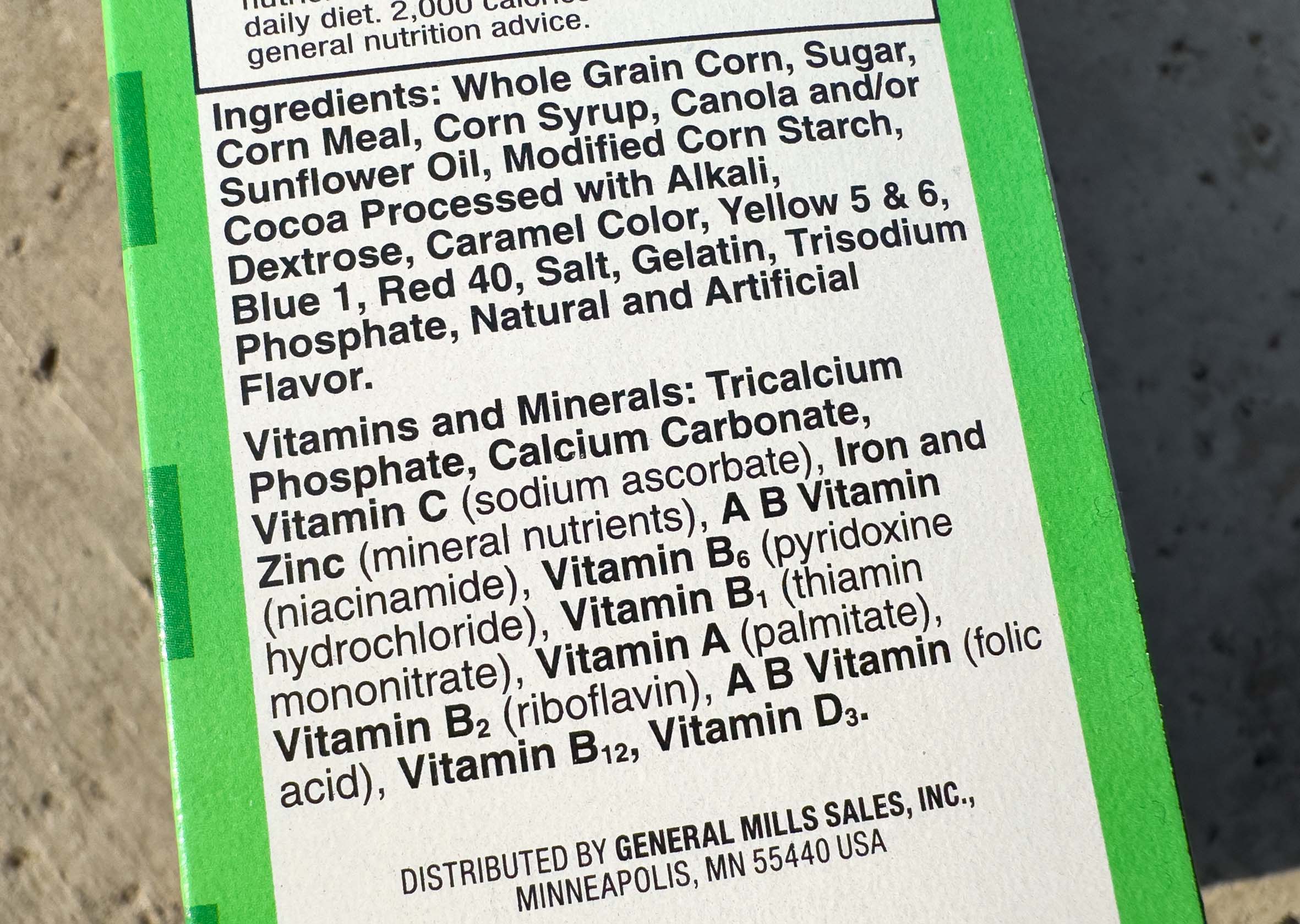
The ingredients list helps you determine how healthy a product is. Ingredients are listed in descending order by weight, meaning that if oil or sugar appears among the first few ingredients, the product is likely high in fat or sugar.
Some food manufacturers use less common names for ingredients, such as fructose for sugar, which may make the product seem healthier than it actually is.
Tip: There is no one-size-fits-all approach to a healthy diet. It’s best to decipher labels based on what matters most to you. For example, if you’re trying to lose weight, focus on energy or calorie values. If you have high blood pressure, look for foods with low sodium content.
Word Play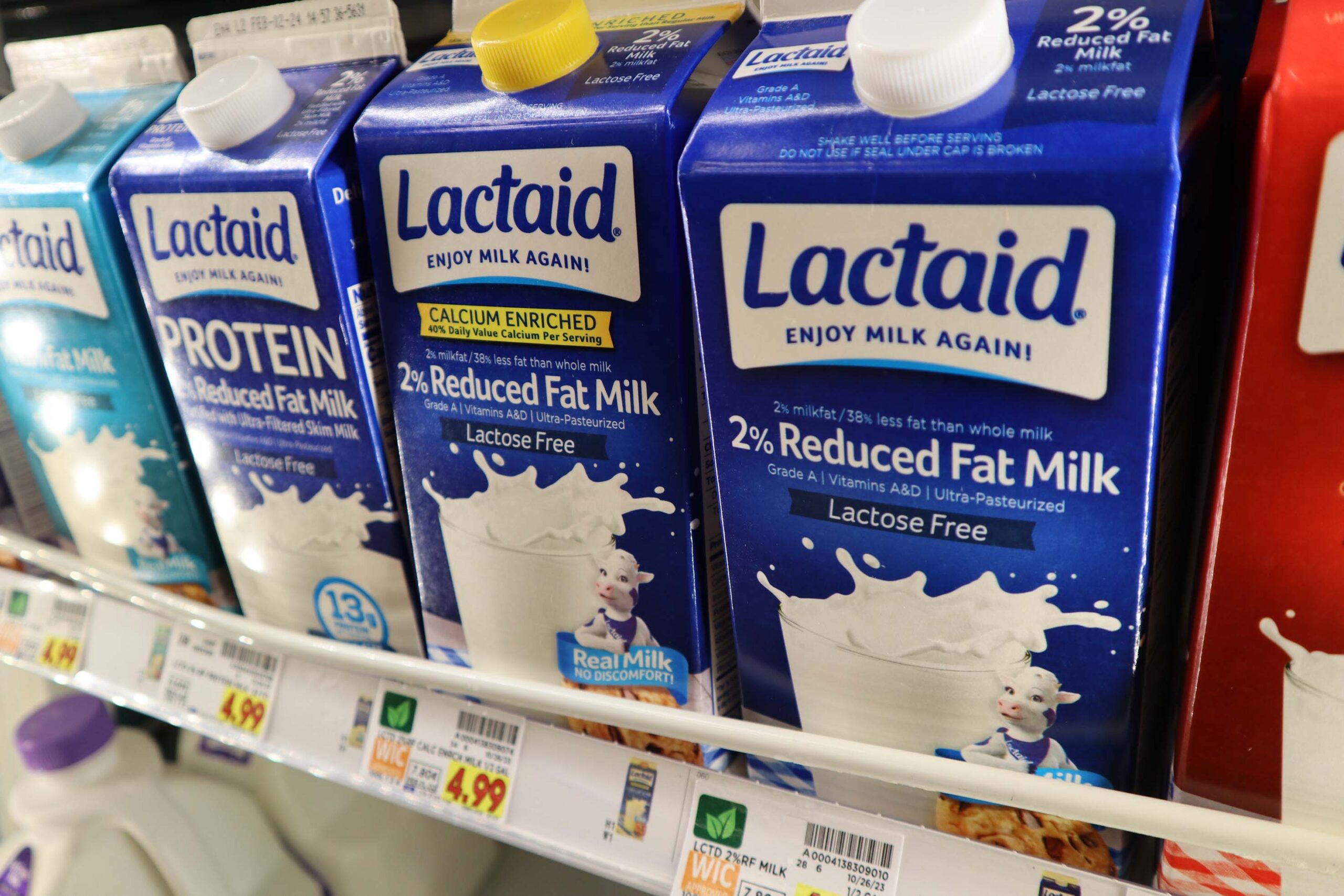
Some products feature claims like “high in fiber” or “reduced fat.” However, these can be misleading as a reduced-fat product might still contain significant amounts of fat! That’s why it’s important to always check the full nutritional information panel. This will show not only fat content, but also cholesterol, sodium, protein, and more. Here’s a quick overview of what it means for a food item to be reduced-fat or low-fat:
Quick Tip:
● A standard food item might have 15–20g of fat per 100g.
● A reduced-fat version usually has 3–10g of fat per 100g.
● For a product to be considered low-fat, it typically must have 3g of fat or less per 100g
(or 1.5g per 100ml for liquids).
Allergies Beware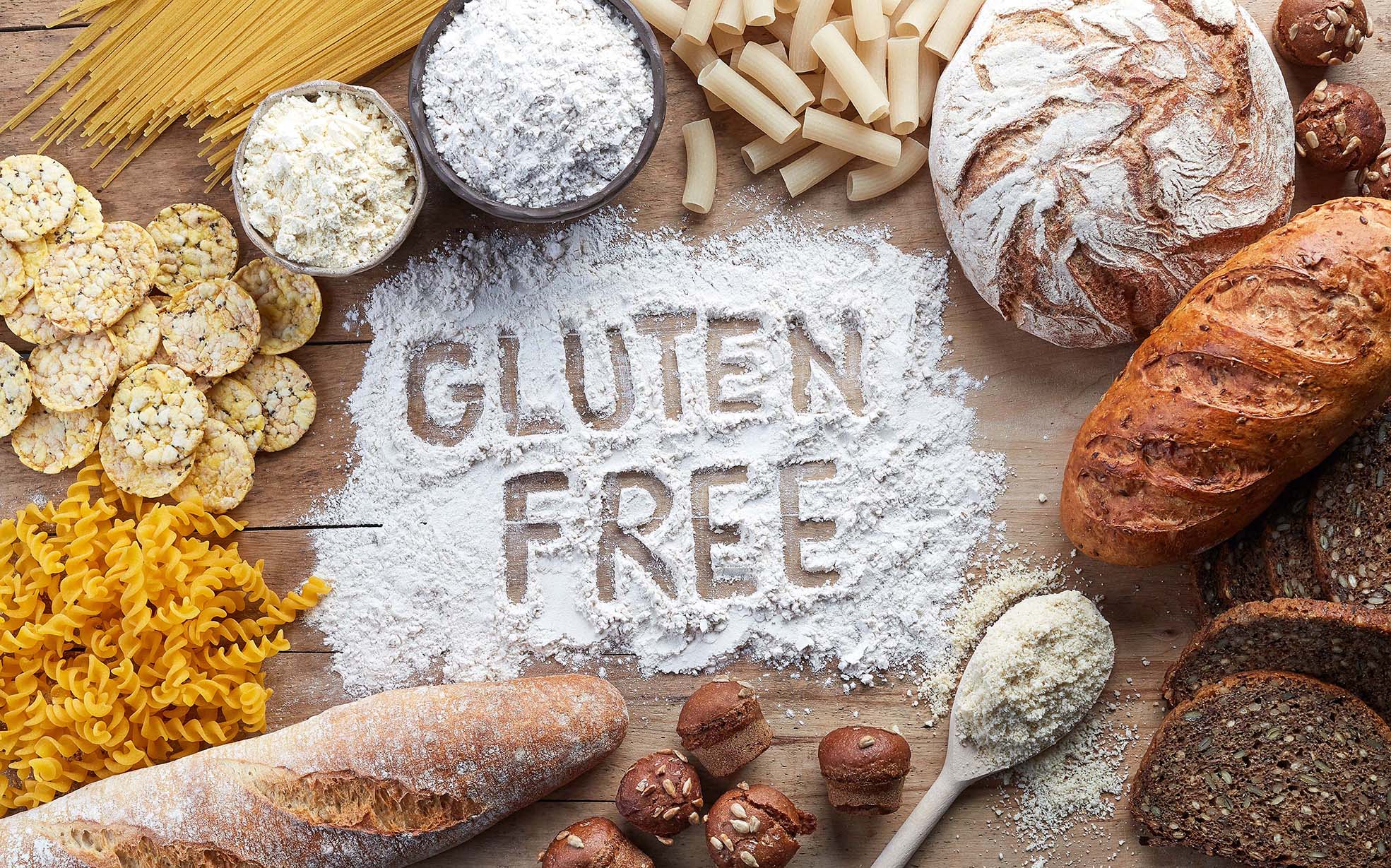
Pre-packaged foods in Singapore must declare ingredients known to cause hypersensitivity, as categorised by the Singapore Food Agency (formerly the Agri-Food and Veterinary Authority of Singapore). These include cereals containing gluten, crustaceans, eggs, fish, milk, peanuts, soybeans, tree nuts such as cashews, and sulphites at concentrations of 10mg/kg or more.
Some food labels may also include warnings like: “Manufactured in a facility that also processes peanuts and tree nuts.” This is important as even if an allergen like peanuts or tree nuts isn’t listed as an ingredient, trace amounts can still end up in the product through cross-contamination during manufacturing. For people with severe food allergies, even tiny traces can trigger serious reactions.
If you have allergies, reading the ingredients list before purchasing a food item is a must!
Best Before…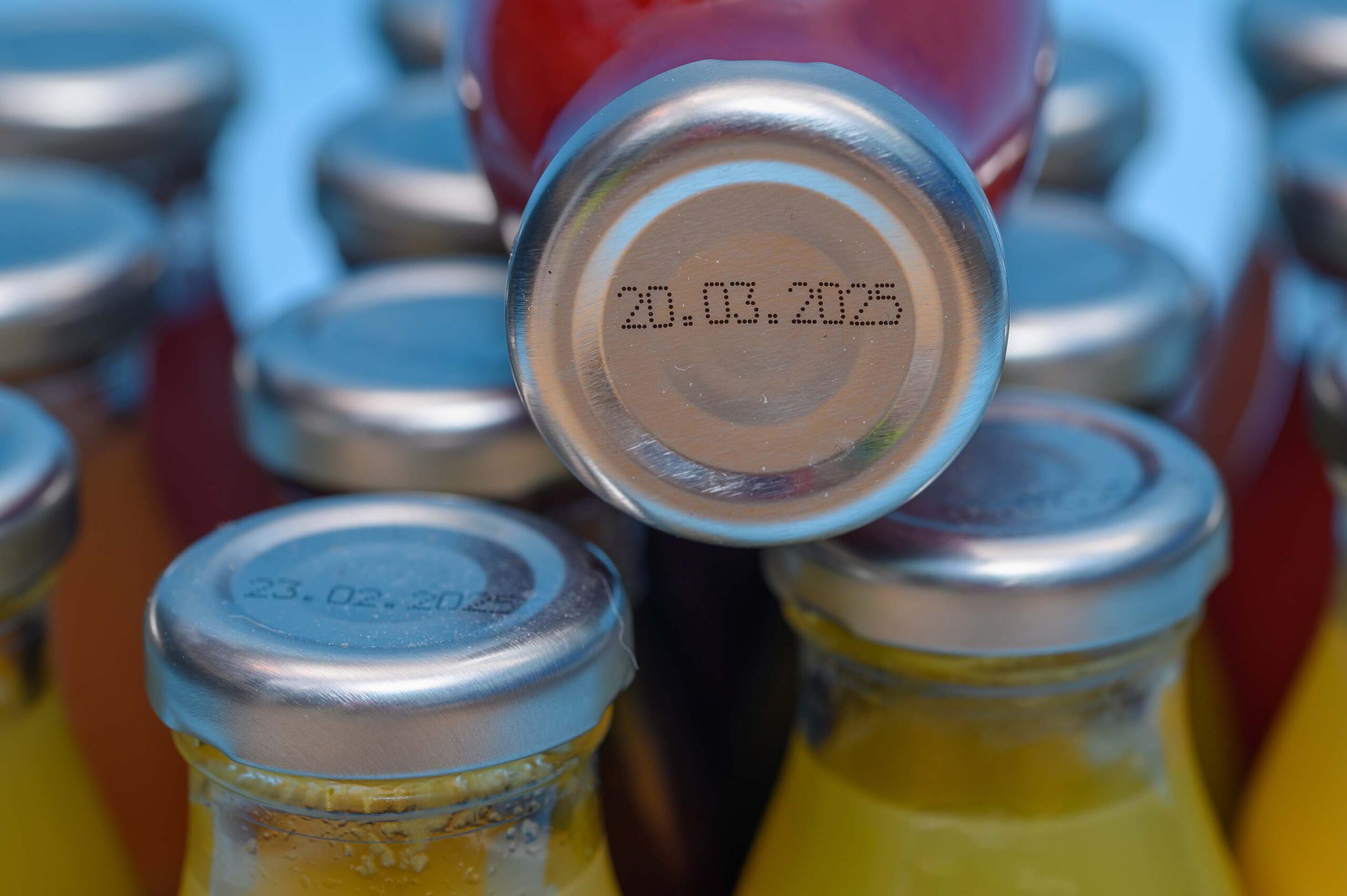
The “Use By” date is a general guideline to help you judge freshness, but it doesn’t always mean the food must be thrown out immediately after. Some items, such as dry goods, canned foods, and snacks, are still safe after this date, especially if unopened and stored properly. However, for perishable items such as milk, meat, seafood, eggs, and ready-to-eat meals, you need to be much stricter. These foods can quickly become unsafe, even before the date, if not stored correctly.
Labels may also include only the manufacturing date, so it’s important to know the typical shelf life and storage instructions. Once opened, always check for changes in smell, texture, or colour. If you refrigerate fresh meat immediately after purchase, it can stay safe until the use-by date. However, if it’s left out at room temperature for more than two hours, it can spoil and become dangerous to consume. In general, proper storage is just as important as reading the date. When in doubt, throw it out!
Symbolic Choice
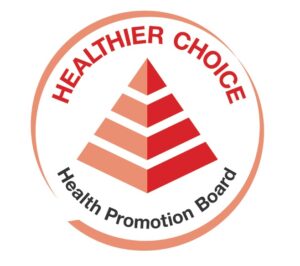
When in doubt, check for the Health Promotion Board’s Healthier Choice symbol on food packaging. This label indicates that the product has been assessed and meets specific nutritional criteria to be considered a healthier option. But remember, healthier doesn’t mean unlimited portion control, and moderation still matters, even with Healthier Choice products.
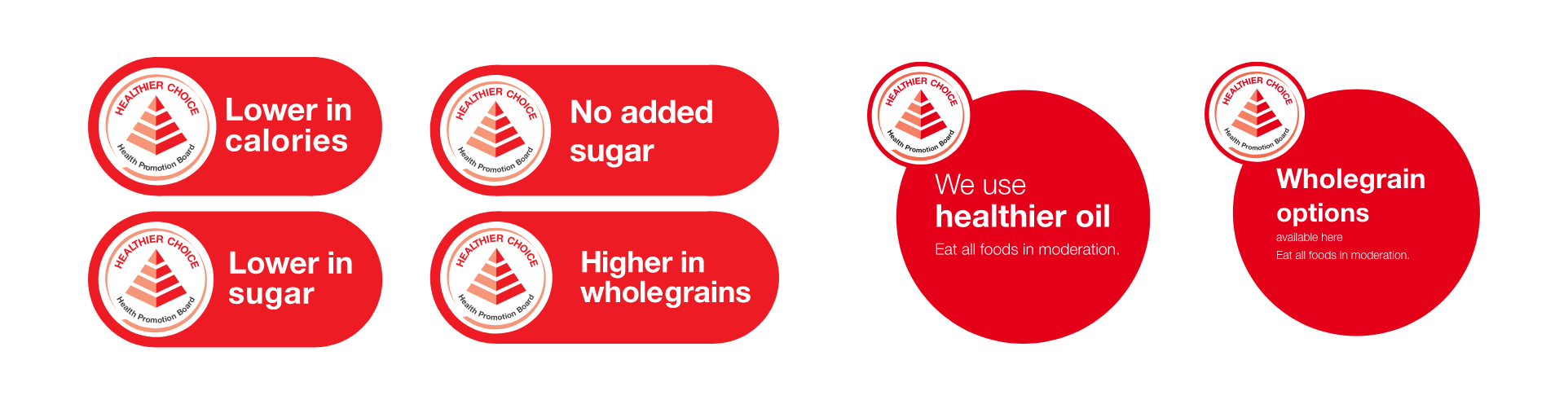
There are different types of Healthier Choice labels. For example, “No Added Sugar” means no free sugars or ingredients containing them were added during processing. Another common label is “Lower in Saturated Fat”, which indicates the product contains at least 25% less saturated fat than similar items in the same category.
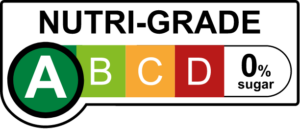
In addition to the Healthier Choice symbol, keep an eye out for the Nutri-Grade label, which is mandatory for beverages sold in Singapore. This front-of-pack label rates drinks from A (healthiest) to D (least healthy), based on their sugar and saturated fat content. It helps consumers make more informed decisions at a glance, particularly when choosing between similar drink options.
Keep an eye out for these symbols when grocery shopping to make smarter choices that suit your own or your family’s dietary needs.
The Bottom Line
Understanding food labels is essential for making informed dietary choices. By paying attention to serving sizes, ingredient lists, and nutritional claims, you can select foods that align with your health goals. Look out for beneficial nutrients like fibre and protein, and try to compare similar products across different brands; a cereal labelled “healthy” might still be high in sugar compared to another brand. Small differences can add up over time.
Remember, the best diet is one that balances variety, moderation, and nutritional value!