

Weeks of smoky air leave more than a burning smell. Here is what haze can do to your car’s paintwork, windscreen and air filters, and how to clean it off without adding scratches of your own.
A Bad Year For Haze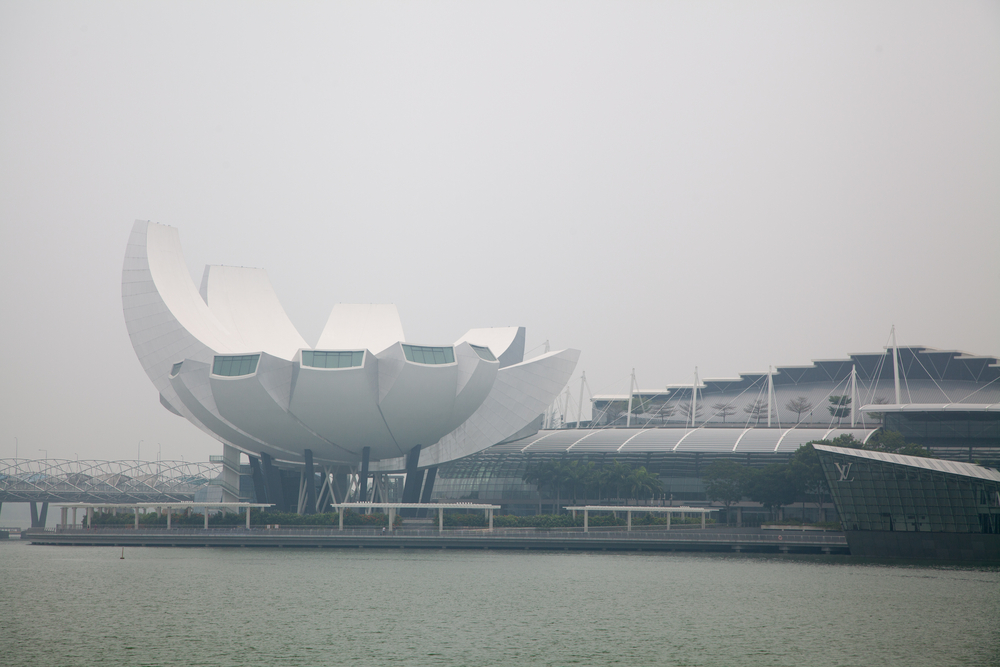
Singapore’s air turned unhealthy on 4 September 2026 for the first time since October 2023, and readings have swung between moderate and unhealthy since then. On 18 October, the 24-hour PSI in the west reached 230, the highest reading of the year so far and well into the very unhealthy range. Most haze advice is about our health, and rightly so. But cars sit for hours in open-air car parks, and many drivers notice a grey film on the bonnet within days.
So, does haze harm a car, or is it just dirt? The honest answer is that it is mostly dirt. But it is dirt that needs some care to remove, and it reaches parts of the car you cannot see. And the effect is not limited to the outside: fine particles are drawn in through the air-conditioning, where they clog the cabin air filter, and they settle on the dashboard, seats and floor mats. The engine air filter takes in the same dusty air every time you drive.
What Haze Is Made Of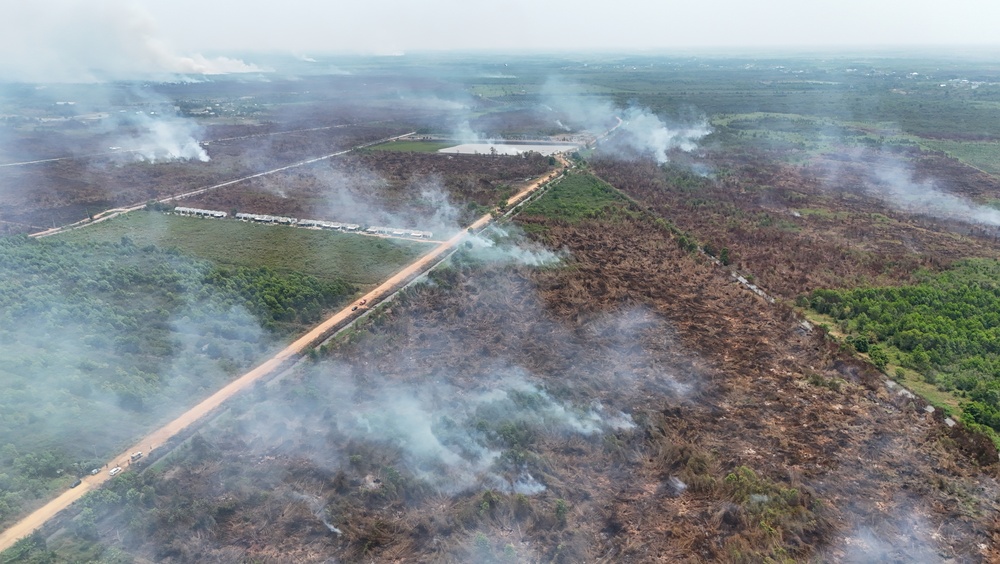
The haze that reaches Singapore comes mainly from forest and peat fires in the region, and its main pollutant of health concern is fine particulate matter, known as PM2.5. These particles are 2.5 micrometres across or smaller, far too fine to see with the naked eye. The fires also give off a mix of gases, some of which contribute to the acrid smell.
Because the fires are hundreds of kilometres away, what settles on cars here is usually a thin layer of soot and dust rather than the flakes of ash that fall near wildfire. Not all the visible dust comes from haze; ordinary road dust and other airborne particles settle on the car too. That layer can build up during prolonged hazy conditions, while airborne particles may also be drawn into the car’s intake and ventilation systems.
What It Can Do to Your Paintwork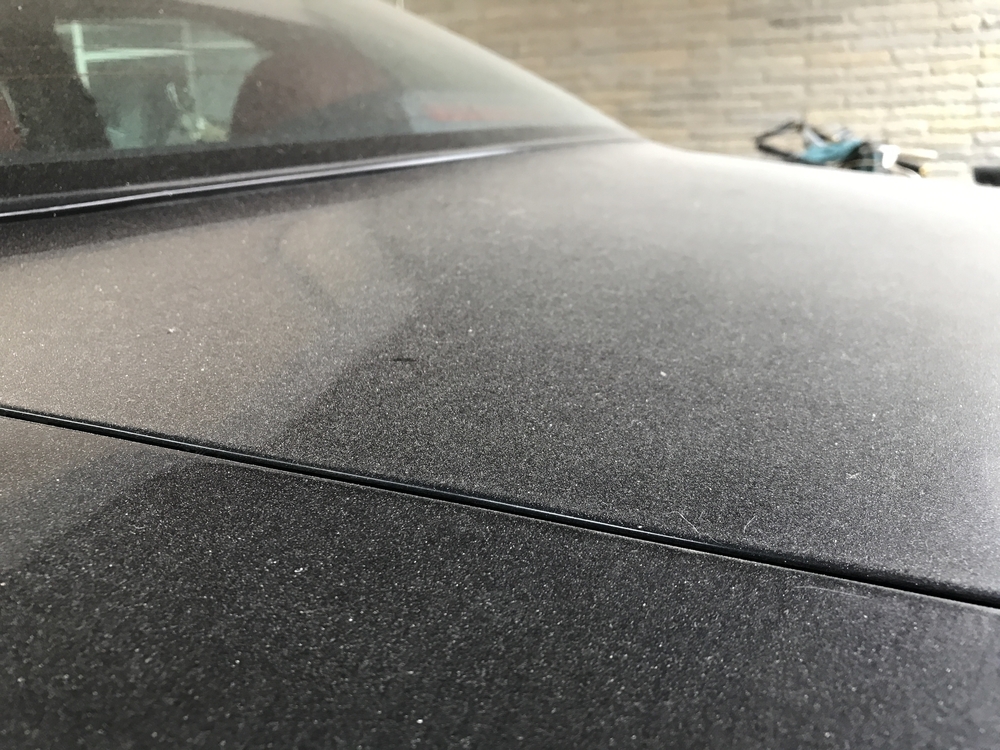
There are two risks. The first is scratching. Soot and fine dust are not necessarily abrasive on their own, but the film on a car can contain harder particles such as road dust and grit. Wiping a dusty car with a dry cloth, or brushing past it with a bag, drags those grains across the clear coat and leaves fine scratches and swirl marks. These show up most on dark colours under bright light.
The second risk is chemical, and it depends on what the deposit is made of. Ash that falls close to a wildfire is mostly burnt plant matter, which is rich in calcium and potassium compounds. When these mix with water, they form an alkaline solution. A 2023 study of wildfire ash samples from around the world found that most were alkaline, with pH readings of up to 11.2. Left wet on a car, this solution can etch the clear coat and stain plastic trim and glass. Singapore’s haze is different. Most of the heavier ash settles long before the smoke from Sumatra and Kalimantan reaches us, so what arrives are fine particles. A study of the 2015 haze in Singapore found that about 80 per cent of these fine particles were organic matter from the burning, with smaller amounts of sulphate, ammonium and nitrate.
There is little evidence that this thin film causes the same chemical damage as wildfire ash. But Singapore’s weather does not help. Night-time dew and light showers wet the film without necessarily washing it away, and the afternoon sun then dries it onto the surface. Left for weeks, deposits may become harder to remove, particularly when mixed with other contaminants such as bird droppings, tree sap or road grime.
A car that is washed every week or two during a haze period is unlikely to suffer lasting harm. The more immediate risk is scratching the finish while removing accumulated dirt, rather than haze particles chemically attacking the paint.
The Windscreen and Wipers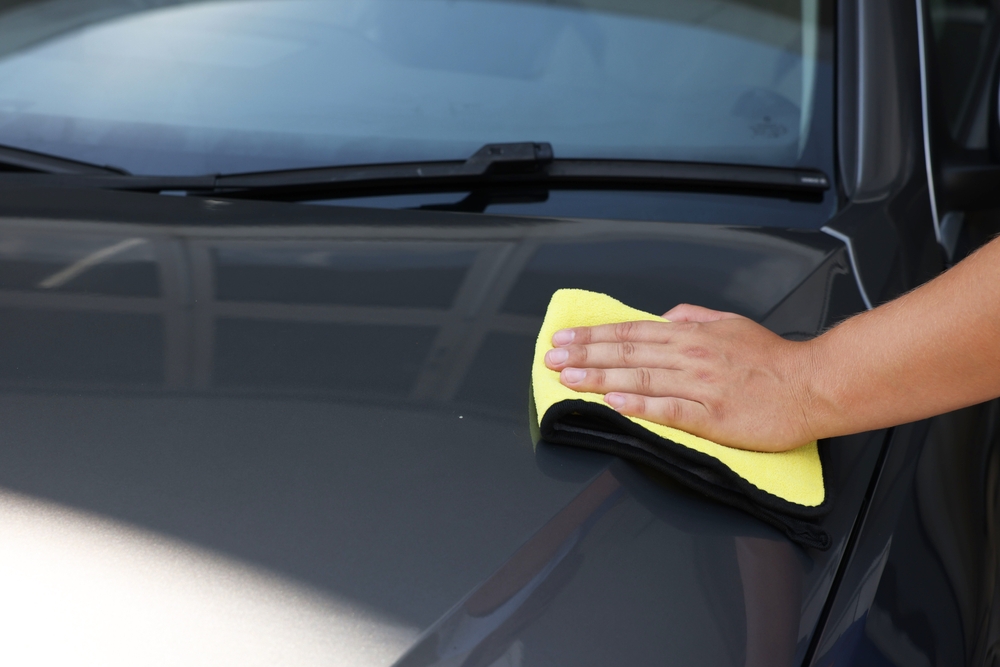
A haze film on glass is more than a cosmetic problem. Accumulated dust and grime can scatter light from oncoming headlights and streetlamps, which makes night driving harder. When mixed with moisture, the deposits can also leave streaks that interfere with visibility.
Don’t clear the windscreen by switching on the wipers when the glass is dry and dusty. Dry wipers can drag grit across the glass, potentially scratching it and wearing the blades prematurely. Wet the glass first with sufficient water or washer fluid and clean the wiper blades gently with a damp cloth when the car is parked.
After a long haze spell, check the blades for nicks or rough edges and replace them if they streak. Clean the inside of the windscreen too. Interior films from dust, fingerprints and other cabin contaminants can add to glare, particularly at night.
Check Both Air Filters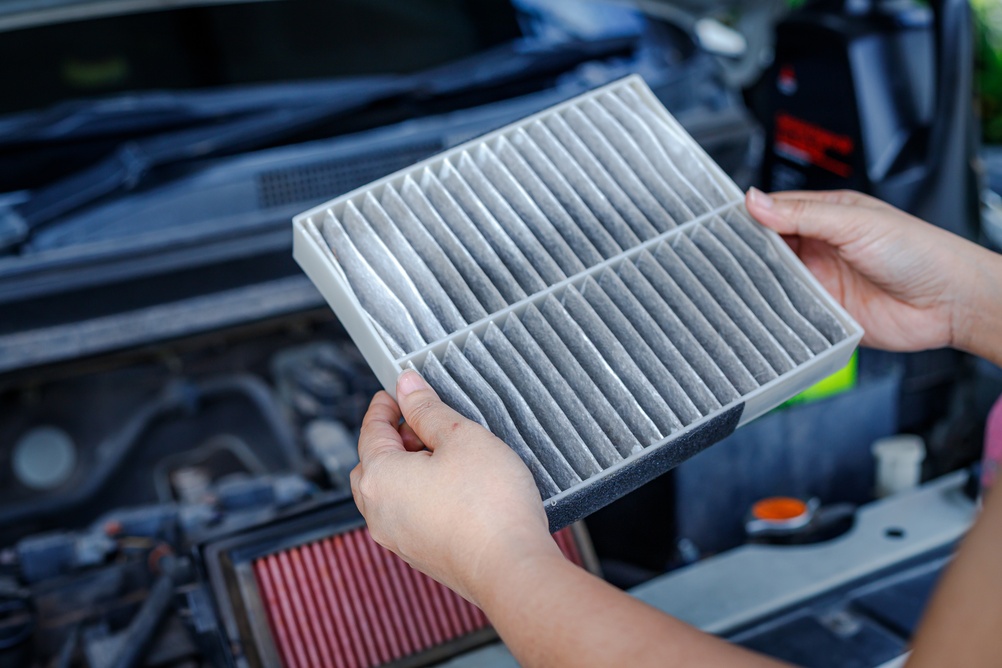
Your car has two air filters worth checking after a haze period. The cabin air filter cleans the air that comes through the air-conditioning vents. Its effectiveness against PM2.5 depends on the filter’s design, efficiency rating and condition. Standard cabin filters may trap larger dust particles without providing high-efficiency filtration of fine haze particles. Closing the windows helps, and a suitable cabin filter can further reduce particulate exposure.
If the vents are blowing weaker than usual, or the filter has not been changed in a year, check the vehicle manufacturer’s replacement interval and have the filter inspected if necessary. On days when there’s haze, keep the windows up and use the recirculation setting to reduce the amount of polluted outdoor air entering the cabin. For longer journeys, follow your vehicle’s ventilation guidance and allow fresh-air exchange when outdoor conditions improve, particularly if the windows begin to fog.
The engine air filter is the second one. It stops dust from being drawn into the engine with the air intake, and prolonged exposure to dusty conditions may cause it to accumulate contaminants more quickly. Haze alone does not necessarily mean it needs immediate replacement. A clogged engine filter can restrict airflow and affect performance, so ask your workshop to inspect it if the car has been driven extensively in dusty conditions or is approaching its scheduled service.
How To Wash Without Scratching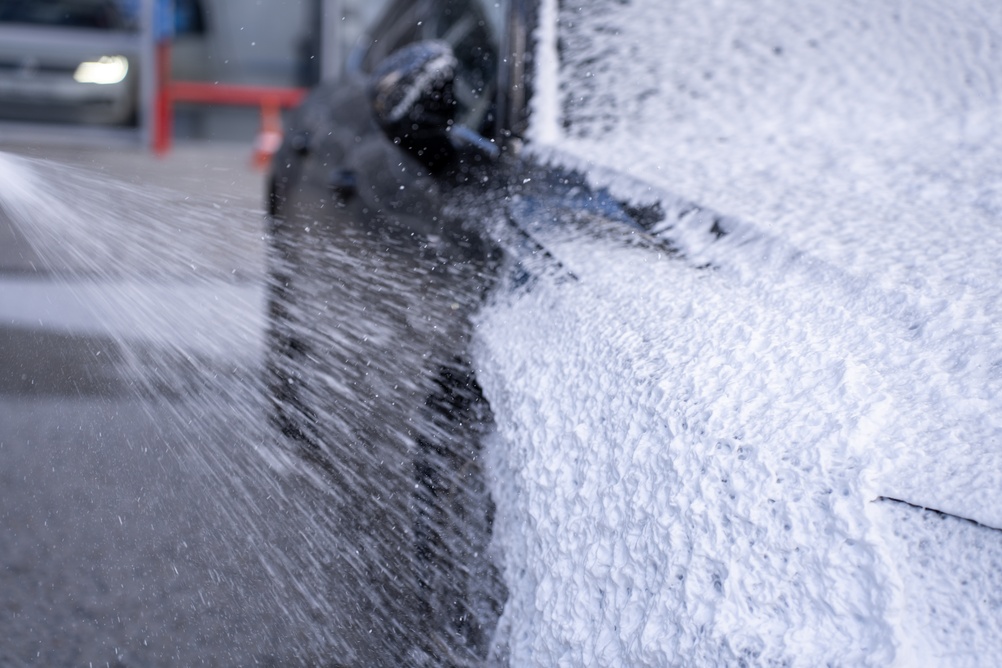
Timing comes first. When the PSI is in the unhealthy range, the health advisory for healthy adults is to reduce prolonged or strenuous outdoor exertion. A thorough hand wash can take an hour of bending and scrubbing, so wait for a clearer day or use a covered car wash.
Start by rinsing the car from the roof down with plenty of water to loosen and remove loose dust before anything touches the paint. Use a car shampoo with a pH-neutral formulation. Dish soap and household cleaners may be too harsh for automotive finishes and can reduce the protection provided by wax or sealants.
Then use two buckets, one with soapy water and one with plain water. Wash one panel at a time with a microfibre mitt and rinse the mitt in the plain-water bucket before dipping it back into the soap. This keeps the grit you pick up out of your wash water. A grit guard, a plastic grid that sits at the bottom of the bucket, helps reduce the chance of picking up settled grit again.
Work from top to bottom, since the lower panels are the dirtiest, and do the wheels last with a separate mitt. Rinse well and dry with clean microfibre towels before water spots form. Avoid washing in direct midday sun, as the soap dries on the panels before you can rinse it off.
Many drivers here rely on car wash outlets or petrol station washes, and that is fine. Getting the film off safely matters more than how you do it. Brush-type machines can leave swirl marks on dark paint, so a touchless wash or a hand-wash service may be preferable if you care about the finish. A touchless wash, however, may not remove stubborn deposits as thoroughly. If you cannot wash the car for a few days, a plain rinse with water is still better than a dry wipe.
Don’t Forget The Inside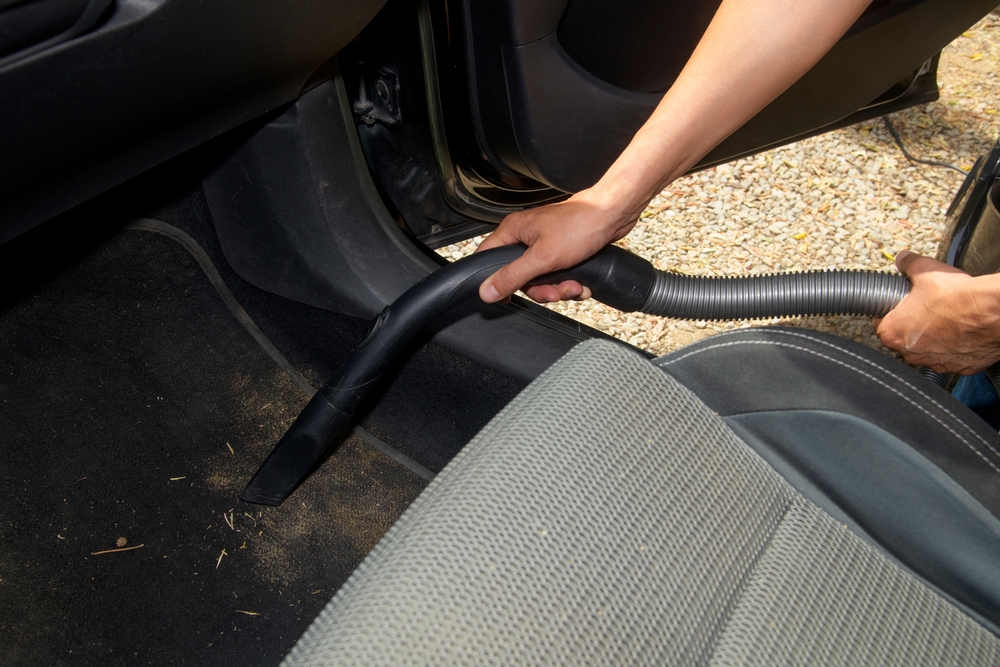
Fine particles can still enter the cabin and contribute to dust on the dashboard, seats and floor mats. Vacuum the mats and carpets with a suitable vacuum cleaner, preferably one with effective fine-particle filtration, and wipe hard surfaces with a damp microfibre cloth rather than a dry duster. NEA recommends wet wiping at home during haze because it lifts settled dust without stirring it back into the air, and the same logic applies inside a car.
Getting Ready For The Next Round
Once the car is clean, dry and cool, add a coat of wax or paint sealant. It gives the clear coat an additional protective layer and makes dirt easier to remove during subsequent washes. A ceramic coating can offer longer-lasting protection, depending on the product and maintenance. During haze spells, park under cover where you can. A multi-storey or basement car park can reduce direct exposure to settling dust, although it will not eliminate it entirely.
Haze in this region tends to return whenever regional fire activity, dry weather and prevailing winds combine to carry smoke towards Singapore, so these habits will pay off beyond this year. Haze is unlikely to ruin a car that is looked after. The greater concern is accumulated contamination and careless cleaning, both of which are relatively easy to manage.