

From Taipei’s electric skyline and mountain village teahouses to night market feasts and hot spring towns, Taiwan packs an extraordinary amount into a small island. Here’s everything you need to know before you go.
Welcome to Taiwan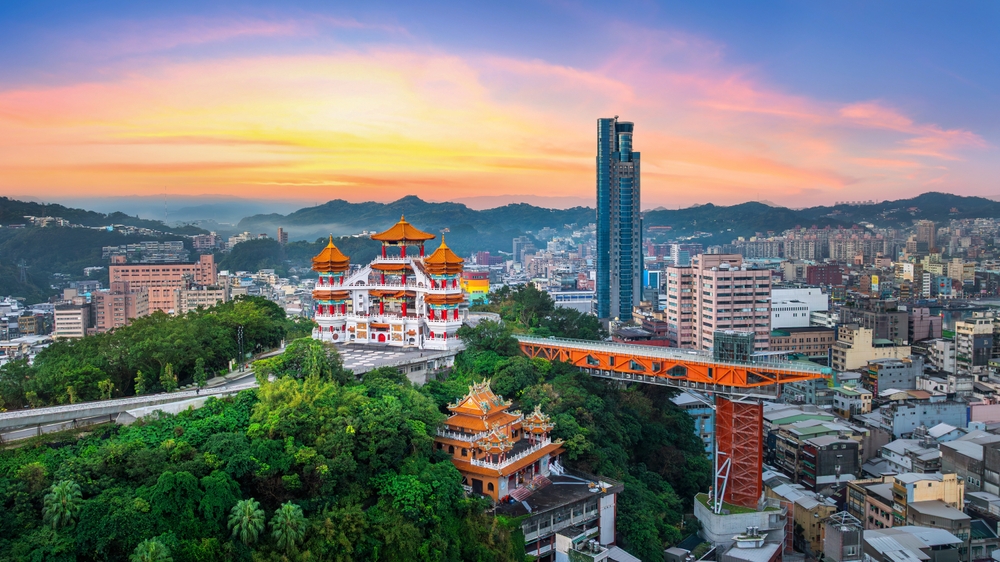
 Top Things To See And Do In Taipei
Taipei 101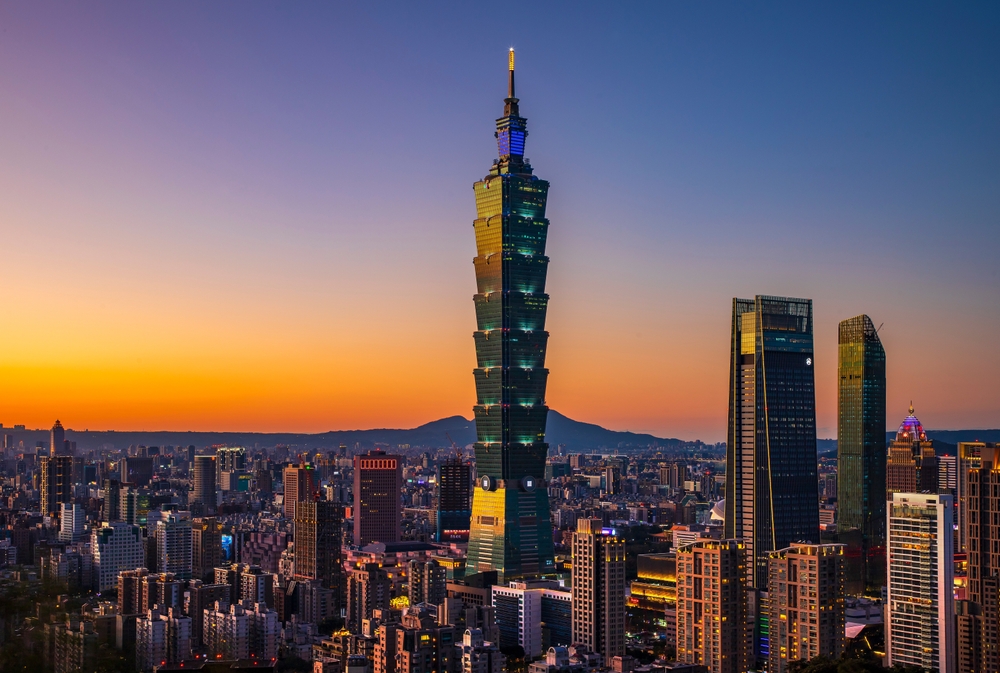
No trip to Taiwan is complete without a visit to Taipei 101, arguably the island’s most iconic landmark. This 508m skyscraper was once the tallest building in the world, and remains Taiwan’s tallest today. Take the high-speed elevator to the 89th-floor observatory in just 37 seconds for a full 360-degree view of the city. On the 88th floor, you can see the famous 660-tonne wind damper, an engineering marvel that keeps the building stable during typhoons and earthquakes.
The building itself is worth a look even from the outside: its distinctive pagoda-inspired shape, with eight sections of 8 floors each, is a nod to traditional Chinese architecture and the lucky number eight. The lower floors house a multi-level luxury shopping mall, and Din Tai Fung, one of the original and most celebrated locations of the famous soup dumpling restaurant, is in the basement.
Opening hours: 10am–9pm daily (last admission: 8.15pm)
📍 Address: No. 7, Section 5, Xinyi Road, Xinyi District, Taipei
Admission: From NT$600 (adult)/ S$24 (adult); NT$540 / S$22 (child above 115cm); free under 115cm
🌐 For more information: www.taipei-101.com.tw
National Palace Museum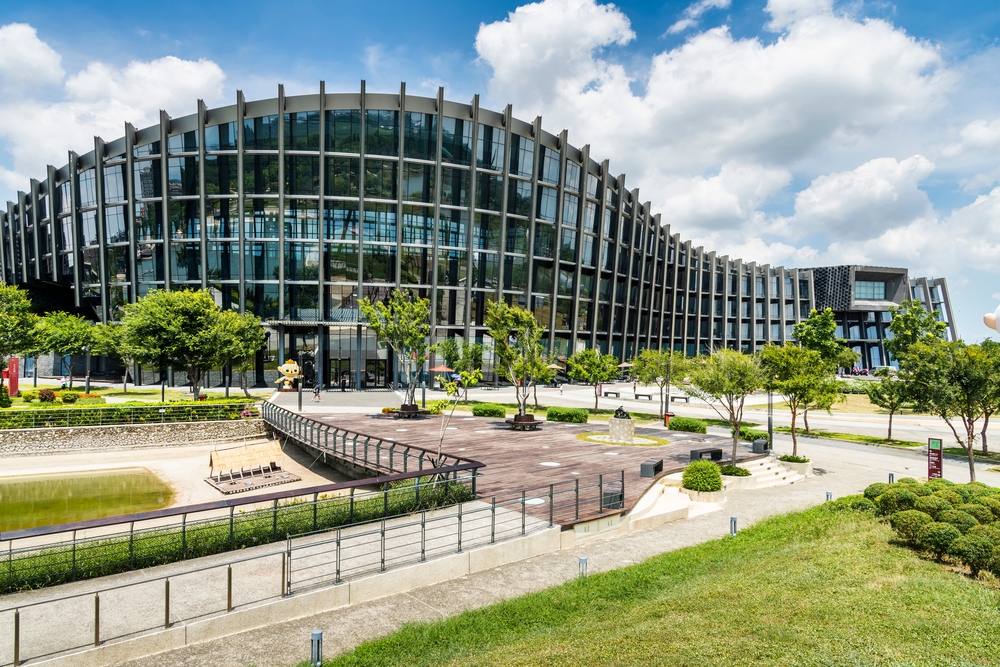
The National Palace Museum holds one of the world’s largest collections of Chinese artefacts, with more than 690,000 objects spanning thousands of years of history. It’s an impressive place, even if you cover just a fraction of it. The Jadeite Cabbage and Meat-shaped Stone are the crowd favourites, but the collection goes far beyond these two pieces. Pick up an audio guide at the entrance, it gives you background and detail on the pieces that the display boards alone won’t. Go on a weekday morning to beat the tour groups. The museum is closed on Mondays, and it’s large enough that a full day is not unusual; some visitors come back a second time to see more. If you’re going on a weekend, book tickets online in advance to avoid queuing at the counter.
📍 Address: No. 221, Section 2, Zhi Shan Road, Shilin District, Taipei
Admission: NT$350 (adult) / S$14. Free for visitors aged 17 and under
🌐 For more information: https://www.npm.gov.tw/?l=2
Longshan Temple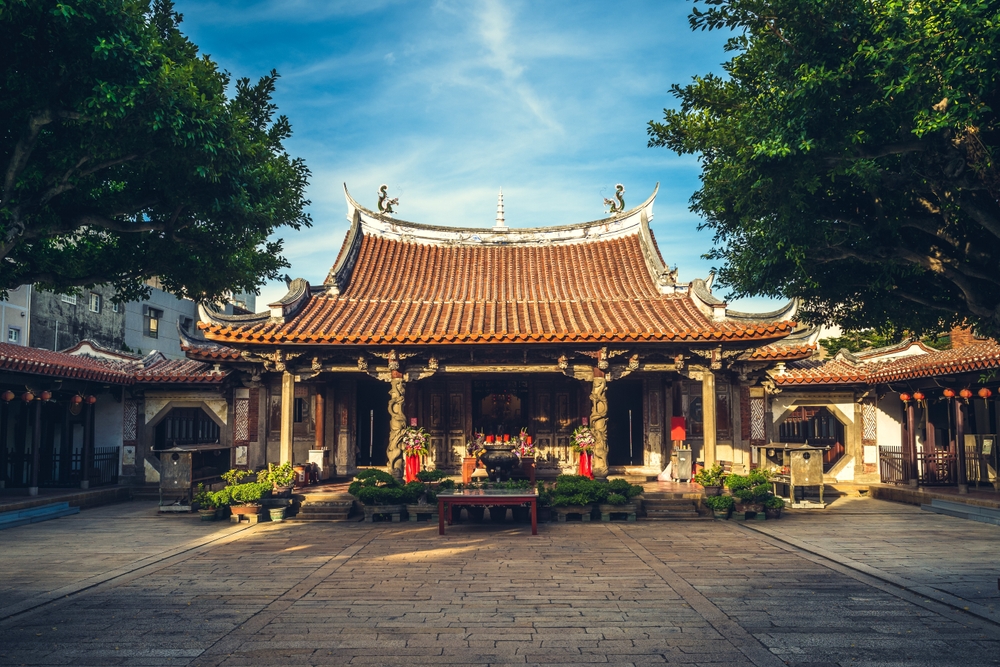
Longshan Temple in Wanhua is one of Taipei’s oldest and most visited temples. Built in 1738, it’s a working place of worship, not just a tourist attraction, which makes it even more interesting to visit. You’ll see devotees burning incense, tossing moon blocks, and making offerings to a mix of Buddhist, Taoist, and folk deities. The architecture is beautifully detailed, with ornate carvings and a serene inner courtyard.
Dress modestly and be respectful of those praying: keep your voice low, avoid stepping in front of people mid-prayer, and do not touch the offerings or altar items.
📍 Address: No. 211, Guangzhou Street, Wanhua District, Taipei
🌐 For more information: www.lungshan.org.tw
Night Markets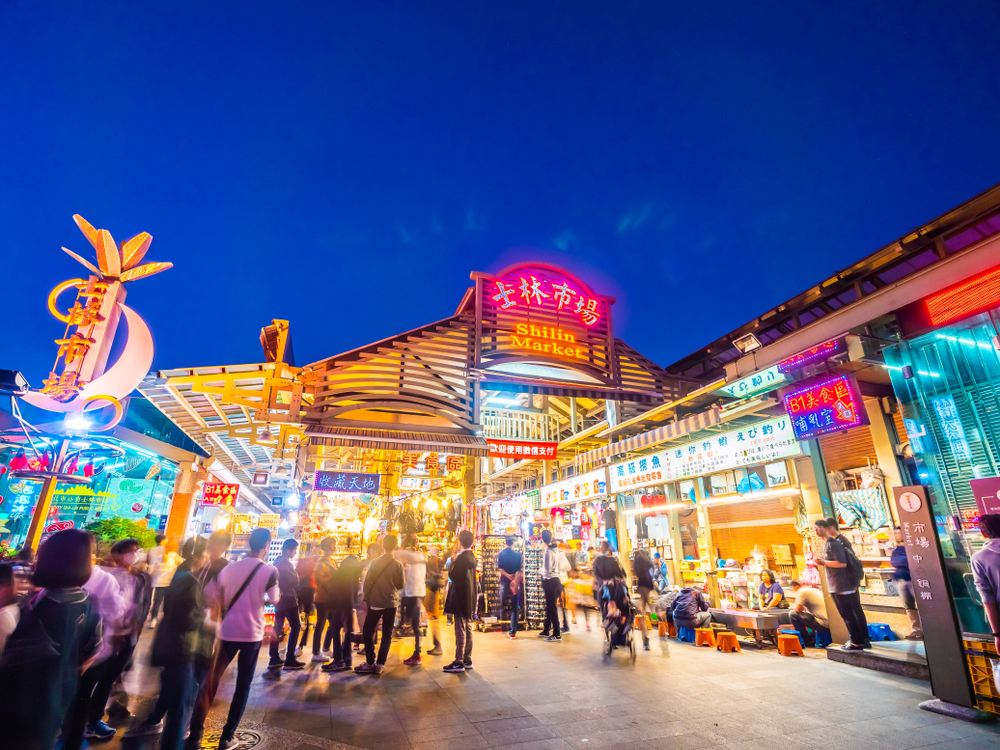
Taiwan’s night markets are a world of their own: loud, fragrant, and full of energy, they come alive after sunset and run late into the night. There are dozens across the island, so you will never have to go far to find one. Taipei alone has 18 night markets. The Shilin Night Market in Taipei is the largest and most famous, with hundreds of stalls selling oyster omelettes, stinky tofu, braised pork rice, scallion pancakes, and bubble tea. Raohe Street Night Market is smaller and less hectic, and worth visiting for the famous black pepper pork buns baked in a clay oven at the entrance. Bring cash, as most stalls do not accept cards. Beyond Shilin and Raohe, others worth exploring include Ningxia Night Market (great for traditional snacks), Tonghua (Linjiang) Night Market in Da’an, and Liuhe Night Market in Kaohsiung if you venture south.
Beyond Taipei
Jiufen Old Street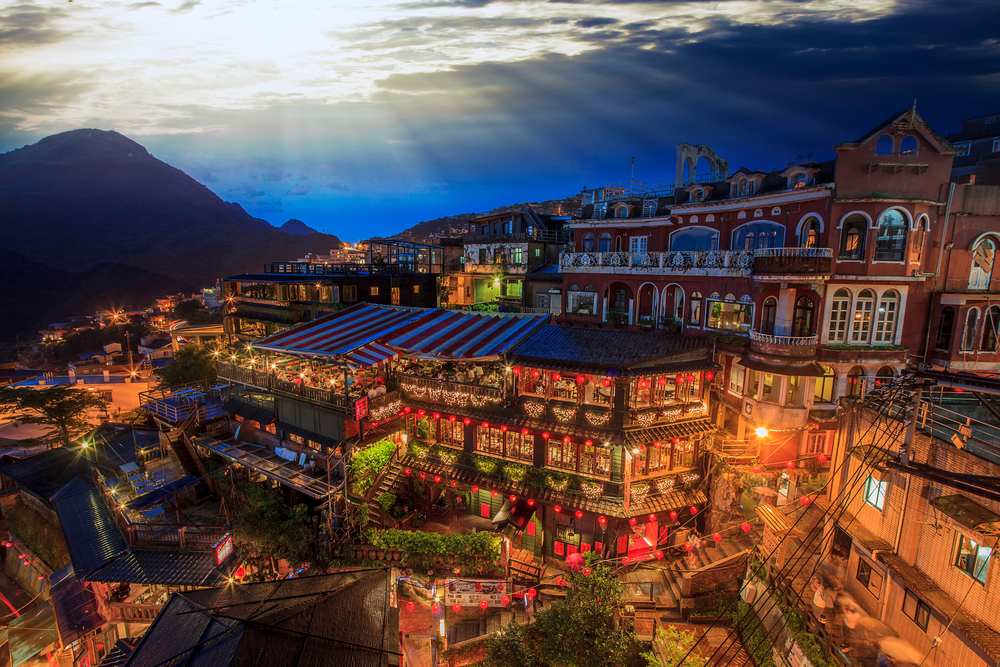
Located about 40km northeast of Taipei, Jiufen is one of the most atmospheric places in Taiwan. This former gold-mining town, perched in the mountains, is full of narrow alleyways, steep stone staircases, and red lanterns — it’s a setting that feels almost cinematic. It’s often compared to the animated world of Studio Ghibli’s Spirited Away, though the film’s creator has denied the connection. Settle into one of the traditional teahouses, order a pot of oolong, and watch the coastal mist roll in.
Try the taro balls and peanut ice cream rolls from the street stalls while you’re there. The best time to visit is on a weekday morning before the day-trip crowds arrive, or in the late afternoon to catch the lanterns glowing at dusk.
To get there from Taipei, take bus 1062 from MRT Zhongxiao Fuxing station (about one hour, NT$100 with EasyCard), or take a train from Taipei Main Station to Ruifang and then a local bus up the hill. Most shops open from 10am; the street is accessible 24 hours a day.
🌐 Admission: Free. For more information, visit their website.
Sun Moon Lake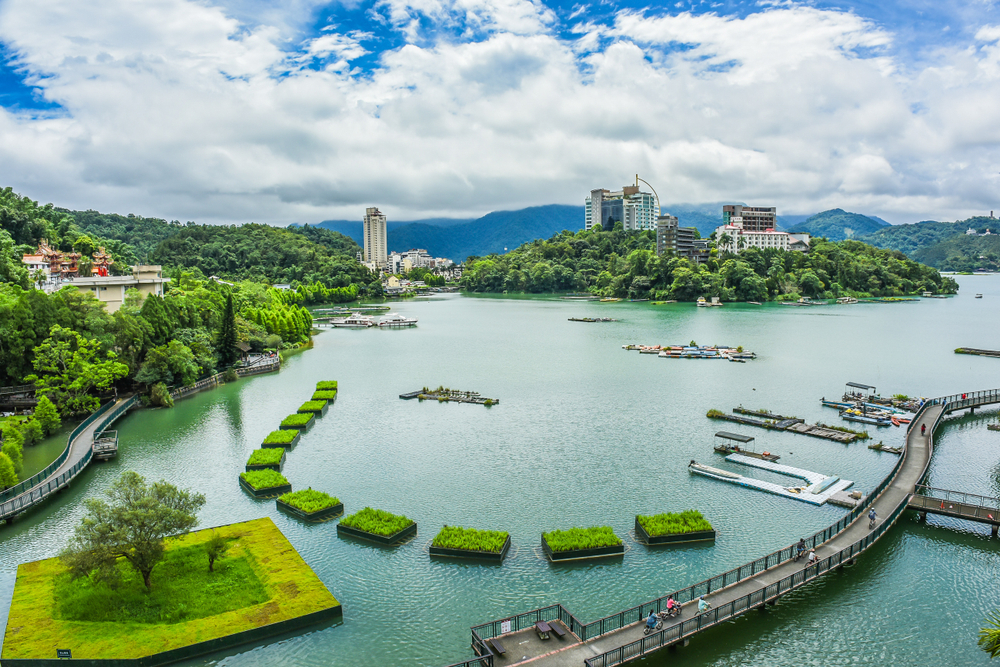
Sun Moon Lake in Nantou County is Taiwan’s largest lake as well as one of its most visited natural attractions as it’s accessible year-round. Surrounded by forested hills and indigenous Thao villages, it’s a good place to slow down. Rent a bicycle to traverse the 33km lakeside trail, take a boat to the Xuanguang Temple on the water’s edge, or simply sit with a cup of the local Dong Ding oolong tea. It’s about three hours from Taipei by bus. Alternatively, take the high-speed rail to Taichung, followed by a local bus. An easy two-day trip, with plenty of guest houses along the lake.
The lake is named for its shape: one section is round like the sun, the other crescent-shaped like the moon. For food, try the local specialities: sun cakes, tea eggs from lakeside vendors, and wild boar rice in the village restaurants around the lake. If you have time, visit Ita Thao, the only aboriginal village on the lakefront, where the Thao people sell handmade crafts and traditional snacks. Cultural performances are held there occasionally; check the schedule at the visitor centre.
Taiwan has two wetter periods to be aware of: the plum rain season from May to June, which brings persistent drizzle, and typhoon season from July to September, which can bring stronger storms and disrupted travel. Sun Moon Lake is misty year-round regardless, which adds to its atmosphere, but visits during these periods may mean reduced visibility on the water and the occasional cancelled boat service. If you want the most settled weather, aim for spring (March to May) or autumn (October to November), when skies are clearer and temperatures are more comfortable. Both seasons are also when the lake and its surrounding trails are at their most pleasant.
📍 Address: Sun Moon Lake National Scenic Area, Nantou County 555.
🌐 For more information: www.sunmoonlake.gov.tw/en
 What to Eat: Taiwan’s Culinary Highlights
Taiwan’s food culture is built around the night market, and it’s seriously good. You don’t need to spend much to eat extremely well!
Beef Noodle Soup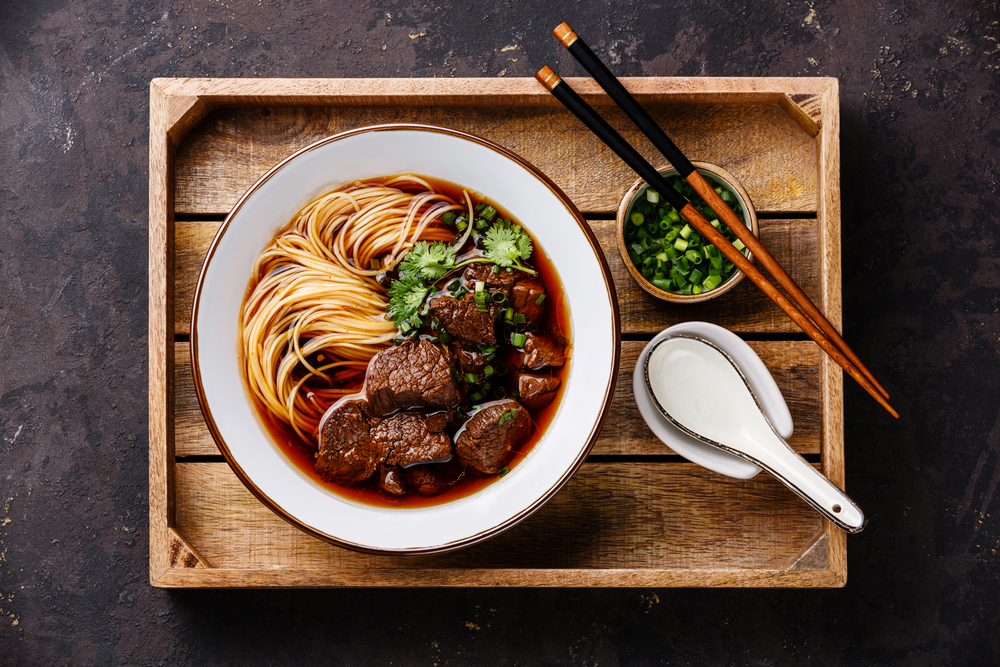
Considered by many to be Taiwan’s national dish, beef noodle soup is a rich, slow-cooked broth with tender chunks of beef and chewy wheat noodles. Every shop has its own version, and the variations are surprisingly distinct. A good bowl costs around NT$150–250.
📍 Try it at: Yong Kang Beef Noodles, No. 17, Lane 31, Section 2, Jinshan South Road, Da’an District, Taipei.
Xiaolongbao (Soup Dumplings)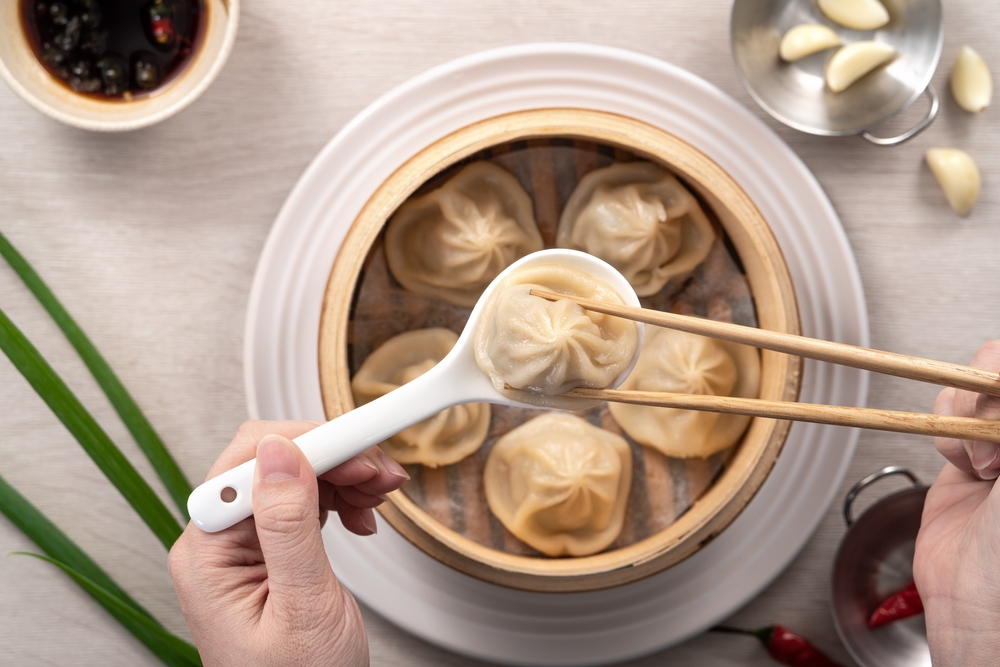
These delicate steamed dumplings filled with pork and hot broth are one of Taiwan’s most celebrated dishes. The trick is to place the dumpling on a spoon first, pierce the skin gently to let some broth out, and eat it carefully so you do not burn your mouth. Din Tai Fung at Taipei 101 is the most famous spot, and queues can be long — but It’s worth it!
✉️ For more information: www.dintaifung.com.tw/eng
Bubble Tea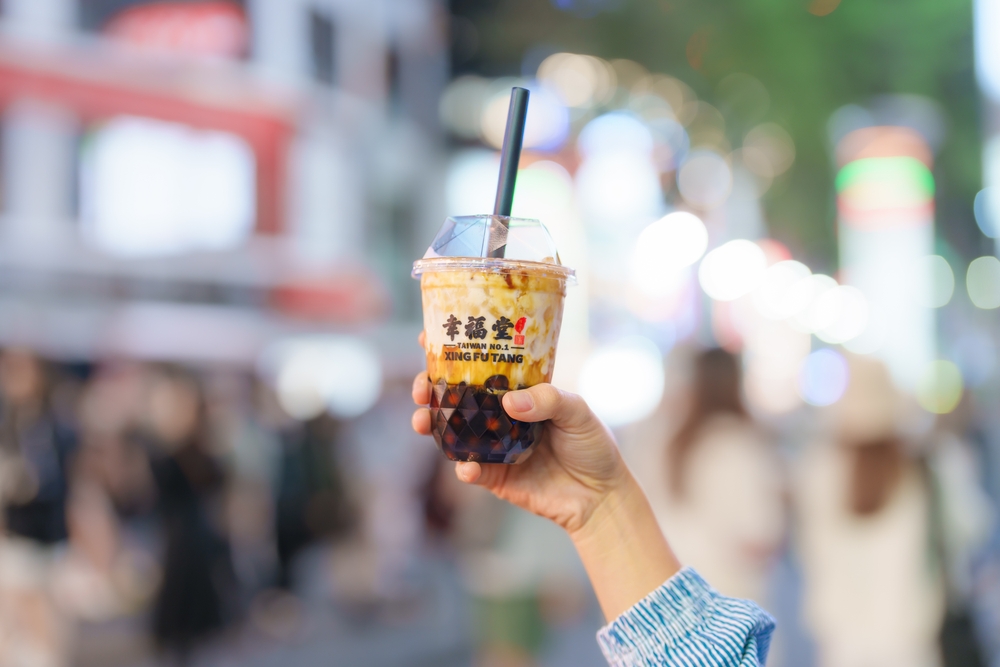
Bubble tea was invented in Taiwan in the 1980s, and it’s everywhere here, which means it’s cheap, fresh, and far better than what you get in most other places. The classic version is black milk tea with tapioca pearls. A cup costs between NT$30 and NT$70. Walk into any tea shop with a queue, and you will be fine. Chains worth trying include 50 Lan, known for its clean, unfussy flavours, and Tiger Sugar, famous for its brown sugar bubble tea. Both have outlets across Taipei.
 Getting Around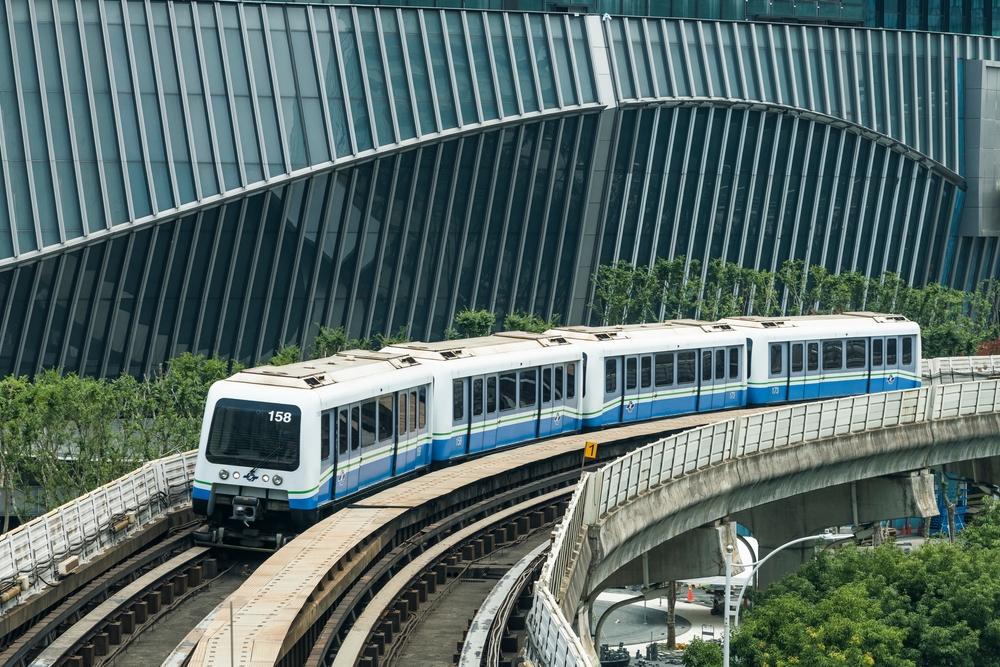
Taiwan’s public transport is excellent and straightforward to use.
Getting around Taipei is straightforward. The MRT is clean, punctual, and fully signposted in English, running from 6am to midnight. Pick up an EasyCard at any MRT station or 7-Eleven when you land — it works across the MRT, buses, YouBike rentals, and convenience stores, and you top it up with cash at any MRT add-value machine or convenience store.
Singaporeans will find the logic almost identical to our EZ-Link setup, though your EZ-Link card itself will not work here. One thing to note: the High-Speed Rail, the fastest way between Taipei, Taichung, and Kaohsiung requires a separate ticket, purchased at the station or online. The EasyCard does not cover it.
For moving within the city, the Taipei MRT covers most attractions. For day trips, the local train network (TRA) connects you to places like Jiufen (via Ruifang) and the northeast coast. Grab and Uber both operate in Taiwan and are useful for areas the MRT doesn’t easily reach. If you plan to explore rural areas or smaller towns on your own, consider renting a scooter, but only if you have experience riding one in heavy traffic.
 Where to Stay
Taiwan has accommodation for every budget, and most of it is good value compared to Singapore. The options below are all Taipei-located, since most visitors use the capital as their main base.
Star Hostel Taipei Main
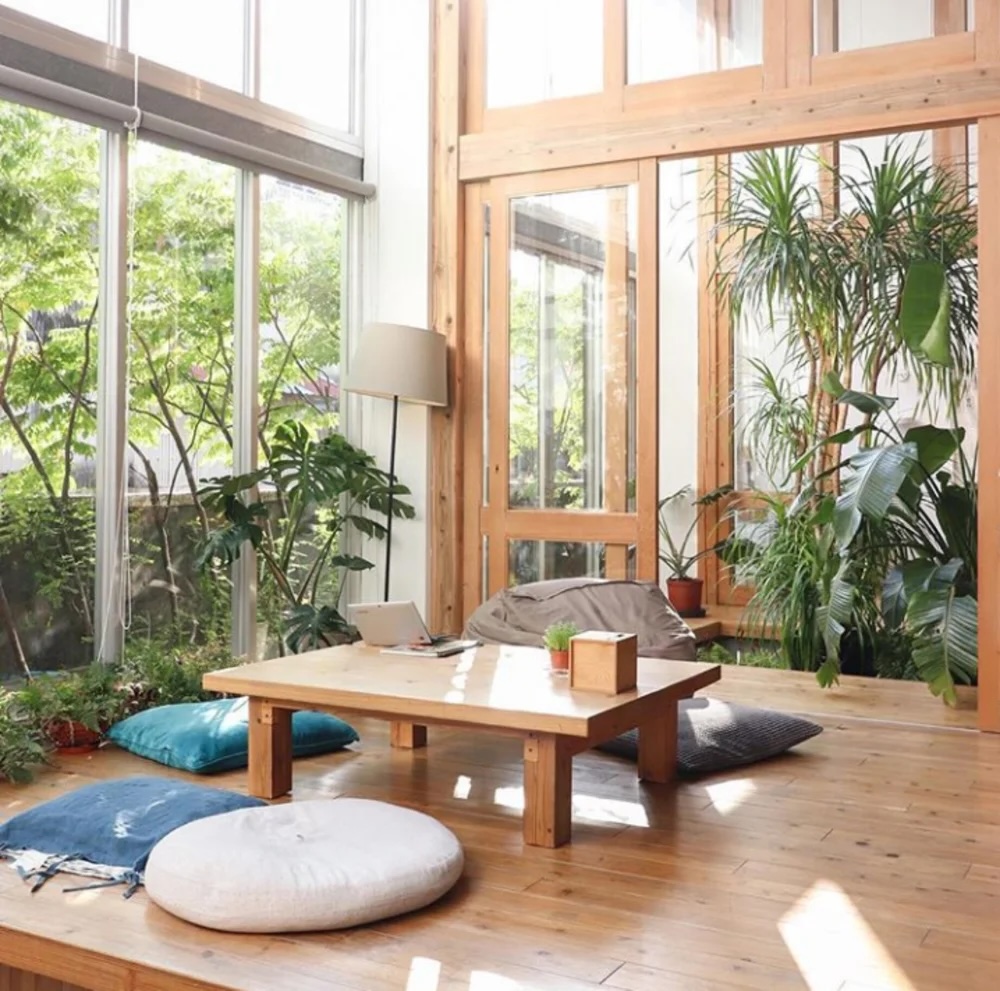
This sits right next to Taipei Main Station, making it one of the most practical bases in the city for getting around. It’s well-run and consistently rated one of the best budget stays in the city, with clean dorm rooms, private room options, and breakfast included for all guests. The large windows in the common room give it a bright, open feel that most hostels lack. Good for solo travellers and backpackers.
📍 Datong District
🌐 Website: https://www.starhostel.com.tw/
Meander Taipei Hostel, Ximending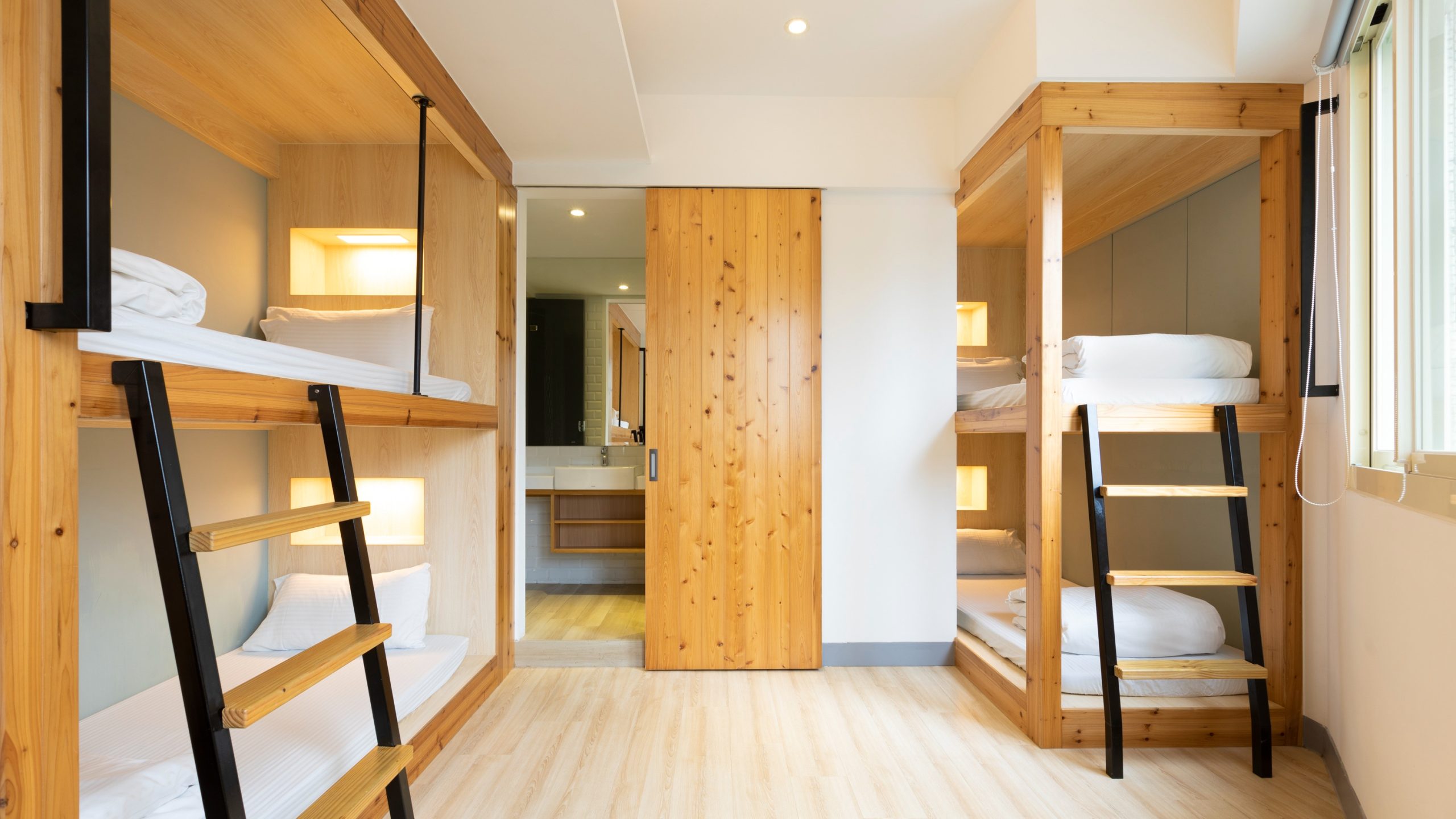
This sits in one of Taipei’s most entertaining neighbourhoods, steps from street food, shops and nightlife. It offers dorm and private room options, and the private rooms in particular feel more like a boutique hotel than a hostel. Capsule-style bunk beds with privacy curtains and good storage make the dorms comfortable, too. A solid choice if you want to be in the middle of the action.
📍 Ximending, Wanhua District
🌐 Website: https://meanderhostel.com/
Amba Taipei Ximending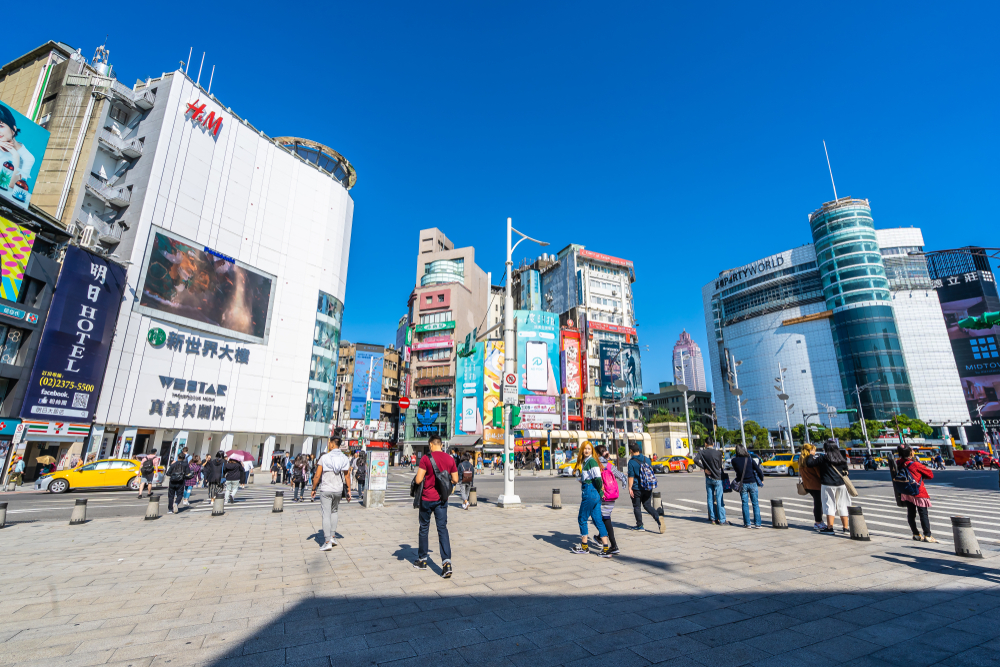
This is a popular mid-range pick on a pedestrian street in Ximending. The rooms are compact but well-designed, with free in-room laundry machines, which is genuinely useful on longer trips. Staff are helpful, the location gives you easy access to the MRT, and the vibe is much more polished than the price suggests. There are also Amba branches in Zhongshan and Songshan if you prefer a quieter area.
📍 Ximending, Wanhua District
🌐 Website: https://www.amba-hotels.com/en/ximending/
CitizenM Taipei North Gate
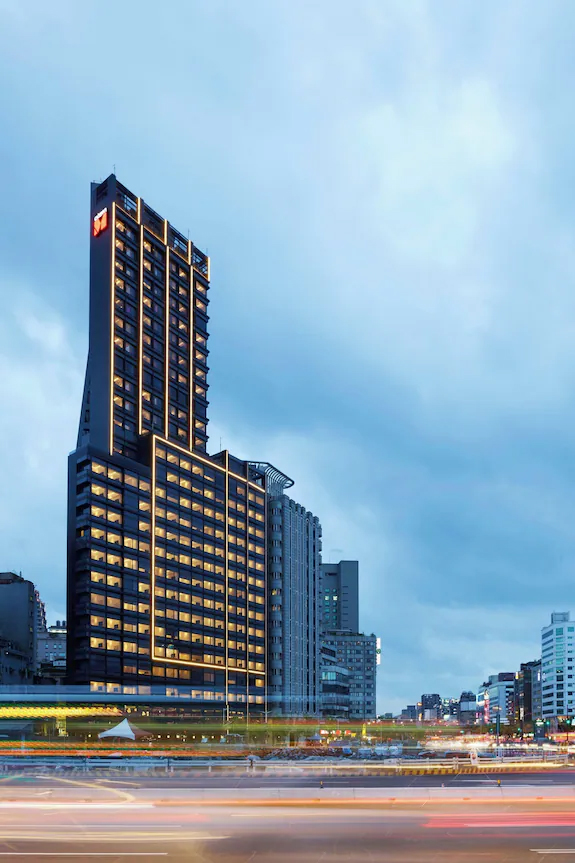
This is a smart, design-forward hotel near Taipei Main Station and the historic North Gate, one of the city’s best-preserved old landmarks. The brand is known for stylish, compact rooms with oversized beds, a 24-hour bar and lounge, and a social atmosphere. It sits comfortably between mid-range and upscale in price, and delivers more personality than most hotels at this tier.
📍 Zhongzheng District
🌐 Website: https://www.citizenm.com/hotels/asia/taipei/taipei-north-gate-hotel
Grand Hyatt Taipei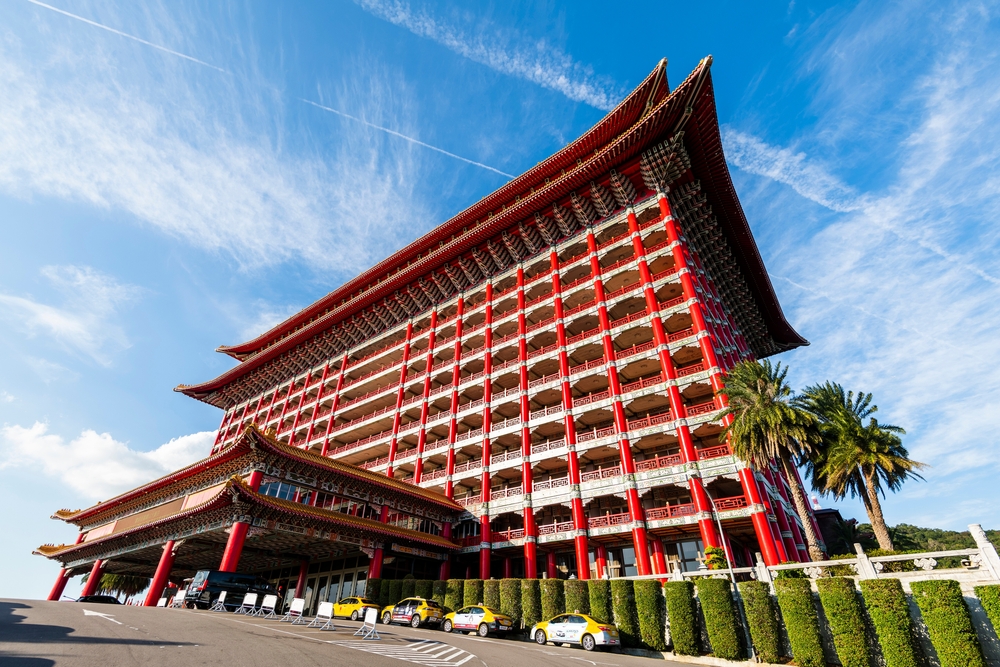
This hotel sits right next to Taipei 101, which puts you in the heart of Taipei’s most upscale area. With 850 rooms, eight restaurants, an outdoor pool, spa, and gym, it’s a full-service luxury hotel that caters to both leisure and business travellers. Suites facing Taipei 101 come with a view that’s hard to beat. The MRT station is a short walk away, and the hotel’s sheer size means there’s rarely a wait for anything.
📍 Xinyi District
🌐 Website: https://www.hyatt.com/grand-hyatt/en-US/taigh-grand-hyatt-taipei
Insider Tips
Before you go, a few practical things worth knowing.
– Taiwan uses the New Taiwan Dollar (TWD). Cash is king at night markets, street stalls, and small restaurants. Larger shops, hotels, and chain restaurants accept credit cards. ATMs are widely available, including at 7-Eleven.
– The best times to visit are spring (March–May) and autumn (October–December), when the weather is cooler and drier. Summer (July–September) is hot, humid, and typhoon season, though the beaches and offshore islands are at their best then. Chinese New Year, usually in late January or February, sees many attractions and restaurants close, and transport gets very crowded.
– English is widely understood in Taipei and at most tourist sites. Outside the capital, Google Translate’s camera function is handy for menus and signs in Chinese. Download it before you go.
– Note that Taroko Gorge in Hualien, one of Taiwan’s most dramatic natural landmarks, remains affected by trail closures following a major earthquake in April 2024. The road through the gorge is open during the day, but most hiking trails are still closed as of mid-2025. Check the latest status before planning a visit.
– For emergencies, dial 110 (police) or 119 (ambulance and fire). The 24-hour English tourist hotline is 0800-011765 (or +886-800-011765 from outside Taiwan).
– Language: Mandarin Chinese, with Taiwanese Hokkien widely spoken. English is common in Taipei and tourist areas.
– Time zone: GMT+8 (same as Singapore).
A Place That Stays With You
Taiwan is the kind of place that surprises you. You arrive expecting a smaller, quieter version of somewhere else, and you leave having found something that’s entirely its own category. The food is exceptional, the transport is smooth, and the people make you feel welcome without making a performance of it. It’s easy to visit, and that makes you want to go back!