

A windscreen does more than shield you from wind and rain. It’s a key safety feature that needs attention, care, and sometimes replacement. Here’s a practical guide on how to clean, tint, and repair your car’s windscreen, and when it’s better to get a new one. 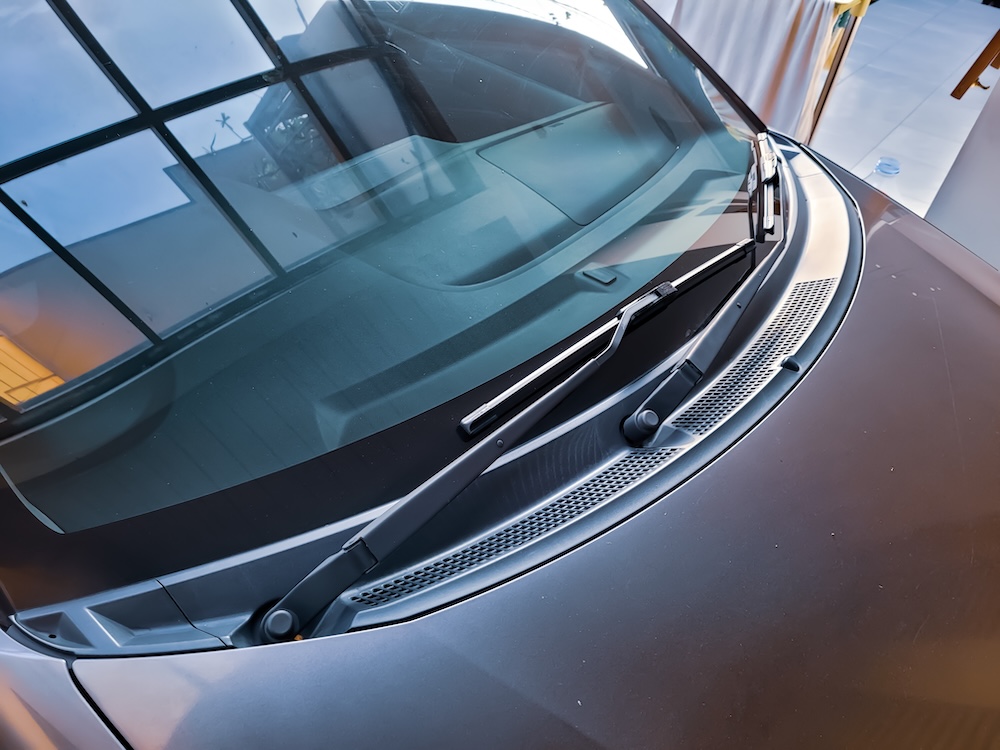
A clean and clear windscreen is essential for safe driving, especially in a country like Singapore where sudden rain and glare are common. Most of us only realise something is wrong when a crack appears, the glass starts to fog more than usual, or night-time glare makes it hard to see. Regular care can make a big difference to both safety and comfort. This article breaks down the basics of cleaning, tinting, and repairing your windscreen, and how to tell if it’s time to replace it.
Keeping It Clean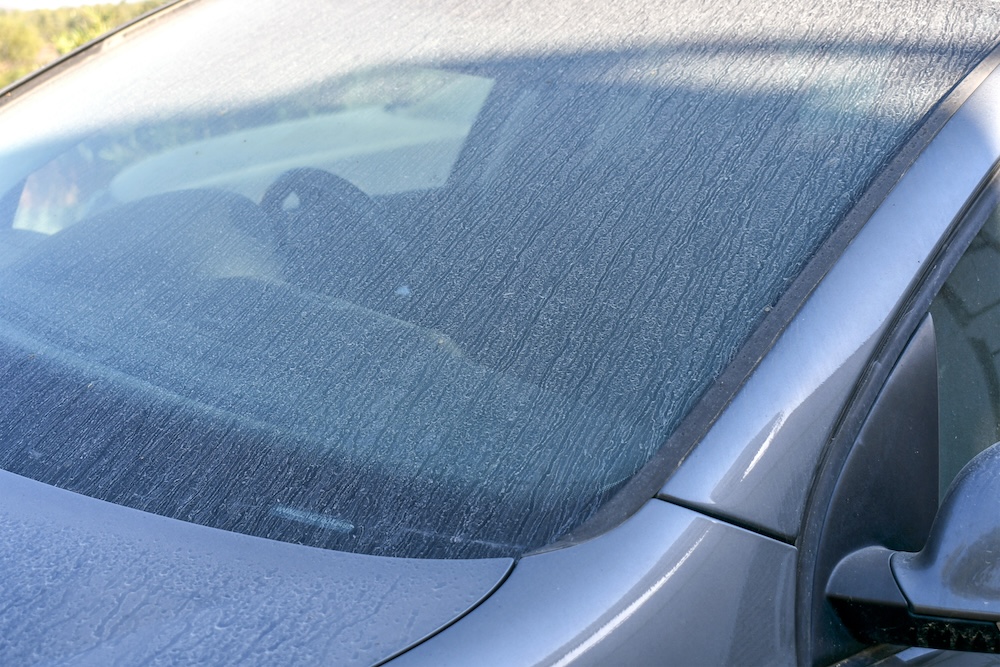
Dust, rainwater stains, bird droppings, and road grime can build up quickly. Regular cleaning helps maintain visibility and prevents scratches from dirt particles. Use a car-friendly glass cleaner, not household cleaners, as they may leave streaks or damage coatings on the glass. Look for ammonia-free automotive glass cleaners from brands like Rain‑X, Meguiar’s, Sonax, or similar, which are widely available in Singapore from around S$10 to S$20 a bottle.
Clean the windscreen inside and out every week. Start with a microfibre cloth and a spray of cleaner. Wipe in circular motions, then finish with straight strokes. Don’t forget to lift the wipers and clean underneath. The inside often gets a film of haze that builds up over time due to air-conditioning systems and plastics releasing gases, especially in hot climates.
Avoid using old rags or paper towels, which can scratch the surface. And always check your wiper blades; worn or cracked blades can cause fine scratches that worsen over time.
The Truth About Tinting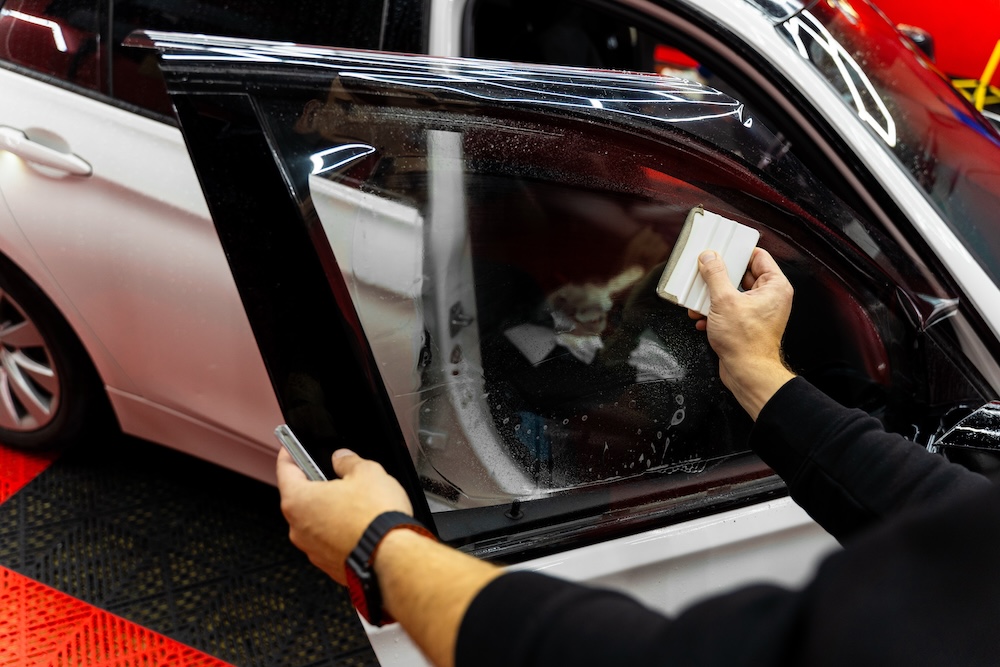
In Singapore, many cars have tinted windows to reduce glare and heat. A good tint film can keep your car cooler and protect your dashboard and upholstery from fading. Quality tinting also helps block UV rays, which can lower the risk of skin damage during long drives.
However, darker isn’t always better; it can reduce night visibility, especially in poorly lit areas, making it harder to see pedestrians, cyclists, or other vehicles.
Because of these risks, tinting is regulated. The Land Transport Authority (LTA) requires at least 70% visible light transmission on the front windscreen and front side windows, and at least 25% on the rear windows. The front windscreen tint must also not obstruct signals between the in-vehicle unit and ERP gantries. Exceeding these limits counts as an illegal modification. Drivers may face fines of up to S$5,000 or three months in jail, and must remove the tint immediately.
Always go to a licensed installer. Poor installation can cause bubbles or peeling film. Over time, even the best tints degrade due to exposure to sunlight and humidity, so you might need re-tinting every five to seven years, depending on quality and use.
Spotting the First Signs of Damage
Even a small chip can become a crack over time, especially in Singapore’s tropical heat. A windscreen expands and contracts as temperatures change, so tiny damage can spread quickly.
Tiny chips can often be repaired if caught early, especially those less than a five-cent coin in size. Modern resin technology allows technicians to fill chips and restore strength but once dirt or moisture gets into the crack, repair becomes less effective.
Inspect your windscreen regularly and look for small chips or star-shaped fractures. If you feel a bump or catch your fingernail on a mark, it’s worth checking with a professional. Cracks longer than 30 cm usually mean replacement is necessary because they affect structural integrity.
When to Repair and When to Replace
Here’s a simple rule: repair small chips, replace large cracks. Timing matters because damage to the driver’s line of sight can scatter light and distort vision, even after repair.
If the chip is small and away from your view, repair makes sense. It’s affordable and quick, usually done within an hour. But if the crack reaches the edges of the glass, it compromises the windscreen’s bonding to the car’s frame. In that case, replacement is the safer option.
For modern vehicles with front sensors, cameras, or rain detection systems, replacing a windscreen might also require recalibration. This is important to ensure safety features like lane departure warnings and automatic braking function correctly. Always verify with your service centre after replacement.
The Cost Factor
Repairing a small chip usually costs less than replacing the entire glass. Prices in Singapore can range from around S$60 to S$150 for minor repairs, while a full windscreen replacement typically costs several hundred to thousand dollars, depending on the technology and vehicle model.
Insurance usually covers windscreen replacement under comprehensive plans, but it’s wise to confirm coverage and any potential excess. Some insurers offer one free replacement per policy year. Drivers with older vehicles sometimes hesitate to replace the windscreen, but safety should always come first.
Best Practices for Long-Term Care
Prevention saves money and hassle.
- Try to park in shaded areas to avoid extreme heat exposure, which can worsen minor damage or weaken the tint film.
- Avoid slamming doors when all windows are closed because it creates air pressure that may spread cracks.
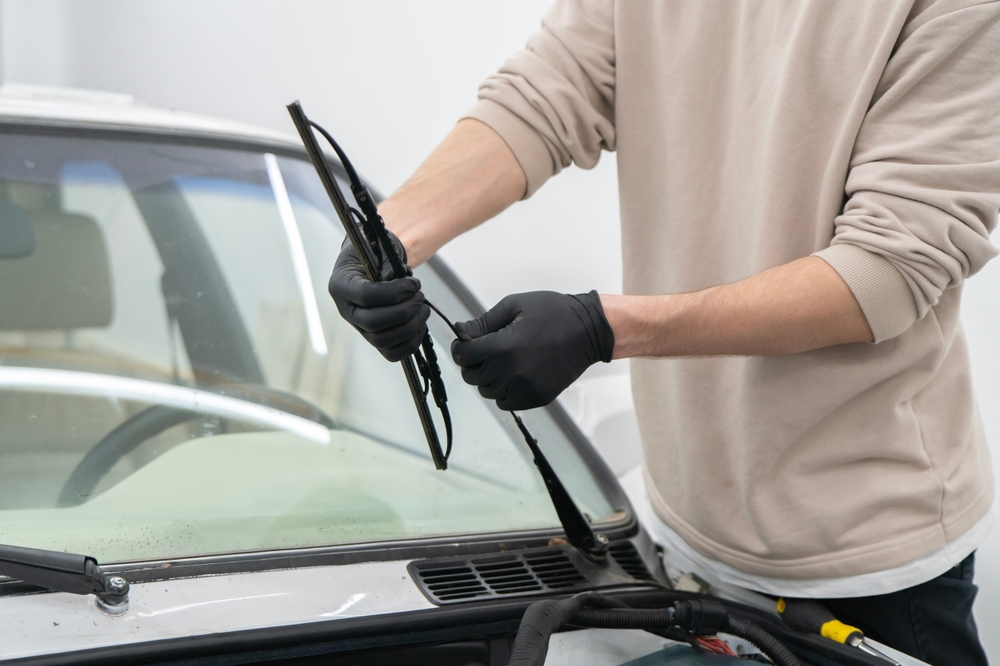
- Change wiper blades at least once a year. They’re inexpensive and prevent streaks that reduce visibility.
- After washing the car, check for chips or unusual reflections in the glass. Keeping a close eye helps you act before small issues become expensive problems.
- Also, consider using rain repellent products. These create a hydrophobic coating that makes water bead up and roll off easily during downpours, improving visibility even without wipers at full speed.
Regulations and Safety Checks
Singapore’s road safety laws set clear guidelines on vehicle conditions, including windscreens. According to the LTA, vehicles must meet transparency standards and have windscreens free of major cracks or damage. During periodic vehicle inspections, visible damage can cause a failed test.
If you’re planning to modify your car, remember that adding stickers or tinted sun strips above the legal limit can cause your vehicle to fail inspection. It may mean more frequent checks every three to six months if placed under monitoring. Non-compliance can result in fines up to S$1,000 or three months’ imprisonment, and repeated offences may even lead to deregistration of the vehicle.
Final Thoughts
A well-maintained windscreen is more than a piece of glass; it’s part of the car’s structure and a key driver safety feature. Regular cleaning, proper tinting, and timely repairs extend its life. For Singaporeans driving in humid and often unpredictable weather, taking care of your windscreen should be routine, not an afterthought. Stay alert to small changes, act early, and your journeys will be that much clearer and safer.