

The switch from petrol pumps to charging stations mirrors society’s push for green living, cheaper runs, and smart tech. In Singapore, this shift hits close to home amid tight roads and bold policies.
Petrol cars once defined freedom and status, and people loved the engine’s growl and quick fill-ups at any station. But global sales of these cars dropped as electric vehicles (EVs) took 43% of new sales in early 2025, up from 9% in 2019. In Singapore, EVs hit 40% of new registrations in Q1 2025, up from 33% the year before. This change shows worry over fuel costs and dirty air.
Global Surge in EV Uptake
China leads with over half of the world’s battery EV sales, helped by strict government policies that push automakers toward electric production and limit petrol car growth. These rules also set safety and efficiency standards for batteries and vehicles. Europe comes next with about 22% of sales. The US trails at 12%, mainly because EVs cost more and charging stations remain scarce compared to demand. Within Europe, Norway stands out — nearly 90% of new cars sold there are fully electric. This dominance comes from generous tax breaks, including exemptions from VAT, import duties, and road taxes. These incentives make EVs cheaper than petrol cars and boost charging investment. Across regions, data shows a global move toward cleaner travel, with societies more focused on sustainability adopting faster.
Singapore’s Fast Track to Electric
In Singapore, EVs made up 53% of new car sales in October 2025, driven by strong government support such as the EV Early Adoption Incentive, which provided up to $40,000 in rebates and set the Additional Registration Fee floor at zero. Internal Combustion Engine (ICE) cars, in contrast, did not receive equivalent benefits. Their taxes and fees remained high under policies designed to discourage petrol and diesel use. The aim was clear: make electric ownership more affordable while nudging drivers away from fossil fuels.
Category A cars: the smaller, city-friendly models, accounted for around 45% of all EVs sold, reflecting how compact designs suit Singapore’s urban roads and limited space. Meanwhile, total car registrations rose by about 35% in early 2025 after more COEs were released. This growth covered the entire market, not just EVs, suggesting that while overall demand for cars rebounded, electric models led the shift toward cleaner mobility. With these measures, Singapore hopes to cut total vehicle emissions by half in the coming years.
Why Environment Tops the List
People choose EVs to fight climate change. They cut tailpipe pollution and run cleaner, even on Singapore’s mostly gas-powered grid. Around the world, driving is no longer just about personal freedom but about responsibility, too: road trips and daily commutes now come with an awareness of carbon footprints.
In dense cities like Singapore, this shift matters most: quieter streets and cleaner air improve the quality of life for everyone, especially those who live near busy roads or rely on walking and public transport. Buyers are beginning to see EVs not just as vehicles, but as a statement of green values and long-term sustainability.
Affordability: EVs Edge Ahead Long-Term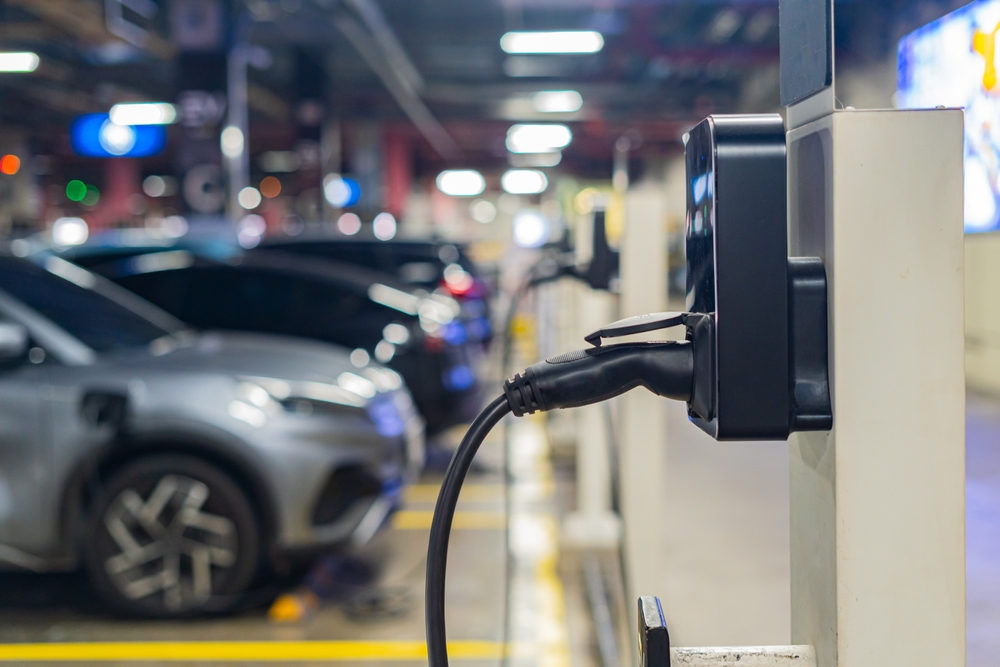
Upfront, EVs still cost more. As of mid-2025, a basic electric model in Singapore averaged around $170,000, compared with a petrol-driven car priced at roughly $105,000. But running costs tell a different story. With petrol at about $2.65 per litre, filling a standard tank comes to nearly $120 each time. Over time, EV owners save as electricity rates remain lower.
However, home charging isn’t practical for most here. Over 80% of Singapore residents live in high-rise HDB flats or condos with shared parking. Private chargers need building approval, upgrades to old wiring, and enough grid power — which many older blocks lack. Space constraints and safety rules often block individual installs too. Public stations and mall chargers step in instead, with lower per-kWh rates than petrol. Across 10,000 km of driving, EVs still cost close to $2,500 less to run than petrol cars. Rebates further close the price gap, making EVs the smarter choice in the long run. Singapore’s incentives are built around this math, encouraging drivers to switch while keeping total ownership costs manageable.
Tech Pulls Drivers In
EVs come with smart screens, over-the-air software updates, and, in newer models, limited self-driving functions. These features appeal to tech-savvy drivers who treat cars less as machines and more as connected devices.
In Singapore, where daily commutes are short and parking is tight, drivers appreciate the quiet, smooth rides and the convenience of app-based charging that tracks usage and payments in real time. Globally, EV ownership now signals progress and status, much like owning the latest smartphone once did.
As battery capacity improves and fast-charging networks expand, EVs are no longer niche or experimental; they’ve become practical for everyday use. Societies that value innovation and digital integration tend to adopt these technologies more quickly, seeing EVs as part of a modern, tech-driven lifestyle.
Challenges Slow the Shift
Charging infrastructure still lags in many areas, especially where demand outpaces supply. In Singapore, new stations keep appearing in HDB car parks and malls. Still, coverage remains uneven: rural edges, older estates, and underground basements often lack fast chargers or reliable grid support. High installation costs and power limits add to the strain, beyond just chargers themselves. Range anxiety lingers for longer drives outside the city, tied to battery limits and charger spacing, though short urban trips pose no issue.
Rebates for hybrids were slashed to prioritise full battery EVs, aligning with the goal of zero tailpipe emissions. In the US, tariffs raise import costs and curb sales globally. Nostalgia for the rumble of classic engines and open-road freedom holds back some buyers, too. Still, networks keep growing, which eases these worries over time.
What it All Means for Society
Mobility choices reveal what societies value most. Green priorities lead the way in places like Singapore and Norway. Singapore drives EVs forward with the Green Plan 2030, targeting net-zero emissions by 2050, and phasing out diesel cars and taxis by 2025. All new cars will run on cleaner energy by 2030. Rebates and new chargers make EVs work in a packed city. Norway pushes for zero-emission new cars by 2025, even with its oil riches. EVs dodge VAT, registration fees, and road taxes. Drivers gain bus lane access, low tolls, and free parking. These moves slash transport emissions by a third by 2030. Affordability guides budgets, and tech draws in the young. Car culture changes from owning gas hogs to shared, green rides. Our island’s tight roads call for smart picks. EVs signal a true shift: less waste, more shared future. And as adoption nears 50%, petrol’s hold weakens.