

Discover the wonders of Sarawak, Malaysia’s largest state, where ancient rainforests, vibrant cultures, and unforgettable flavours await. This quick guide covers what to do, eat, and see for an inspiring, hassle-free adventure.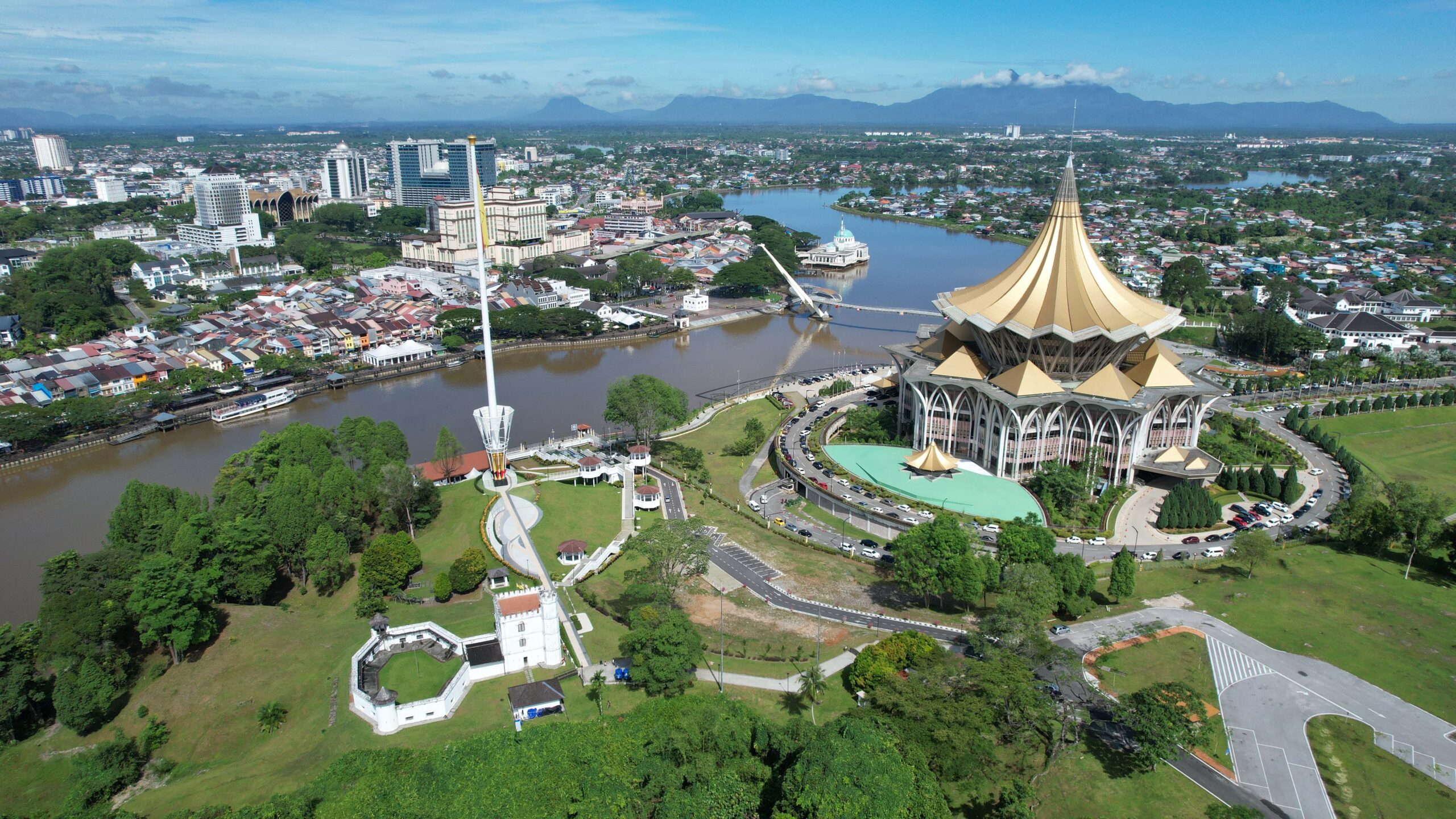
Perched on the northwestern coast of Borneo, Sarawak is a treasure trove for travellers seeking both adventure and authenticity. With its lush jungles, storied longhouses, and a tapestry of indigenous cultures, Sarawak promises a journey like no other in Southeast Asia. Whether you’re drawn by orangutans, peppery laksa, or riverine villages, this travel guide will help you experience the very best of this enchanting Malaysian state.
 What to Do
Explore Borneo’s Rainforests:
Dating back approximately 140 million years, Borneo’s rainforests rank among the world’s oldest ecosystems: predating the Amazon by over 70 million years and harbouring unparalleled biodiversity with over 15,000 plant species and 222 mammals. Spot iconic wildlife like proboscis monkeys (mangrove dwellers with pendulous noses), orangutans (arboreal red apes), pygmy elephants, hornbills (rhinoceros and pied varieties), sun bears, clouded leopards, flying squirrels, and bearded pigs through guided treks, night walks, canopy boardwalks, river boat safaris, or feeding platform viewings at sanctuaries.
Plan your visit by visiting the Sarawak Forestry website for park permits and trail maps and Borneo Adventure for wildlife tours and packages.
Bako National Park
Sarawak’s oldest national park, Bako, is a compact yet astonishing showcase of Borneo’s biodiversity. Covering only 27 square kilometres, it’s home to proboscis monkeys, bearded pigs, silvered leaf monkeys, and over 150 species of birds. Trails wind through mangroves, cliffside forests and hidden beaches—perfect for hikers of all levels.
Visitors can stay overnight in comfortable chalets equipped with electricity, running water and basic amenities, allowing for early morning wildlife spotting when the jungle is most alive.
Opening hours: 8AM– 5PM daily
Getting there: About 37 km from Kuching; take a short boat ride from Bako Village.
Semenggoh Wildlife Centre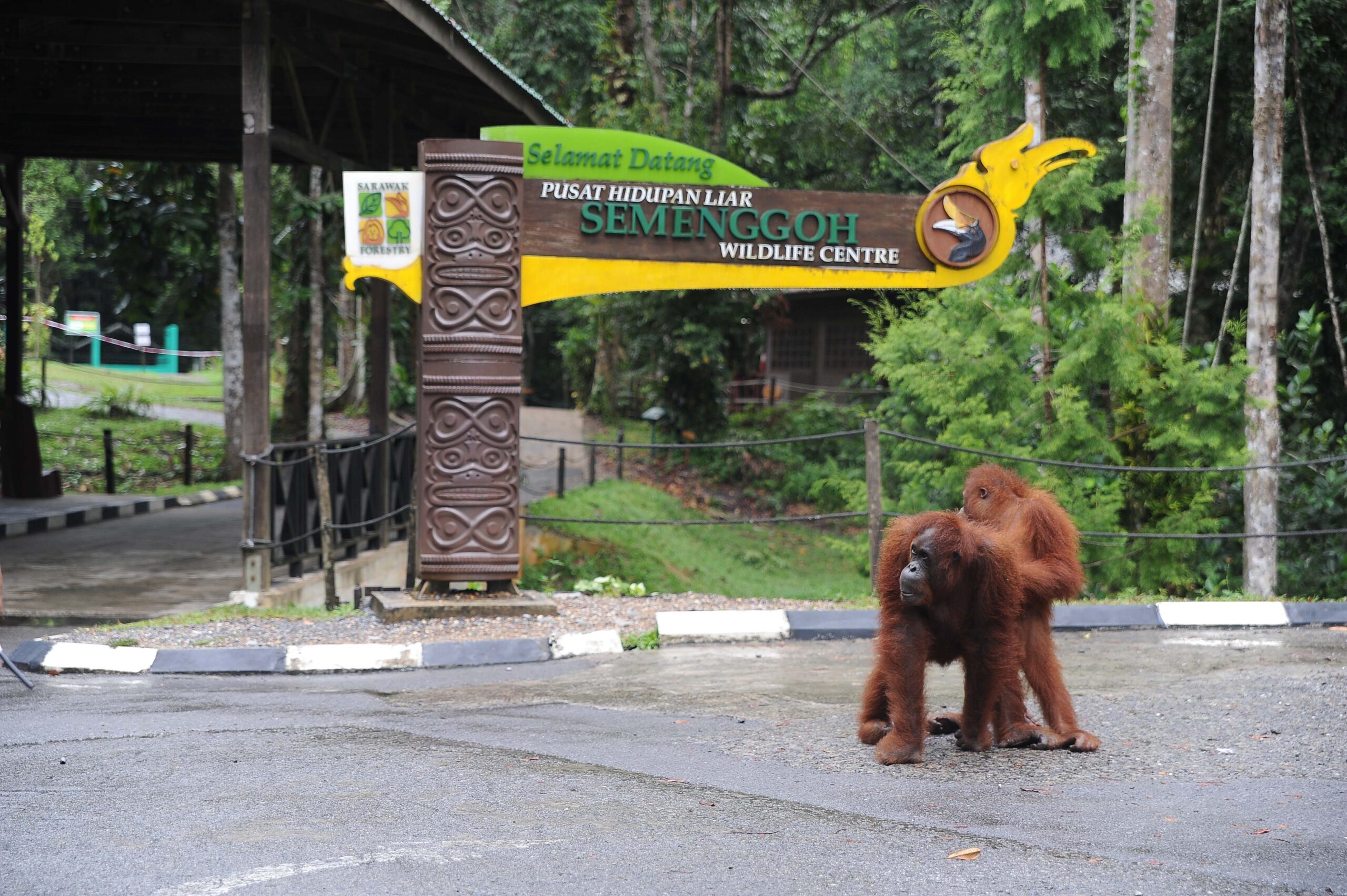
Just outside Kuching, Semenggoh Wildlife Centre offers one of the most accessible ways to see semi-wild orangutans in their natural forest environment. Time your visit to the morning or afternoon feeding sessions to maximise your chances of watching these gentle apes emerge from the canopy, swing between trees, and interact on the feeding platforms.
Several local operators and guesthouses in Kuching offer convenient half-day tours that bundle return transfers, entrance fees, and a guide who can share conservation insights and help you spot other wildlife along the trails. DIY travellers can also visit independently by taxi or ride-hailing service, then either walk the short paved road to the feeding area or pay extra for a buggy ride if they prefer to save time and energy.
Ticket prices are typically around RM10 for foreign adults and RM5 for foreign children aged 6–17, with discounted rates for Malaysians and free entry for young children, though fees are subject to change, so it is best to check ahead. The centre normally opens to visitors during two main windows, 8AM–10AM and 2PM-4PM, corresponding with the orangutan feeding times.
Cruise the Rivers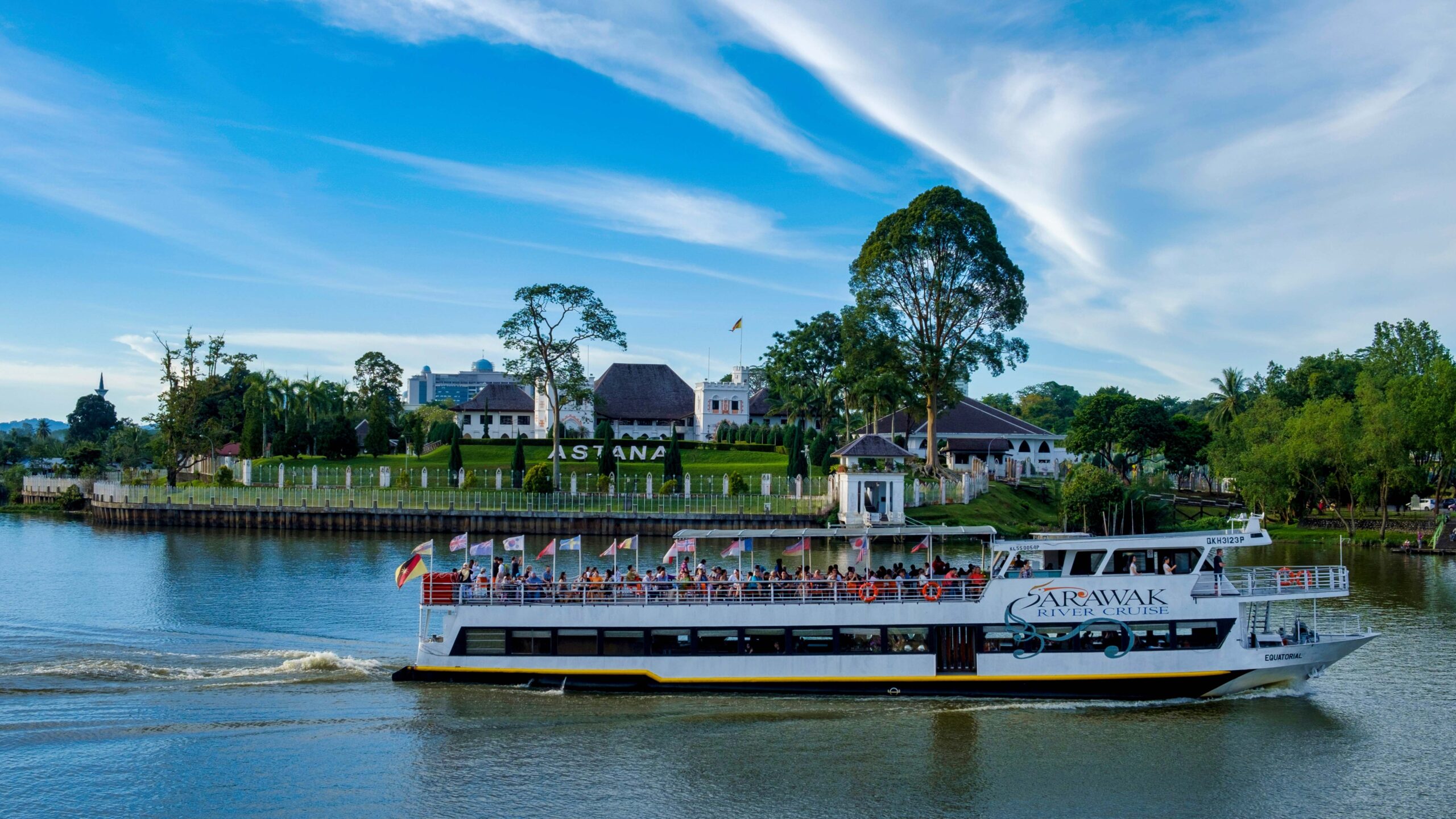
Sarawak’s rivers are the lifeblood of its culture, history, and wilderness, carving through ancient rainforests and linking remote longhouses to bustling towns in ways roads never could. The mighty Rajang—Malaysia’s longest river—winds past Iban and Orang Ulu communities, offering glimpses of stilt villages, exotic wildlife like proboscis monkeys, and unspoiled backwaters teeming with aquatic life. Adding a river cruise to your itinerary delivers an authentic Borneo experience: cooler than jungle treks, more immersive than city tours, and a serene way to witness daily life unfold along swampy banks where longboats still rule.
Sarawak River Cruise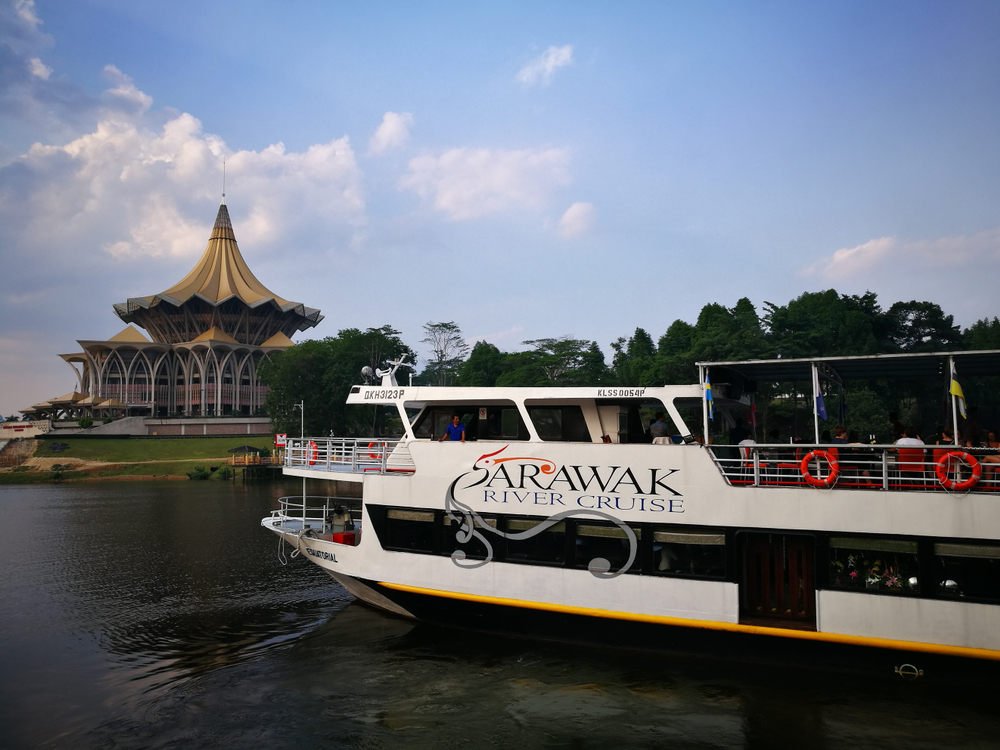
Hop aboard a traditional tambang boat, or opt for a modern pontoon from Kuching’s waterfront for an unforgettable Sarawak River Cruise, where the city’s colonial past meets its vibrant present against a stunning tropical backdrop. What makes this special is the seamless blend of perspectives: glide past Brooke-era landmarks like Fort Margherita and the Astana, stilt villages with laundry fluttering in the breeze, golden-domed mosques, and lush mangroves, all while the sky ignites in sunset hues and city lights flicker to life, offering a cooler, panoramic alternative to street-level sightseeing.
Their Signature Sunset Cruise is the most popular, departing at 5:30 PM daily for 90 minutes, and returns at around 7 PM. It’s perfect for golden-hour photos of Kuching’s skyline and a relaxing snack. Tickets cost around RM70 per adult and RM35 per child, with complimentary entry for children under four. Prices may vary slightly during promotions or if you book via tour agencies that bundle hotel pick-up and transfers into the package.
Their sightseeing cruises run at 3 PM on Fridays, Saturdays, and Sundays for 1 hour. It’s a shorter, daytime option that focuses on historical sites and river life, ideal for families or those short on time. Similar pricing at RM50–RM80.
Many operators provide round-trip transfers from central Kuching hotels, English commentary, and optional upgrades like cultural shows. Book via the official site for reliability.
Batang Ai
Venture deeper into Sarawak’s interior for an exhilarating longboat journey across Batang Ai Lake, created by a hydroelectric dam in the 1980s and serving as the gateway to remote Iban longhouse communities amid pristine rainforest. This journey immerses you in Borneo’s wild heart: glide past fish farms and rice paddies, then up narrow tributaries to reach traditional longhouses where headhunting history lingers in warrior tattoos and tuak rice wine toasts.
Popular Tours & Packages (typically from Kuching):
3D2N Longhouse Stay: Drive 4 hours to the lake, then a 1-hour longboat ride to Nanga Sumpa or similar. Includes jungle treks, waterfall swims, riverside BBQs, and cultural evenings. Prices: RM1,200–RM2,500 per person (twin share), covering meals, guide, transfers, basic longhouse lodging.
2D1N Express: Shorter version focusing on lake crossing and one night with Iban hosts—ideal for time-pressed travellers. Around RM800–RM1,500 per person.
Booking is essential via tour operators as the weather affects river levels.
Experience Indigenous Culture
Sarawak boasts over 30 ethnic groups, with the Iban (largest, known for longhouse communal living), Bidayuh (hill rice farmers with ring-lady traditions), Orang Ulu (riverine highlanders famed for intricate tattoos and woodcarvings), Melanau (coastal fishermen in tall stilt houses), Penan (nomadic hunter-gatherers), plus Malay and Chinese communities blending seamlessly.
Be culturally sensitive, bring small gifts (sugar, tea, cigarettes) for longhouse hosts as an appreciation, and ask for permission before photographing people or interiors. Dress modestly, with shoulders and knees covered; remove shoes when entering homes. Expect no WiFi or hot showers, and embrace basic amenities like shared bathrooms and mosquito nets. Finally, participate respectfully in rituals; alcohol (tuak rice wine) flows freely during feasts.
Iban Longhouse Visits
No trip to Sarawak is complete without meeting the Iban people: Borneo’s largest indigenous group and former headhunters who migrated from Kalimantan centuries ago, building massive communal longhouses (rumah panjai) along rivers to house 20–100 families under one roof. Spend a night in a traditional longhouse, join blowpipe demonstrations, listen to warrior stories by the fire, weave pua kumbu textiles, sip potent tuak rice wine, and share bamboo-cooked meals on the ruai (communal veranda)—an authentic immersion where power flickers, roosters crow at dawn, and hospitality reigns supreme.
What to Expect: River longboat access, basic shared bathrooms (bucket showers common), mosquito nets, group sleeping on mats, cultural rituals, jungle treks, and early feasts. Not for the faint-hearted, but transformative.
For an easy, pre-arranged experience, look for named packages rather than browsing blindly through each operator’s site. Two good starting points are:
2D1N Iban Longhouse Experience (Batang Ai) – A classic overnight trip that combines a scenic drive from Kuching, a longboat ride across Batang Ai and a homestay at an Iban longhouse, usually including meals, basic accommodation and cultural activities such as blowpipe demonstrations and traditional dances. You can find and book this under “2D1N Iban Longhouse Experience (Batang Ai)” on major tour platforms or via longhouse-focused operators’ pages.
3D2N Batang Ai Headhunter’s Longhouse Discovery – A deeper 3-day immersion into one of the last remote Iban longhouses at the Batang Lupar headwaters, with jungle walks, riverside BBQ lunches and evenings of storytelling over tuak rice wine. This specific package is listed as “3-Day Batang Ai Headhunter’s Longhouse Discovery” on the Parades of Borneo website.
Official Tour Operators (book ahead):
Borneo Adventure – 2D1N from RM800/person Look for their 2D1N Iban longhouse / Batang Ai longhouse packages on their Tours page).
Parades of Borneo – 3D2N ‘Batang Ai Headhunter’s Longhouse Discovery’ from around RM1,200+ per adult, including transport, meals and basic longhouse lodging.
Sarawak Tourism – Approved listings.
Sarawak Cultural Village
Located near Damai Beach, this award-winning living museum spans 17 acres and showcases authentic replicas of traditional homes from Sarawak’s seven major ethnic groups: Iban and Bidayuh longhouses, Orang Ulu longhouse, Melanau tall house, Penan hut, Malay stilt house, and Chinese farmhouse. Residents in traditional attire demonstrate daily crafts like blowpipe shooting, pua kumbu weaving, bamboo carving, top-spinning, and sape playing, culminating in vibrant multicultural dance shows (11:30 am & 4:30 pm) at the Rainforest Music House; perfect for a half-day cultural deep dive.
Opening Hours: 9AM – 5:15PM daily (last entry 4:15 PM).
Entrance Fees: RM65 adults (non-Sarawakian), RM55 Malaysians, RM30 children (4–12); free for under 4. Buy on-site, via Klook/Viator, or the SCV app (iOS/Android), which offers virtual tours, show schedules, stamps for discounts, and treasure hunts.
 Where to Stay
The Culvert, Santubong

Image Credit: The Culvert, Santubong
Set against a jungle backdrop near Damai Beach, The Culvert offers eco-friendly pod-style stays with Instagram-worthy views and a calming, away-from-the-crowd atmosphere. Choose this if you want a unique, design-forward stay close to the sea and Sarawak Cultural Village, with a touch of “nature glam” rather than a standard hotel.
📍 Santubong | Website
From: S$80 per night
The Ranee Boutique Suites, Kuching

Image Credit: https://www.theranee.com
A charming boutique hotel in a beautifully restored colonial building, The Ranee offers individually designed suites with plenty of character and local touches. Pick this if you love heritage architecture, intimate stays, and being right in the heart of Old Kuching—steps from the Main Bazaar, waterfront, and key sights.
📍: Main Bazaar area, Kuching Old Town | Website
From: S$85 per night
Permai Rainforest Resort, Santubong
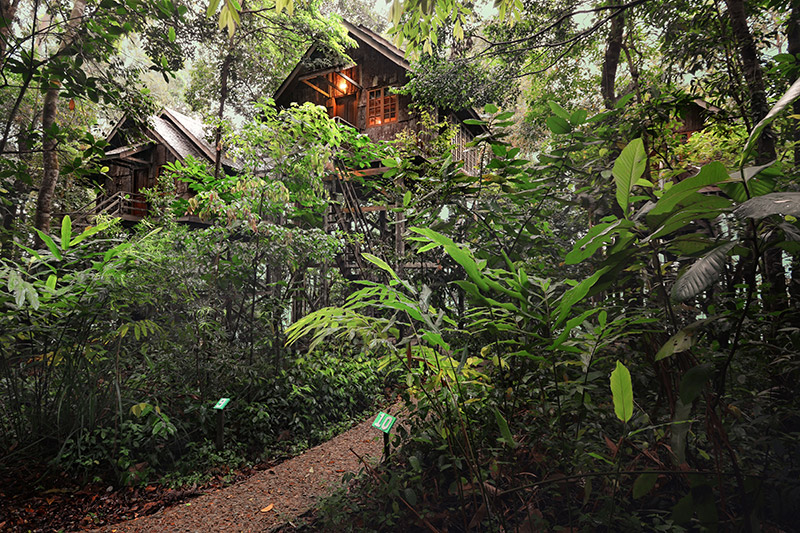
Image Credit: Permai Rainforest Resort
Nestled in an ancient rainforest and just steps from the sea, this eco-resort features treehouses and cabins that make you feel properly “in” Borneo. Stay here if you want easy access to jungle trails, beach time, and soft-adventure activities, while still having the comfort of a managed resort.
📍 Near Mount Santubong & Damai Beach | Website
From: S$95 per night
The Waterfront Hotel, Kuching
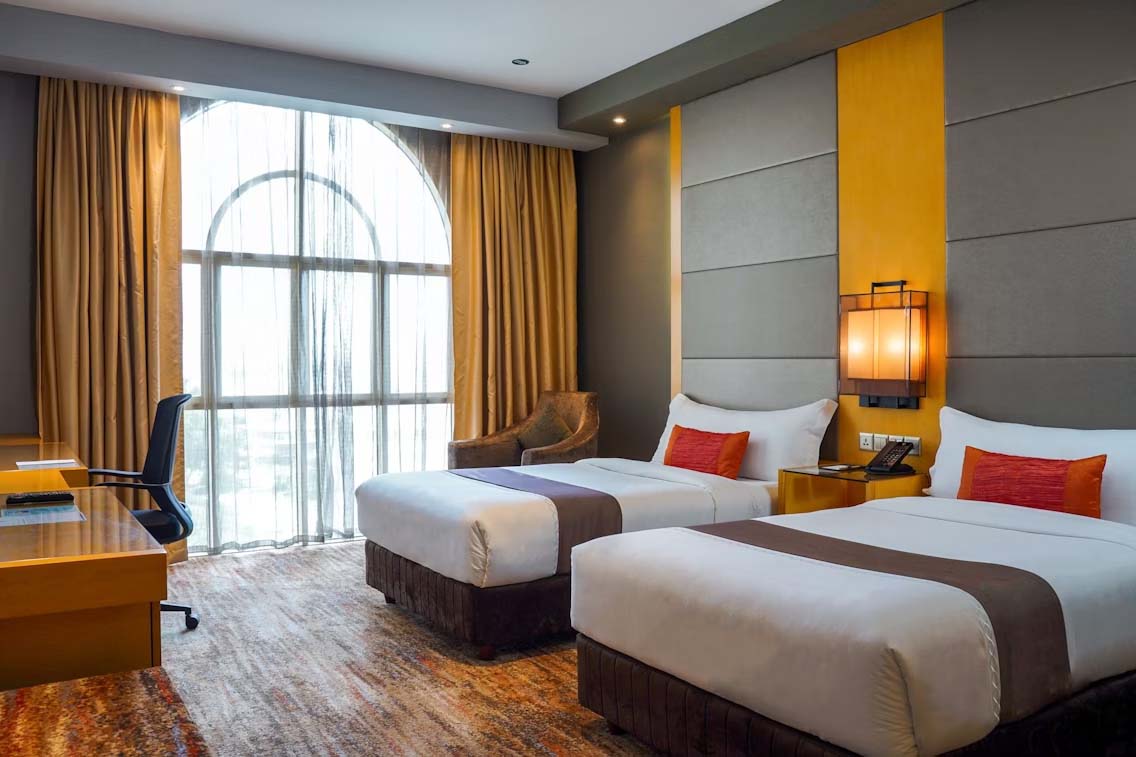
This modern hotel offers river views, comfortable rooms, and direct access to Kuching Waterfront and Plaza Merdeka. It’s a great choice if you want a convenient city base with shopping, dining, museums, and river cruises all within walking distance, ideal for first-time visitors.
📍 Kuching City Centre | Website
From: S$100 per night
Hilton Kuching

An international-standard hotel with riverfront views, multiple restaurants, a pool, and full-service facilities. Opt for the Hilton if you value brand-name reliability, higher-end amenities, and a central location that works equally well for families, business trips, and travellers who prefer a bit more polish.
📍 Kuching Waterfront | Website
From: S$120 per night
 What to Eat
Sarawak Laksa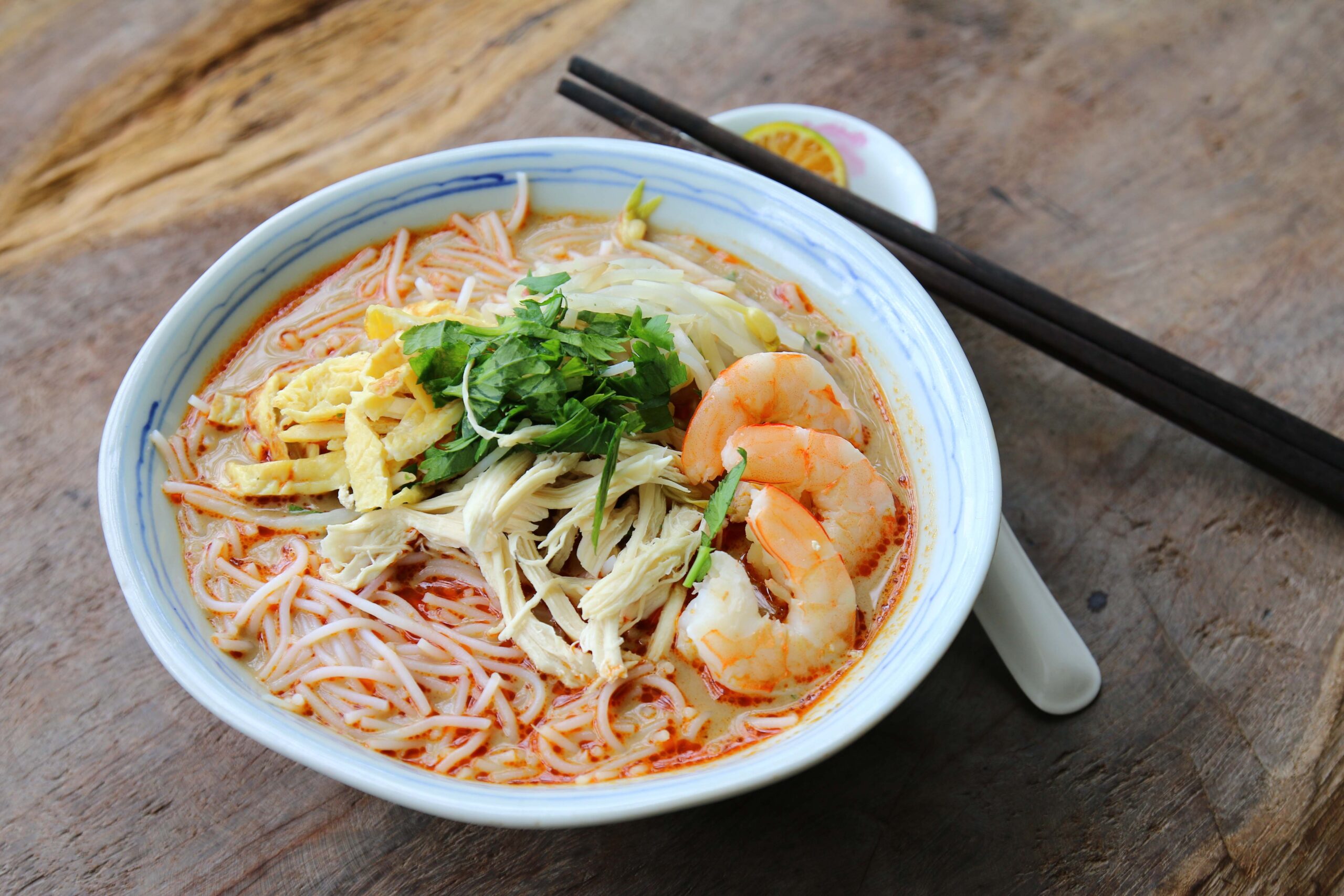
A must-try! This aromatic noodle soup features vermicelli in a spicy coconut broth, topped with shredded chicken, prawns, bean sprouts, and a squeeze of lime. Try it at Chong Choon Café (Poh Lam Laksa) or the bustling Lau Ya Keng Food Court (Mui Xin Laksa) in Kuching.
Kolo Mee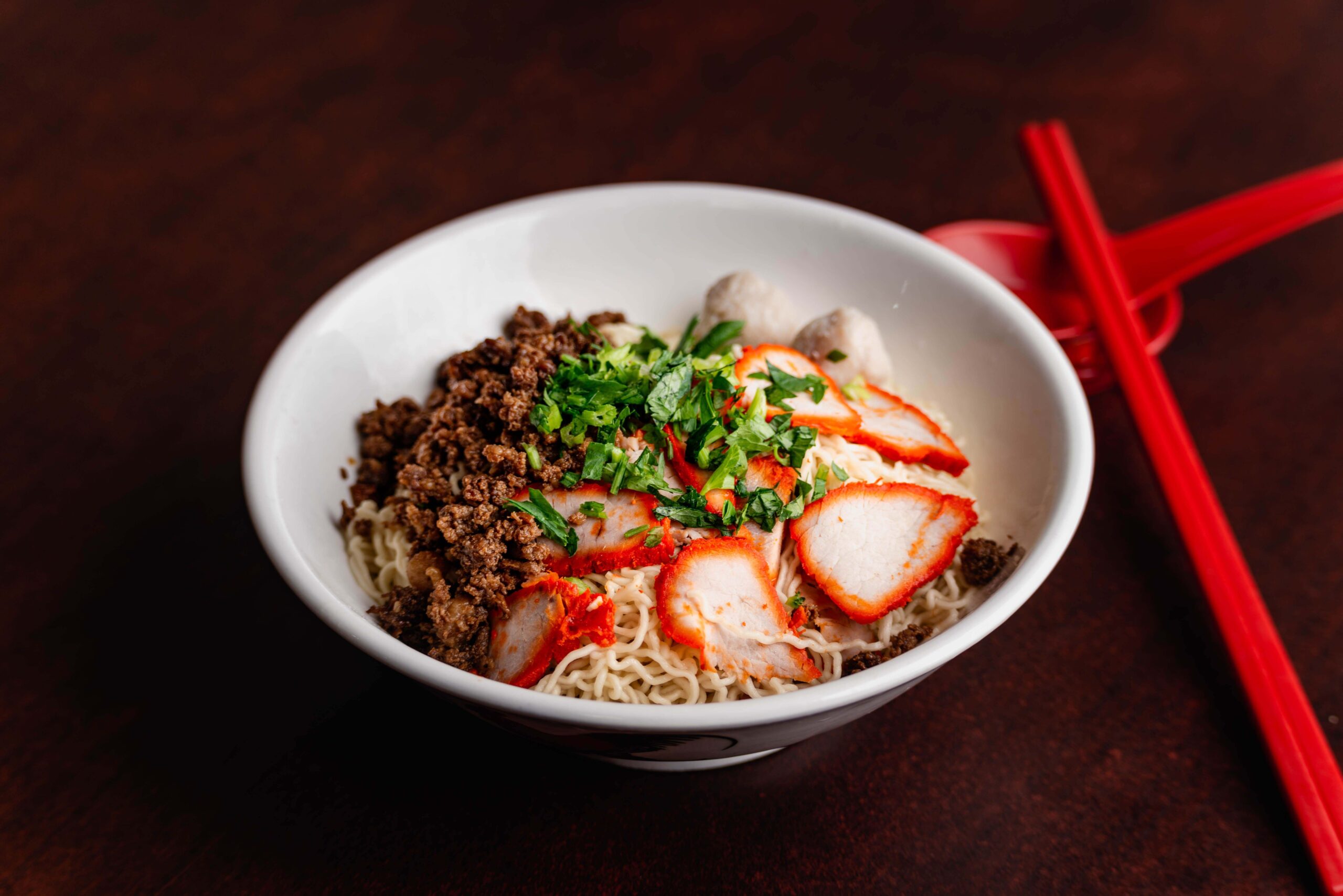
A local breakfast staple, kolo mee is springy egg noodles tossed with minced pork, shallots, and sometimes char siu. It’s simple, comforting, and found in kopitiams across the state. Top spots include Oriental Park Food Court (Jalan Tun Abang) for generous portions with crispy shallots, or Sin Ban Chong Cafe, a locals’ hidden gem serving authentic, wok-fried versions.
Manok Pansoh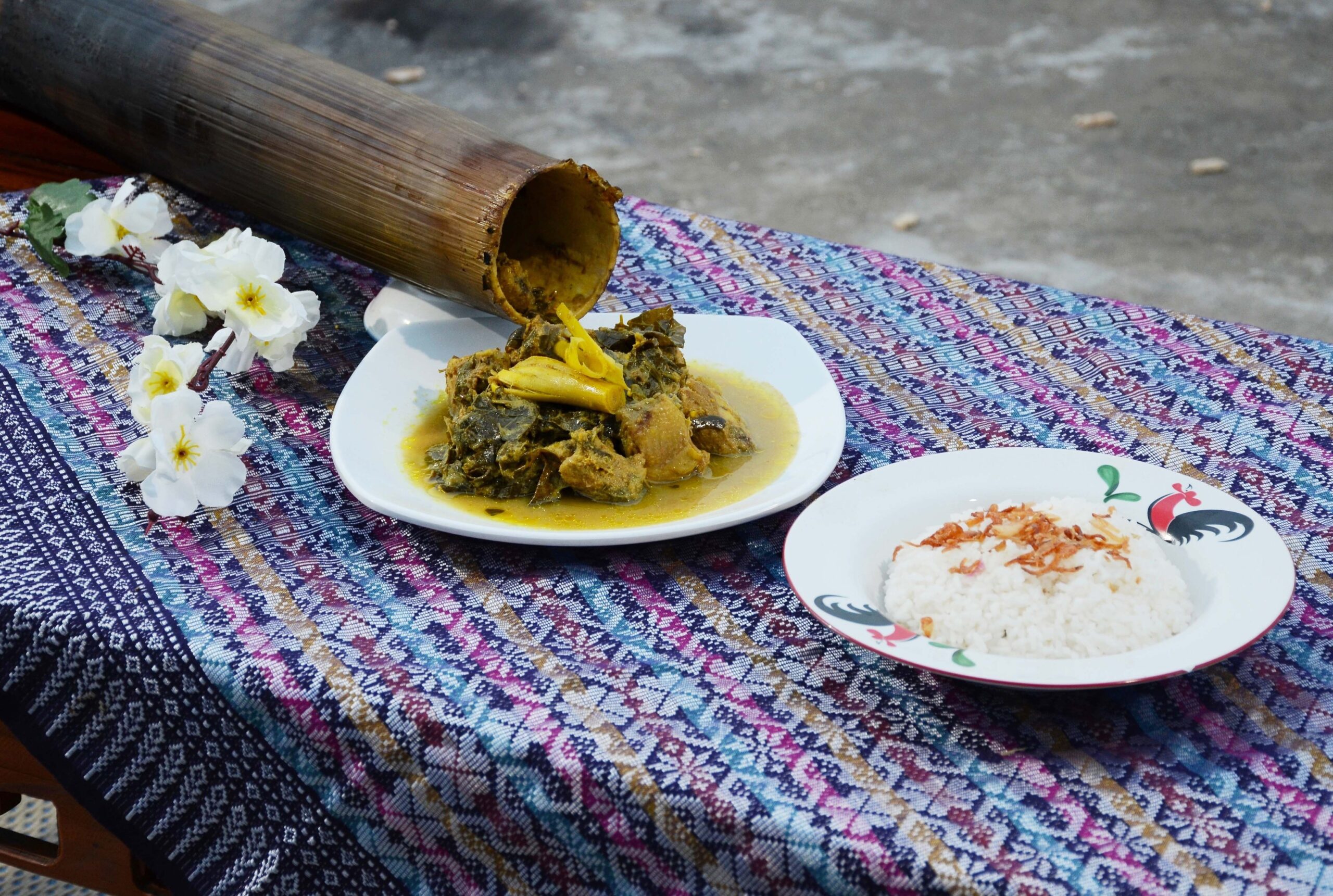
This Iban delicacy features chicken, lemongrass, and tapioca leaves, slow-cooked inside bamboo over an open fire. It’s earthy, aromatic, and best enjoyed in a longhouse or at speciality restaurants like Nadodi Café in Kuching (urban twist) or Annah Rais Longhouse during cultural tours.
Kek Lapis Sarawak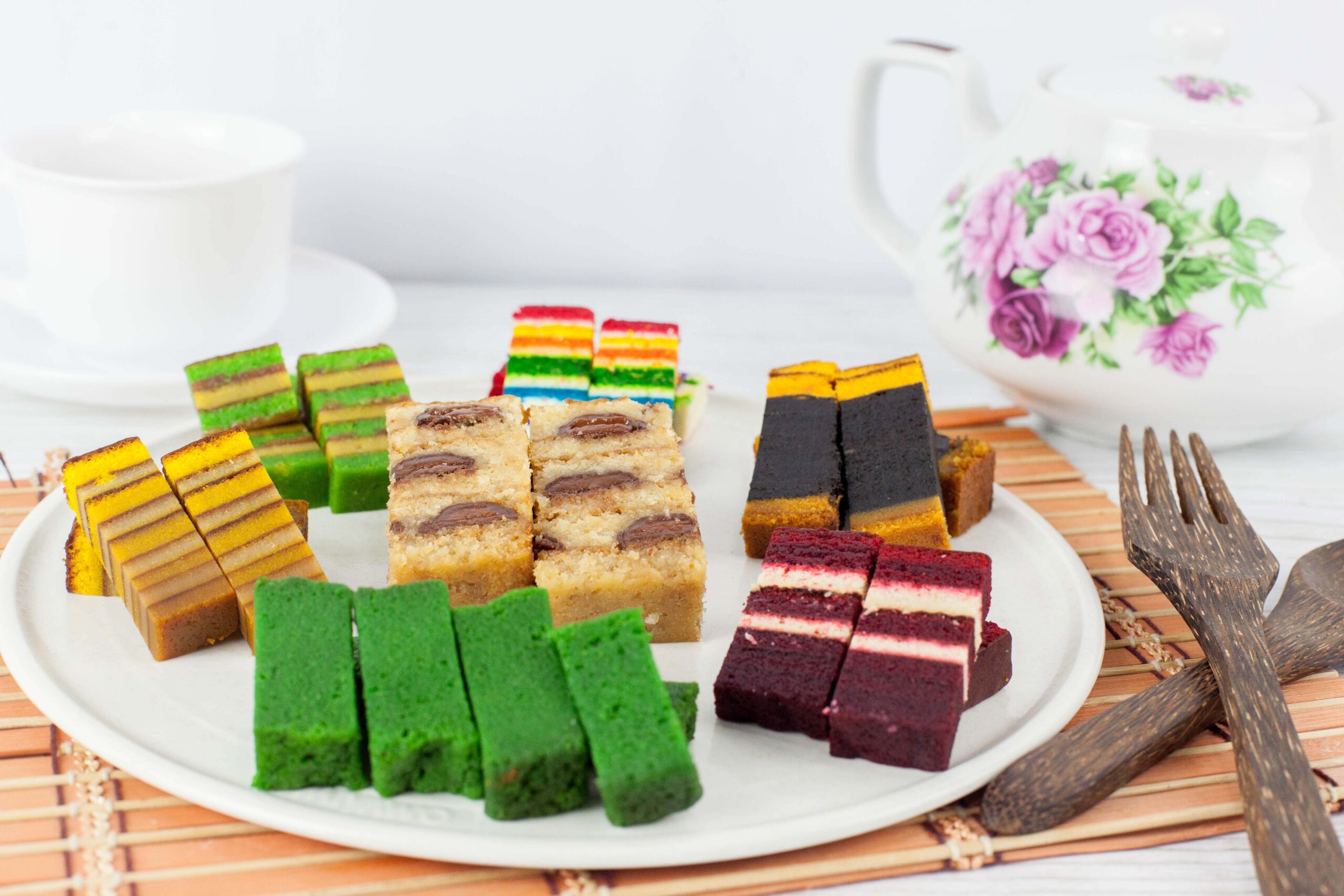
Sarawak’s rainbow-hued layer cake is as beautiful as it is delicious, featuring over 30 ultra-thin, intricately steamed layers in vibrant colours like pink, green, yellow, and chocolate, each baked separately then stacked and pressed for its dense, moist texture. Variations include classic rainbow, coffee pandan, cheese durian, and festive floral designs (often seen in photos); pick up a box at Mira Cake House for a sweet souvenir.
 What to See
Kuching: The Cat City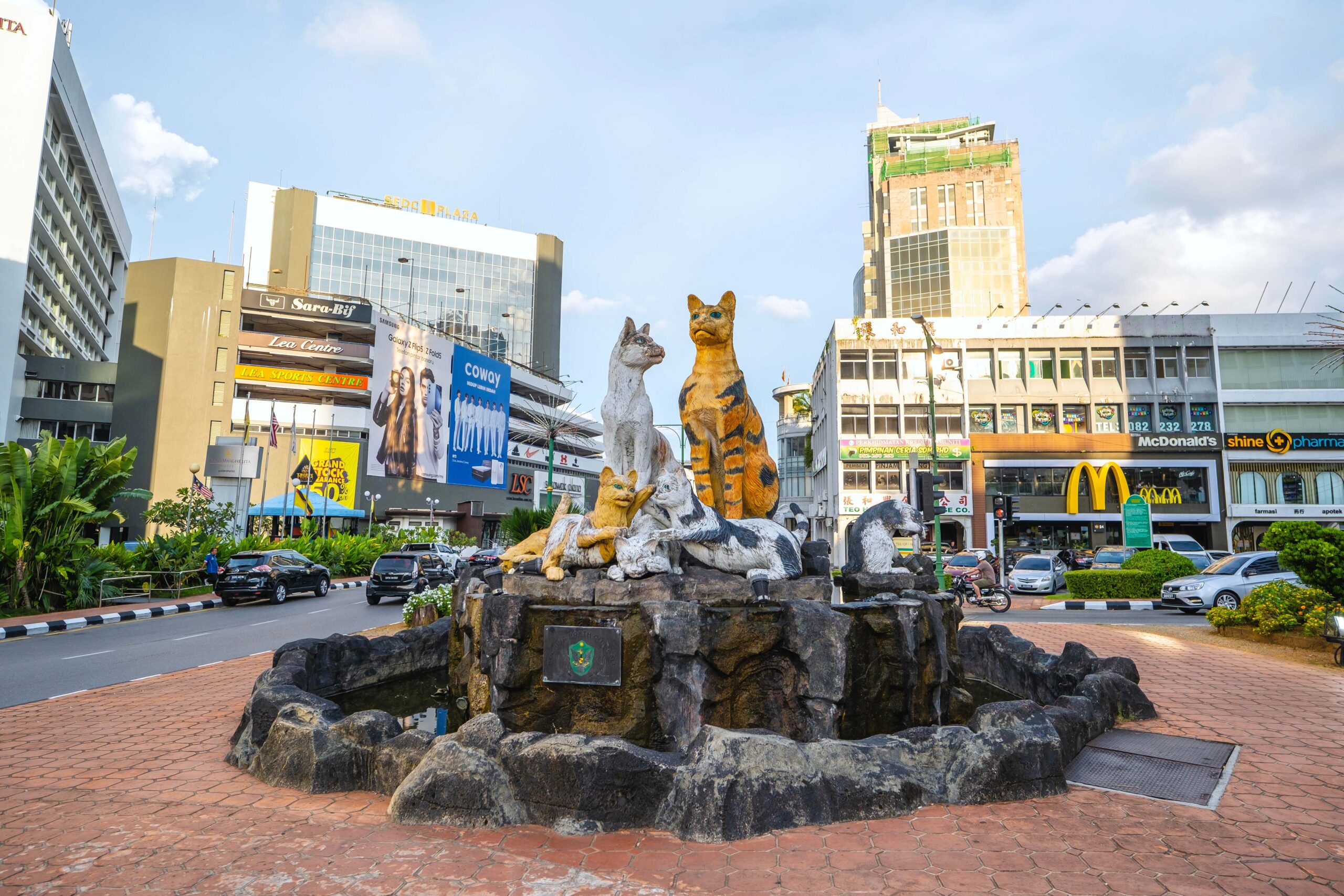
Kuching, Sarawak’s laid-back capital, proudly embraces its feline obsession, earning the nickname “Cat City” from a local misinterpretation of “kuching” (cat in Malay), now celebrated through giant cat statues, the Cat Museum, and cat-themed cafes everywhere you look. Stroll the scenic waterfront esplanade for river views, snap photos with iconic cat statues, and browse the colourful Main Bazaar for handicrafts, antiques, and pepper souvenirs.
Don’t miss Fort Margherita (Brooke Gallery inside), Astana palace gardens across the river, Sarawak Museum for ethnology exhibits, Tua Pek Kong Temple, and the Chinese History Museum; all walkable in the charming Old Town.
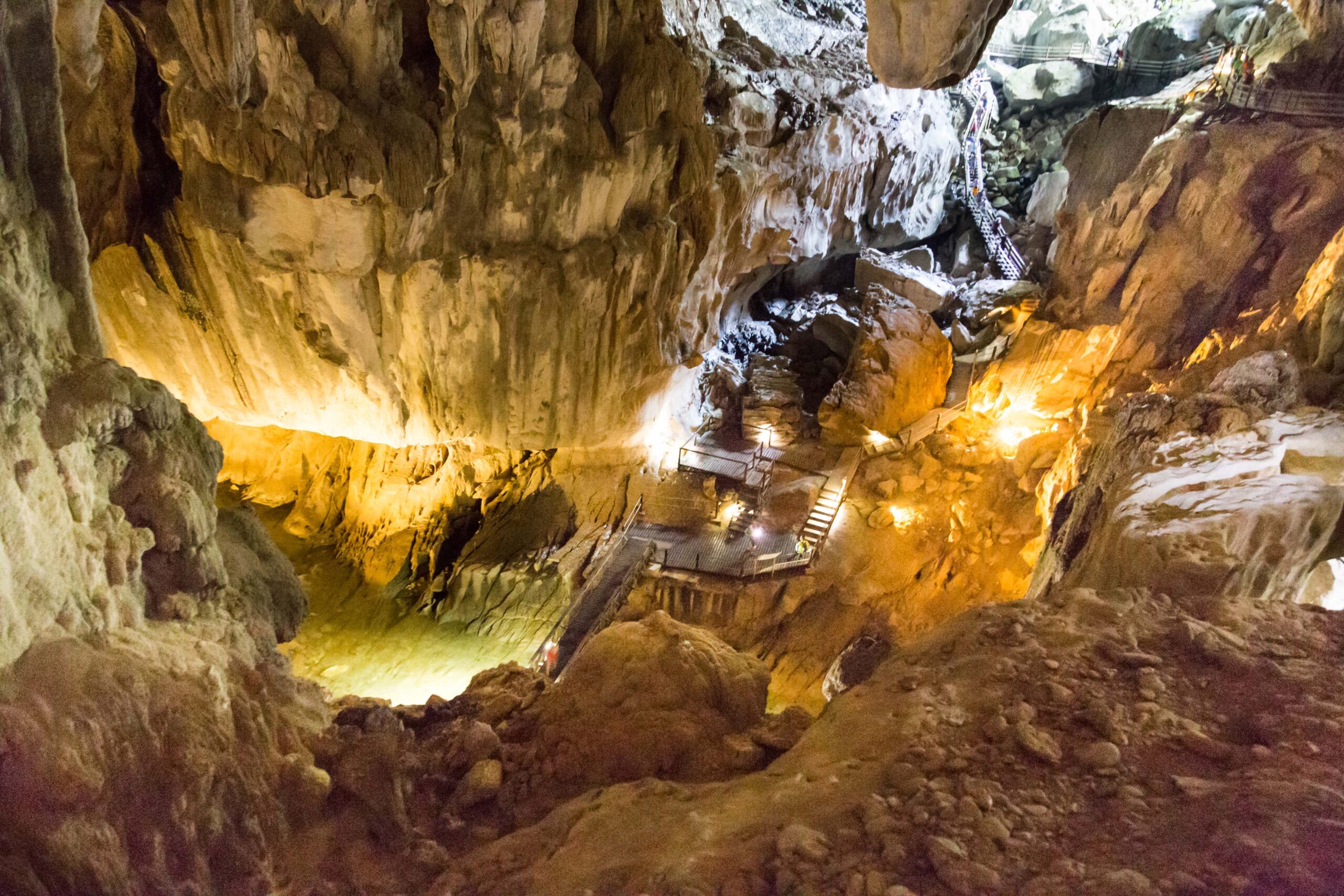
This UNESCO World Heritage Site in northern Sarawak boasts dramatic karst landscapes with the world’s largest cave chamber (Sarawak Chamber) and longest passage (Deer Cave), plus Clearwater Cave (longest in Southeast Asia), Wind Cave, Lang’s Cave, and pinnacles rock formations.
Free activities include short self-guided trails to Deer Cave viewpoint for the dusk bat exodus (5-6:30 PM, weather permitting), park visitor centre exhibits. Paid tours (essential for caves), include the Plunge Pool, Canopy Walk, Night Walk (RM30–RM250/person). All visitors need a 5-day park entry pass (RM40/adult foreign) for official access, book via park HQ or operators like Borneo Adventure or Roowanders. Map
Damai Beach & Santubong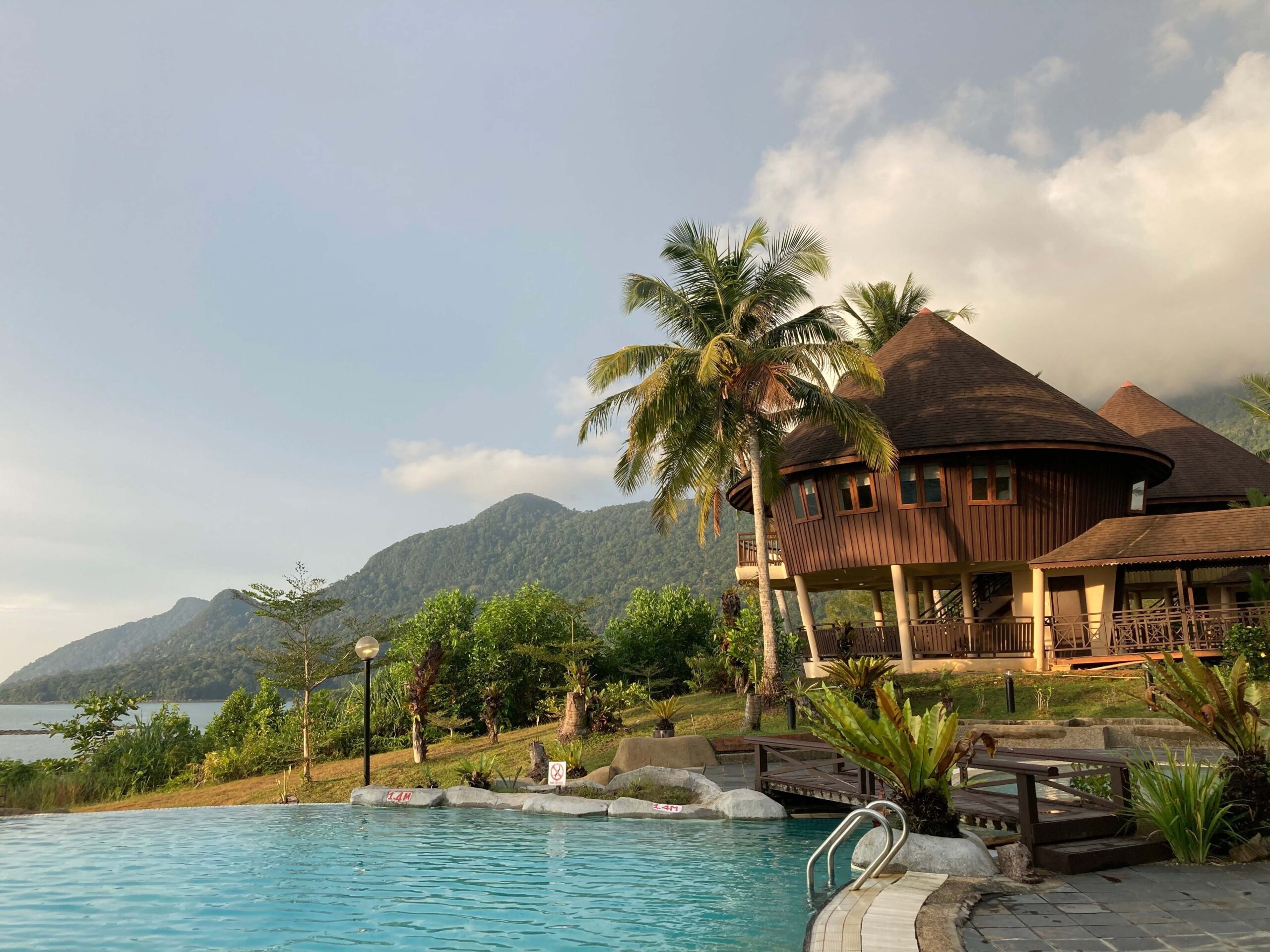
Just 40 minutes from Kuching, Damai Beach offers golden sands and views of Mount Santubong. It’s the perfect base for jungle trekking, kayaking, or just unwinding by the South China Sea.
Sibu & Central Sarawak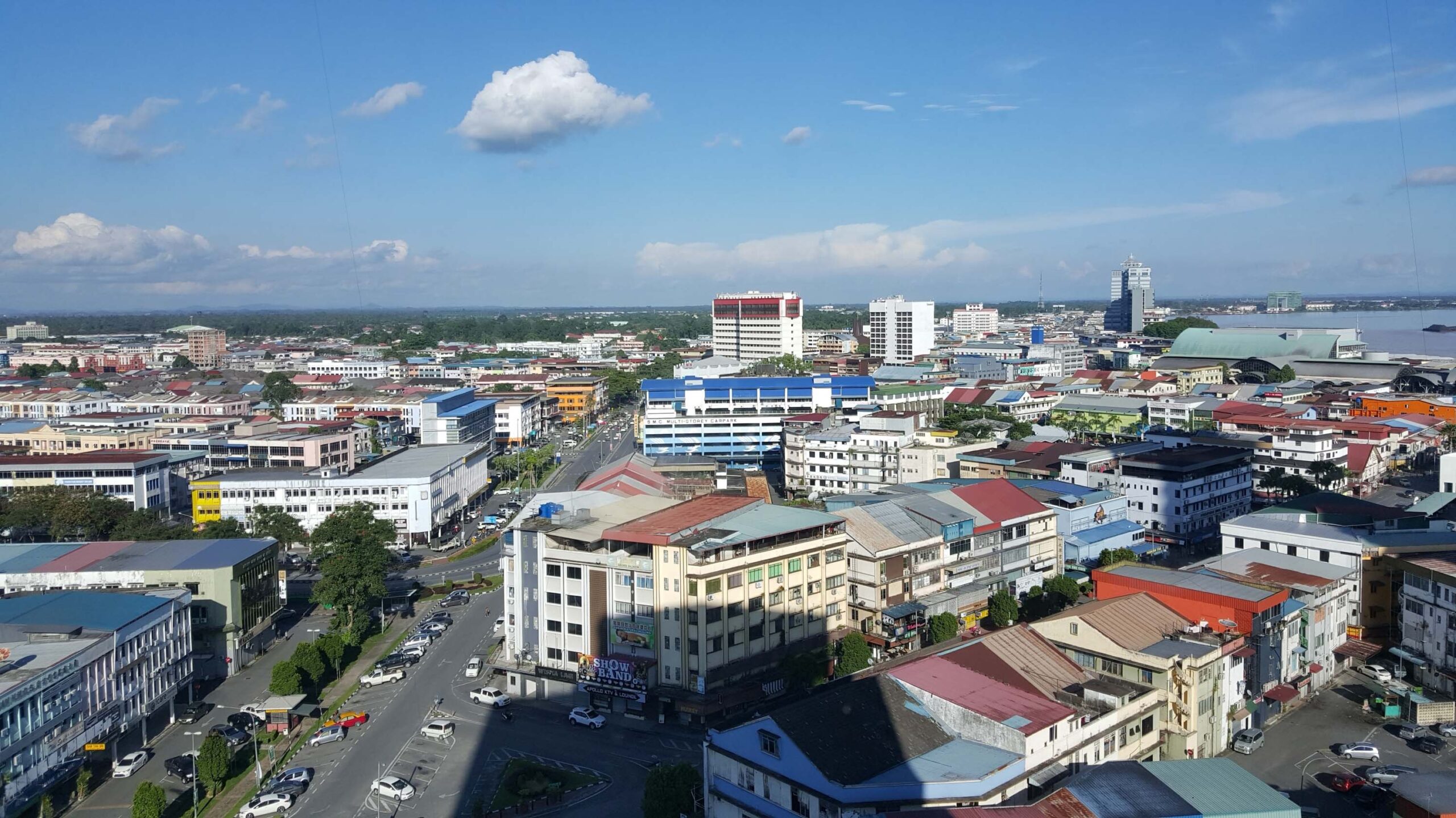
For a deeper dive into Sarawak’s riverine culture, head to Sibu. Locals will point you toward a few favourites for food and river life.
Sibu Central Market: Start upstairs at the food section to try Sibu staples like kompia (Foochow “meat bun”), kampua noodles, umai (raw fish salad) and tropical fruits such as durian and rambutan.
Foochow Eats to Hunt Down: Look for red wine mee sua, ding bian hu (rice cake soup) and Foochow fishballs, often recommended at long‑running stalls around town and inside/near the market.
Sibu River Cruise: For Rajang River views, join the Sibu River Cruise (about 1 hour, usually around sunset, Fri–Sun) departing from Pulau Babi Wharf on Jalan Khoo Peng Loong. It’s a relaxed, very local way to see the waterfront skyline and river traffic.
 Practical Tips
- Getting There: Kuching International Airport (KCH) serves as Sarawak’s main gateway, with direct flights from Kuala Lumpur (1.5–2 hours), Singapore (1.5 hours), and regional hubs like Hong Kong, Seoul, and Perth (3–5 hours).
- Getting Around: Grab rides and taxis are plentiful and affordable in Kuching. For rural adventures like Bako, Mulu, or longhouses, book guided tours or private transfers—public buses exist but are infrequent.
- Weather: Sarawak stays hot and humid year-round (28–32°C), with the wettest months being November–February. Pack light, breathable clothing, rain gear, insect repellent, and quick-dry layers.
- Language: English and Malay are widely spoken; learn Iban/Bidayuh greetings like “Selamat tinggal” (goodbye) or “Terima kasih” (thank you) for rural warmth.
- Etiquette: Bring small gifts (sugar, tea, cigarettes) for longhouse hosts and always ask before taking photos. Dress modestly (cover shoulders/knees; no shorts or tank tops); remove shoes at entrances; avoid pointing feet at people (feet are seen as unclean, so don’t direct soles toward faces or furniture); respect rituals, accept tuak rice wine, and embrace basic amenities like bucket showers.
- Emergency Numbers: Save these for quick access.
- All Emergencies (Police, Ambulance, Fire Department, and Civil Defense)
- Primary Service: 999
- Mobile Standard: 112
- Civil Defence Force: 991
- Fire and Rescue Department (Bomba): 994
- Sarawak General Hospital (Kuching): +60 82-276 666
- All Emergencies (Police, Ambulance, Fire Department, and Civil Defense)
Sarawak Awaits
Sarawak offers more than basic amenities; it’s an invitation to adventure, culture, and discovery. From the emerald depths of its rainforests to the vibrant flavours of its kitchens and the warmth of its people, Sarawak delivers an experience that is both authentic and unforgettable. Whether you’re trekking through ancient caves, sharing stories in a longhouse, or savouring a bowl of laksa by the riverside, every moment here becomes a story worth telling. Pack your curiosity and let Sarawak’s wild heart inspire your next journey.