

Over the 137-year history of the automobile, certain cars have done more than just get people from point A to point B; they’ve set the pace for design, redefined aesthetics, and inspired entire generations of vehicles.
Some automotive icons didn’t just look good; they introduced new philosophies, shapes, and innovations that changed how we see and design cars. Here’s a look at the vehicles that led the way, leaving an indelible mark on the design language of the automotive world.
Benz Patent-Motorwagen: The Genesis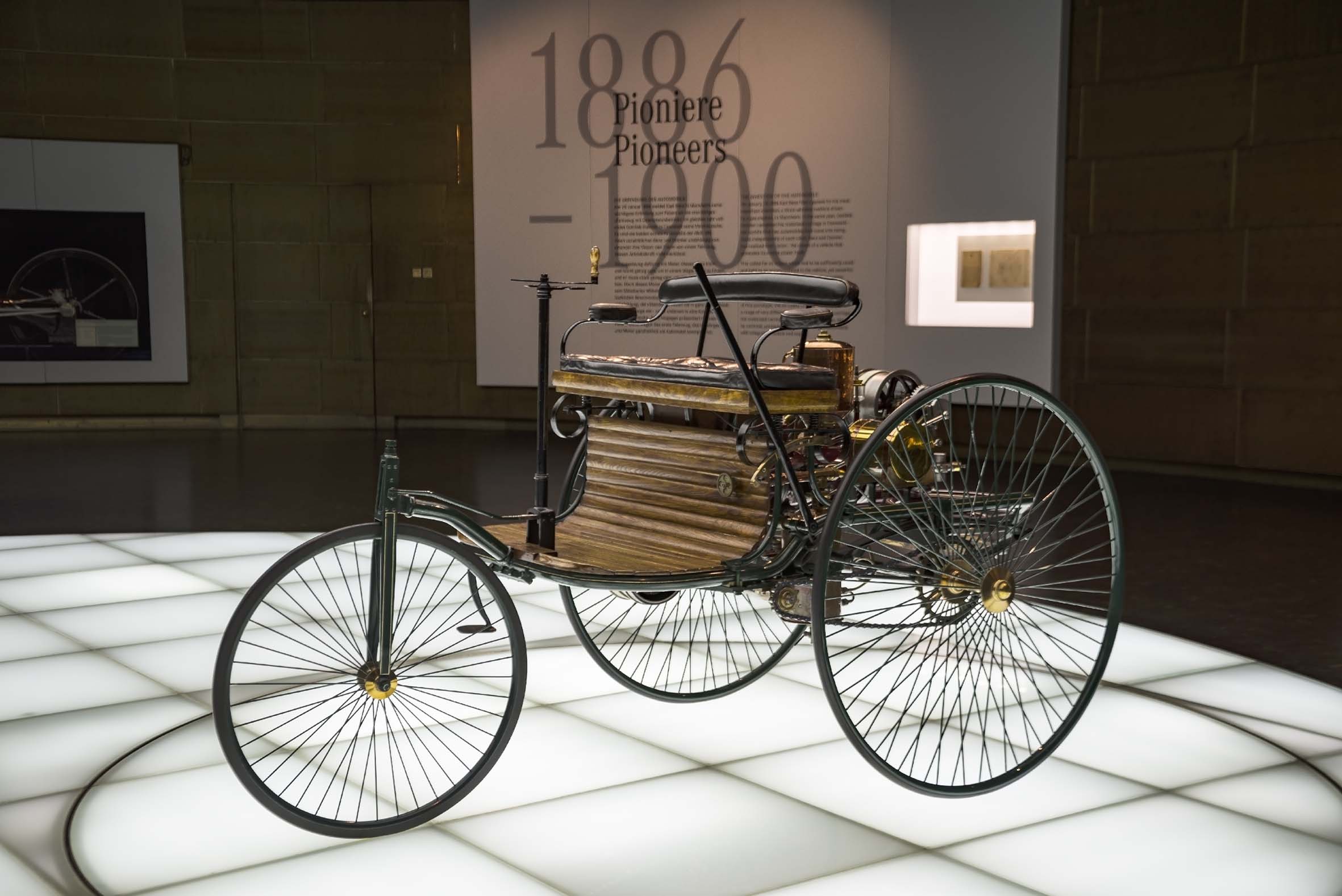
It would be rude to start a list like this without giving a nod to the car that started it all! Created by Karl Benz – of Mercedes-Benz fame – the Benz Patent-Motorwagen, born in 1886, is widely recognised as the first true (and practical!) automobile.
Though it was a far cry from the sleek machines we see today, its impact was revolutionary. With barely one horsepower of output, it changed transportation forever, setting the wheels of modern automotive design in motion. UNESCO even recognises it as a symbol of the birth of our modern mobile society!
Ford Model T: The Everyman’s Car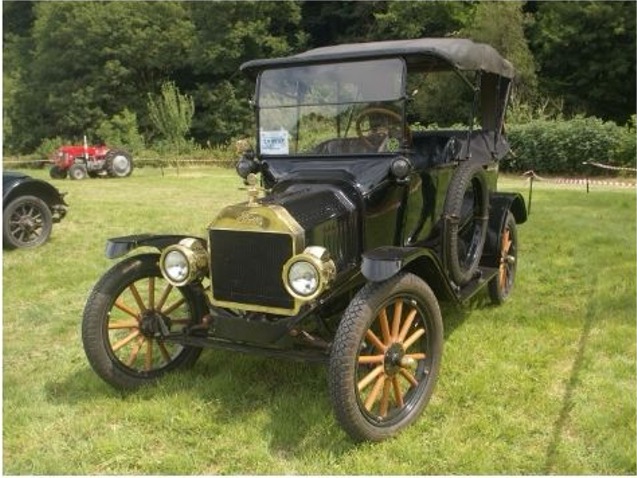
A familiar sight in films set in the early 20th century, the Ford Model T was the most widely produced four-seater from its introduction in 1908 until production ended in 1927, with over 15 million cars sold. Its design was simple yet reliable, featuring a four-cylinder engine and typically available only in black—a choice famously summed up by Henry Ford’s remark: “Any customer can have a car painted any colour that he wants so long as it is black.”
Although it could reach speeds of 65–70 km/h, the affectionately nicknamed “Tin Lizzie” had its quirks. On steep hills, drivers sometimes had to go in reverse because the fuel system worked better that way; gravity helped the engine get the fuel it needed.
Chrysler Airflow – Science And Function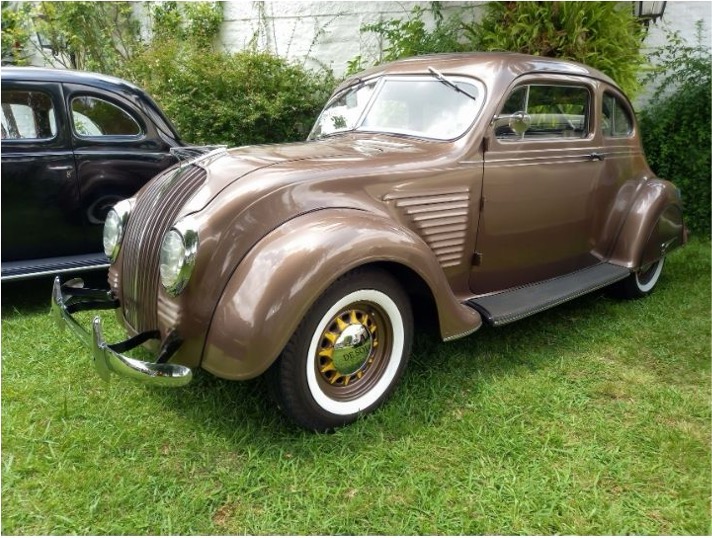
The newest electricity-powered generation of the Chrysler Airflow had its development put on hold, but its roots trace back to a bold original born in 1934, a car that was ahead of its time. In an era when most vehicles were clunky and focused purely on utility, the original Airflow broke the mould by embracing the emerging science of aerodynamics.
With its sleek, curvaceous design, it stood out in a world of boxy bodies. While it didn’t achieve major commercial success, design aficionados laud it for thinking ahead of its time. Its revolutionary approach to streamlining influenced car designers to prioritise form, airflow, and efficiency.
Cadillac Series 62: A Flashy Friend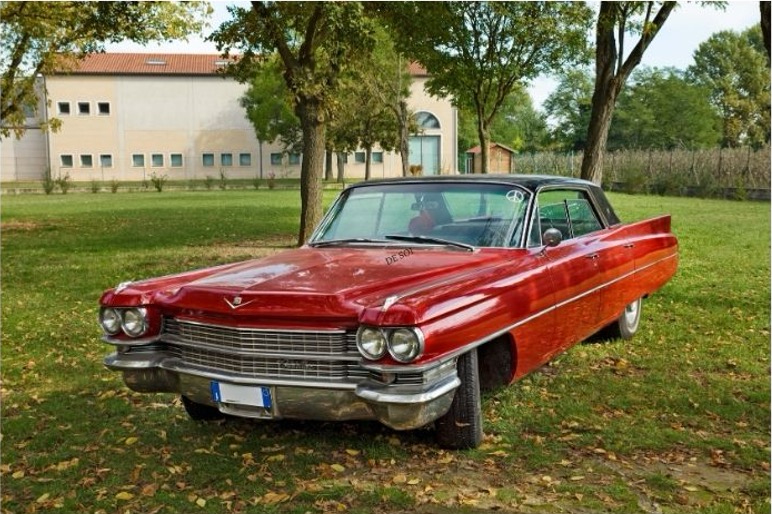
The post-war period was all about optimism and style, and no car captured that better than the 1949 Cadillac Series 62. Inspired by the aircraft of World War II, Cadillac introduced tailfins, a futuristic flourish that would become a defining feature of 1950s American cars.
Other car manufacturers would soon follow suit, with tailfins getting bigger and bolder over time, setting off a styling craze that popularised louder designs.
The Mini: Good Things Come in Small Packages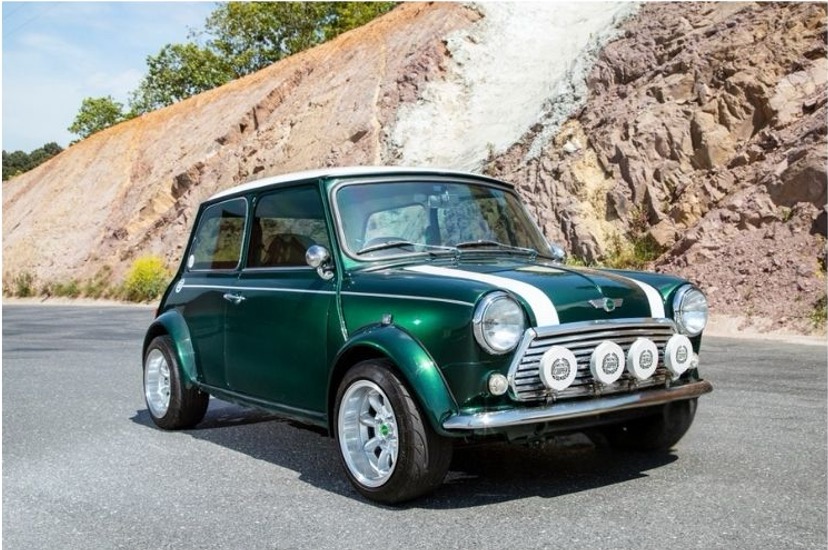
Arguably the most iconic small car of all time, thanks in part to its unforgettable association with Mr. Bean, the Mini transformed small car design forever. Introduced in 1959, it featured a space-saving transverse engine and front-wheel drive layout that maximised interior room despite its compact, boxy frame.
Perfect for city streets, the Mini proved that a small car could be efficient, fun, and undeniably stylish. It quickly became an instantly recognisable cultural icon and redefined what the world expected from urban mobility.
Jaguar E-Type: The “Most Beautiful Car Ever Made”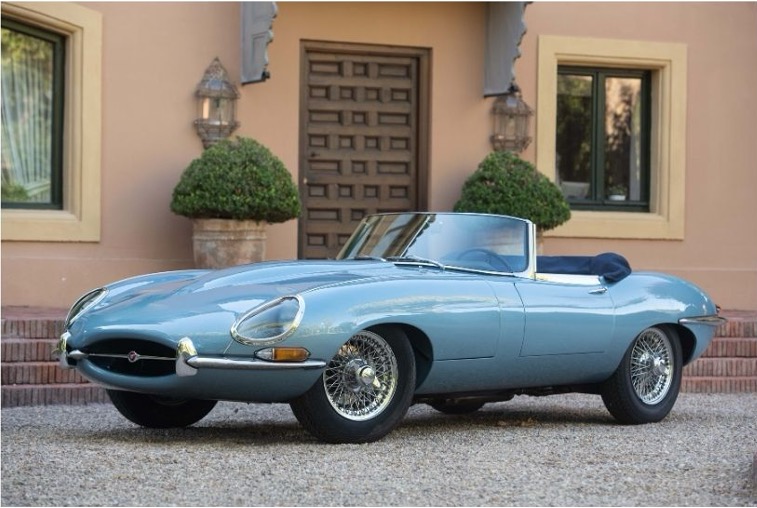
Enzo Ferrari once called the Jaguar E-Type “the most beautiful car ever made,” and who are we to dispute it? With its long bonnet, sleek curves, and low-slung profile, the E-Type wasn’t just fast—it was automotive artistry in motion. Its design influence rippled through the sports car world, setting a benchmark for elegance and performance.
Regarded as one of the most coveted vintage automobiles, it is also credited with steering car design away from purely practical conventions to one that’s bigger on style.
Ford Mustang: Muscled Mass Appeal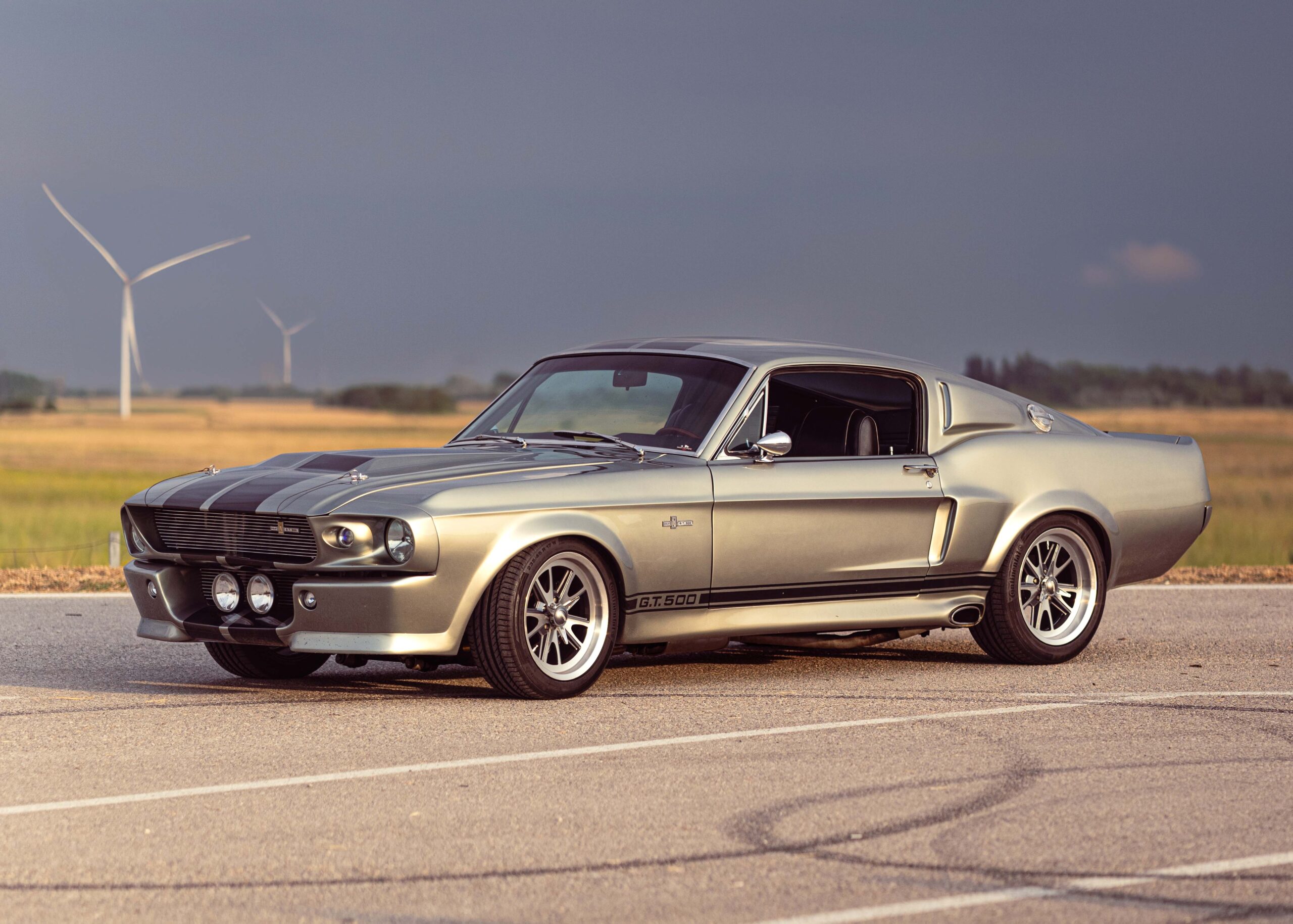
The debut of the Ford Mustang marked the birth of the “pony car” segment: affordable, stylish, performance-oriented vehicles for the masses. Its long hood, short rear deck, and macho stance defined American car culture for a generation. The Mustang’s iconic shape became a template that many domestic rivals would emulate, and its influence is still visible in muscle cars today.
As Ford Vice President Donald Frey put it, “Mustang means fun and youth and glamour…sunglasses and shoes and hats”, a sentiment that captured how the car transcended transportation to become a cultural symbol.
Tesla Model S: Into the Future!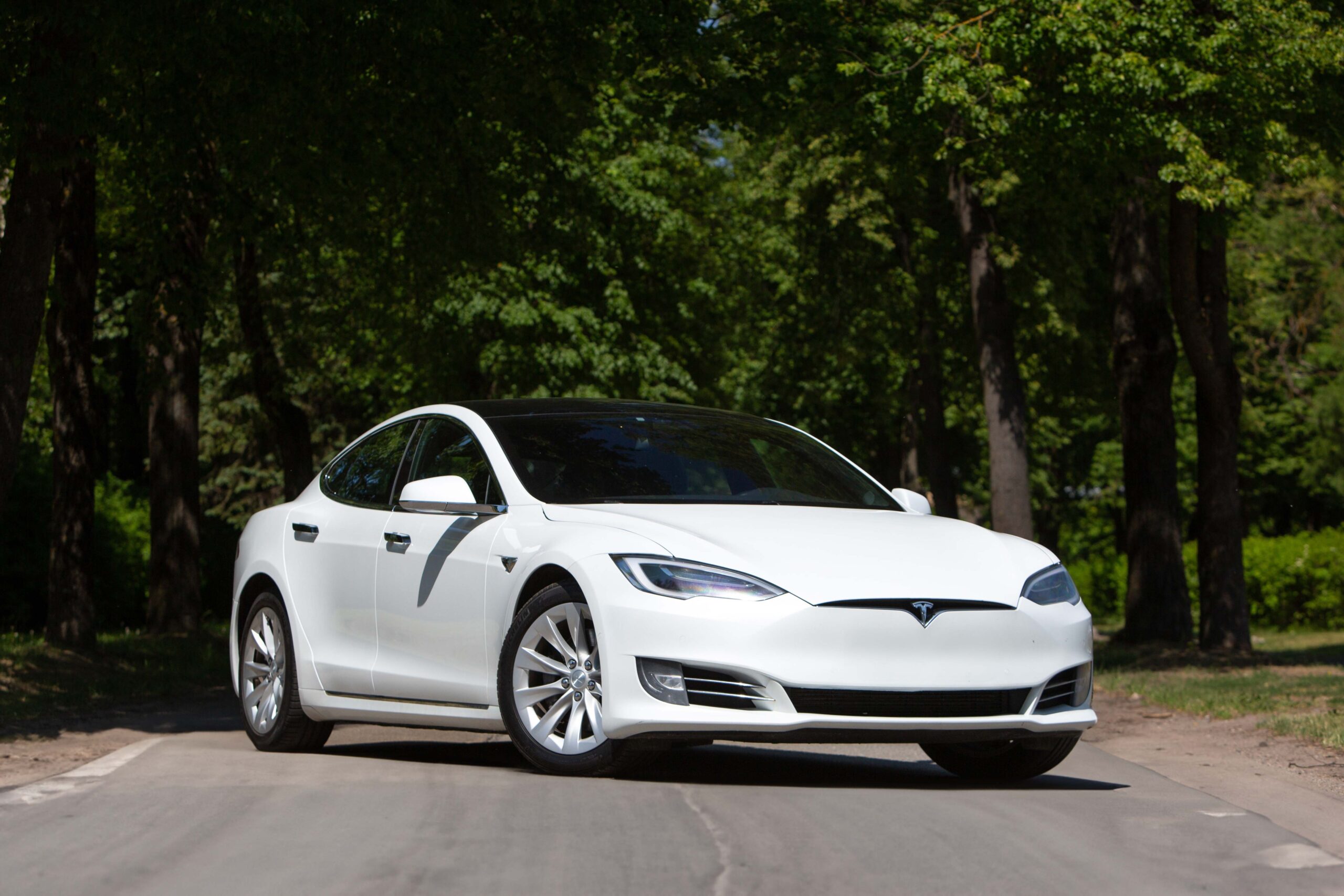
Launched in 2012, the Tesla Model S revolutionised automotive design with its sleek, minimalist profile and touchscreen-centric interior. It didn’t just popularise electric vehicles; it set a new standard for modern, tech-forward aesthetics. With its clean lines, aerodynamic form, and futuristic flair, the Model S became the blueprint for the EV era. Its drag-efficient silhouette not only enhanced performance and range but also serves as a masterclass in how aerodynamics could serve both function and visual appeal in car design.
The Road Ahead
Design trends in the automotive world have always been a blend of innovation, technology, and cultural reflection. These standout vehicles didn’t just turn heads, they started a revolution! As we drive deeper into an era of electrification, the legacy of these design leaders reminds us that cars can be more than machines.