

Discover some of the world’s top dark sky reserves where the night sky reveals its fullest glory. These places offer minimal light pollution, allowing stargazers to witness breathtaking views of stars, galaxies, and cosmic wonders.
 Stargazing is best when done under truly dark skies, away from the glow of cities and artificial lights. Dark sky reserves are specially protected areas that preserve the natural darkness of the night. These locations dramatically cut down light pollution, making it possible to see thousands of stars and detailed celestial features visible to the naked eye. For those looking to connect with the cosmos on a clear night, these reserves offer some of the best experiences on Earth.
Aoraki Mackenzie International Dark Sky Reserve, New Zealand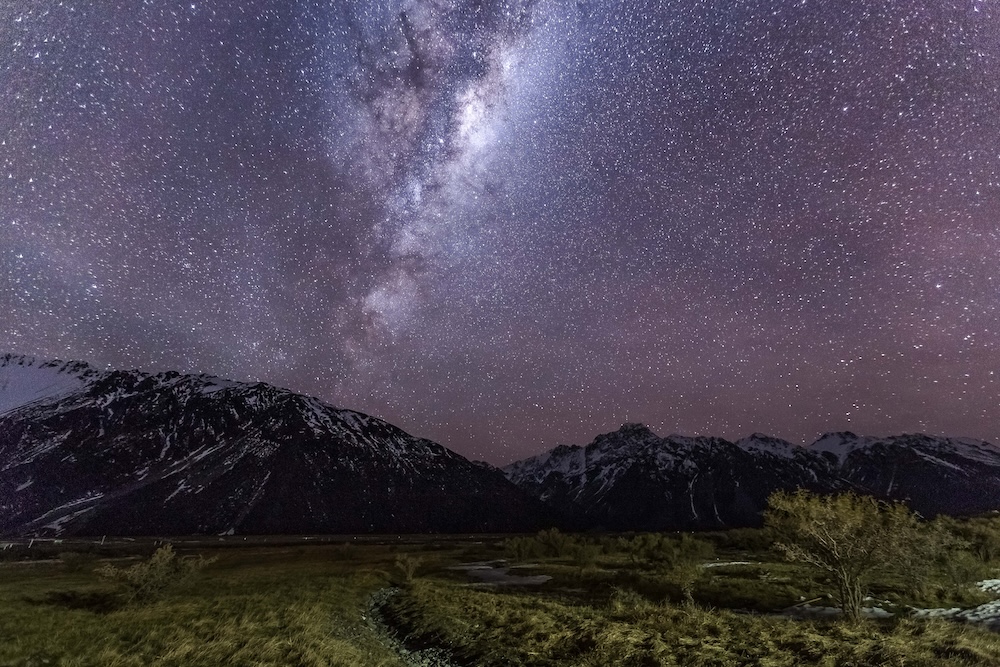
Aoraki Mackenzie International Dark Sky Reserve, New Zealand, is the world’s largest Gold Tier dark sky reserve, known for its stunningly clear night skies. Nestled within New Zealand’s Southern Alps, this reserve covers over 4,000 square kilometres. Stargazers here can see the Milky Way blaze across the sky, along with distant dwarf galaxies like the Magellanic Clouds.
Local guides offer night tours using powerful telescopes, elevating the stargazing experience. The surrounding landscape, the Southern Alps, adds to the awe, framing the cosmos in a natural, untouched environment. Because of New Zealand’s remote location and strict light pollution controls, the stars here are brighter and more numerous than in most places on Earth.
Yeongyang Firefly Eco Park, South Korea
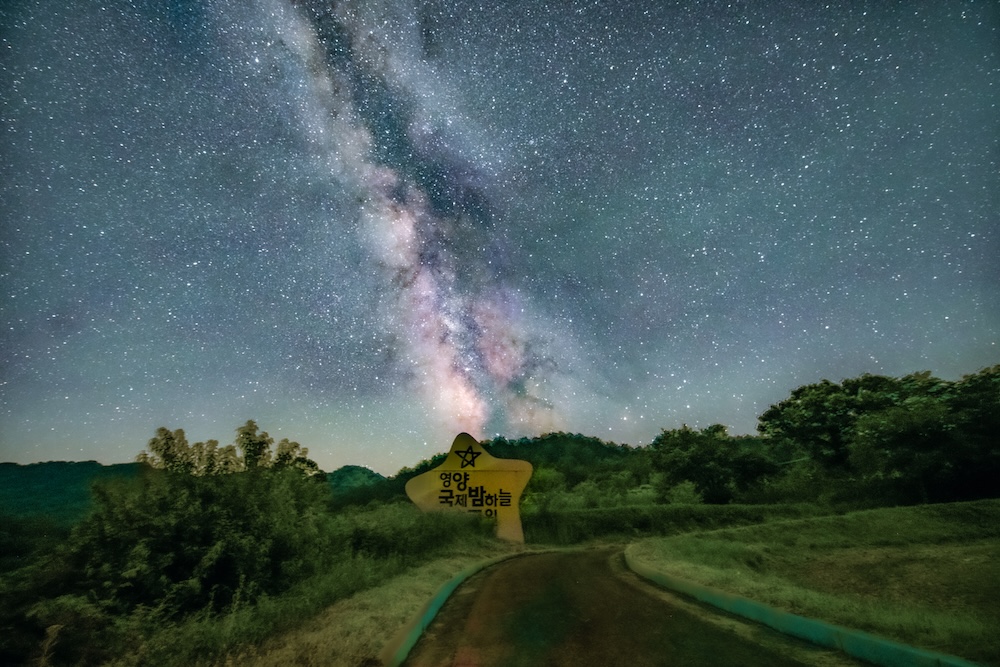
Yeongyang Firefly Eco Park holds the distinction of being Asia’s first International Dark Sky Park, designated in 2015. Located roughly 4.5 hours from Seoul in a remote mountainous valley, it benefits from minimal light pollution.
The park’s darkness supports rich biodiversity, including thousands of glowing fireflies. It has a strong focus on ecological conservation and preserving the natural night environment. Visitors can explore several well-placed stargazing spots away from artificial light, especially during new moon phases when the sky is darkest.
The park offers guided night sky programs with expert astronomers who point out constellations, planets, and celestial events. Educational workshops and interactive exhibits help visitors appreciate both astronomy and nocturnal wildlife. In summer, the park hosts stargazing festivals and meteor shower viewings. This mix of nature, dark skies, and astronomy education makes Yeongyang a unique gateway to the cosmos in Asia.
Kozushima Island, Japan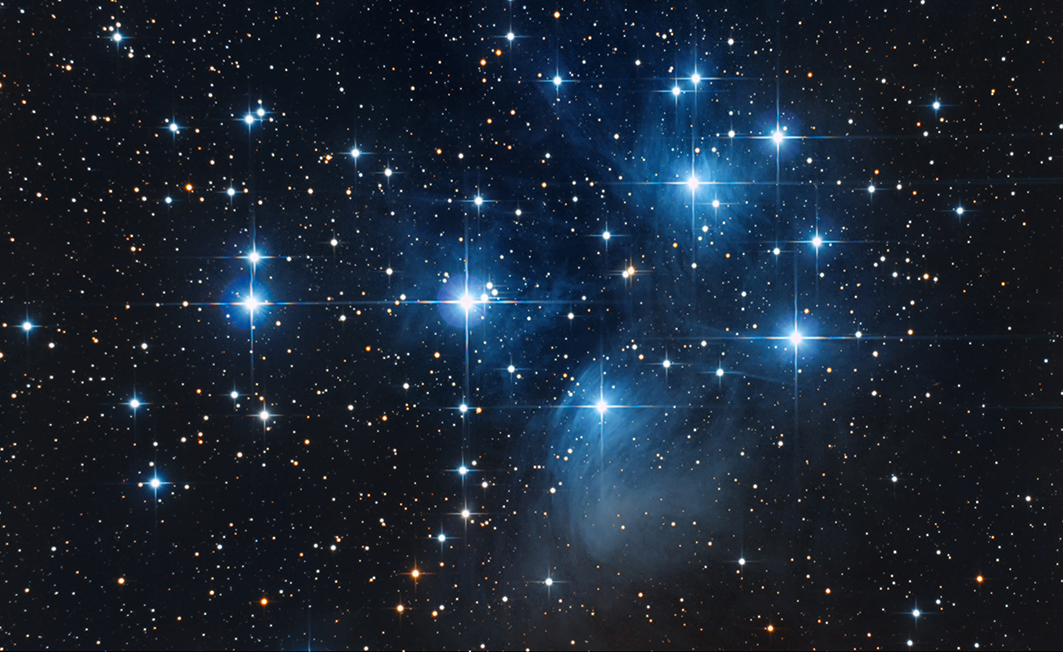
Kozushima Island lies about 180 kilometres south of Tokyo and has been a recognised Dark Sky Place since 2020. This volcanic island’s remote location and limited population keep artificial lights to a minimum, offering some of the darkest skies near Japan’s capital. The clear skies of Kozushima allow visitors to observe star clusters like the Pleiades, the Milky Way’s bright core, and even faint satellites passing overhead.
Beyond stargazing, visitors enjoy natural hot springs, hiking trails, and pristine coastlines. Kozushima presents a stark contrast to the bright urban skyline of Tokyo, making it a favoured spot for quick escapes into nature and night sky viewing. The island’s community supports strict lighting regulations to maintain its dark sky status. This balance of natural beauty and celestial clarity makes it an appealing destination for amateur astronomers and travellers seeking tranquillity under the stars.
Hanle Village, India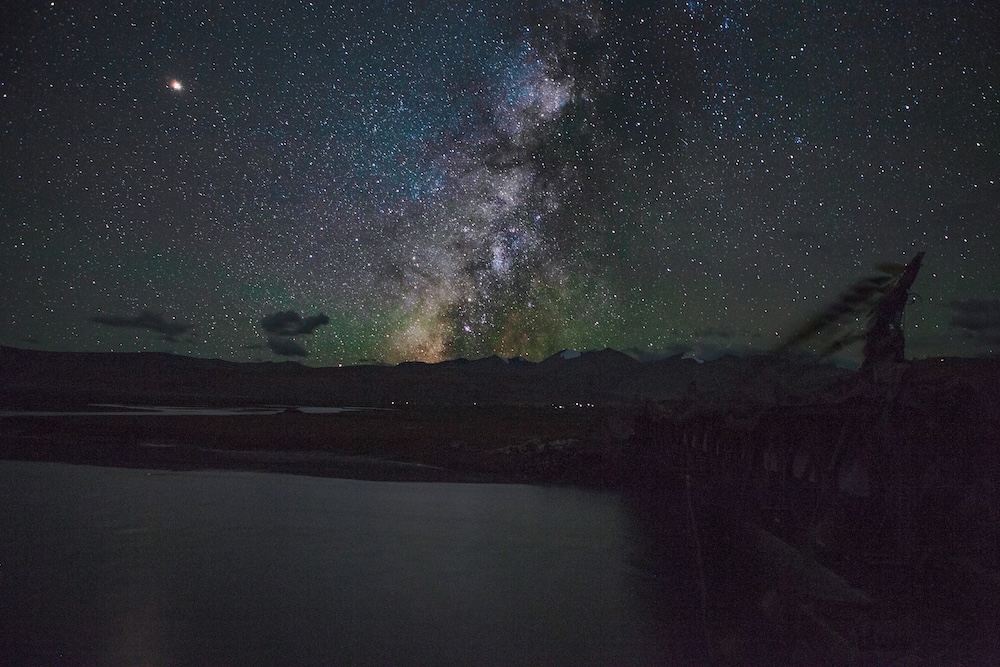
Hanle Village, perched at 4,500 meters on the Changthang Plateau in Ladakh, is India’s first certified Dark Sky Reserve. Its remote Himalayan location results in incredibly clear and dark skies, free from light pollution and smog.
Hanle hosts the Indian Astronomical Observatory, one of the world’s highest observatories, offering astronomers an unparalleled vantage point. Visitors here witness crystal-clear views of planets, star clusters, and the Milky Way in stunning detail. High altitude combined with dry air reduces atmospheric disturbances, enhancing visibility. The region’s traditional Buddhist monasteries add cultural depth to the experience, blending natural wonder with spiritual calm.
Hanle attracts astrophotographers and researchers, but also travellers drawn by its unique mix of natural and cosmic beauty. The village’s commitment to dark sky protection helps preserve this rare pocket of night sky brilliance in Asia.
Hehuan Mountain, Taroko National Park, Taiwan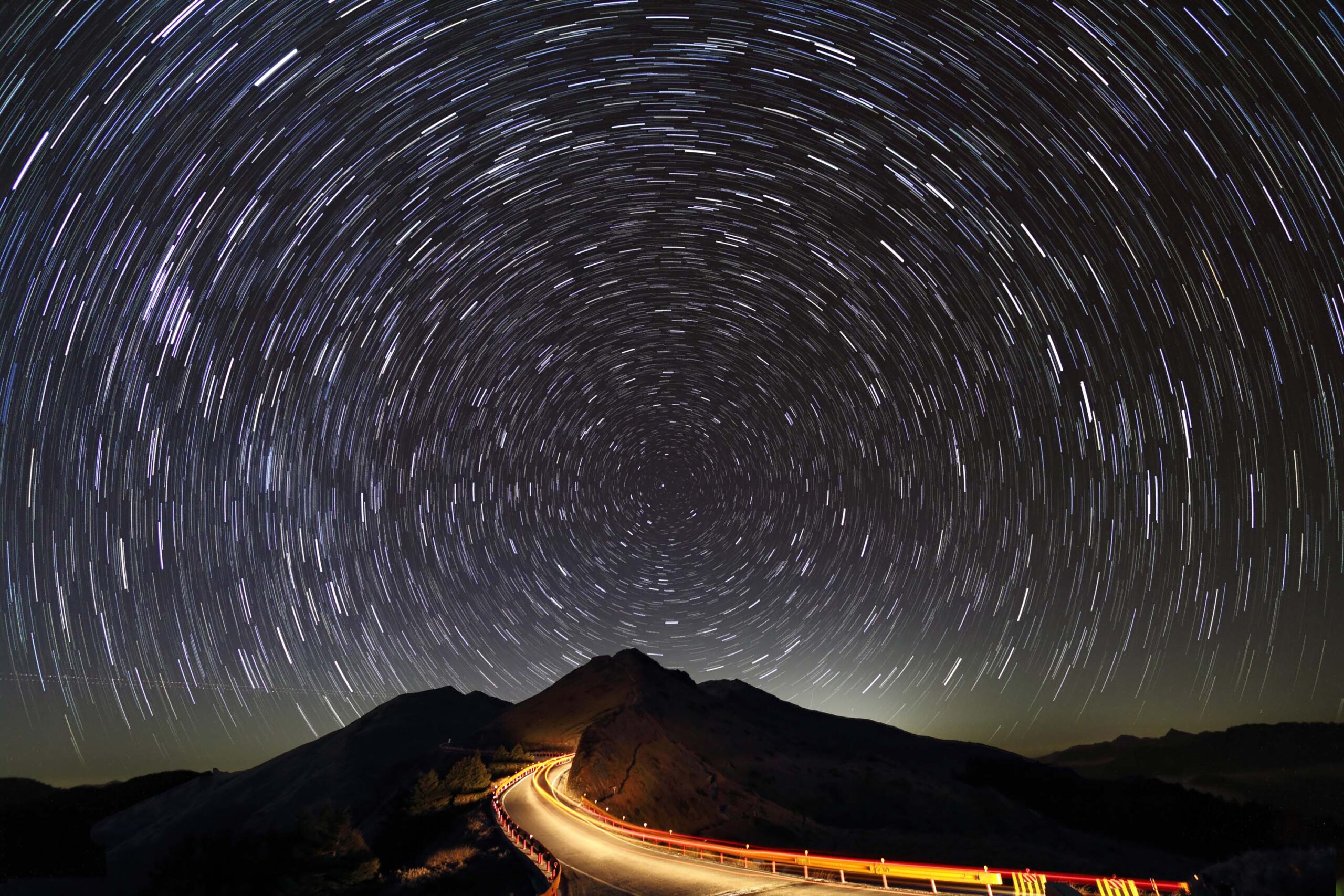
Located within Taroko National Park, Hehuan Mountain offers Taiwan one of its best dark sky experiences. At around 3,400 meters elevation, the mountain’s alpine environment features crisp, clear air largely free of light pollution from nearby towns. This altitude and atmospheric clarity provide excellent conditions for seeing stars, planets, and the Milky Way’s glowing band.
Hiking trails around Hehuan Mountain during the day reveal rugged landscapes, while nights bring spectacular starry skies. Local authorities have taken steps to maintain low light pollution levels, preserving the dark sky environment. Outdoor enthusiasts combine daytime trekking with night sky observation, making Hehuan a popular destination for nature and astronomy lovers alike. Its mix of accessibility and quality dark skies makes it a prime spot in East Asia for stargazers.
NamibRand Nature Reserve, Namibia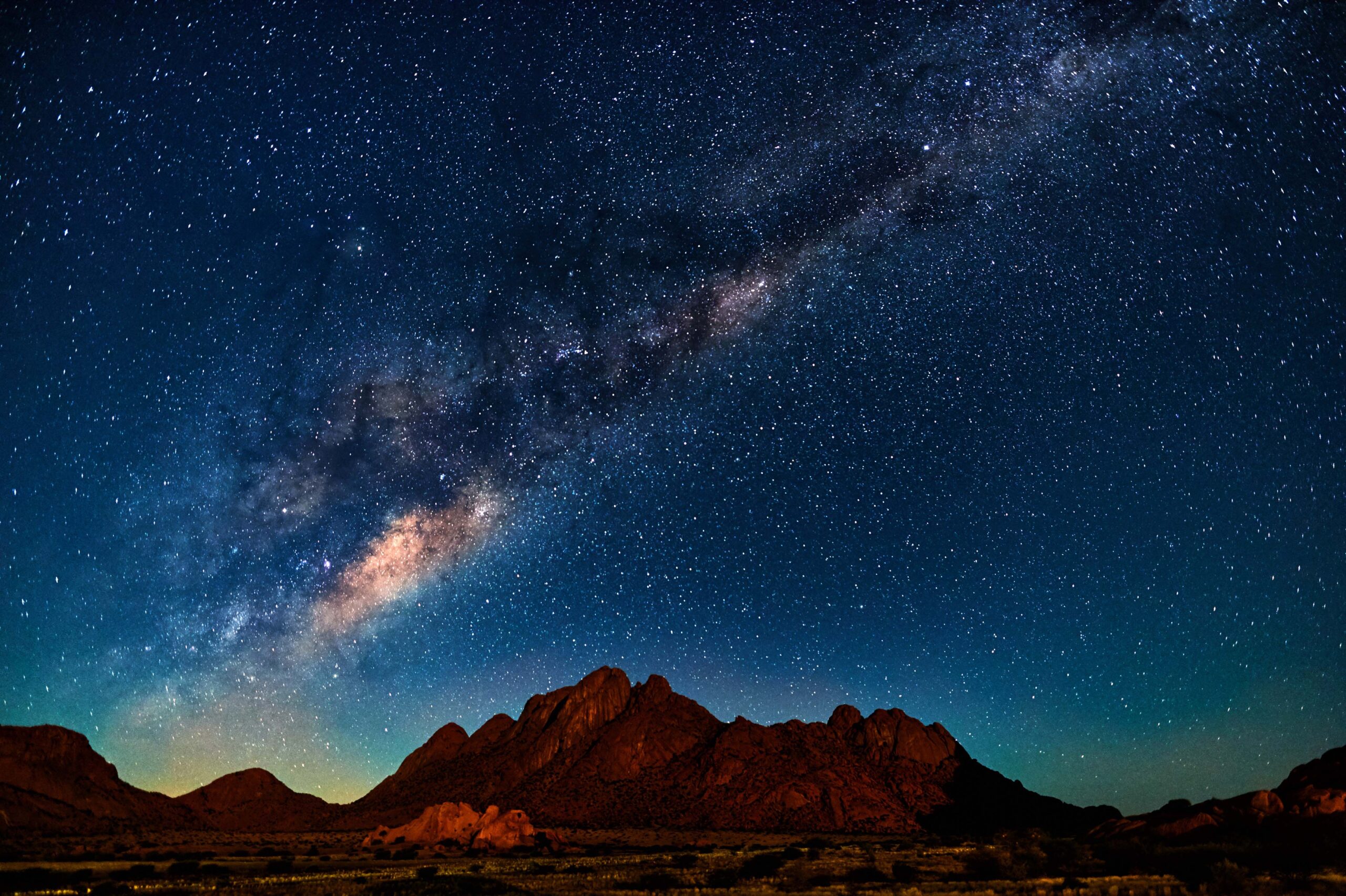
In Africa, the NamibRand Nature Reserve in Namibia combines wildlife conservation with night sky protection, offering one of the darkest skies in the southern hemisphere. This private reserve spans a large and remote desert territory.
Here, the absence of nearby urban centres means artificial light is nearly nonexistent. Visitors often camp out in open-air accommodations to fully immerse themselves in the night sky. The dry desert air provides crystal-clear conditions for seeing countless stars, constellations, and meteor showers. For nature lovers and stargazers alike, NamibRand is a rare chance to experience pristine skies and unique desert landscapes.
Kerry Dark Sky Reserve, Ireland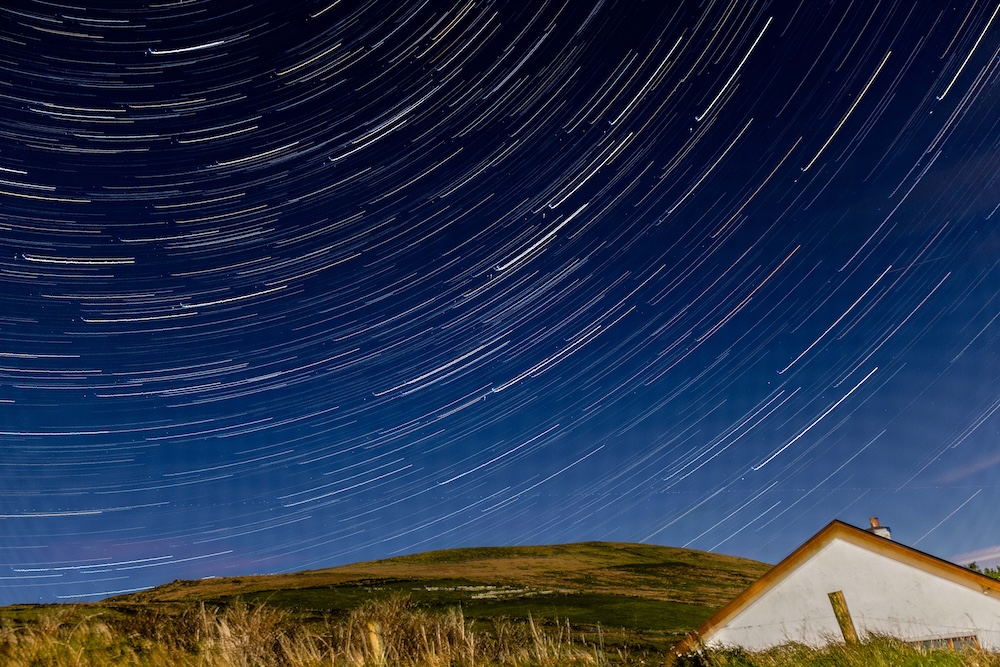
Europe offers remarkable dark sky viewing as well, with Kerry Dark Sky Reserve in Ireland standing out. This rural Irish reserve is famous for its rich natural beauty and strong commitment to keeping light pollution low. The reserve’s clear skies reveal the Milky Way in full detail, alongside the Andromeda Galaxy and dense star clusters.
What makes Kerry unique is its residential core, where local lighting ordinances strictly limit artificial light, protecting the night for everyone. It is a place where the sky feels endless and ancient, echoing the astronomical observations of Neolithic inhabitants who used the stars for tracking time.
Exmoor National Park, United Kingdom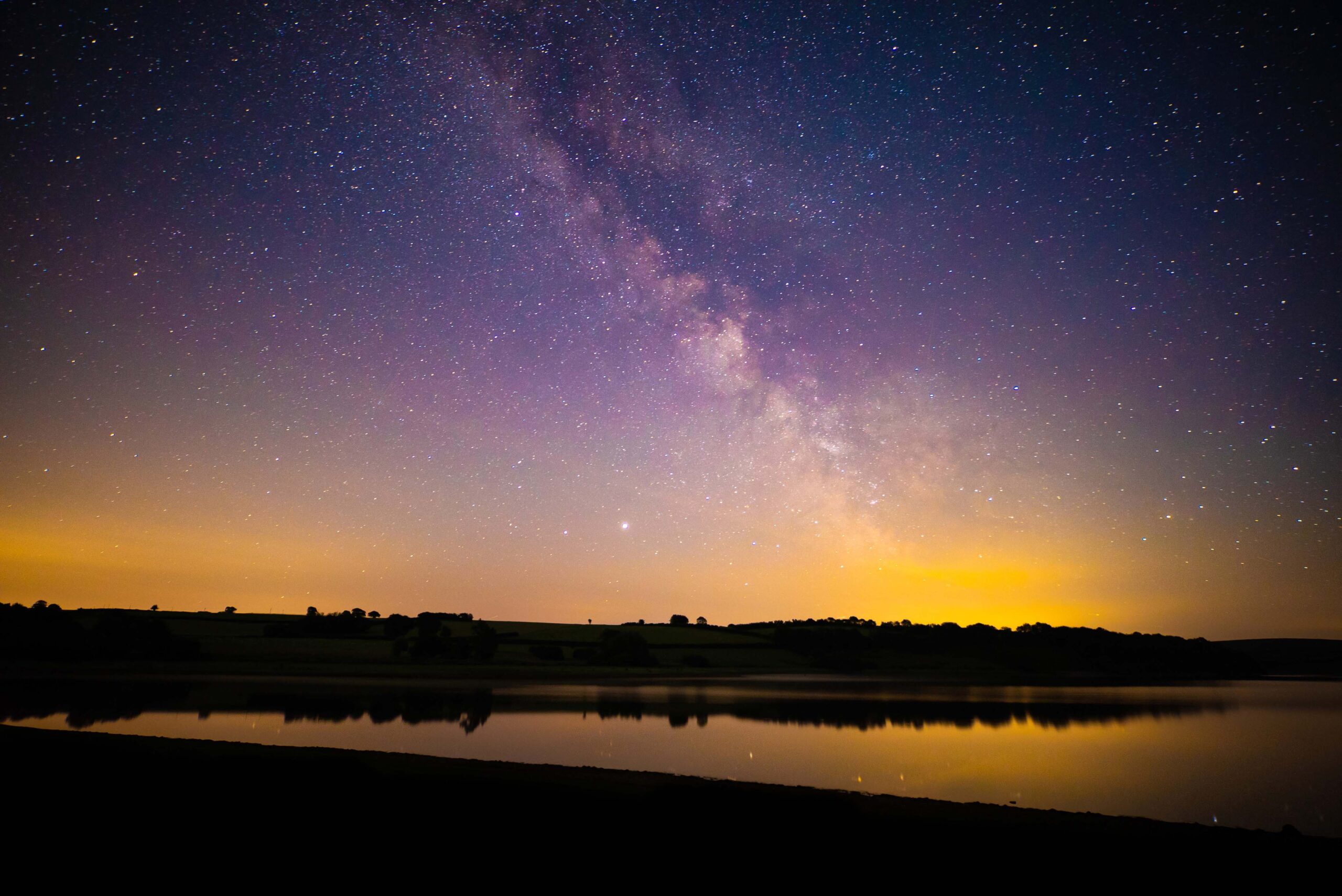
On the border of the United States and Mexico lies the Greater Big Bend International Dark Sky Reserve, which spans an enormous 9 million acres. This bi-national reserve is the largest protected dark sky area globally and home to the McDonald Observatory in Texas. The combination of vast desert landscapes and strict lighting regulations results in some of the darkest skies in North America.
Visitors who set up in spots like the Chisos Basin witness spectacular views of the Milky Way and more than 2,000 stars visible at once. The desert’s clear atmosphere and low humidity ensure excellent visibility. Stargazing here feels like a deep dive into the night, far removed from any city lights.
Joshua Tree National Park, USA
In the United States, the Joshua Tree National Park in California is a well-known dark sky park and popular stargazing destination. Its iconic desert terrain with Joshua Trees and large boulders provides a striking foreground to the night sky. The park’s location far from major cities means light pollution is very low, revealing the Milky Way in sharp detail on clear nights.
Stargazers often come prepared with blankets and telescopes to enjoy everything from star clusters to planetary details. Joshua Tree is also a year-round destination for night sky lovers, blending natural beauty with celestial wonder.
Mont-Mégantic Dark Sky Reserve, Canada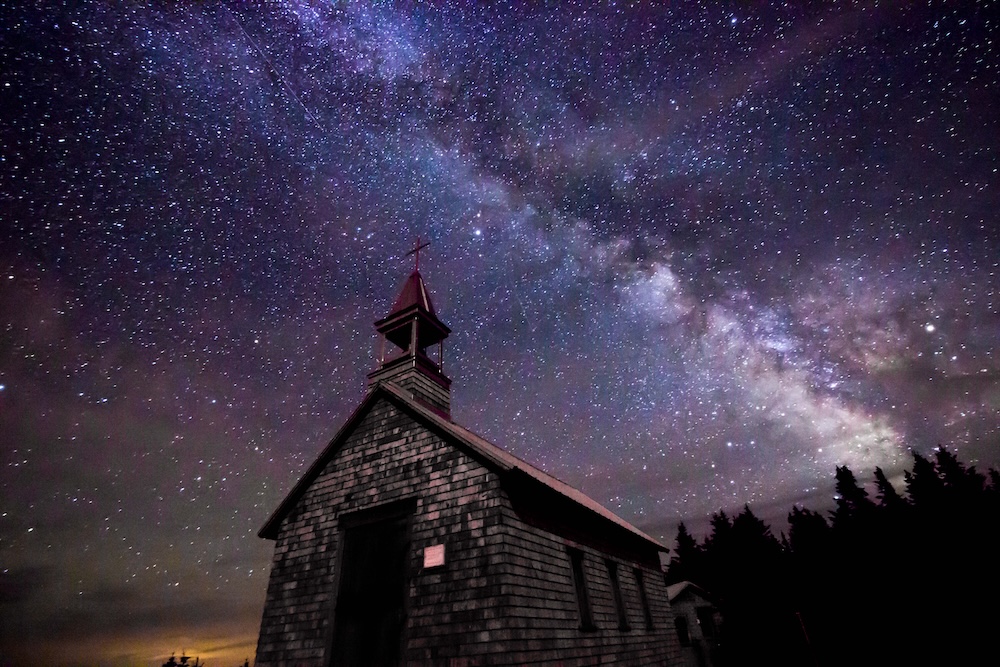
Canada’s Mont-Mégantic Dark Sky Reserve was the world’s first dark sky reserve and remains a beacon for astronomy lovers. Located in Québec, it includes a large national park and a famous observatory accessible to visitors. Many municipalities around the reserve cooperate to control outdoor lighting, improving night sky quality. Visitors can explore trails by day and then gaze deep into space by night. The reserve also sometimes allows glimpses of the northern lights in addition to stars and planets. As the first established reserve of its kind, Mont-Mégantic sets a standard for protecting night skies in more populated regions.
Discovering the Beauty of the Night
These dark sky reserves are more than just stargazing spots. They represent important efforts worldwide to preserve our view of the universe, protect nocturnal ecosystems, and inspire wonder about the cosmos. Efforts by local communities, governments, and organisations like the International Dark Sky Association ensure these areas remain dark and accessible for future generations.
When planning a stargazing trip, it helps to check moon phases; nights closest to the new moon provide the darkest skies. Also, preparing for the weather and bringing suitable gear like warm clothing, red flashlights, and telescopes can enhance the experience. Most dark sky reserves combine beautiful natural surroundings with educational tours or observatories, making them ideal for anyone curious to learn about the stars.
For those who want to escape light pollution and connect with the universe, visiting one of these dark sky reserves offers an unmatched experience. Whether it’s the mountains of New Zealand, deserts of Namibia and Texas, or the rolling hills of Ireland and England, the stars await in places where the sky still shines pure and clear.