

The role of fathers in the family has undergone a profound shift over the decades!
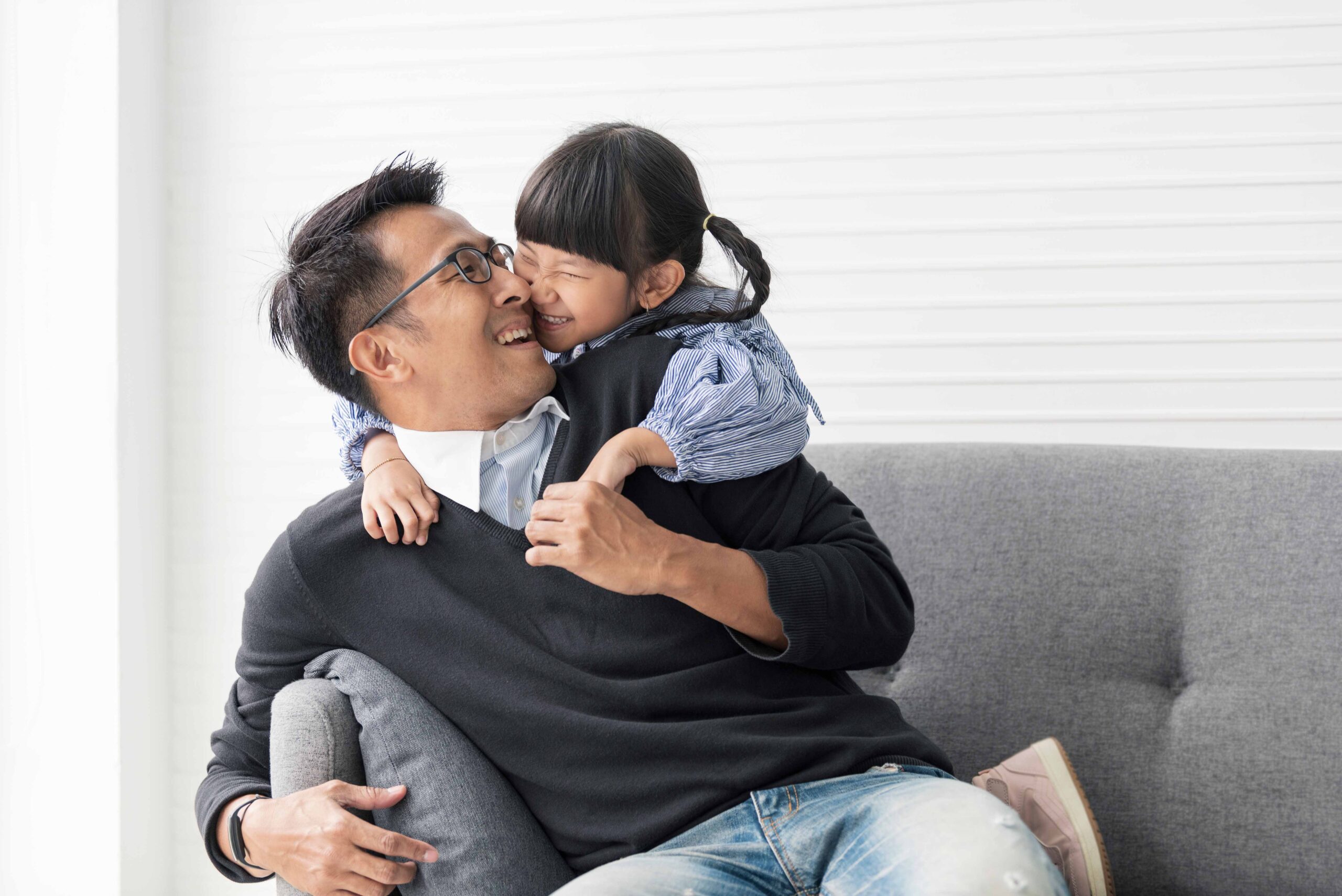 Once seen solely as the family’s provider, the modern dad has grown into a more involved, nurturing role. Here’s a quick look at the decades of change that made this shift possible.
If you were born in the 1980s, it would have meant that you had a front-row seat to the evolving roles of fathers and families through the decades. For much of the 20th century, the traditional family model was clear as day: Men were the breadwinners, and women stayed home to raise the children and run the household.
This setup was especially dominant before the Baby Boomer generation, around the 1940s, when societal norms and economic structures strongly reinforced these gender roles.
A Kampong Community
Historically, the idea of a “nuclear family” with a working father and stay-at-home mother was idealised, particularly in the post-war period. In many Western countries, government policies and media messaging after World War II encouraged women to leave wartime jobs and return to domestic life, cementing the belief that a woman’s place was in the home. In Asian communities, including kampongs like the one many families lived in back in the day, the structure was similar, though often more communal.
These communities also had plenty of textbook examples of this traditional family, with mothers staying home to play the role of a caregiver to often large families, and the father working to provide for the family. It was also out of necessity: childcare services were practically non-existent then, but as the saying goes, it takes a village to raise a child.
In many cases, that village is literal: neighbours and relatives in the kampong helped care for one another’s children; It was the community of fellow stay-at-home mothers who helped lighten the load, an unspoken support system that quietly kept everything running.
The New Dad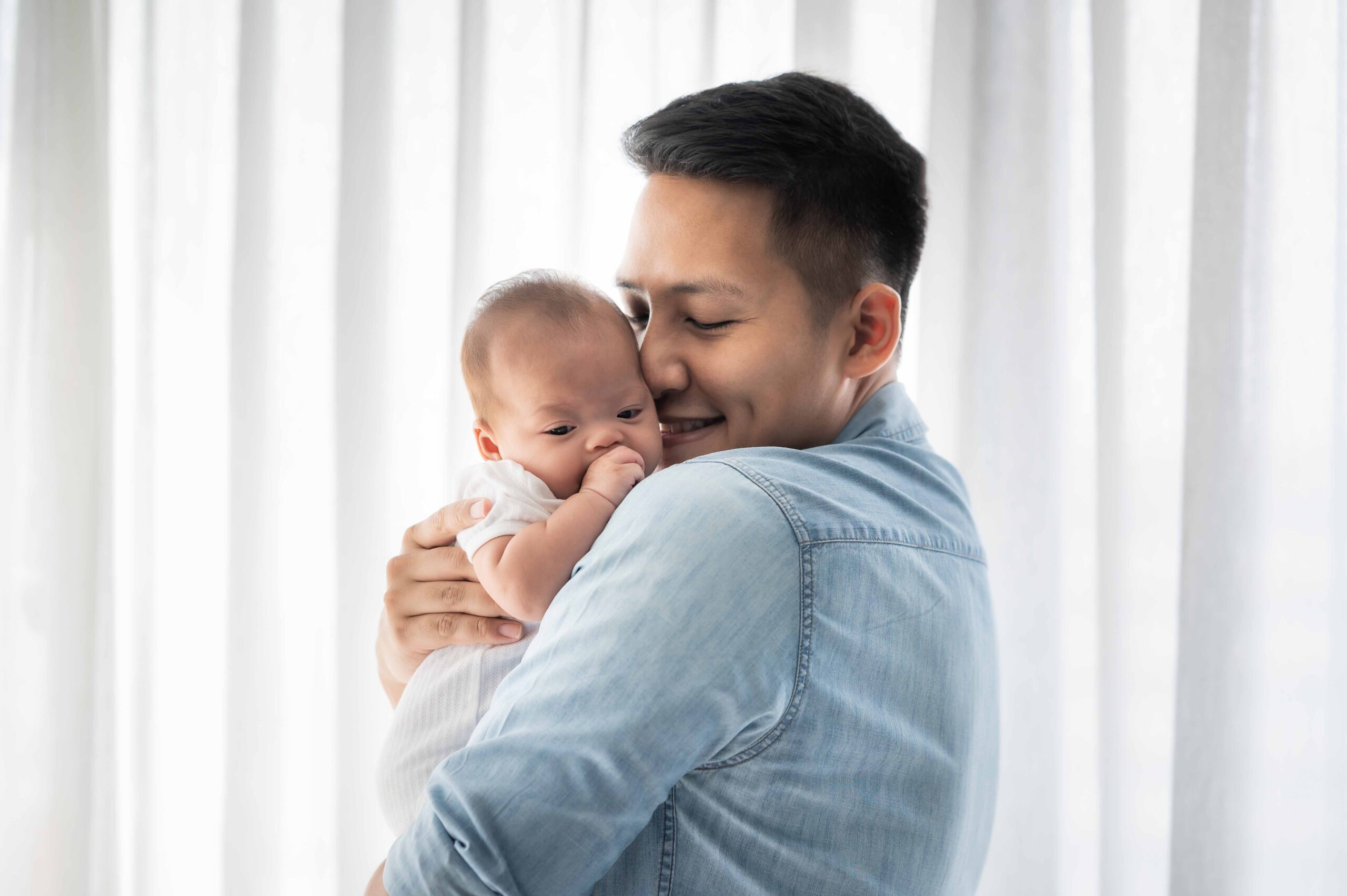
But change was on the horizon. From the 1960s, societal shifts began to take root. Families became smaller, and more women entered the workforce, driven by increased access to education, evolving gender norms, and the rising necessity of dual incomes. Childcare centres started to emerge, creating new possibilities for working mothers.
As women increasingly participated in paid employment, traditional family dynamics were challenged, prompting a re-evaluation of paternal responsibilities at home. Thanks to these changes, the father’s role began to expand beyond that of sole provider; dads were becoming more hands-on in the daily care of their children, not just as disciplinarians but as nurturers and participants in day-to-day parenting!
Modern Talking
By the 1990s, this transformation had picked up pace. Dual-income households were now the norm rather than the exception, and women were entering professional fields once dominated by men.
The image of the “modern dad” began to take shape: not just a provider but a parenting partner, and keen to bond emotionally with their children. Fathers were now taking on responsibilities once mainly borne by mothers, from nappy changing to homework help.
Parenting books, TV shows, and advertising in the 1990s and early 2000s started to reflect this new reality: the involved, emotionally present father. In Singapore, this shift was further supported by national initiatives such as the Dads for Life movement, launched in 2009. Spearheaded by the Ministry of Social and Family Development, Dads for Life encouraged fathers to be actively engaged in their children’s lives, reinforcing the idea that fatherhood involves emotional presence, caregiving, and shared responsibility.
A Lifetime Partnership
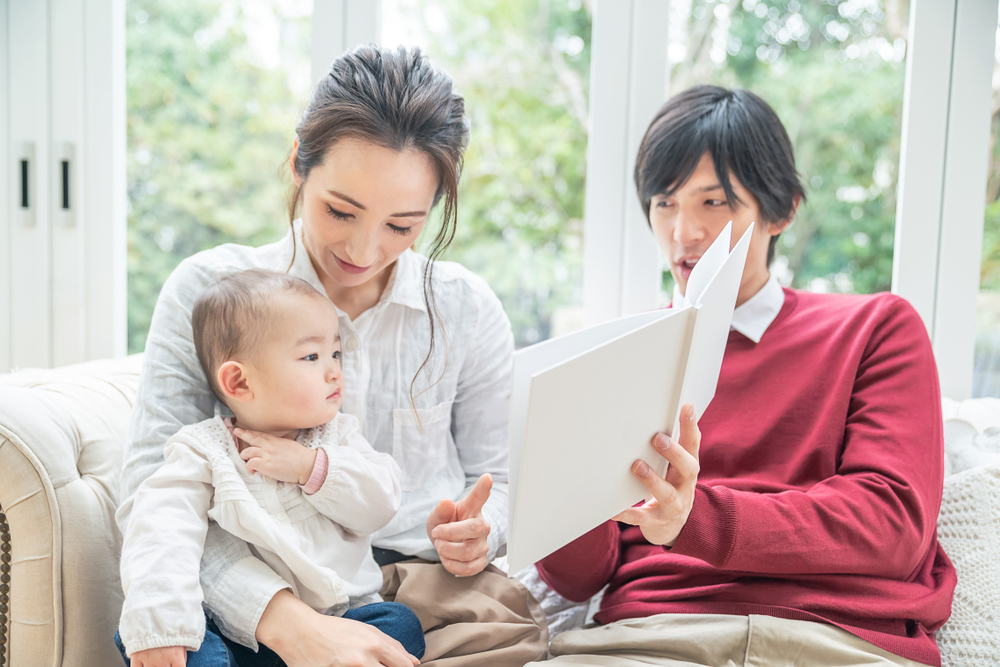
Cultural expectations evolved too. Stay-at-home dads, for example, were once a rarity, are gradually being seen in a new light. They were no longer the exception, but part of the broader transformation of fatherhood. Though traditional stereotypes and societal pressures lingered, the foundation had shifted: parenting was no longer a one-person job. It had become a true partnership.
Today’s dads are no longer defined solely by their ability to provide; they are present, nurturing, and deeply engaged in their children’s lives. Not just breadwinners, but partners and parents, in every sense of the word. There are still a lot of challenges: while fathers seek to be more involved in their children’s lives and agree that it’s one of the most fulfilling experiences a man could have, they still have work responsibilities, financial pressures, and a lack of parenting resources.
This evolution of a dad’s role from breadwinner to co-parent reflects a broader reimagining of what fatherhood means today.